- Main
- Student organizations
- Students met with KazNU alumnus, Kazakhstani entrepreneur Ruslan Berdenov, who was included in the Forbes “50 Under 50” list
Students met with KazNU alumnus, Kazakhstani entrepreneur Ruslan Berdenov, who was included in the Forbes “50 Under 50” list
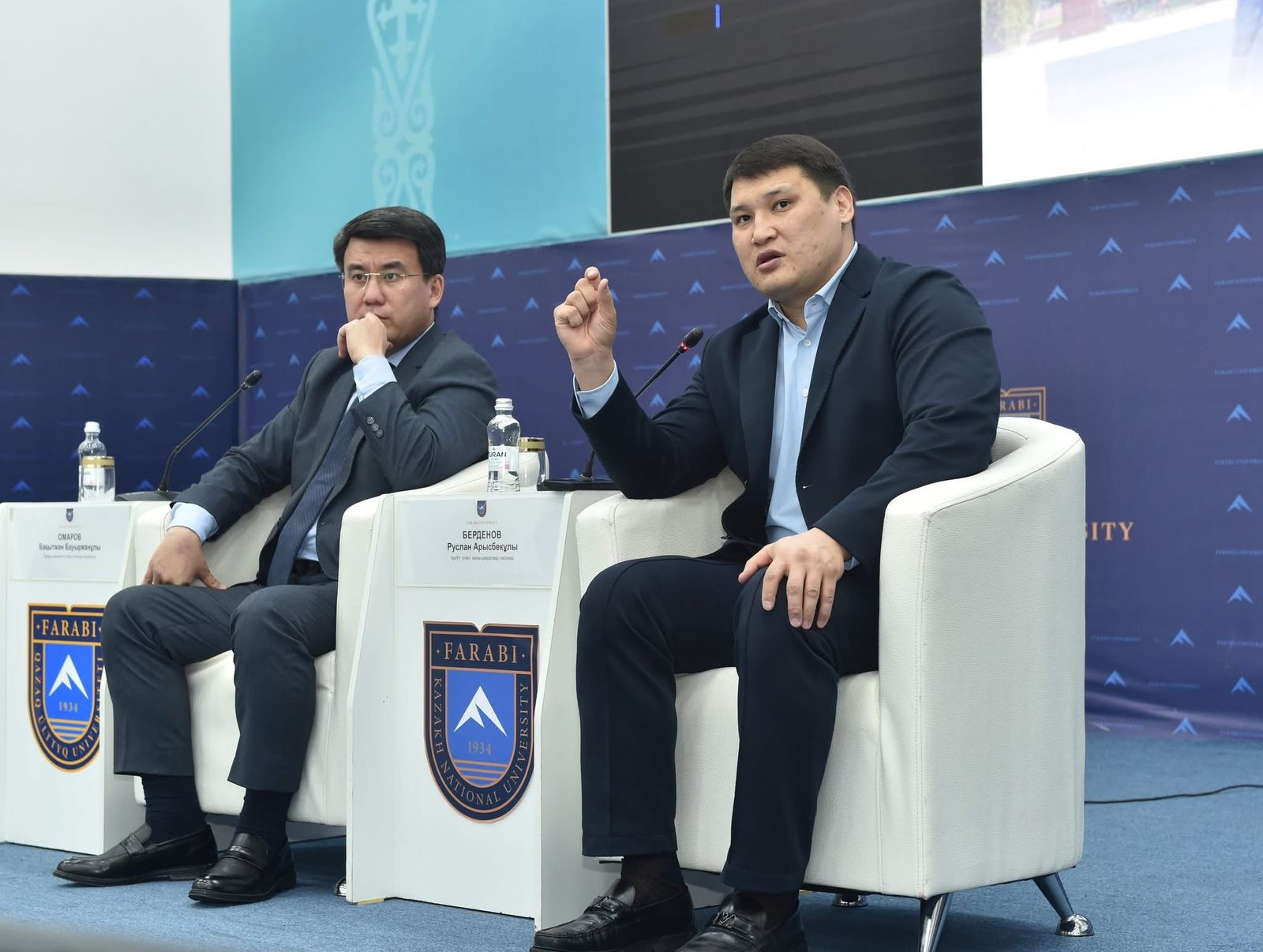
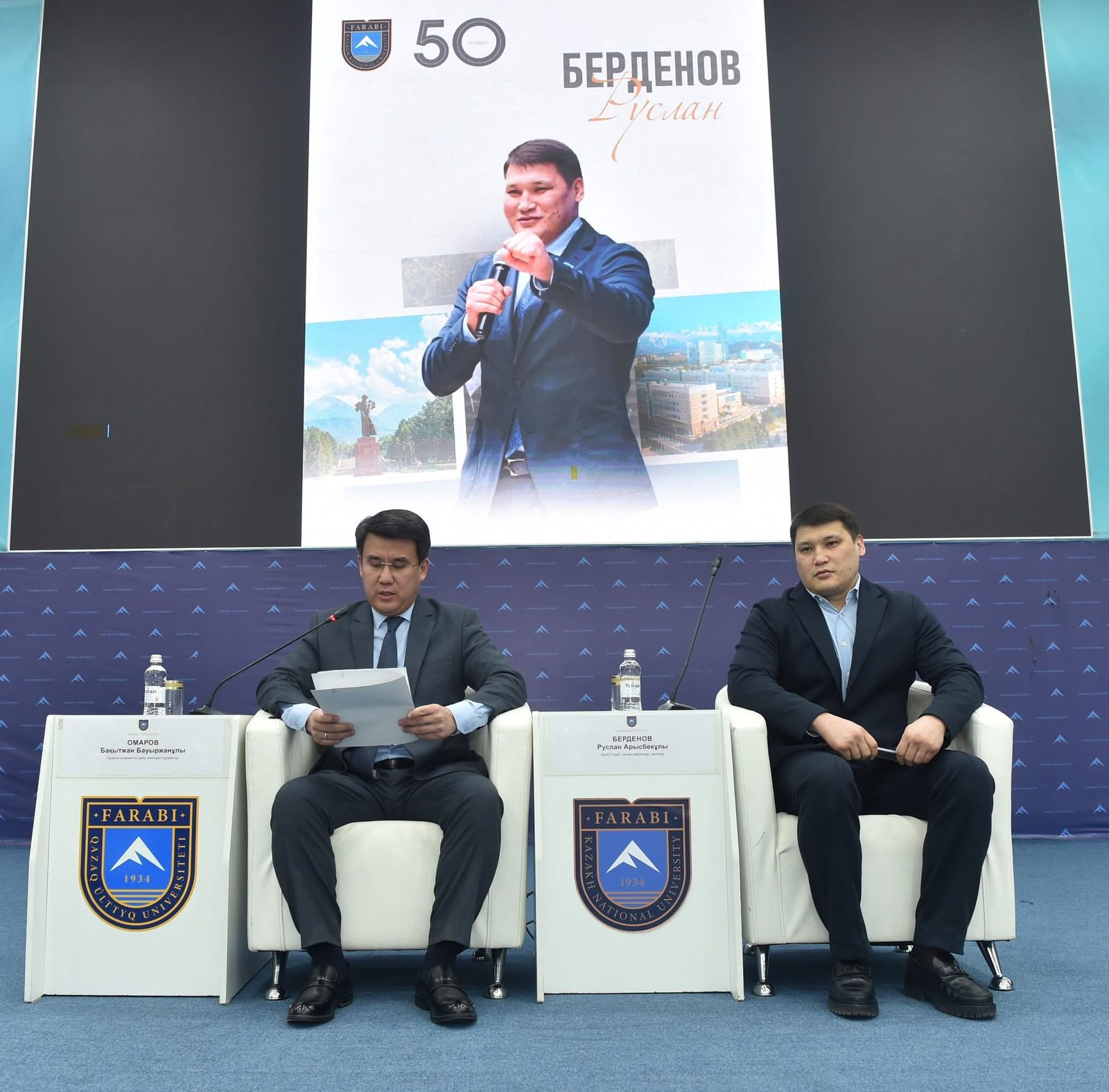
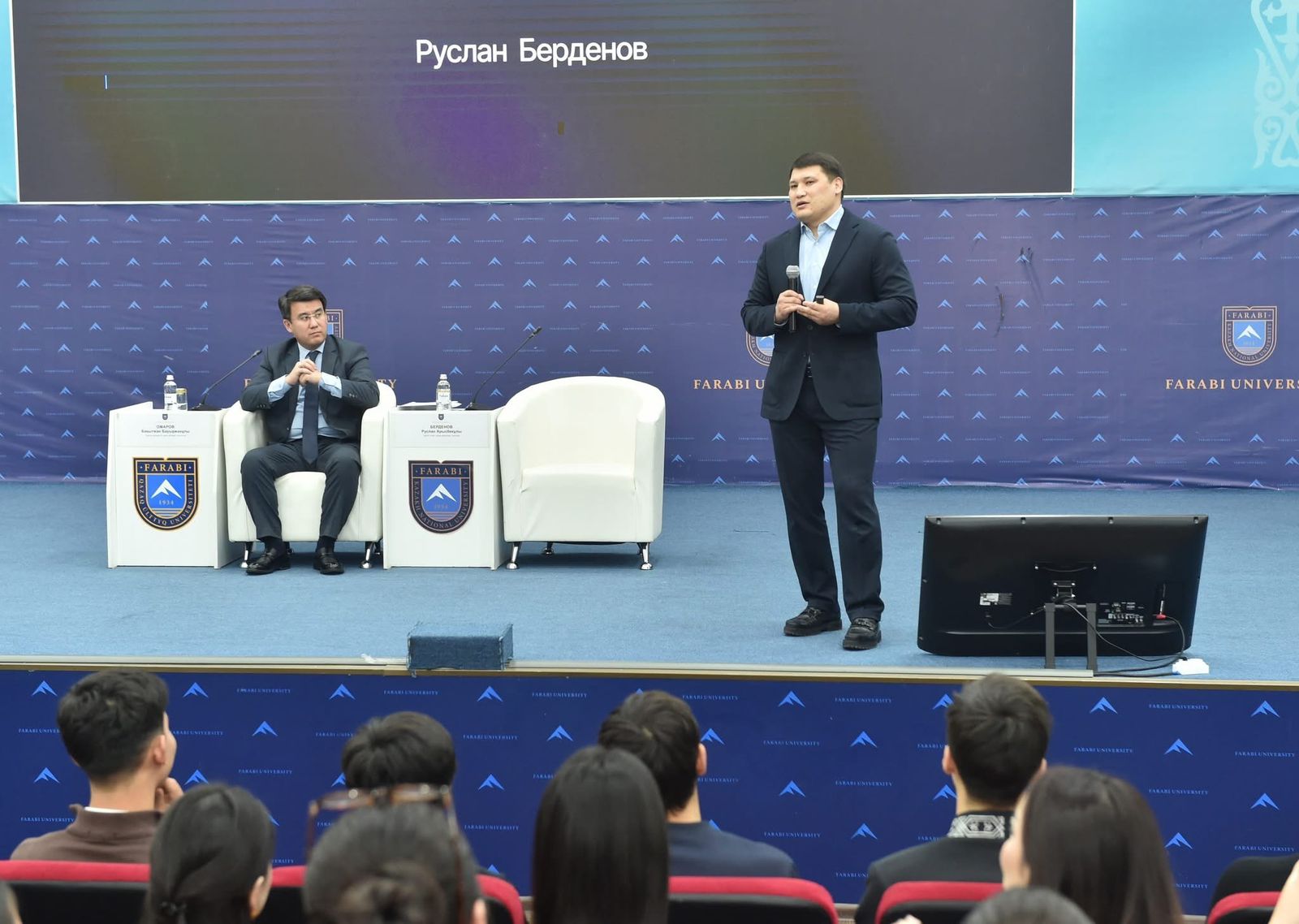
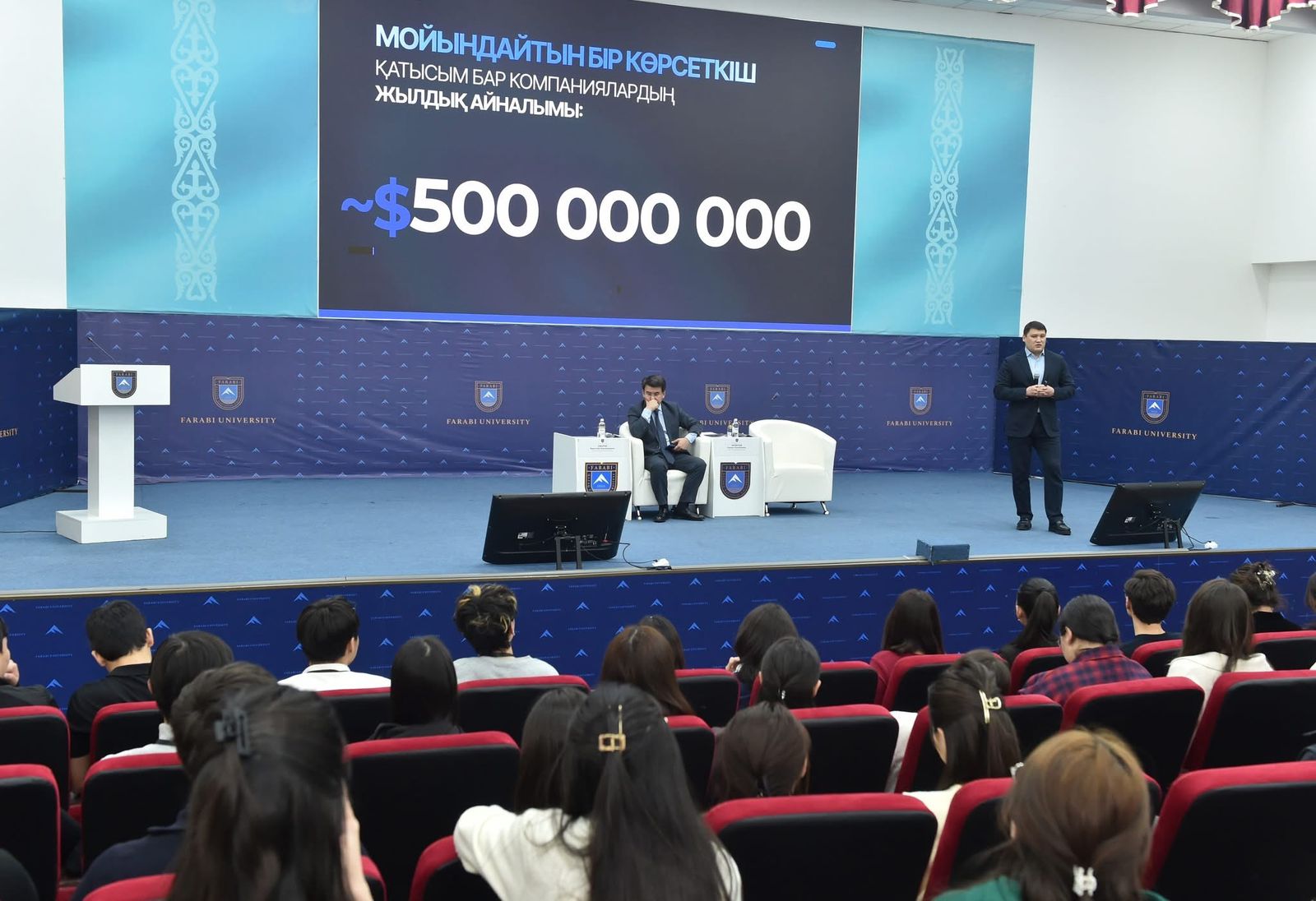
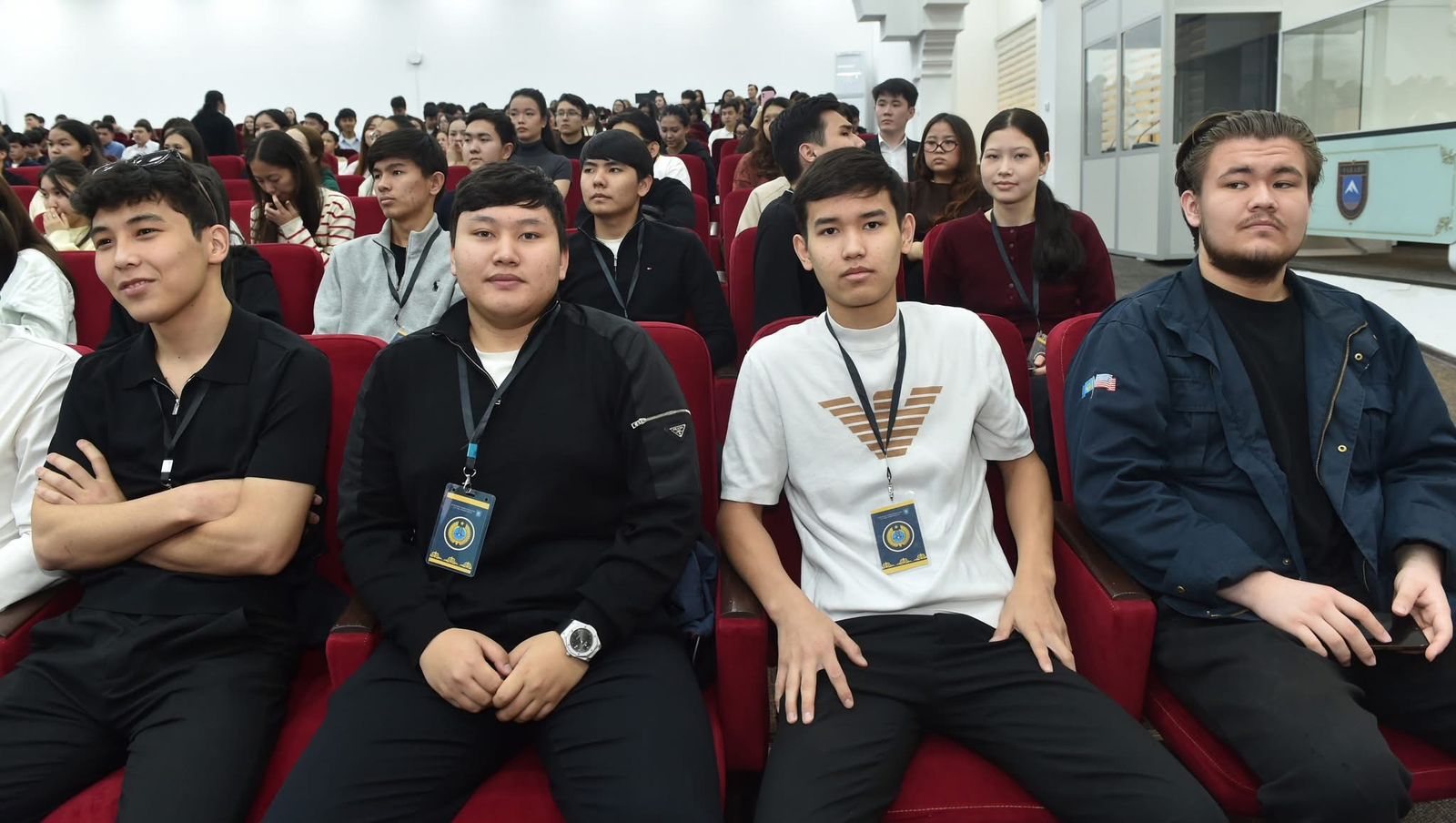
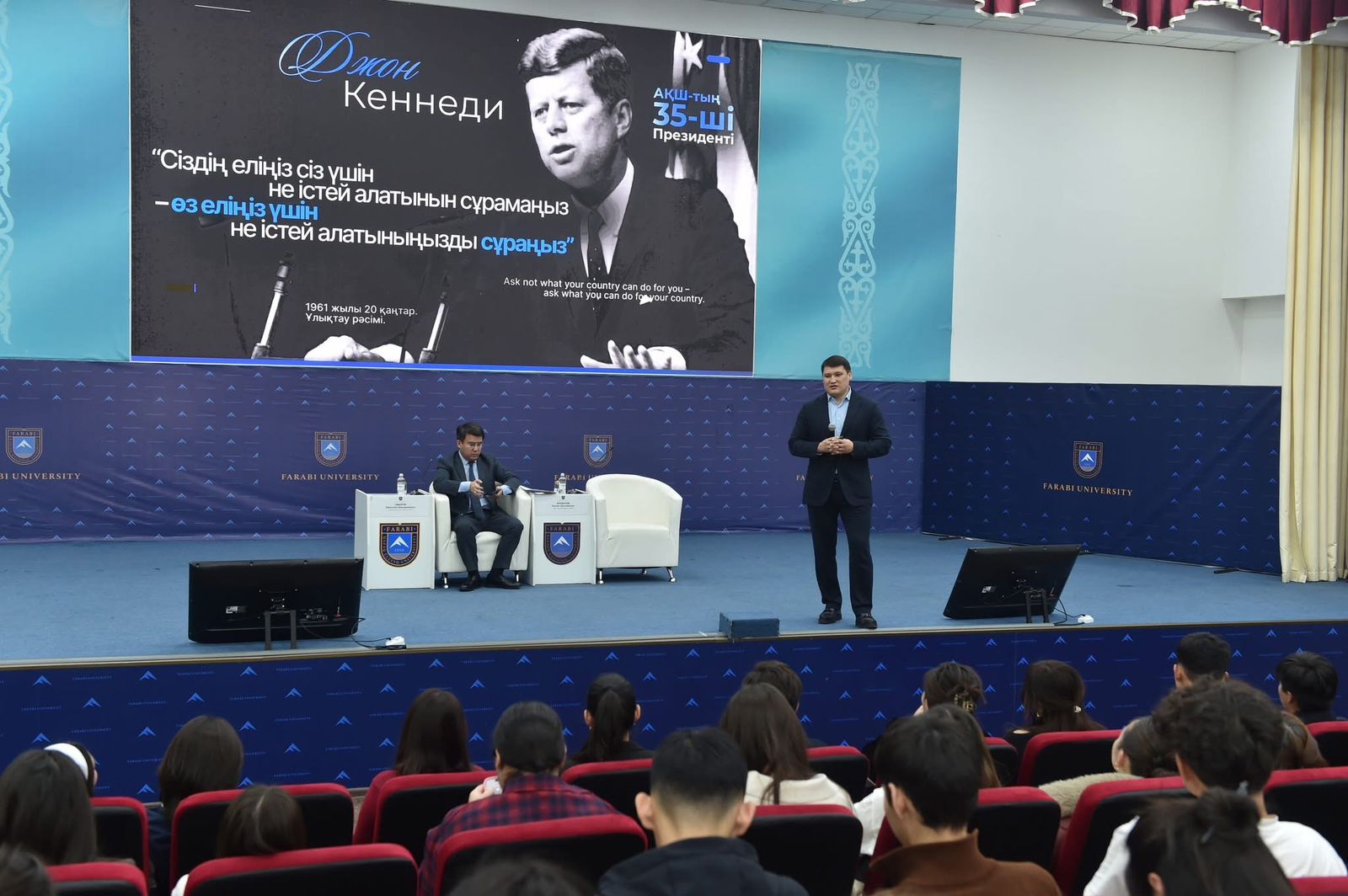
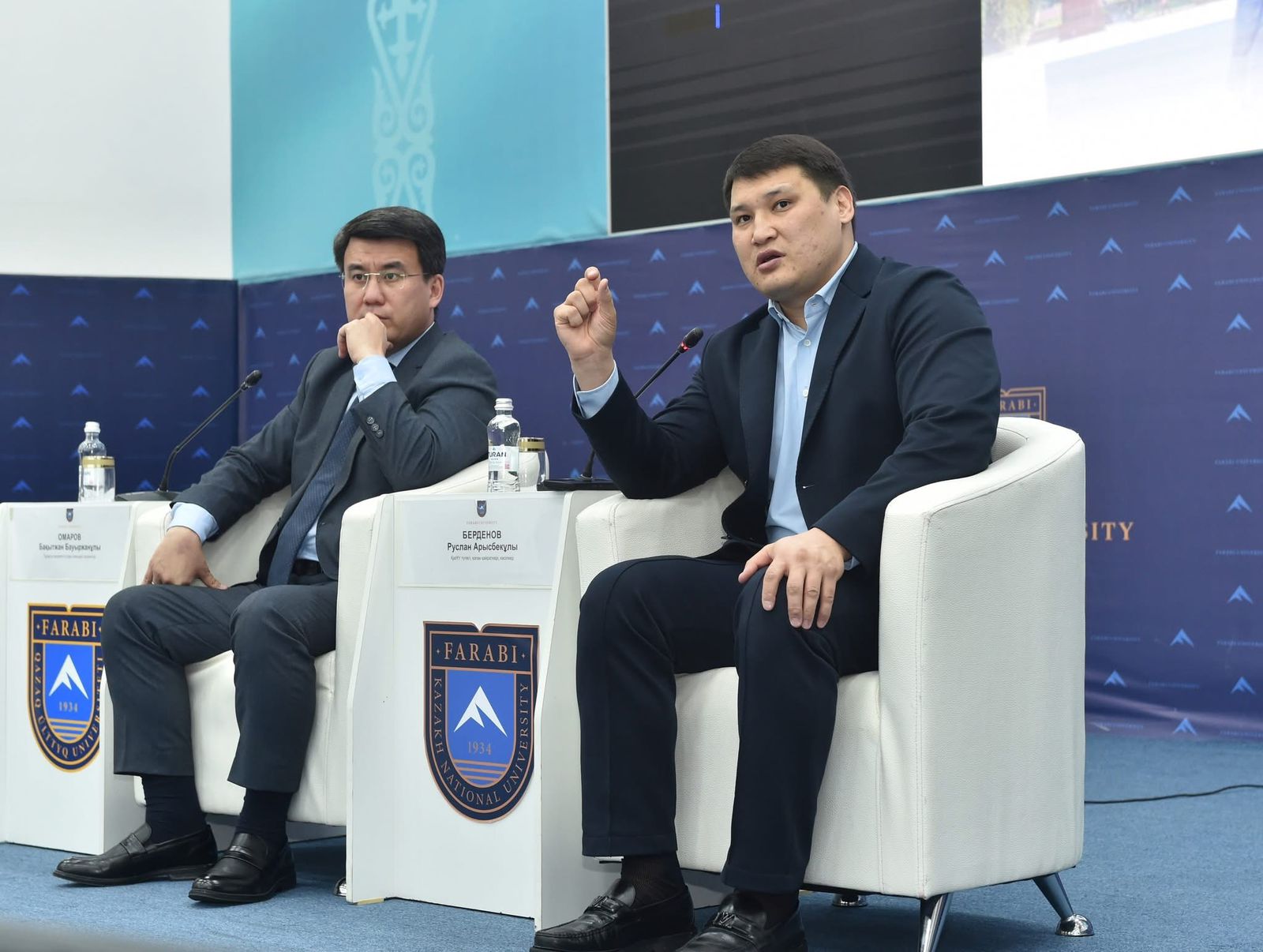
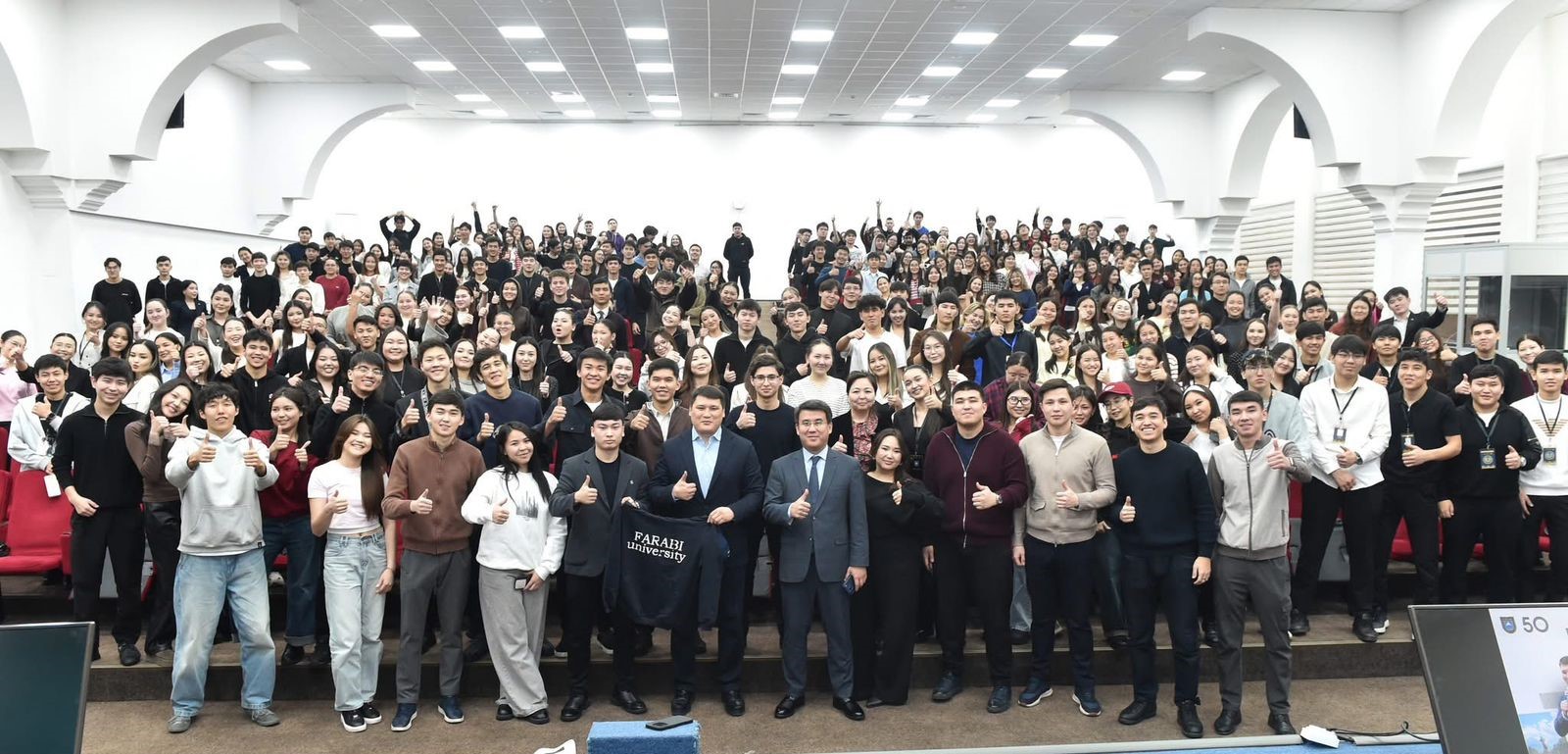
A meeting with Ruslan Berdenov – an alumnus of Al-Farabi Kazakh National University, public figure, and Kazakhstani entrepreneur included in Forbes magazine’s “50 Under 50” list – was held at the university. The event was organized in an open dialogue format and served as an important platform for discussing entrepreneurship development, national branding, and corporate social responsibility.
The primary objective of the meeting was to foster an entrepreneurial culture among students, promote best practices in advancing national values through modern formats, and encourage young people to embrace innovative thinking and social responsibility. The organizers emphasized the importance of integrating the practical experience of successful alumni into the academic environment.
Ruslan Berdenov is the founder of the Sandyk and Tary restaurant projects, which present Kazakhstan’s national cuisine through a contemporary conceptual approach. His initiatives focus on harmonizing tradition with modern business models in order to promote a national brand at the international level. His projects demonstrate that cultural heritage can serve as a foundation for building a competitive and sustainable business.
During the meeting, the speaker shared insights into his entrepreneurial journey, highlighting the challenges he encountered and the strategies he employed to overcome them. Particular attention was given to brand development, market positioning, team building, and designing long-term growth strategies. Ruslan Berdenov emphasized the importance of perseverance, strategic thinking, and accountability in transforming ideas into successful ventures.
The event was aligned with the United Nations Sustainable Development Goals, including:
Goal 4 – Quality Education (enhancing students’ practical knowledge and professional competencies);
Goal 8 – Decent Work and Economic Growth (supporting youth entrepreneurship and increasing economic participation);
Goal 9 – Industry, Innovation and Infrastructure (promoting innovative projects and creative industries);
Goal 12 – Responsible Consumption and Production (implementing sustainable business practices and promoting national products in modern formats).
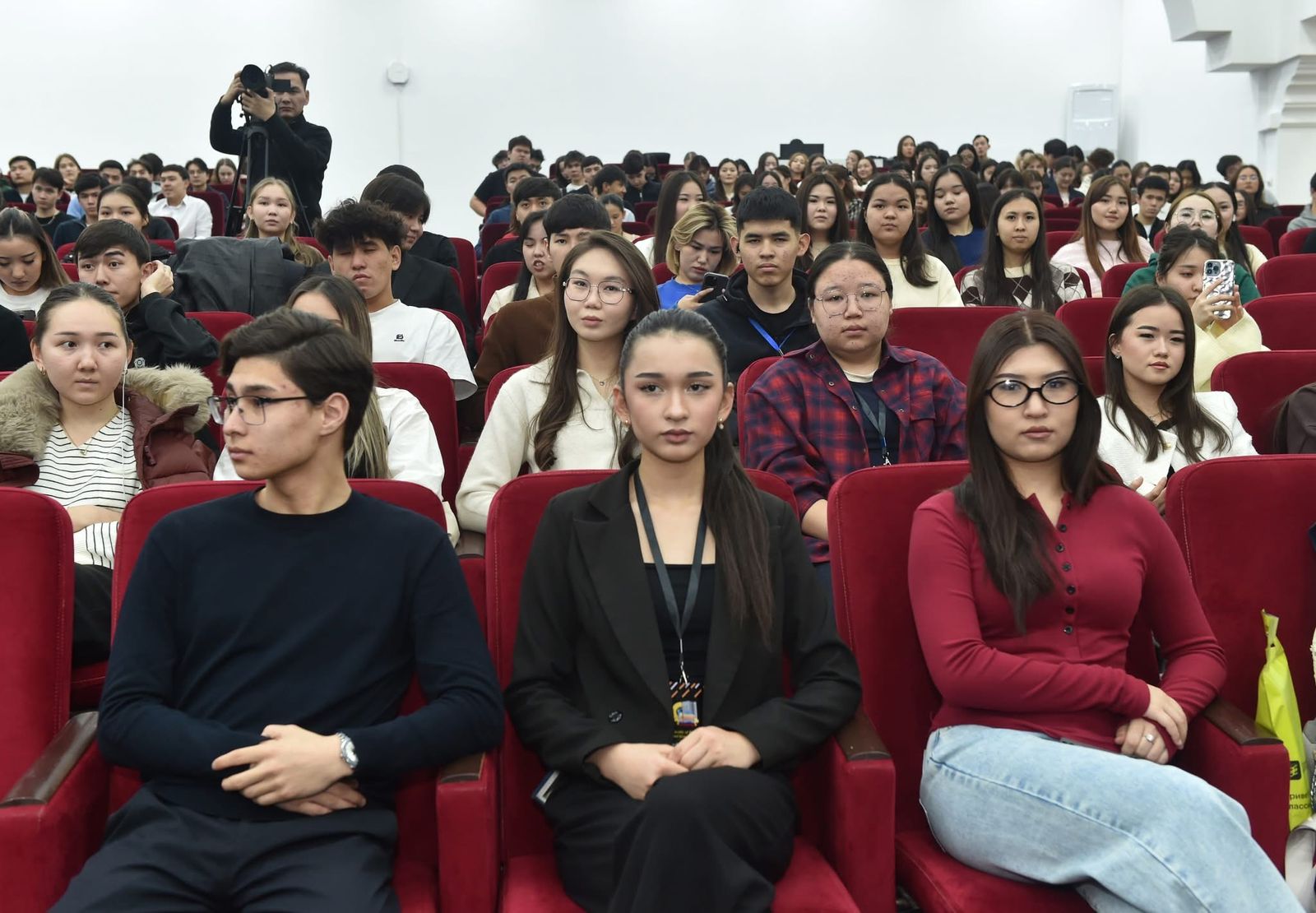
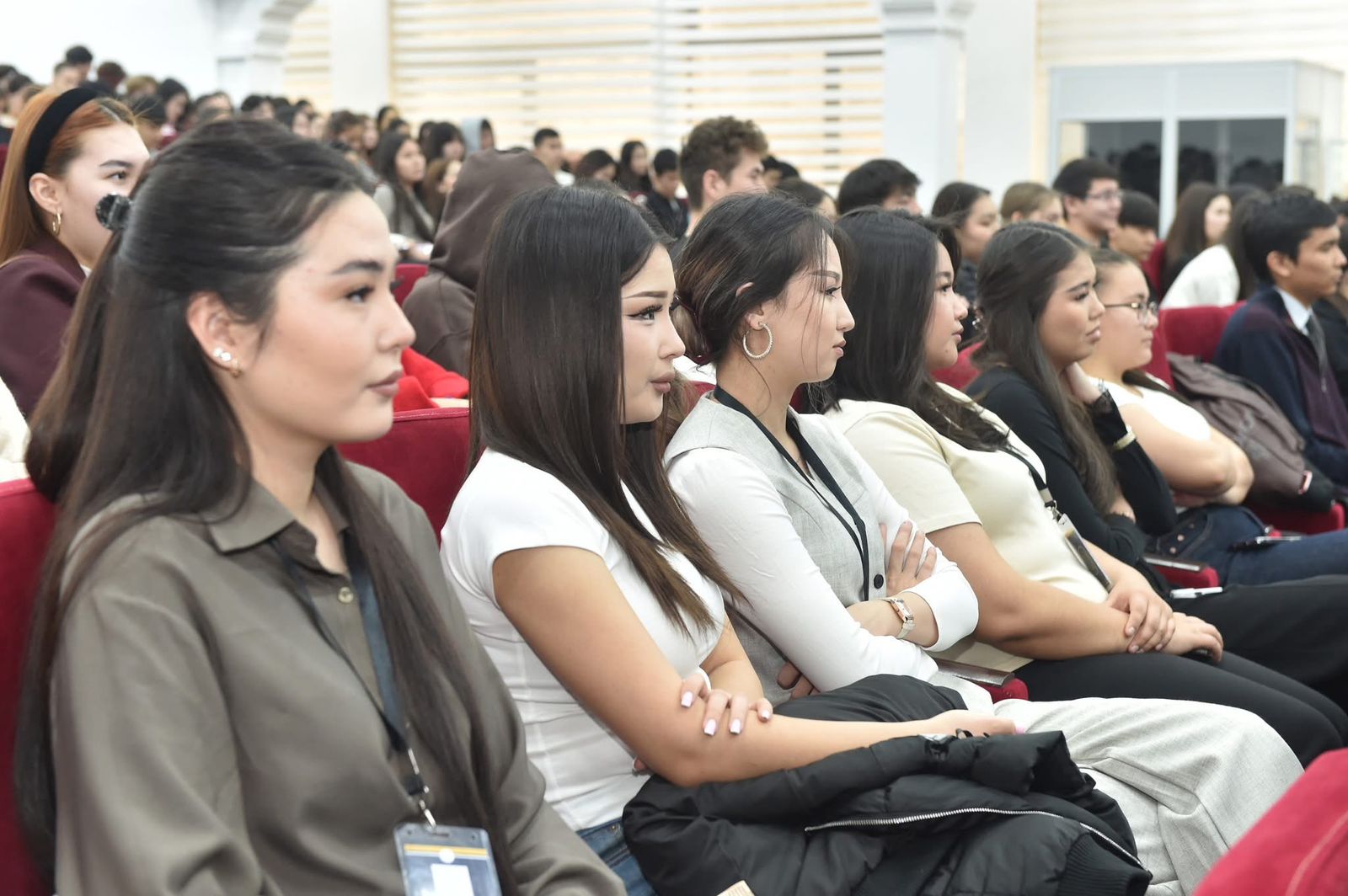
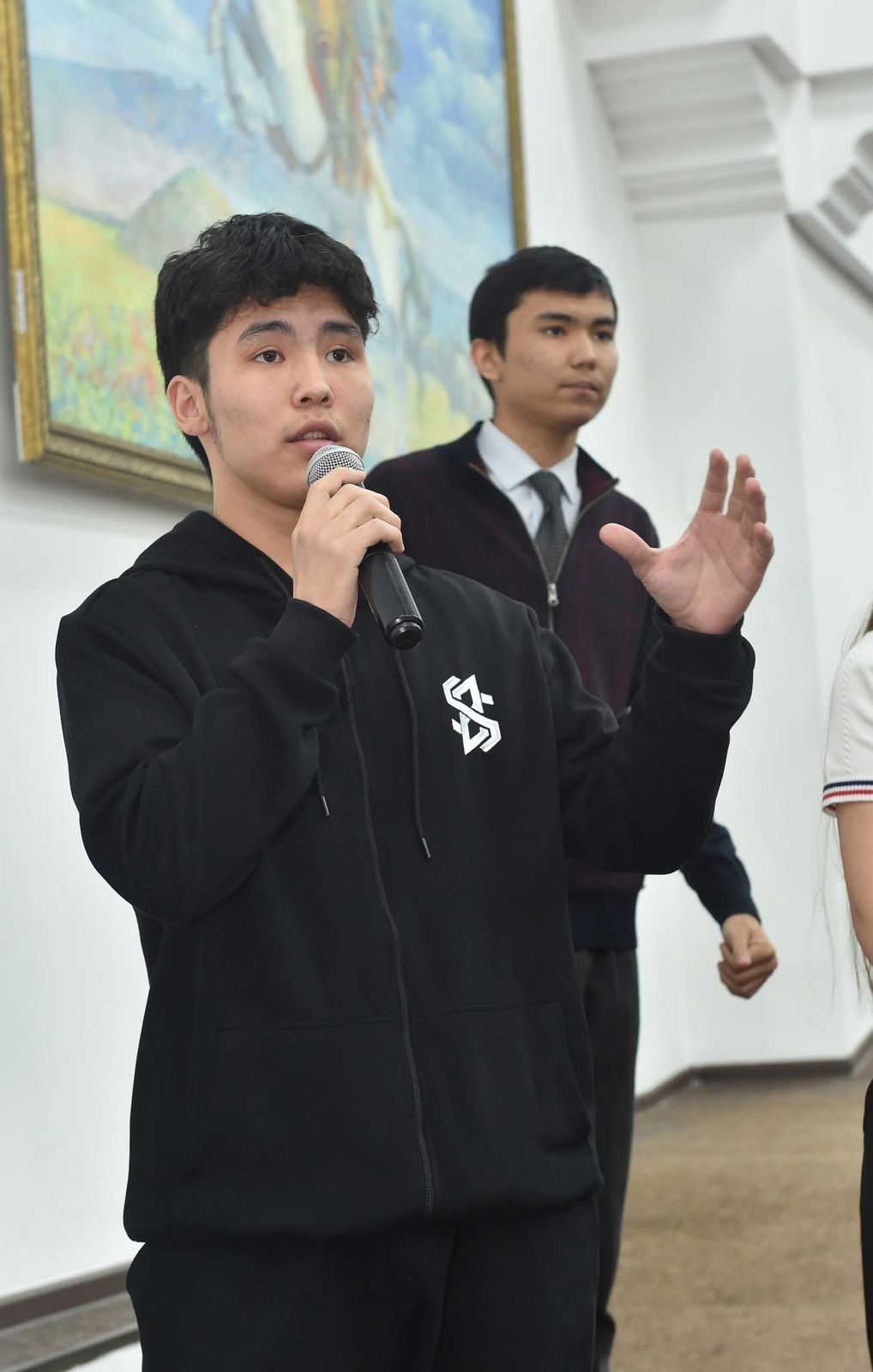
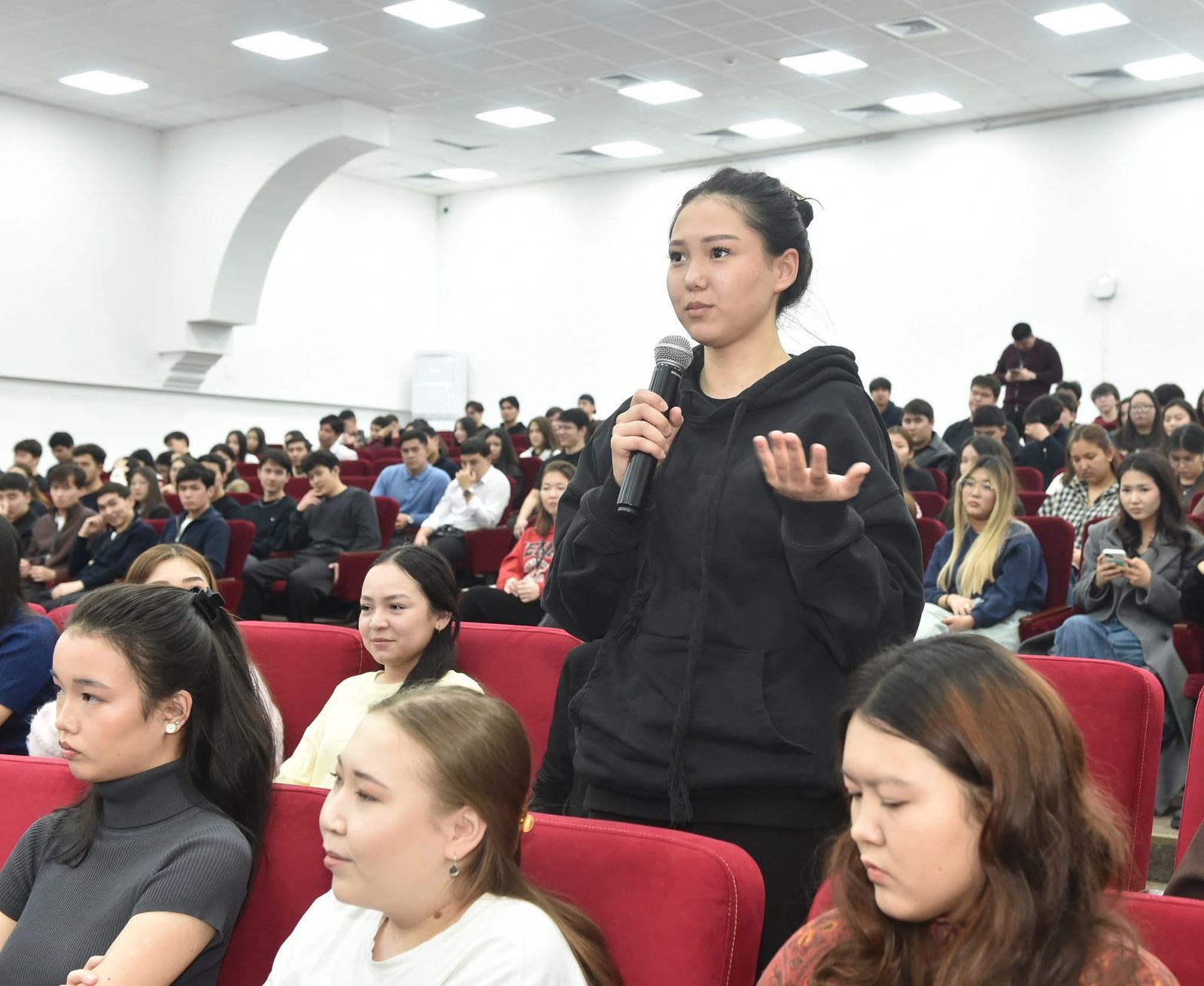
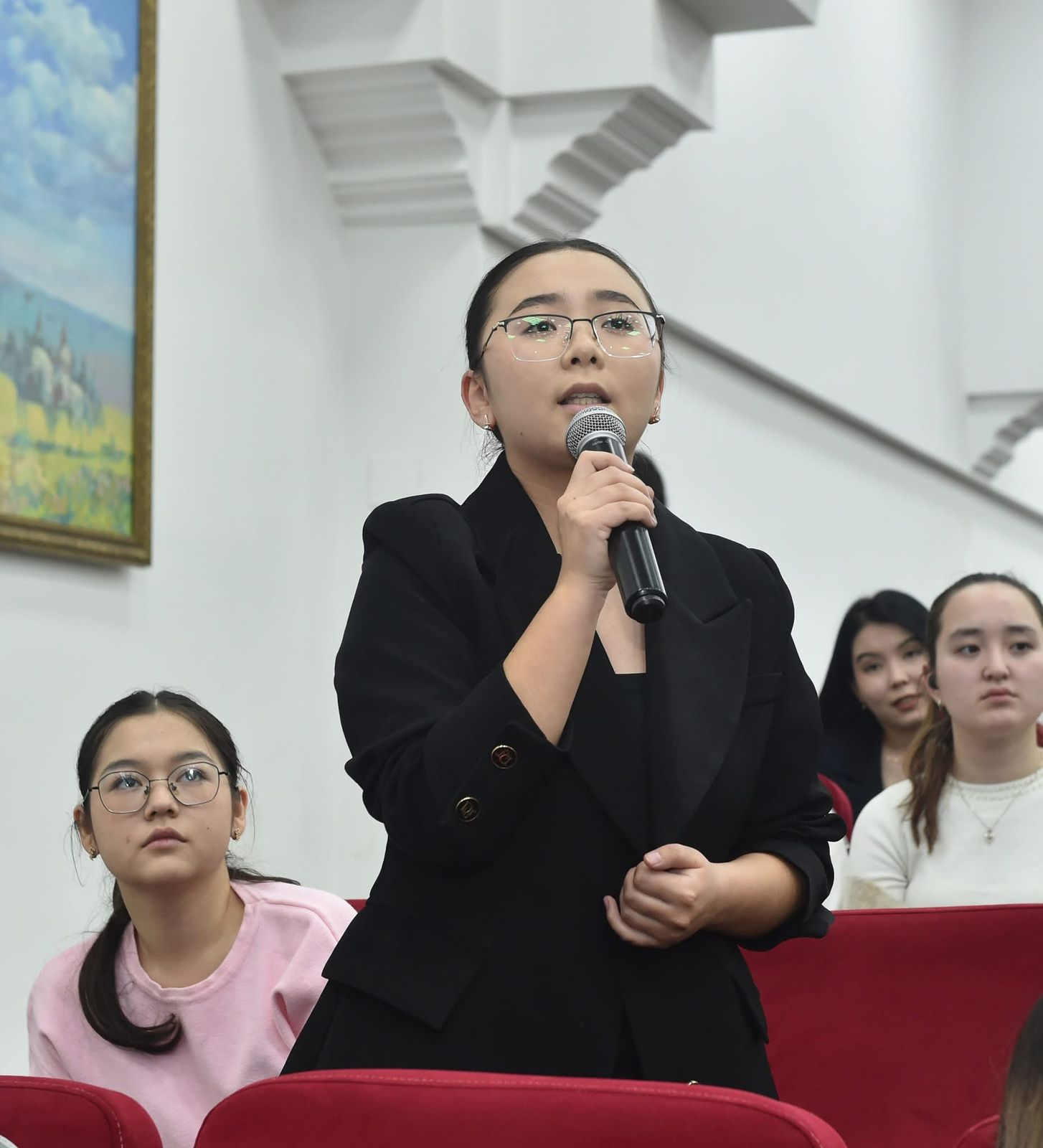
Within the framework of the meeting, students engaged in an open discussion with the entrepreneur, receiving detailed responses to their questions regarding business initiation, risk management, investment attraction, team formation, and personal brand development. The interactive format facilitated constructive dialogue and strengthened ties between academia and the business community.
Such initiatives contribute to reinforcing the university’s connection with its alumni, ensuring the continuity between academic knowledge and real-world business practice, and advancing the principles of sustainable development within both the educational and entrepreneurial spheres.
Other news