The Language Bridge in Almaty: Education as a Path to Sustainable Development
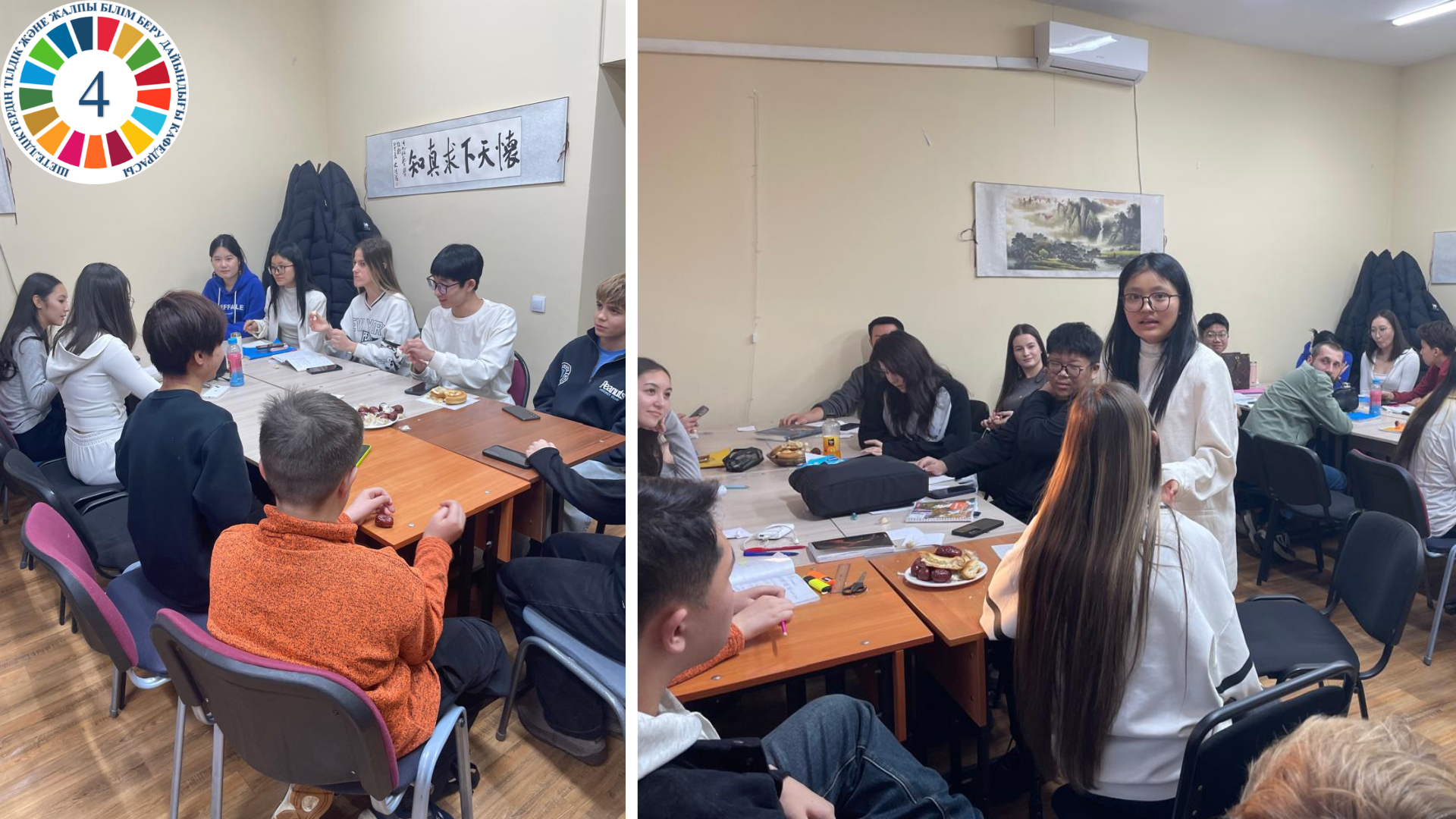
Modern education extends far beyond textbooks, becoming a foundation for intercultural understanding. A recent student meeting at the "Laoshi" Chinese language school in Almaty served as a vivid embodiment of UN Sustainable Development Goal 4 (SDG 4) — "Quality Education." This project demonstrated that effective learning today is built on inclusivity, hands-on practice, and the cultivation of global citizenship.
A key aspect of the meeting was mutual mentorship. Kazakhstani students gained a long-awaited opportunity to practice Chinese with native speakers, while guests from China took on the challenge of conversing freely in Russian. This format fully aligns with SDG Target 4.7, which calls for educating youth through the recognition of cultural diversity. Interactive tasks — from presentations in random pairs to teaching local slang like "Na svyazi!" (Stay in touch!) and "Kruto!" (Cool!) — helped participants break the language barrier and develop empathy.
"Gastronomic diplomacy" played a special role. Exchanging traditional treats, such as dried melon and festive pastries ("syilyk"), allowed students to integrate into each other's cultural codes. This transformed an ordinary lesson into an act of grassroots diplomacy, fostering a sense of belonging to the global community among the youth.
Ultimately, such initiatives prove that quality education in Kazakhstan is becoming human-centered. Friendship between students is a long-term investment in regional stability. As the post states, "friendship is an eternal value," and it is through these sincere steps in education that global goals are achieved, turning knowledge into a reliable bridge toward peace and shared prosperity.
Chebotareva N.V.,
Lecturer at the Department of Language and General Education Preparation for Foreigners.