A Fair Society is the Guarantee of the Country’s Future
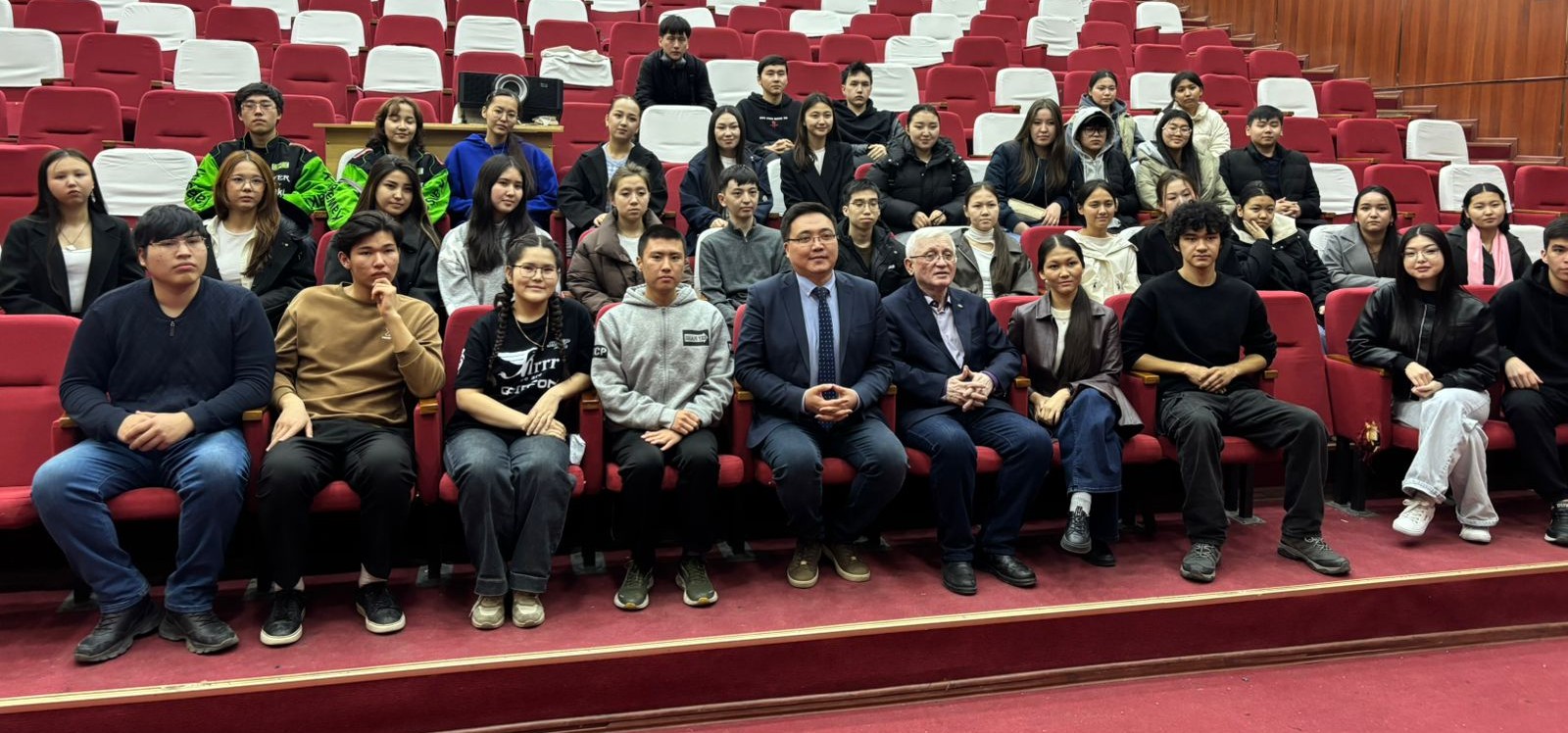
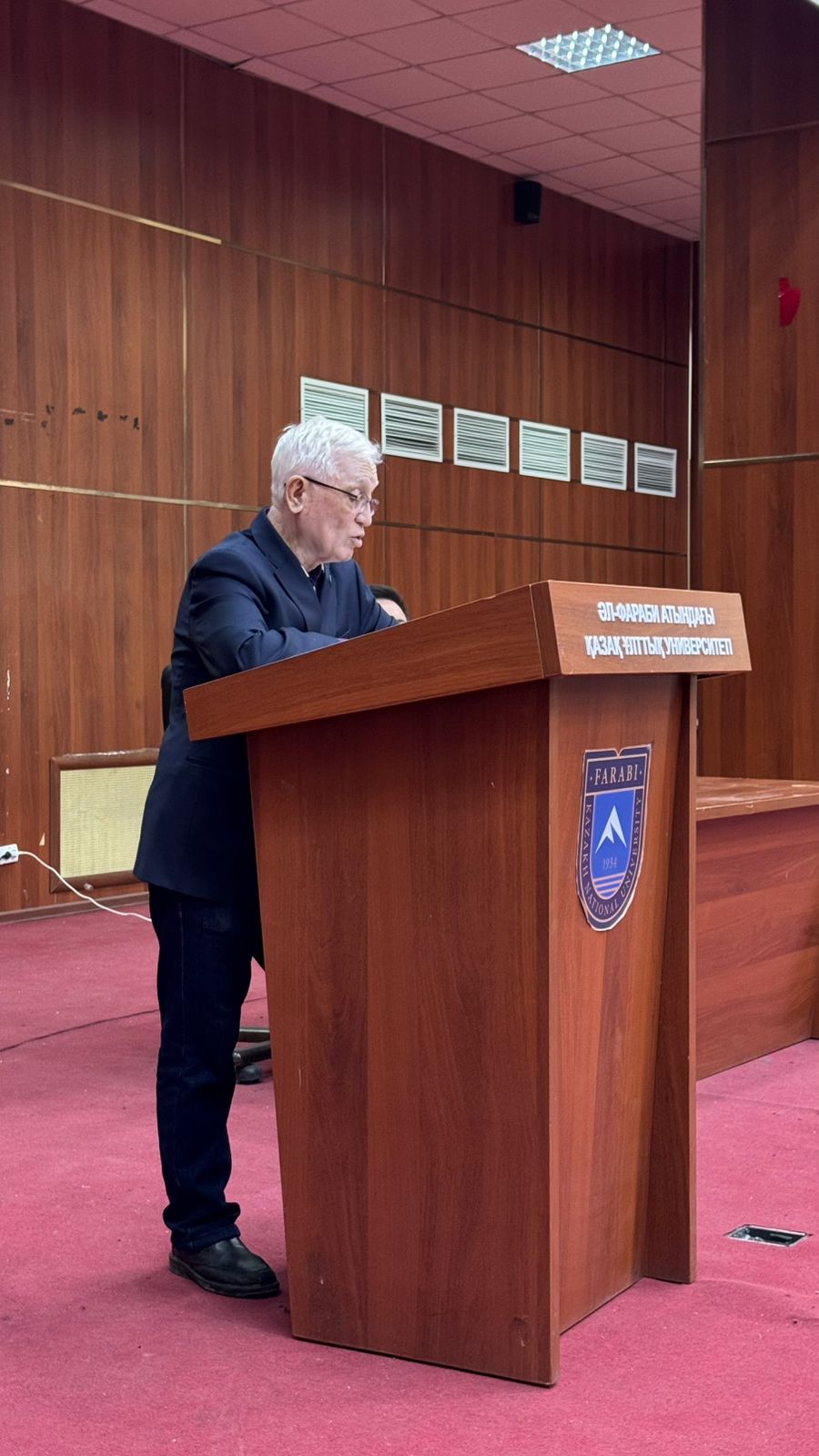
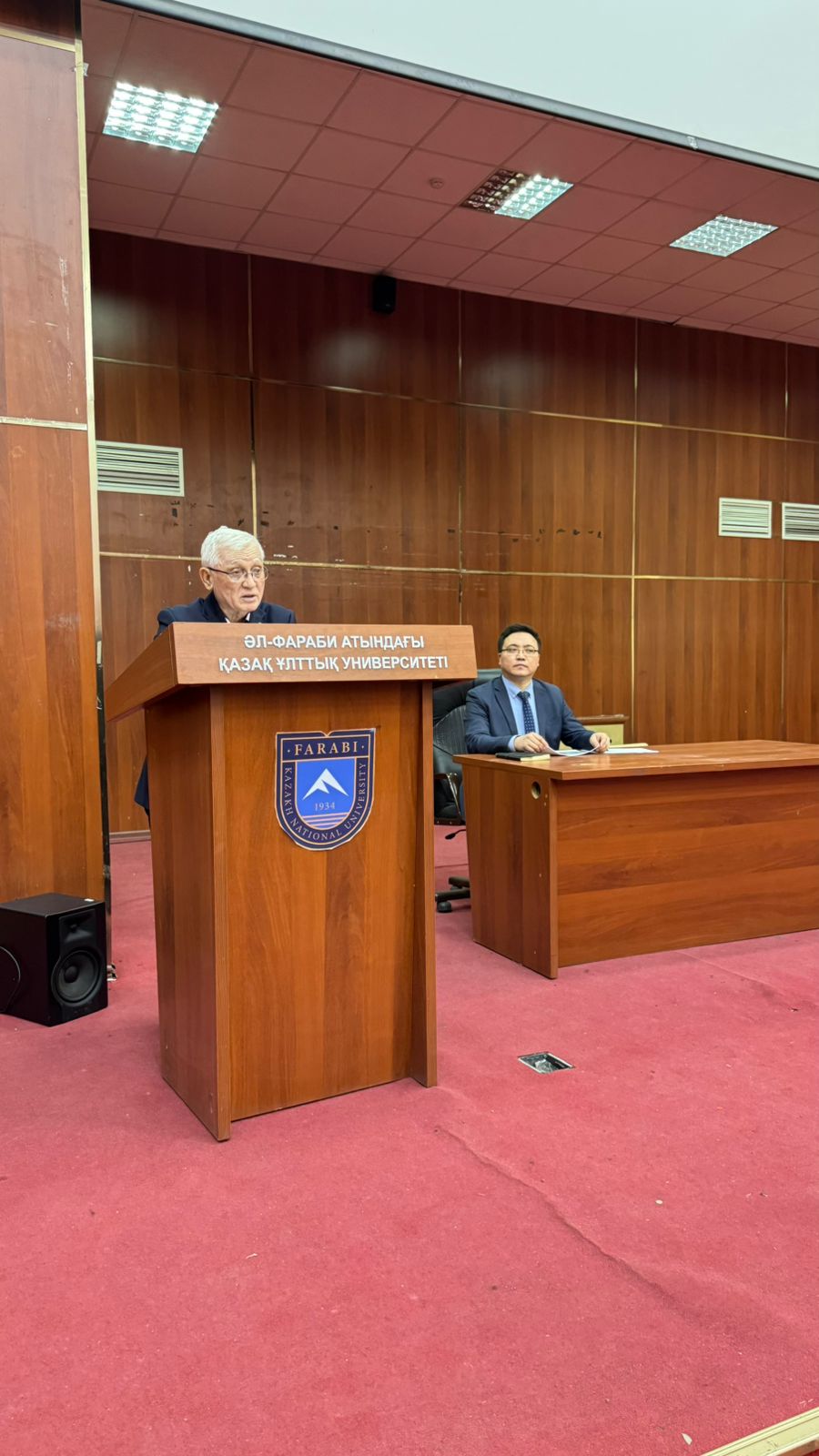
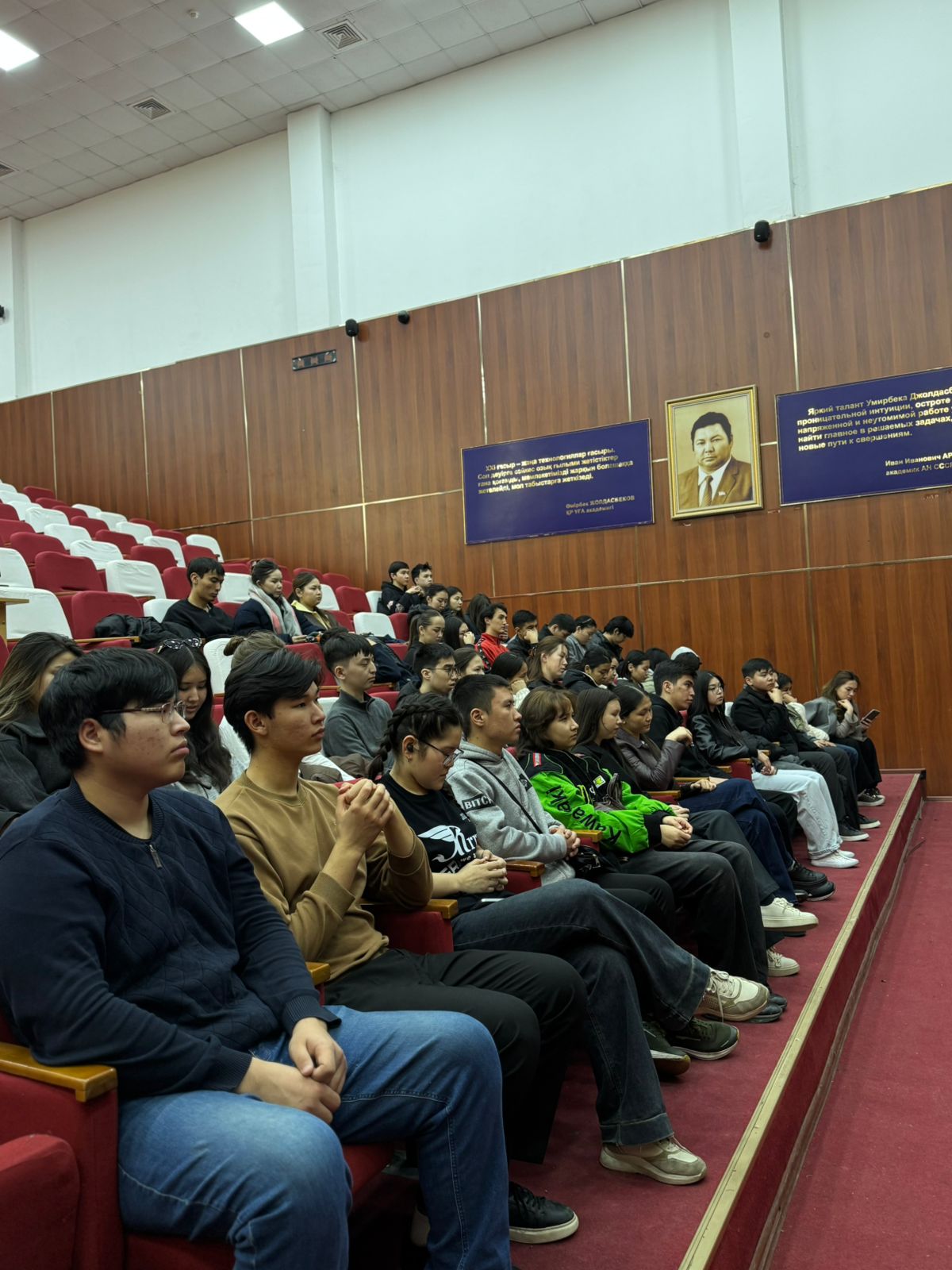
A large informational and educational event titled “A Fair Society is the Guarantee of the Country’s Future” was held at the Faculty of Mechanics and Mathematics. Opening the event, the Deputy Dean for Social and Educational Affairs, Bolat Abenov, stated: “It would not be an exaggeration to say that corruption has today become a highly dangerous and systemic disease that has deeply taken root. Its consequences affect not only the state apparatus but also significantly impact the daily lives of ordinary citizens. The key condition for combating this problem is a transformation of public consciousness. Improving the weak points of legislation, fostering legal culture, and increasing the responsibility of every citizen are the foundation of the fight against this hidden crime. Today, the number of citizens who do not remain silent in the face of injustice, who report violations in a timely manner, and who contribute to maintaining public order is steadily growing.”
This issue has remained relevant since ancient times and has not lost its significance. Unfortunately, corruption continues to be a pressing problem in our country. The fight against corruption remains an urgent issue that does not leave the public agenda. The actions of officials who misuse state funds and violate the law pose a threat to the country’s economic security. Nevertheless, justice will inevitably prevail: today, corrupt individuals are being identified and held accountable. This is clear evidence that crimes do not go unpunished.
The next speaker, a specially invited guest, Senior Lecturer of the Department of Theory of State and Law and the main speaker of the meeting, Kanat Alikhan, emphasized: “If justice and the rule of law—namely the universal principle of ‘Law and Order’—are not firmly established in society, both the development of the state and the well-being of its people will stagnate. Therefore, in major cities and regional centers of the country, regional departments of the Anti-Corruption Agency are actively working to involve citizens in combating corruption. Law enforcement agencies particularly emphasize the importance of civic responsibility. Reporting any violation in a timely manner is the civic duty of every individual.”
From the speaker’s well-structured presentation, the audience understood that combating corruption is not only about protecting the state but also about safeguarding each citizen’s own future. It also highlighted the importance of trust in such values as justice, law, and morality within society.
The “Just Society” project currently being implemented has become a new direction in strengthening the harmony between the state and society, as well as between public consciousness and the law. The main goal of the project is to encourage respect for the law and to make openness and fairness a way of life. Cultural and educational activities carried out within the framework of the project are increasing legal awareness and giving new momentum to civic engagement.
Assets that were previously appropriated by corrupt individuals for personal gain are now being returned for the benefit of the country. Among the assets returned to the state are administrative buildings, land plots, luxury vehicles, as well as residential properties and educational institutions. It was emphasized that establishing close cooperation with society is essential for effectively combating corruption.
At the end of the meeting, the speaker provided detailed answers to questions from the audience. The questions from students and faculty mainly concerned the newly adopted Constitution: they asked about new chapters and articles, new legal norms, and benefits aimed at public welfare, and received comprehensive responses.
It was concluded that the “Just Society” is not merely a project but a platform for constructive dialogue between the state and the people. Honesty, justice, and the rule of law are the foundation of a civilized society. Therefore, it is important to remember that each person’s civic position, willpower, and sense of responsibility are the key values that determine the future of the country.
B. K. Abenov
Deputy Dean for Social and Educational Affairs