
Markakol's research problem is relevant
In 2011, the United Nations Environment Programme (UNEP) identified plastics, including micro- and macroplastics, as an emerging environmental issue. Research on this topic is still relatively limited, as problems related to plastics are not yet fully understood. Current studies show that, despite their small size, micro- and macroplastics pose significant environmental challenges.
Recently, considerable scientific efforts have been directed toward studying micro- and macroplastic pollution in aquatic environments. For example, most publications focus on plastic pollution in marine environments, while freshwater systems remain less studied. Consequently, even when the toxic effects of microplastics in freshwater ecosystems are considered low, they can still pollute aquatic biota, cause physical damage, and enter the food chain. Since systematic research began, micro- and macroplastic pollution has been identified in lakes of various sizes in North America, South America, Europe, Asia, and Africa. However, data on plastic pollution in remote lakes without permanent populations are practically nonexistent. In such cases, micro- and macroplastics can reach even distant protected areas through precipitation.
In Kazakhstan, there are high-mountain lakes that are directly affected by anthropogenic impacts and are conditionally undisturbed, yet remain vulnerable to micro- and macroplastic pollution. Until now, no data have been published on the presence of micro- and macroplastics in Kazakhstan’s inland waters, including the unique Lake Markakol. Despite an increasing number of scientific publications, this aspect of the problem remains insufficiently studied in our country. To better understand the extent and scale of plastic pollution in freshwater ecosystems, this practical study involves a comprehensive scientific approach, including water quality assessment, updating morphometric characteristics, and determining the composition of micro- and macroplastic particles.
The main aim of the study is to achieve a necessary level of understanding of the quantity, spatial distribution, and variability of micro- and macroplastic particles in the aquatic ecosystem of Lake Markakol.
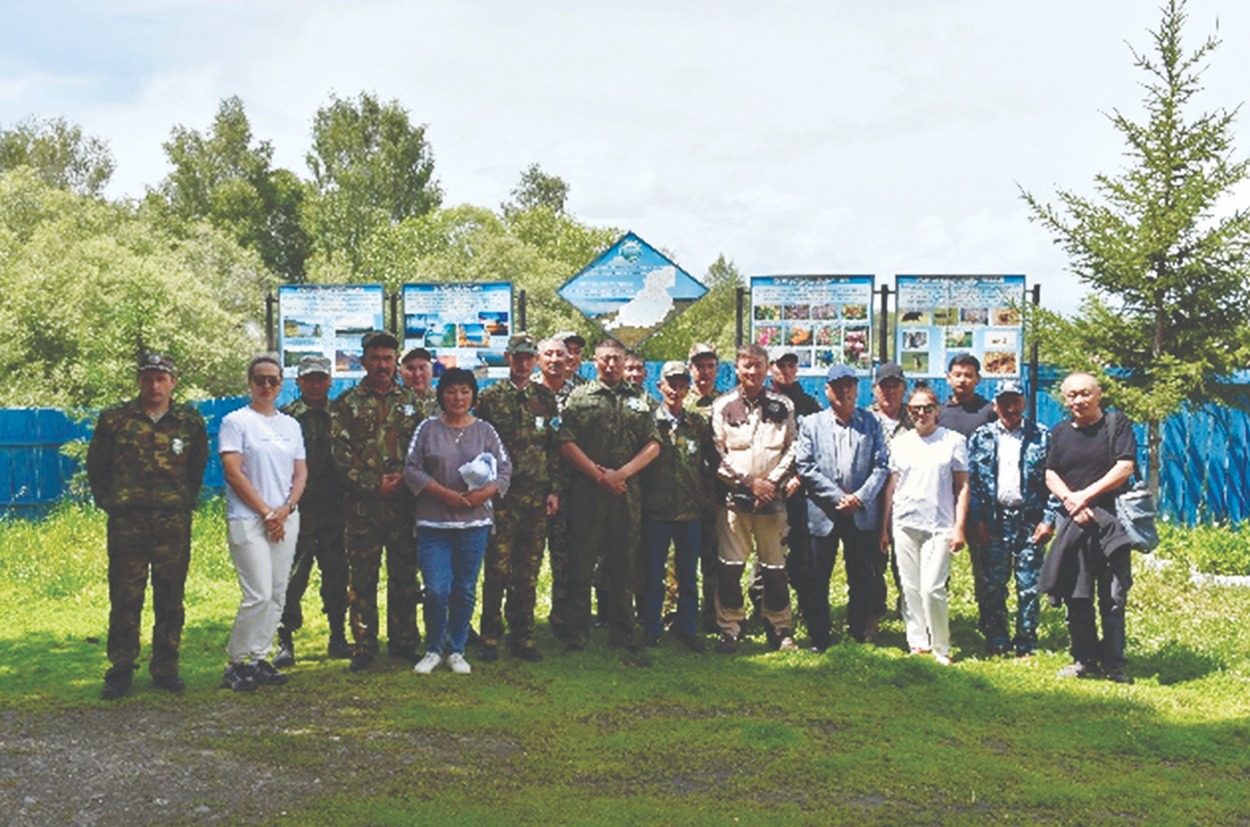
This research represents one of the first studies of its kind in Kazakhstan. Within the framework of the grant project “Monitoring the Condition of Lake Markakol’s Aquatic Environment and Assessing the Level of Micro- and Macroplastic Pollution,” funded under grant AR 14870595 by the Science Committee of the Ministry of Science and Higher Education of the Republic of Kazakhstan, field research was carried out by staff of JSC “Geography and Water Safety”, Laboratory of Hydrochemistry and Environmental Toxicology, in collaboration with local residents and Markakol Reserve personnel. Educational and awareness activities were conducted, informing local communities about the importance of the lake and the necessity of its proper use for tourism. Such initiatives help prevent anthropogenic pollution of Lake Markakol.
Additionally, discussions were held with local youth on the relevance of preserving the country’s natural treasures. These conversations provided insights into young people’s perspectives and emphasized the importance of protecting environmental resources. The significance of caring for one’s homeland and environment was highlighted, stressing the need for leading by example. At the end of the event, gifts were distributed to the children.
In the future, based on the “Clean Kazakhstan” ecological campaign initiated by the Head of State, cleanup activities of the Lake Markakol shoreline and water surface in collaboration with local residents are planned. Such campaigns should be frequently organized across the country, with every citizen actively participating in the protection of nature.
Leaving our natural treasures clean and beautiful for future generations is a responsibility entrusted to all of us.
Azamat MADIBEKOV,
Associate Professor, Department of Meteorology and Hydrology, PhD