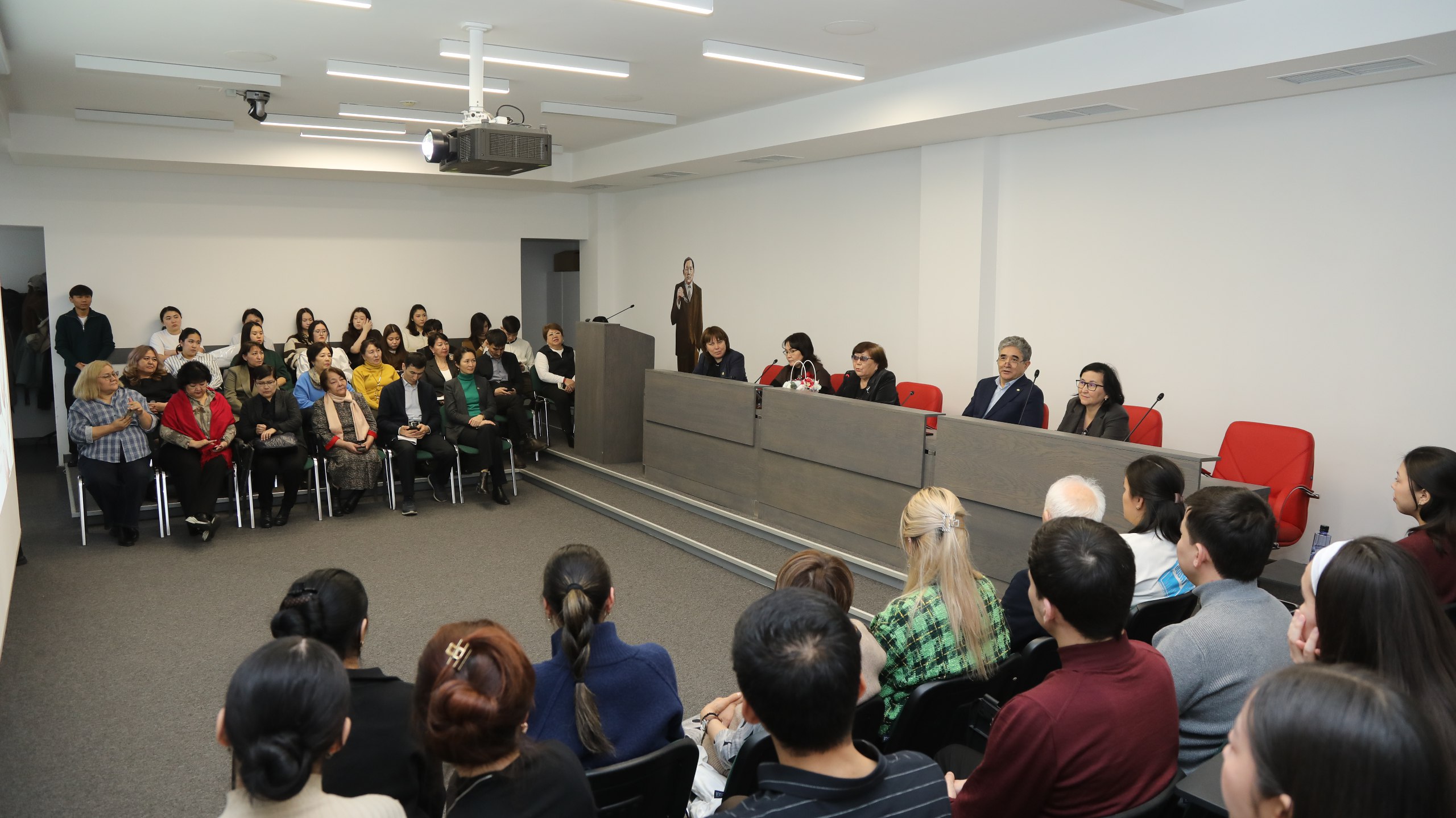
Environmental education is important
Currently, Sustainable Development Goals (SDGs) are frequently discussed in our country, and their importance is a topic of public debate. There are 17 key goals of sustainable development, with Goal 15 focusing on the conservation of terrestrial ecosystems.
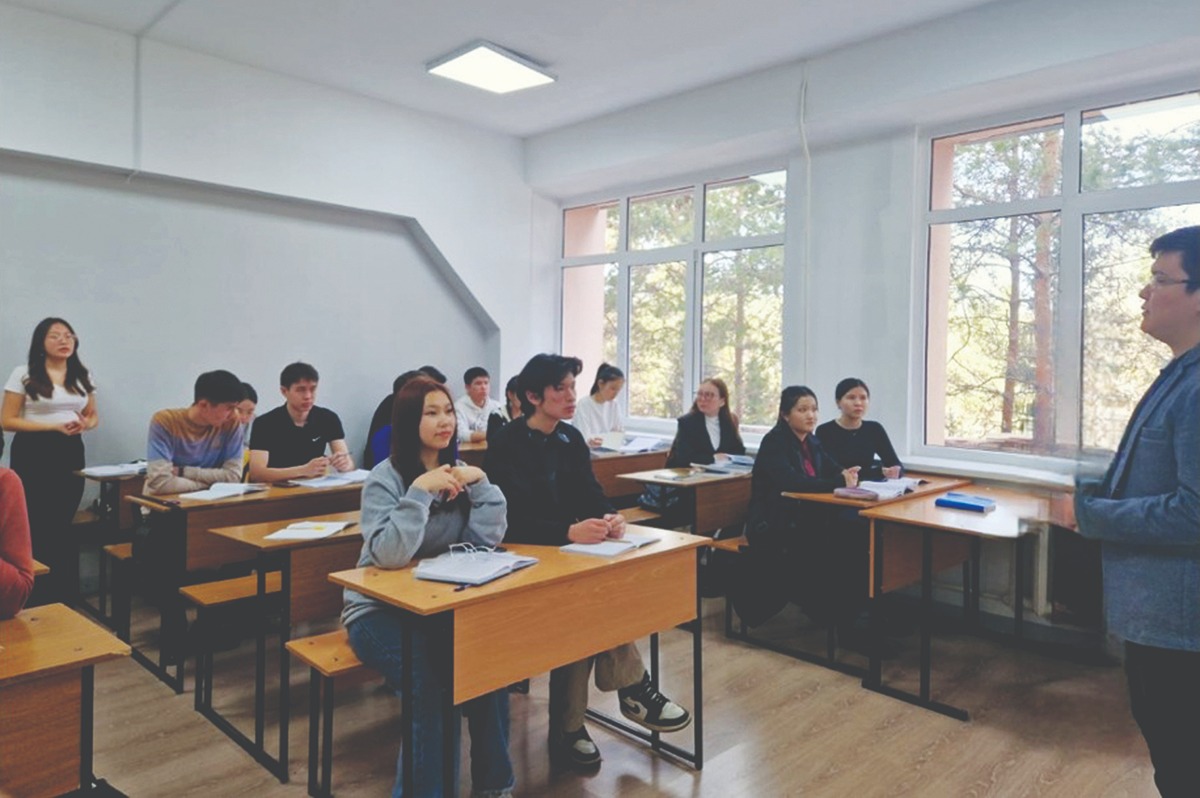
Protecting and restoring ecosystems is a major challenge. Within the framework of these sustainable development goals, a number of initiatives are being implemented. To explain the SDGs to students and promote ecological education, we organized an event titled “Conservation of Terrestrial Ecosystems” with students majoring in History. The aim of the event was to provide knowledge and raise awareness among young people about actions that can be taken to protect the environment and combat climate change.
During the event, I discussed the importance of proper environmental management, optimal use of forests, combating desertification, halting and reversing soil degradation, and collectively working to prevent the loss of biodiversity. I also emphasized the need to clean the environment of waste, recycle, reduce or eliminate the consumption of non-biodegradable materials, and, in general, minimize or entirely prevent all anthropogenic factors that harm the flora, fauna, and human life. I explained that each individual’s efforts in caring for nature and disposing of waste in designated processing sites contribute directly to achieving this goal.
In addition, students were provided with information about the chemical composition and properties of plastic containers, as well as their harmful effects on the environment and human health. It was noted that plastic containers and products do not decompose in the soil, filling land surfaces with waste and causing soil erosion, which constitutes a major ecological disaster. Therefore, students were encouraged to reduce their use of plastic and to consciously replace plastic containers with alternatives made from other materials.
The students showed great interest in the topic, asked questions, shared their opinions, and engaged in discussion. The event covered practical steps for protecting, restoring, and sustainably managing ecosystems, sustainable forest management, combating desertification, halting and reversing soil degradation, preventing biodiversity loss, reducing water and energy consumption, waste management, and promoting sustainable resource use. Many students expressed their intention to participate in future projects related to environmental protection.
Erkebulan Ozenbek
Lecturer, Department of History of Kazakhstan