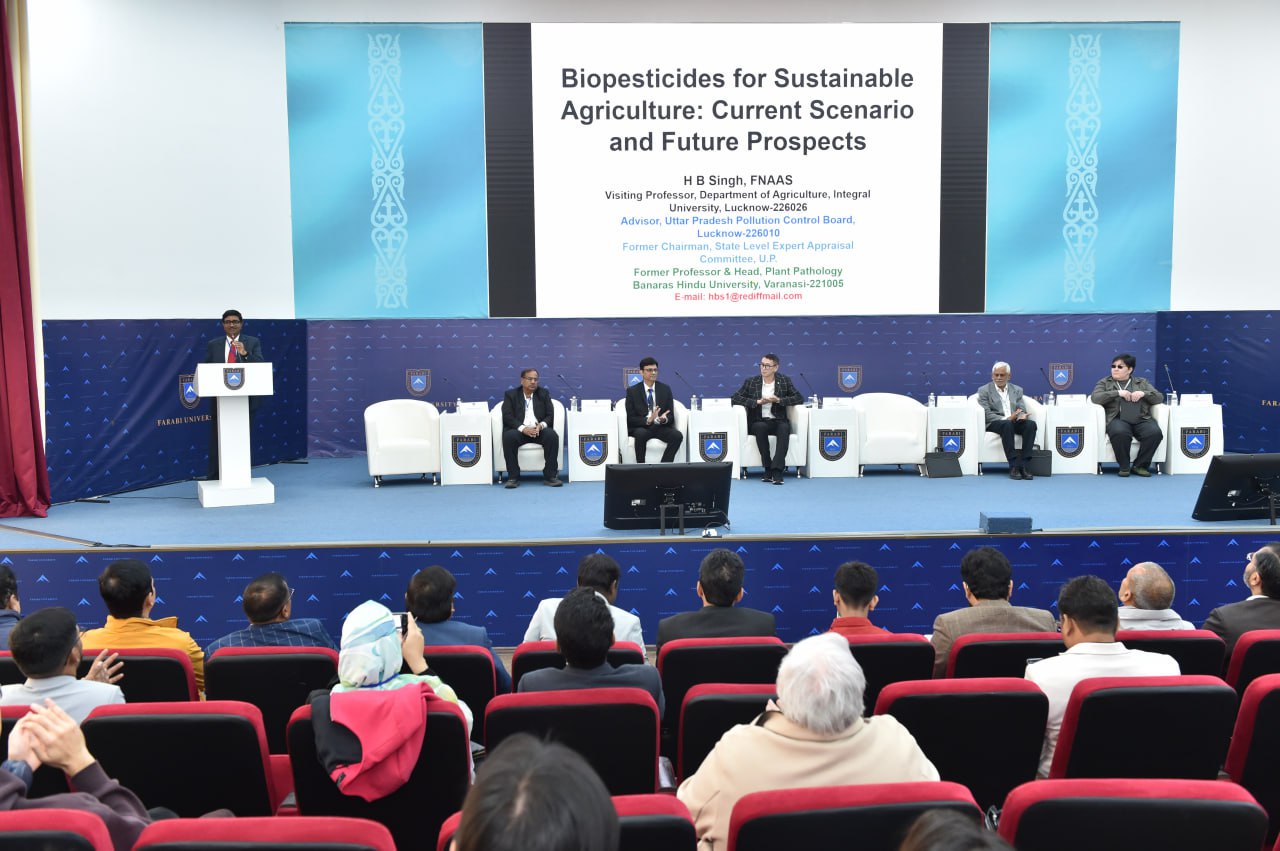
The international conference "Environmental Sustainability: Innovations, Challenges and Solutions" (ICESICS 2025) has started at the al-Farabi Kazakh National University. More than 100 scientists and experts from 15 countries took part in its work.
Margulan Ibraimov, Vice Rector for Research and Innovation at KazNU, delivered a welcoming speech at the opening. He noted that the University, being the leading scientific and educational center of Kazakhstan, actively develops international cooperation and contributes to the achievement of Sustainable Development Goals.
Special attention at the opening of the conference was attracted by the speech of the President of the Society for Environmental Sustainability (SES, India), Professor Rana Pratap Singh, who emphasized that environmental sustainability today goes beyond academic science and becomes one of the foundations of global development. He noted the importance of combining the scientific efforts of different countries and expressed gratitude to KazNU for supporting initiatives aimed at preserving the natural balance.
An important event of the forum was the signing of a memorandum of cooperation between KazNU and the Society for Environmental Sustainability (SES, India). The new agreement laid the foundation for joint scientific projects, academic exchanges and the development of innovative approaches in the field of ecology and biotechnology.
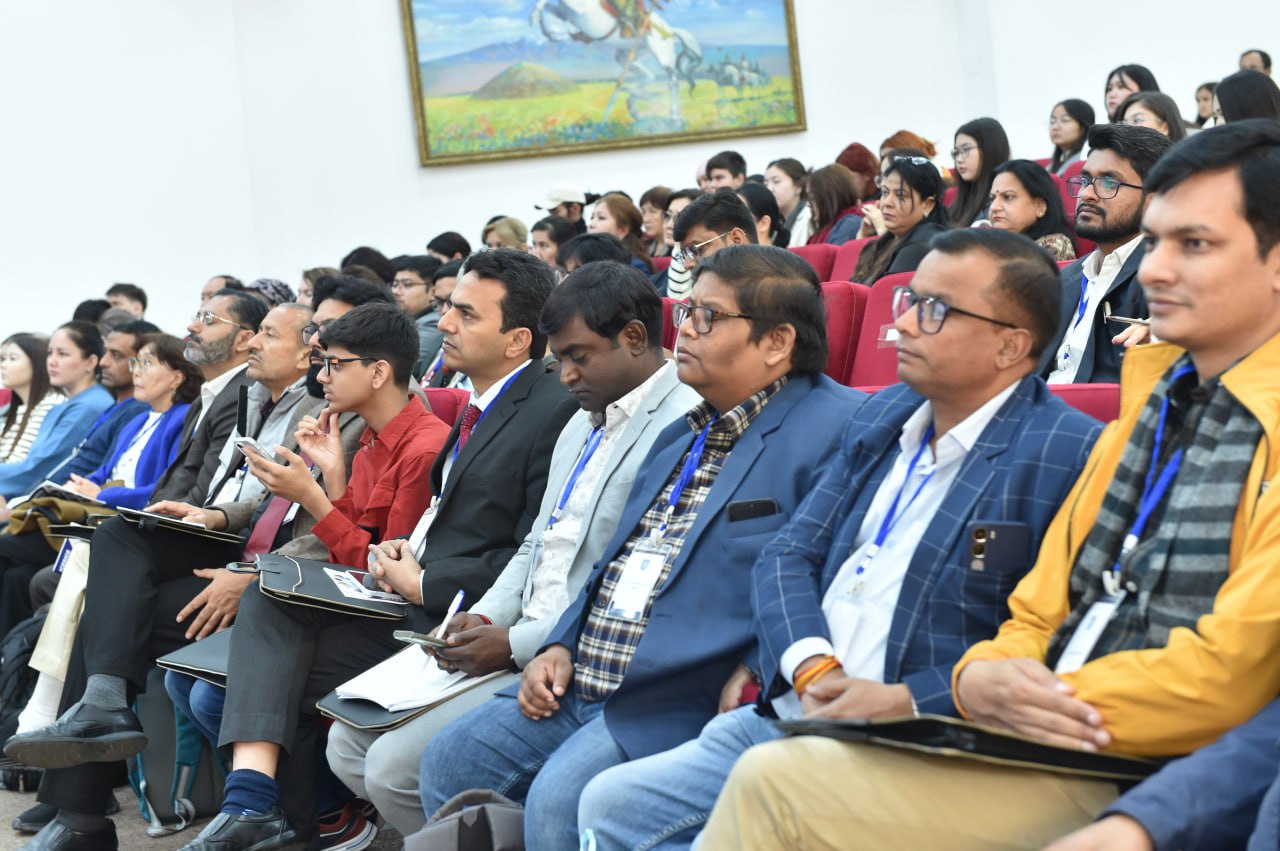
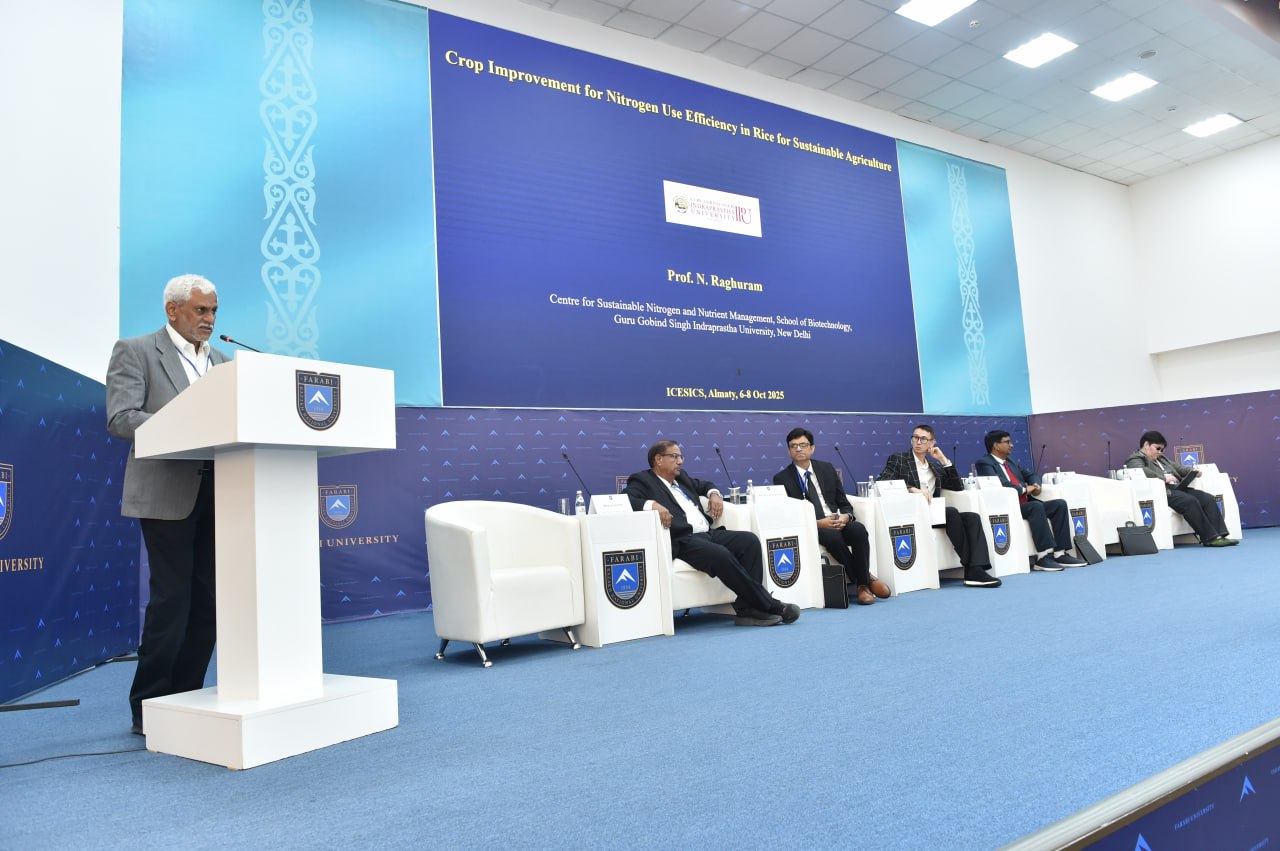
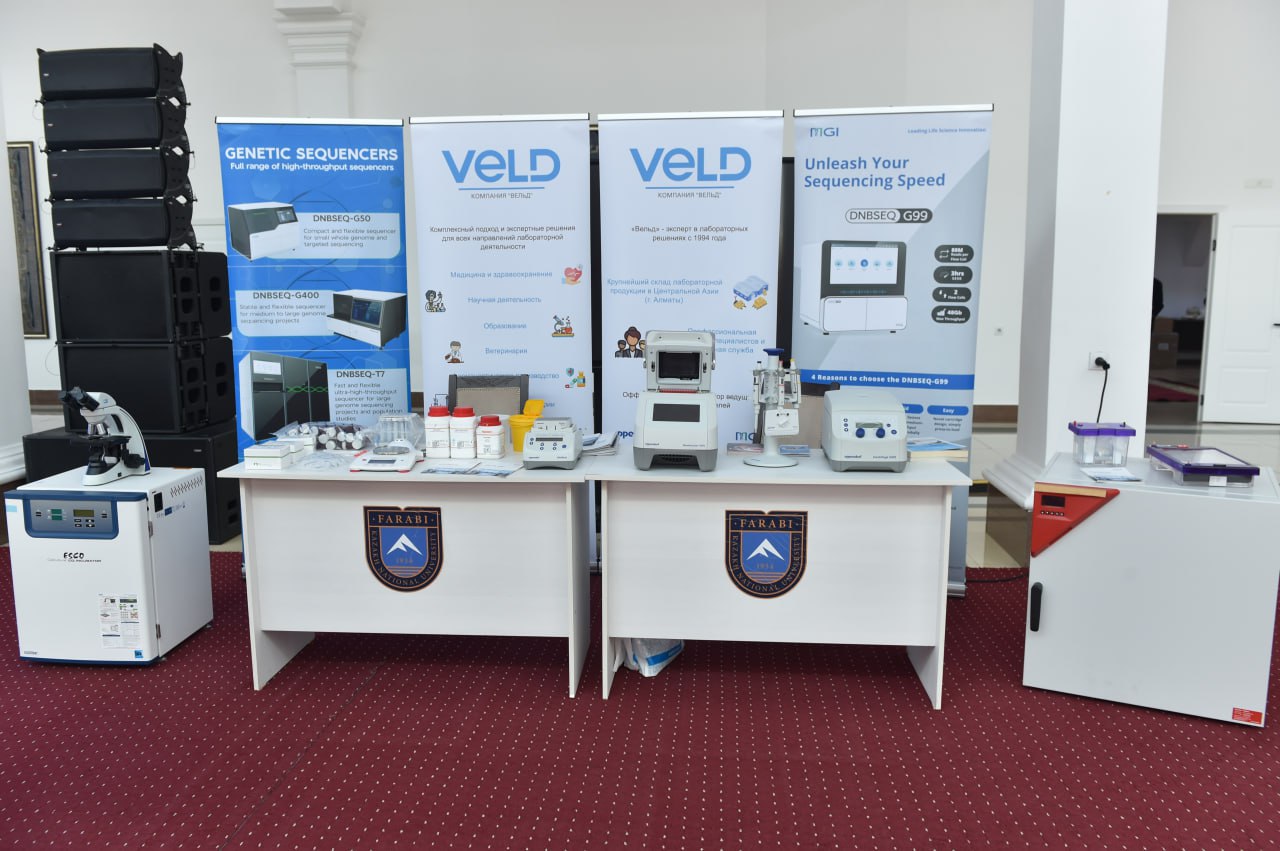
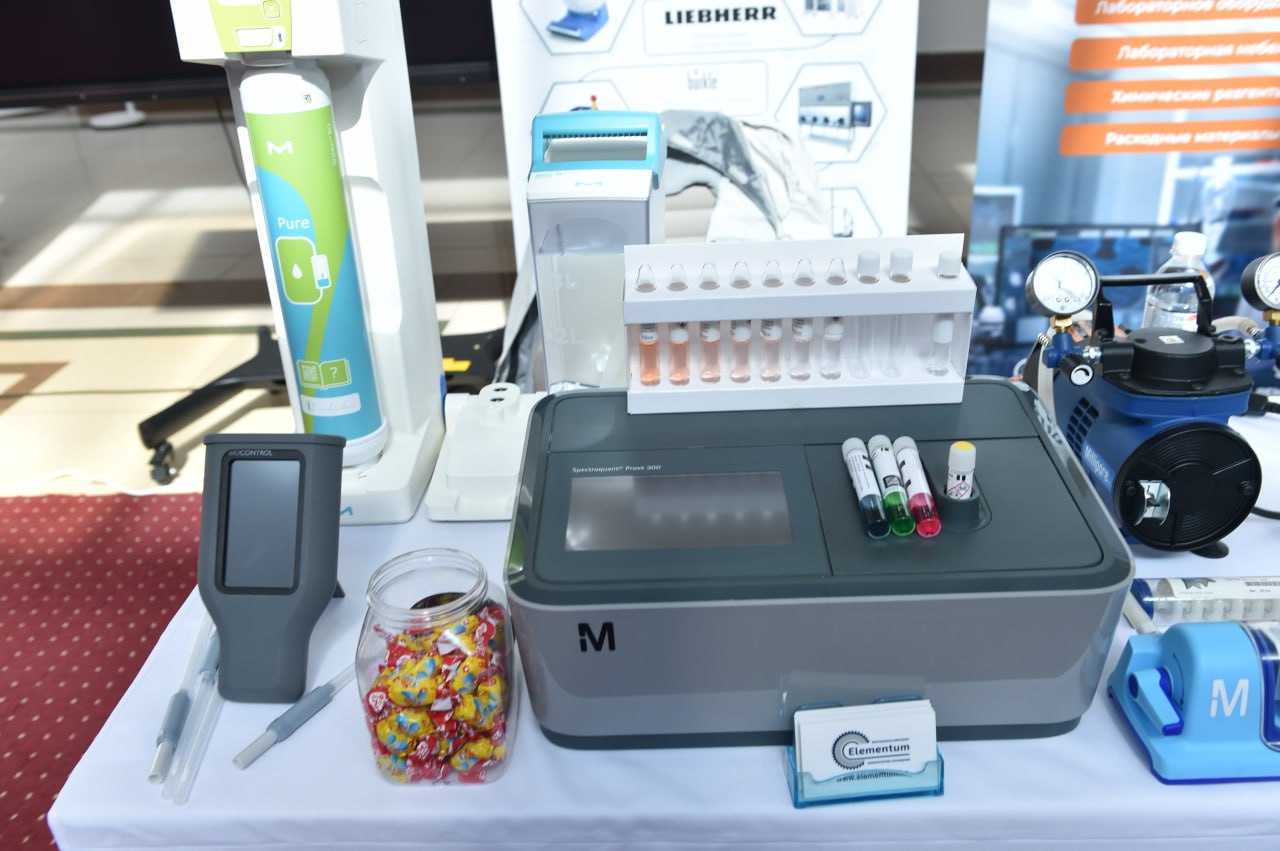
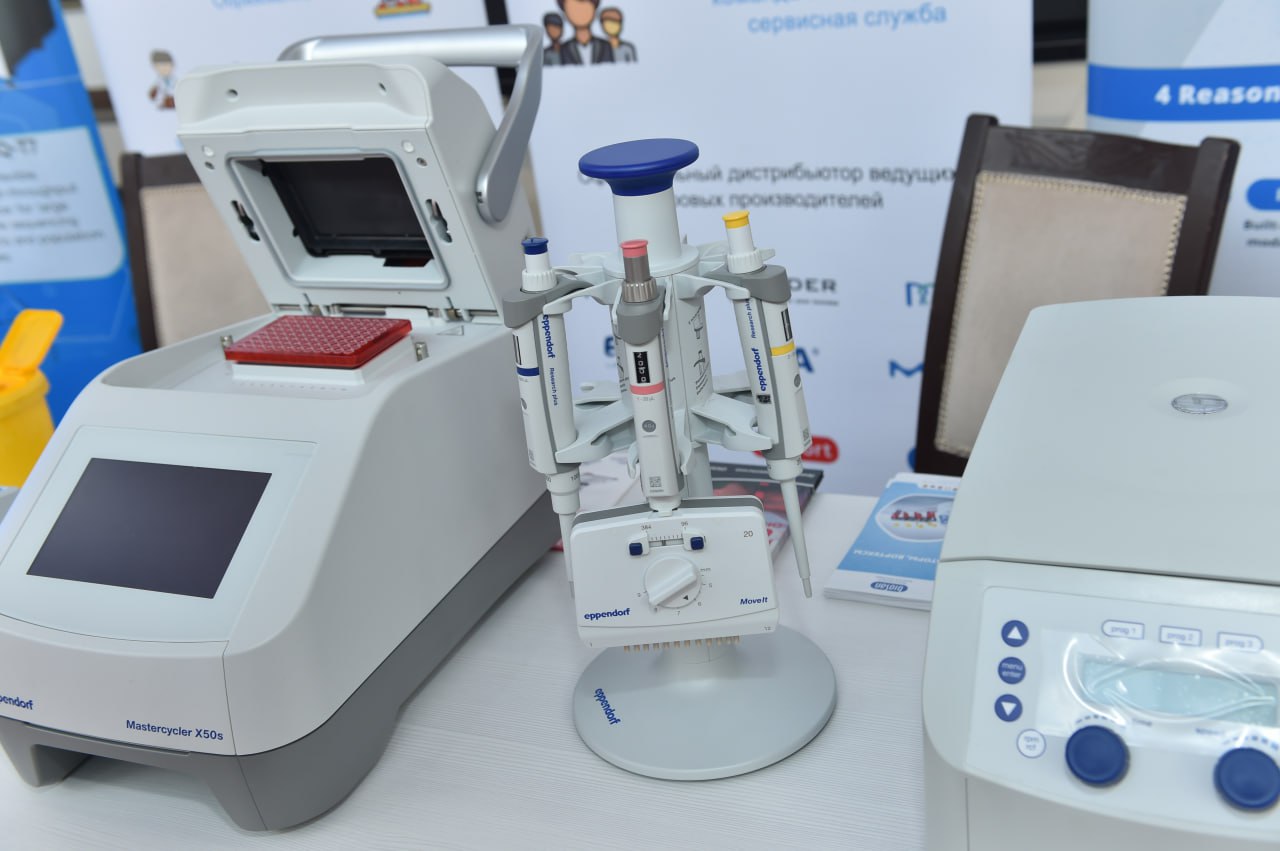
The conference program included plenary sessions, where reports, master classes, and demonstrations of modern research technologies were heard. Professor Nuraly Akimbekov presented new approaches to the use of coal and biotechnologies in ecology. Professor H.B.Singh (India) spoke about the role of biopesticides in sustainable agriculture, and Professor Nandula Raghuram shared developments aimed at increasing rice yields and nitrogen efficiency. During the plenary sessions, the research of PhD doctor, Associate Professor of the Faculty of Biology and Biotechnology of KazNU Aigerim Mamirova was also presented.
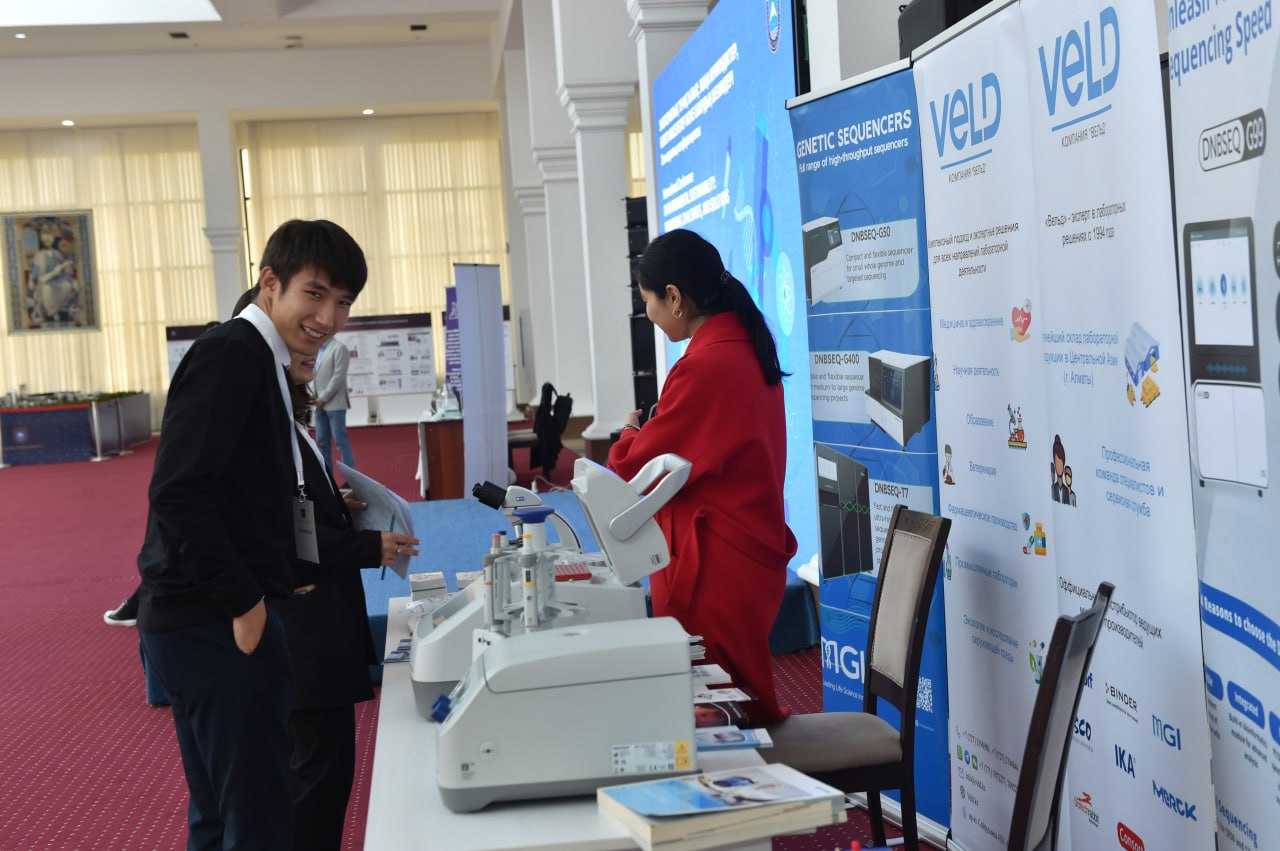
The research focuses on the role of biomass-based biochar after phytoremediation in supporting the development of the miscanthus plant in soils after mining. The participants also got acquainted with modern electron microscopy methods, heavy metal analysis, and ecological DNA technologies for monitoring biodiversity. The forum will last until October 8th.
Press-service of Al-Farabi Kazakh National University