- Main
- News
- The grand opening of the Department of Zoology, Histology and Cytology, timed to coincide with Republic Day
The grand opening of the Department of Zoology, Histology and Cytology, timed to coincide with Republic Day
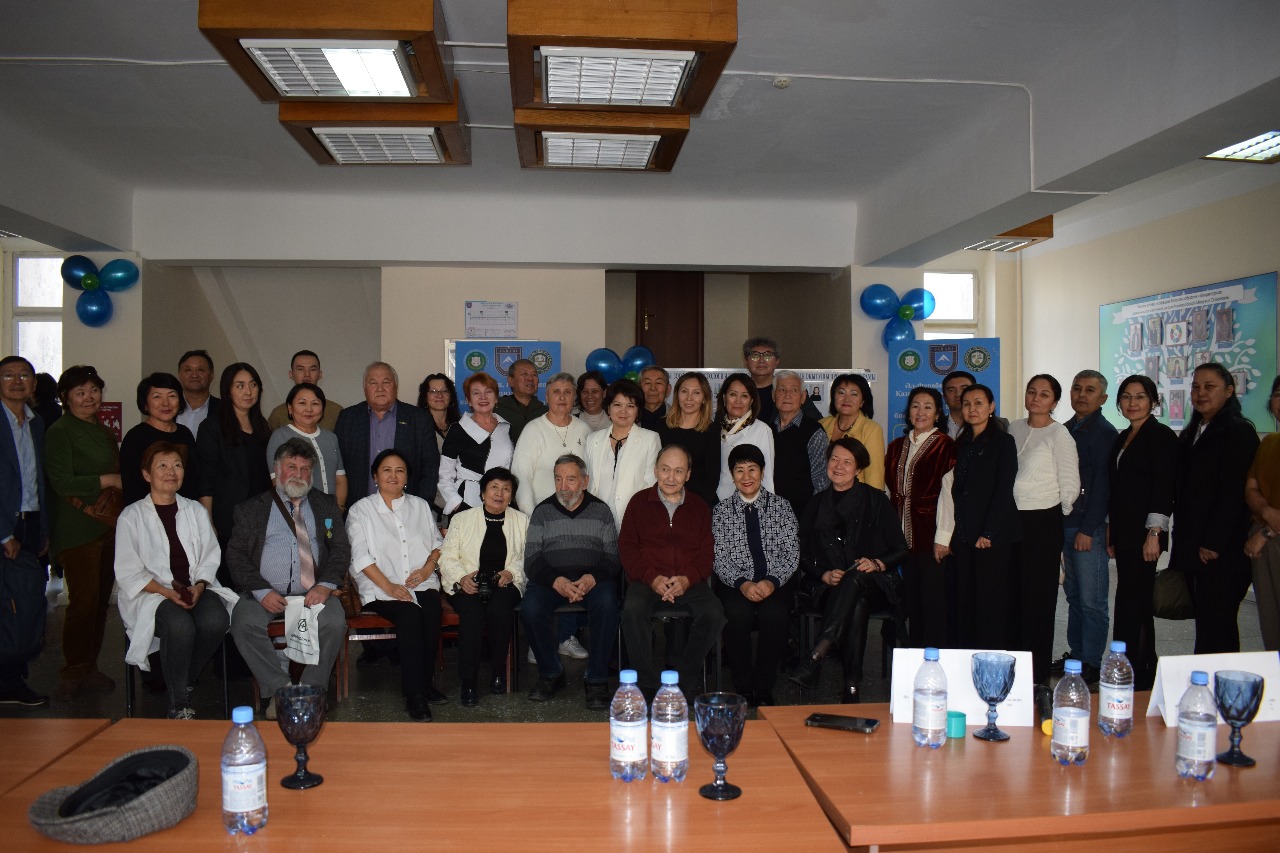
On October 23, 2025, the Faculty of Biology and Biotechnology celebrated the grand opening of the new Department of Zoology, Histology, and Cytology, timed to coincide with Republic Day.
The department was officially founded on September 1, 2025, by order of the university's Rector, Zh.K. Tuymebaev, and was the result of the reorganization of the Department of Biodiversity and Bioresources. Its creation was dictated by the need to strengthen the training of specialists in zoology and related disciplines.
The new structure builds on a rich academic tradition: the first Department of Zoology was organized on January 23, 1934, and over the course of 90 years, it has repeatedly updated its structure and training areas. In 2011, it was merged with the Department of Botany, forming the Department of Biodiversity and Bioresources, which for 14 years was one of the largest in the faculty. However, the country's growing need for highly qualified zoologists and the proactive position of the scientific community led to the decision to reestablish an independent department. The initiative was supported by the Institute of Zoology staff, faculty, graduates, and representatives of the research and production sector.
The opening of the department took place in a festive atmosphere. Vice-Rector for Academic Affairs Alina Kulbaevna Galeeva delivered a welcoming speech, emphasizing the high importance of developing zoology, histology, and cytology as scientific fields.
The dean of the faculty noted the continuity of the scientific school and expressed confidence that the new department will become one of the university's centers of scientific innovation. Today, undergraduate, graduate, and doctoral students are successfully studying here, and the department's staff possesses significant scientific potential.
The event was attended by department veterans, graduates from various years, university staff, students, and representatives of scientific organizations. Among the distinguished guests were:
• Nurlan Erkebulanovich Smagulov, a 1990 graduate, entrepreneur, and philanthropist;
• Kazym Makhambetovich Dzhumaliev, a department graduate and president of the Republican Hunters' Association "Tabigat";
• Adam Adambekovich Kapanov, a graduate and entrepreneur;
• Roza Minaydarovna Salina, a department veteran and author of a chronicle of its history;
• Representatives of the Institute of Zoology, including Deputy Director Marina Aleksandrovna Chirikova, laboratory heads, and research staff.
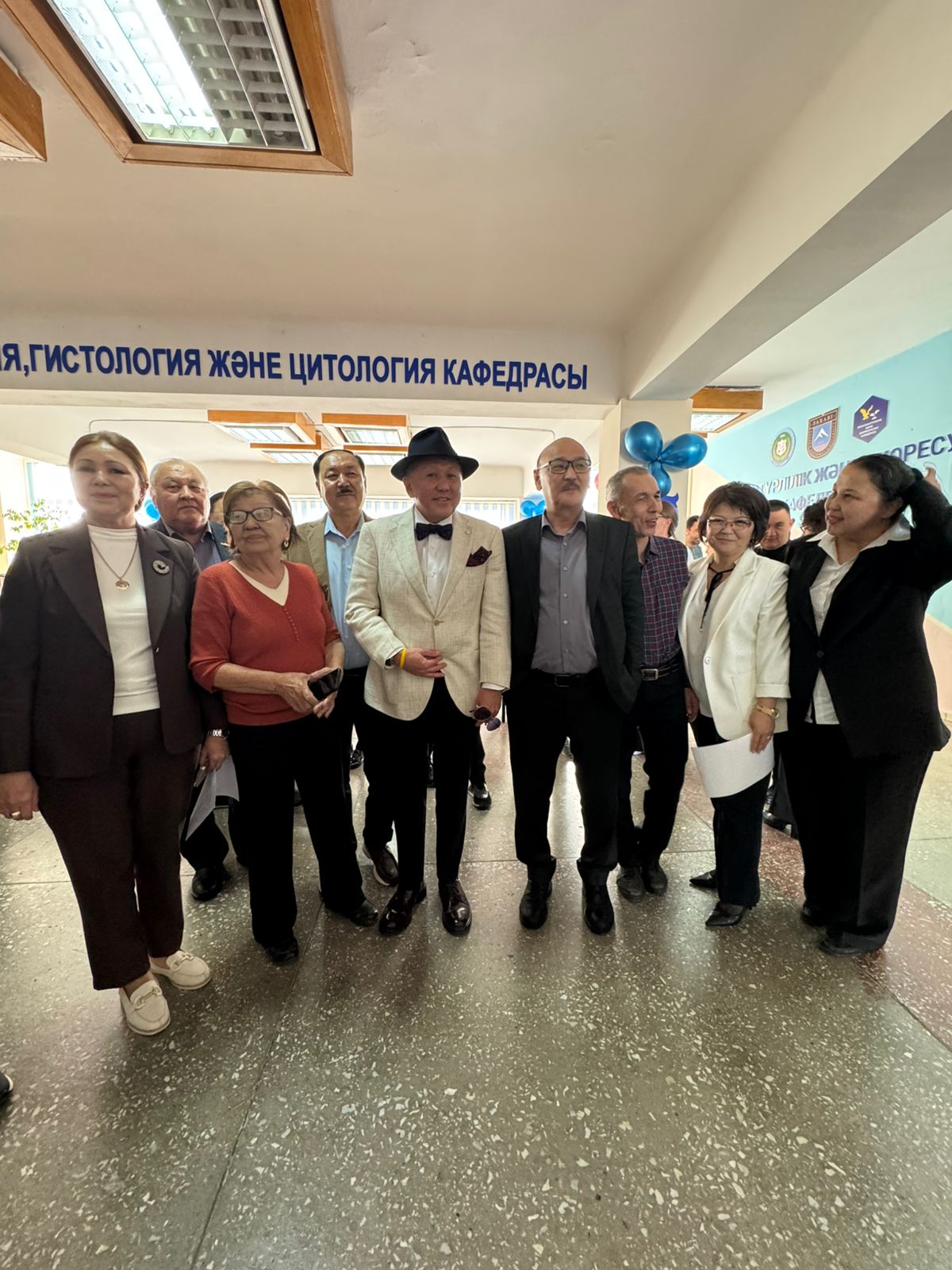
The guests noted the importance of the department's revival and wished the staff success in achieving their scientific and educational goals.
Mission and Strategic Directions
The modern Department of Zoology, Histology, and Cytology is focused on implementing key scientific and educational objectives that fully align with the UN Sustainable Development Goals (SDGs):
• Study and conservation of Kazakhstan's faunal biodiversity—a contribution to SDGs 14 (Life Under Water) and 15 (Life On Land);
• Preventing the extinction of rare and vulnerable species, which supports the implementation of SDG 15.5 on biodiversity loss;
• Developing fundamental and applied research in zoology, histology, and cell biology, focused on the sustainable development of science—a contribution to SDG 9 (Industry, Innovation, and Infrastructure);
• Training highly qualified specialists for scientific organizations, environmental agencies, and manufacturing industries, consistent with SDG 4 (Quality Education);
• Participation in addressing environmental issues and developing scientific recommendations for government agencies and environmental services—supporting SDG 13 (Climate Action).
The department strives to become a leading scientific and educational center, combining the traditions of Kazakhstan's zoological school with modern approaches to the study of the animal world, cellular structures, and biological systems, contributing to the global sustainable development agenda.
Other news