Workshop on Sequencing methods for disease detection
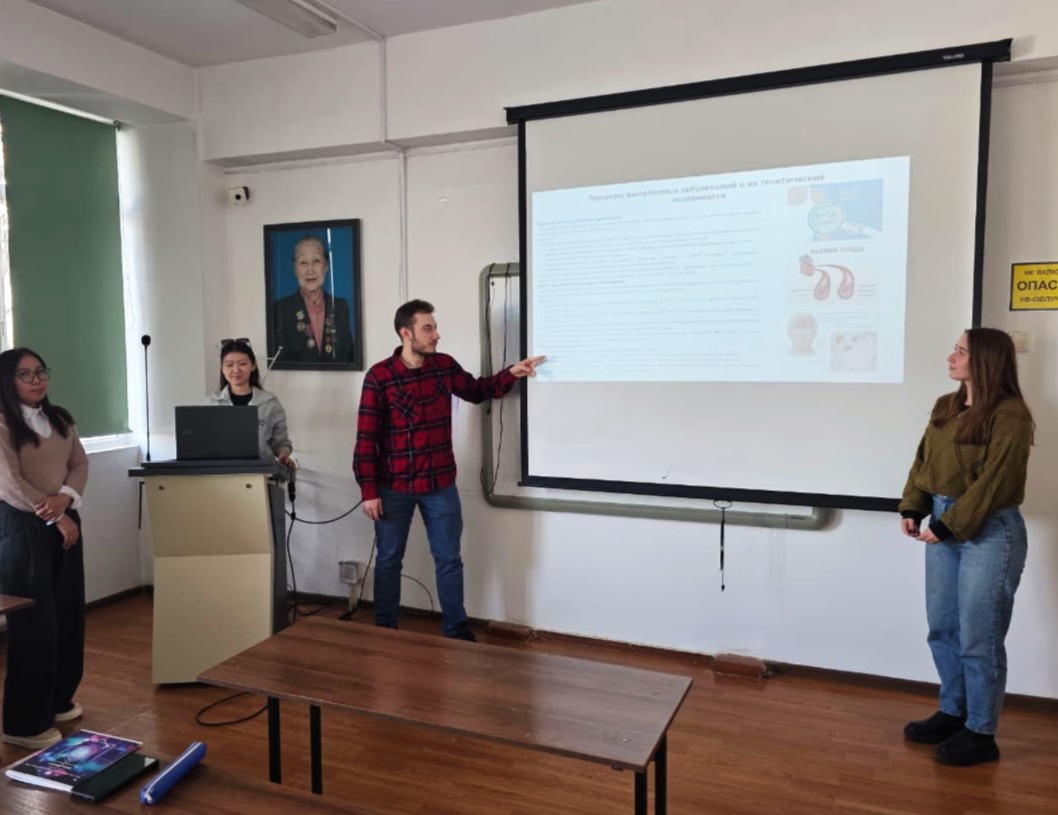
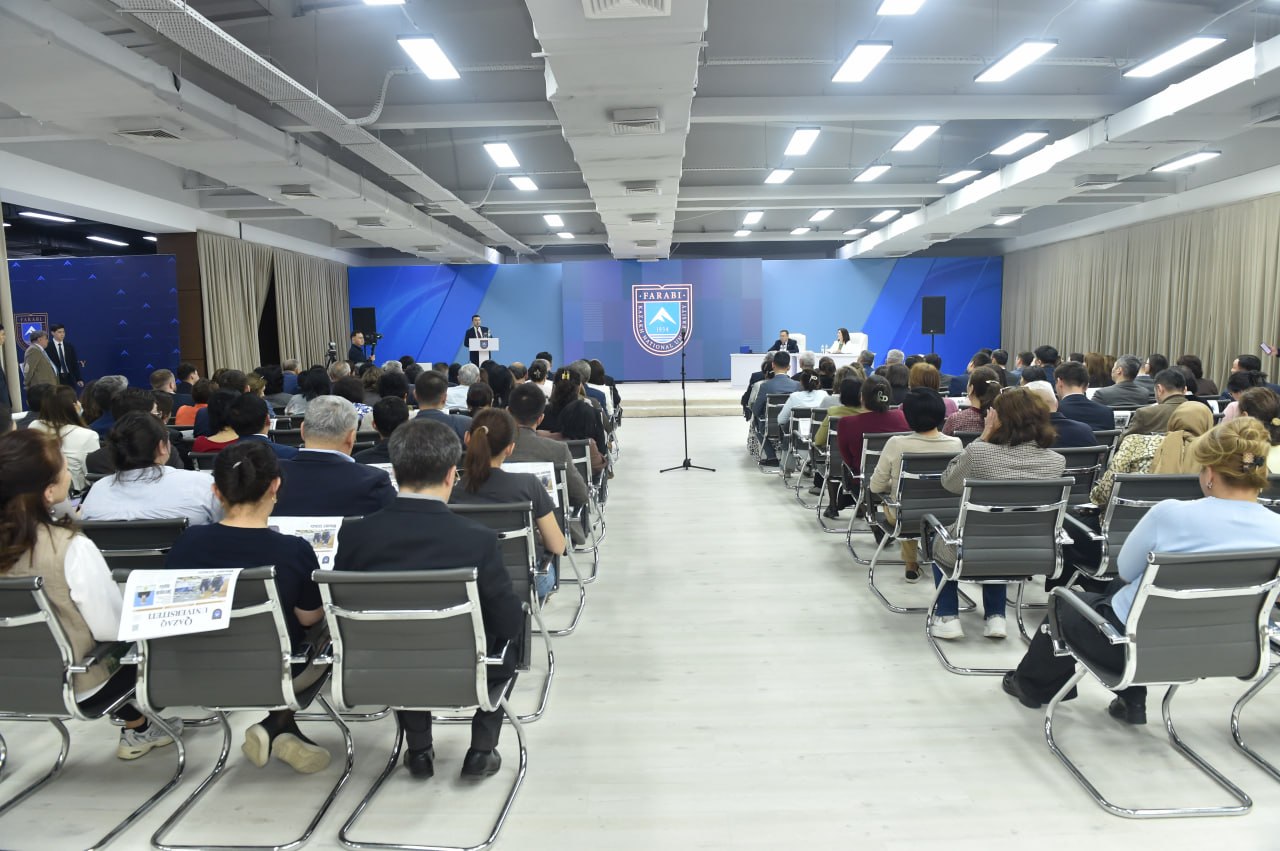
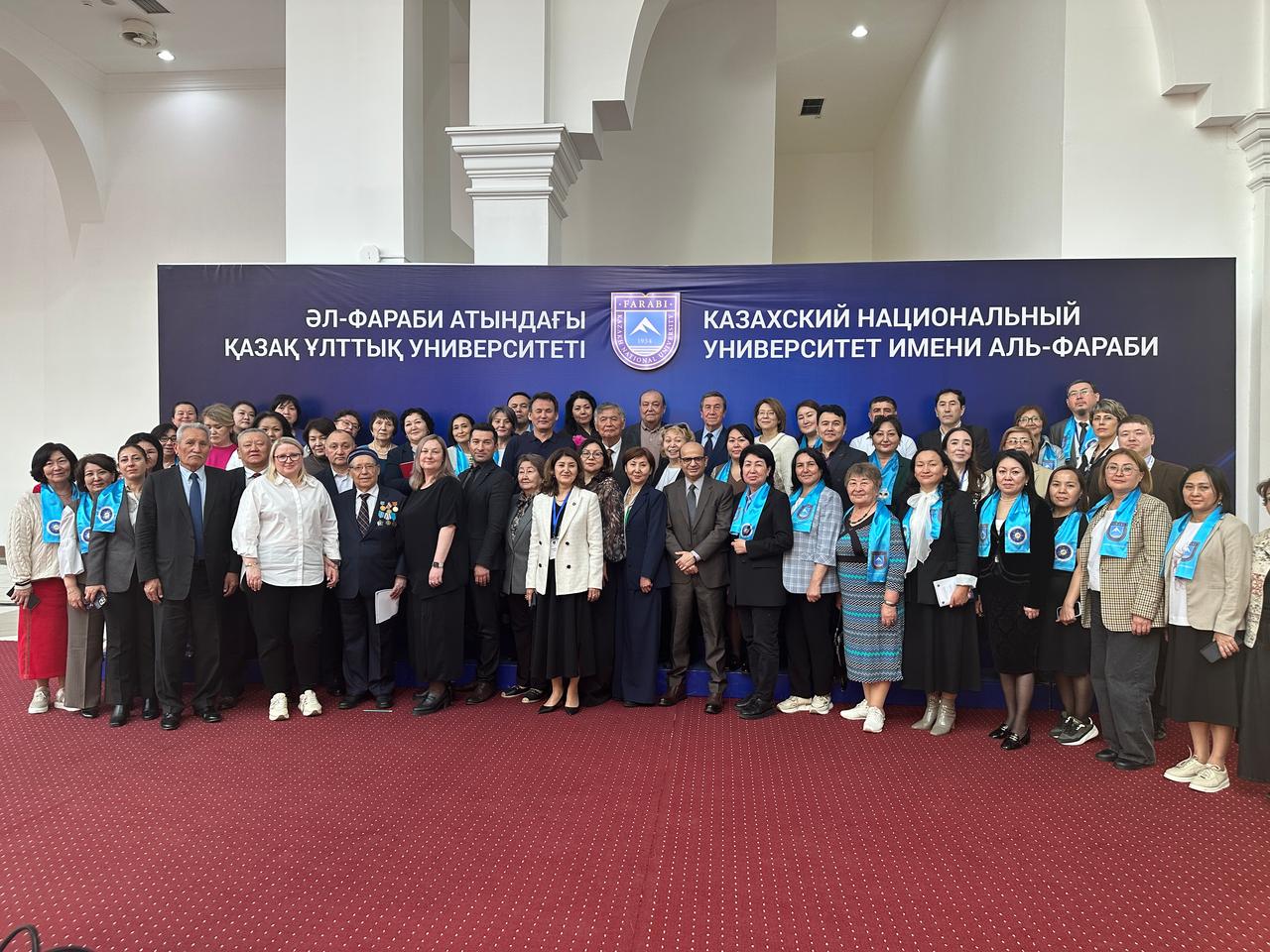
As part of SDG 3: Good Health and Well-Being, a workshop was organized by students and senior lecturer A.A. Meldebekova, focusing on the role of sequencing methods in disease detection. The session highlighted the progress in modern testing platforms and their impact on diagnostics and public health.
Participants compared classical sequencing techniques with next-generation sequencing (NGS) approaches. The discussion covered key advantages of classical methods – high accuracy and suitability for targeted analyses – as well as their limitations in scalability and throughput. In contrast, NGS technologies were recognized for enabling massive parallel sequencing, broad pathogen detection, and comprehensive genomic insights, while also presenting challenges such as higher costs, complex data analysis, and the need for specialized equipment.
Real-world examples of how both approaches are currently applied in clinical diagnostics and outbreak surveillance were reviewed, illustrating their complementary roles in identifying pathogens and guiding treatment decisions.
The workshop helped students deepen their understanding of modern sequencing strategies and their importance in advancing disease detection and strengthening global health.