
SDG 4: Youth Suicide Prevention: Causes and Solutions
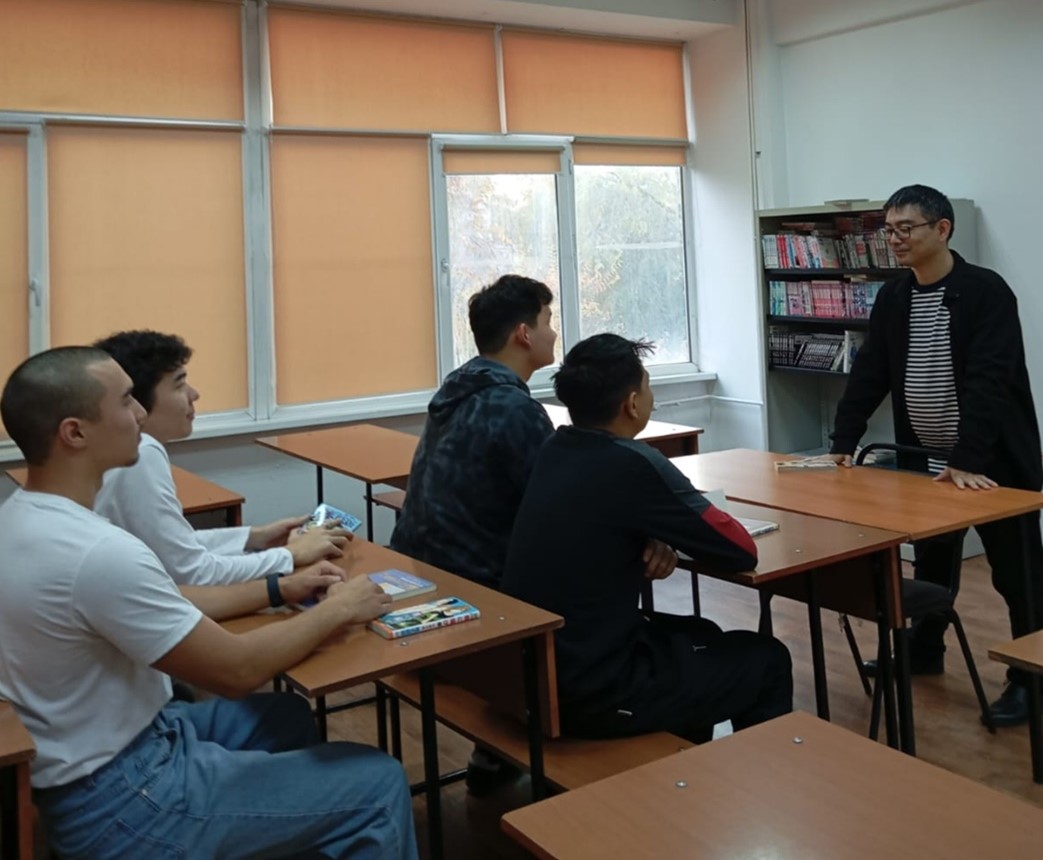
Our university hosted an informative lecture on «Youth Suicide Prevention: Causes and Solutions». The purpose of the event was to analyze the causes of psychological issues commonly faced by young people, discuss preventive measures, and promote a culture of mental health awareness in society.
During the lecture, the social and cultural aspects of youth suicide in Japan and Kazakhstan were extensively discussed. The speaker presented a comparative analysis of the situation in both countries, highlighting the main causes and potential solutions.
According to Japanese statistics, suicide is the leading cause of death among people aged 15 to 39, particularly among those aged 20–30. Major contributing factors include academic and employment pressures, economic difficulties, social isolation, and dependence on social media. Additionally, societal norms in Japan, such as «not disturbing others» and the «culture of shame», make it difficult for young people to seek help, leading to psychological isolation.
In Kazakhstan, the main causes of youth suicide include family conflicts, social and academic pressures, economic difficulties, and insufficient psychological support systems. Although hotlines and psychological centers have been established by government and non-governmental organizations in recent years, negative attitudes toward seeking psychological help—perceived as a sign of weakness—still persist in society.
The comparative analysis revealed that, despite differences in culture and social structures, the main common issue is youth loneliness and hesitation to seek help. While Japan has implemented comprehensive state programs, Kazakhstan faces challenges such as regional disparities and a shortage of specialists.
The lecture proposed several important recommendations for youth suicide prevention: implementing mental health programs in schools and universities, increasing access to counseling services, strengthening communication between families and educational institutions, using digital technologies for early risk detection, and eliminating stigma related to seeking psychological help.
In conclusion, the lecture emphasized that youth suicide is not only linked to economic issues but also to social and psychological isolation. Therefore, its prevention requires societal changes based on mutual support, understanding, and a culture of mental health awareness.
Other news