- Main
- News
- Enhancing Deans’ Strategic Management Competencies: The Experience of Al-Farabi Kazakh National University
Enhancing Deans’ Strategic Management Competencies: The Experience of Al-Farabi Kazakh National University
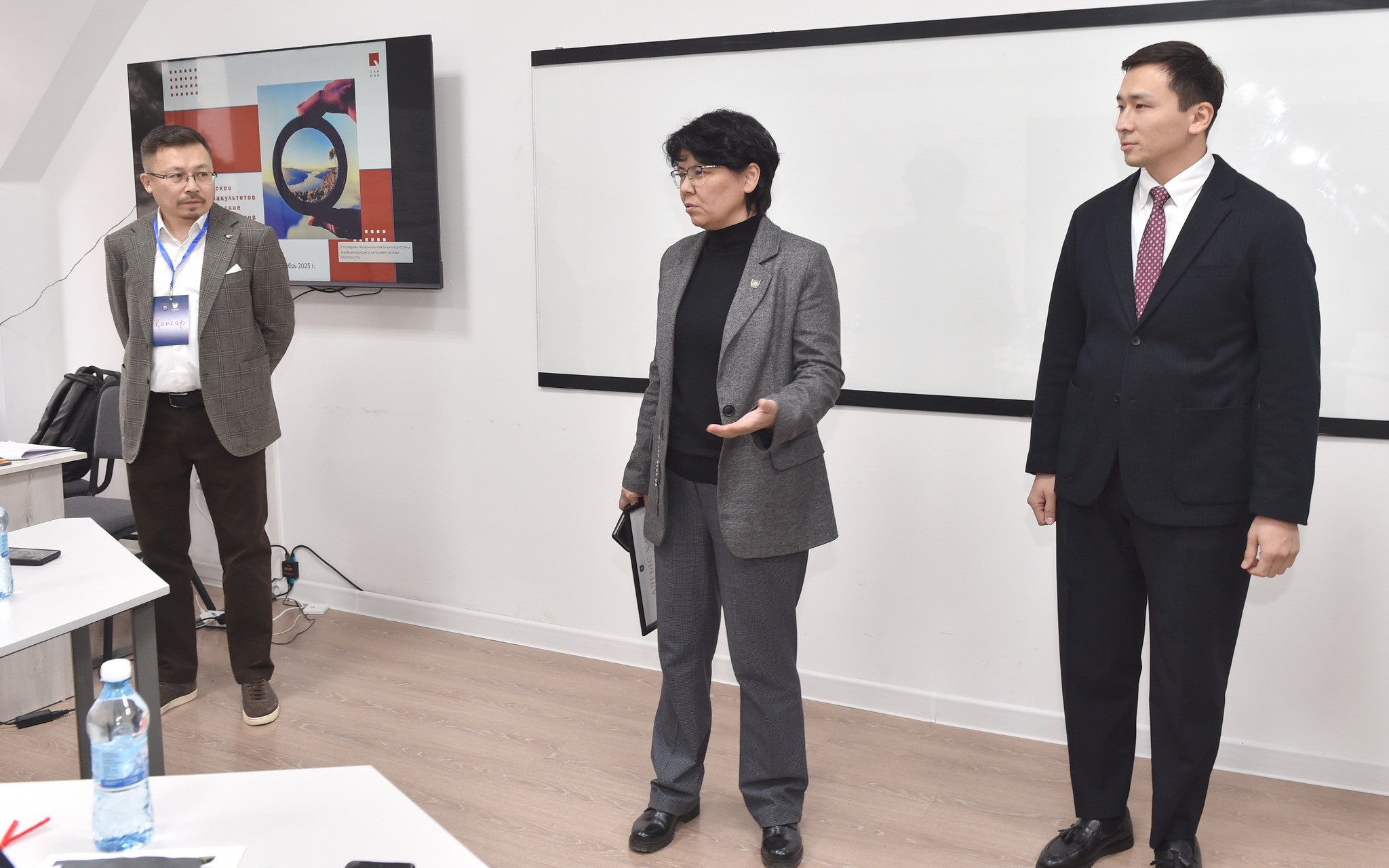
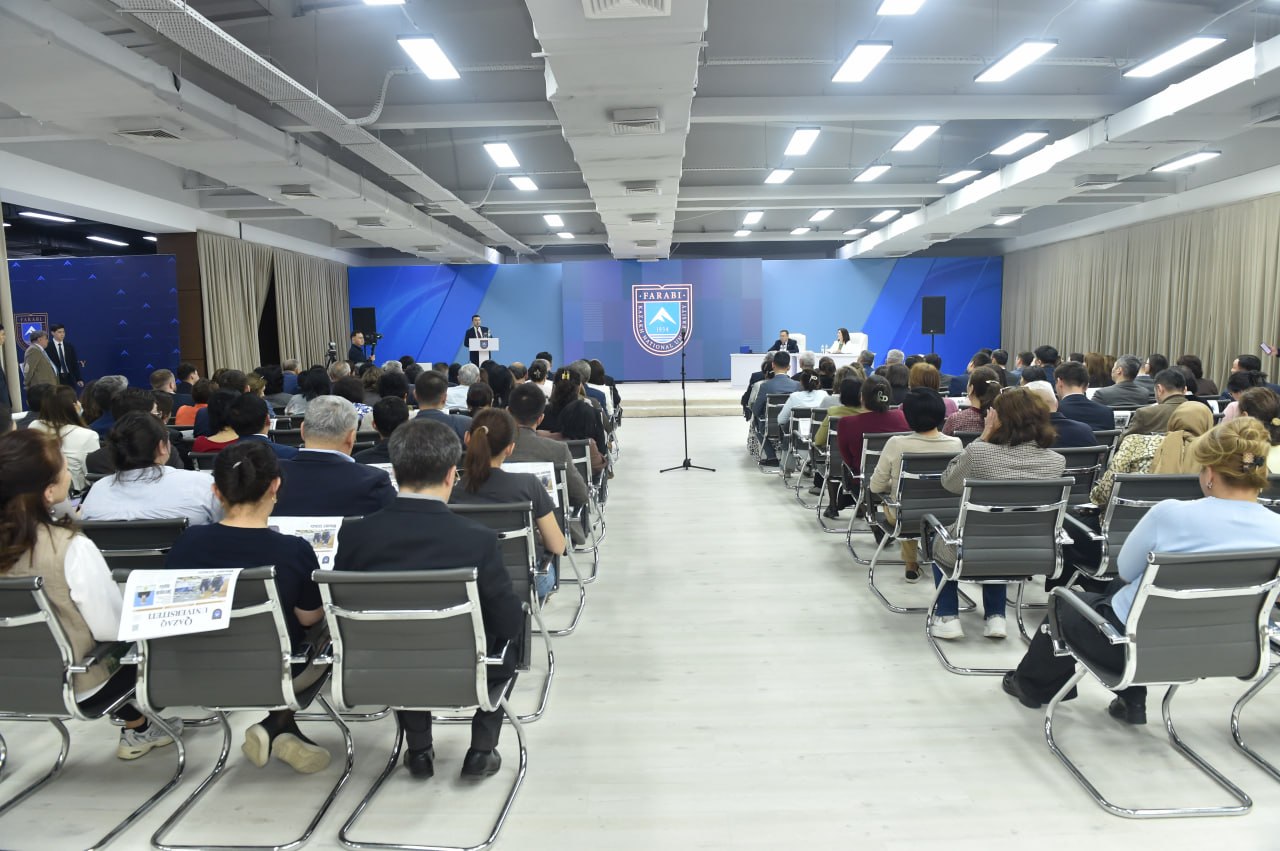
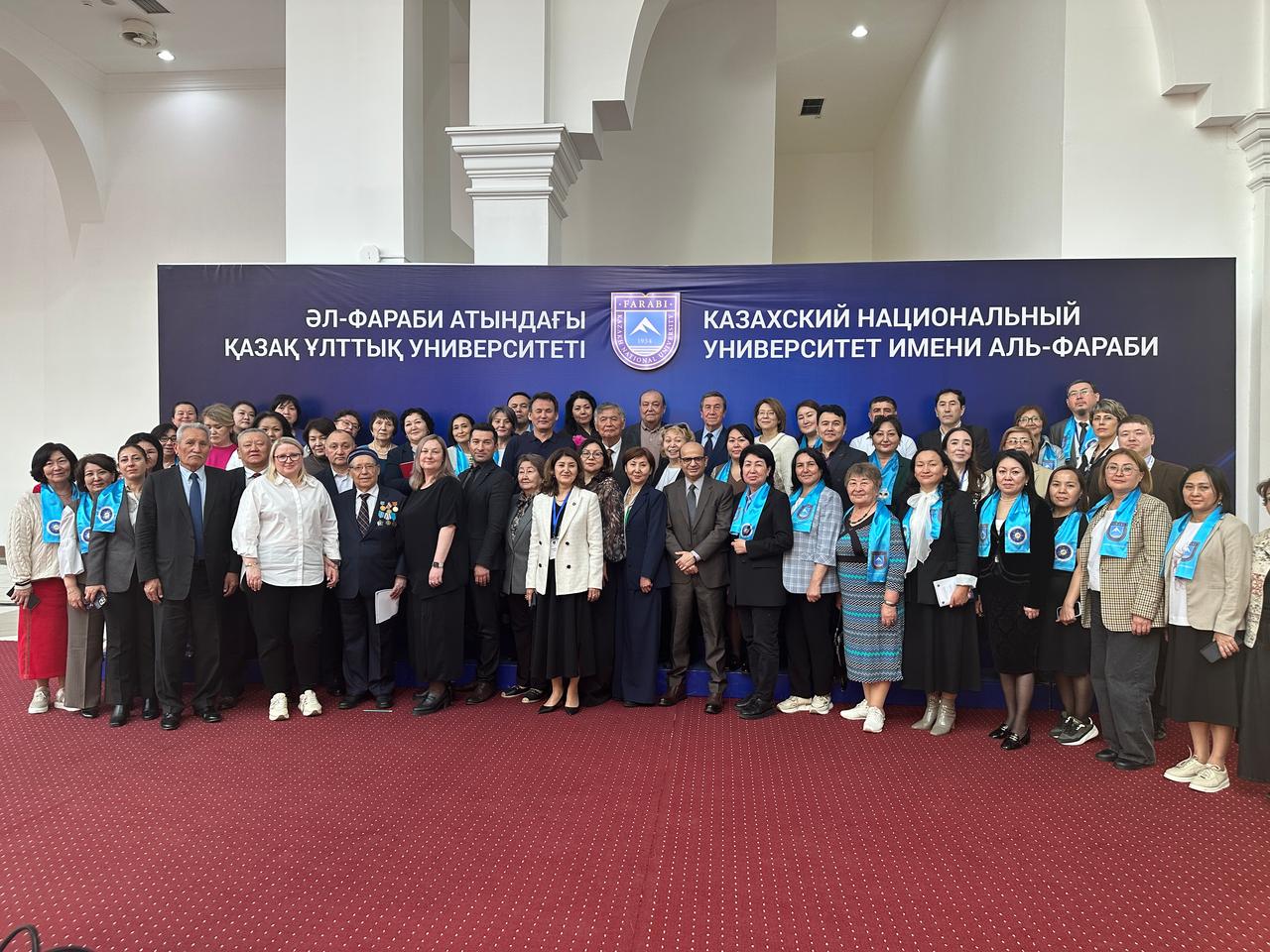
On 3 December 2025, the second day of the large-scale training programme on strategic management for deans continued at Al-Farabi Kazakh National University. Along with the leadership of various faculties of the university, the Dean of the Faculty of Biology and Biotechnology, Meryuert Sakenovna Kurmanbayeva, also took part in the programme.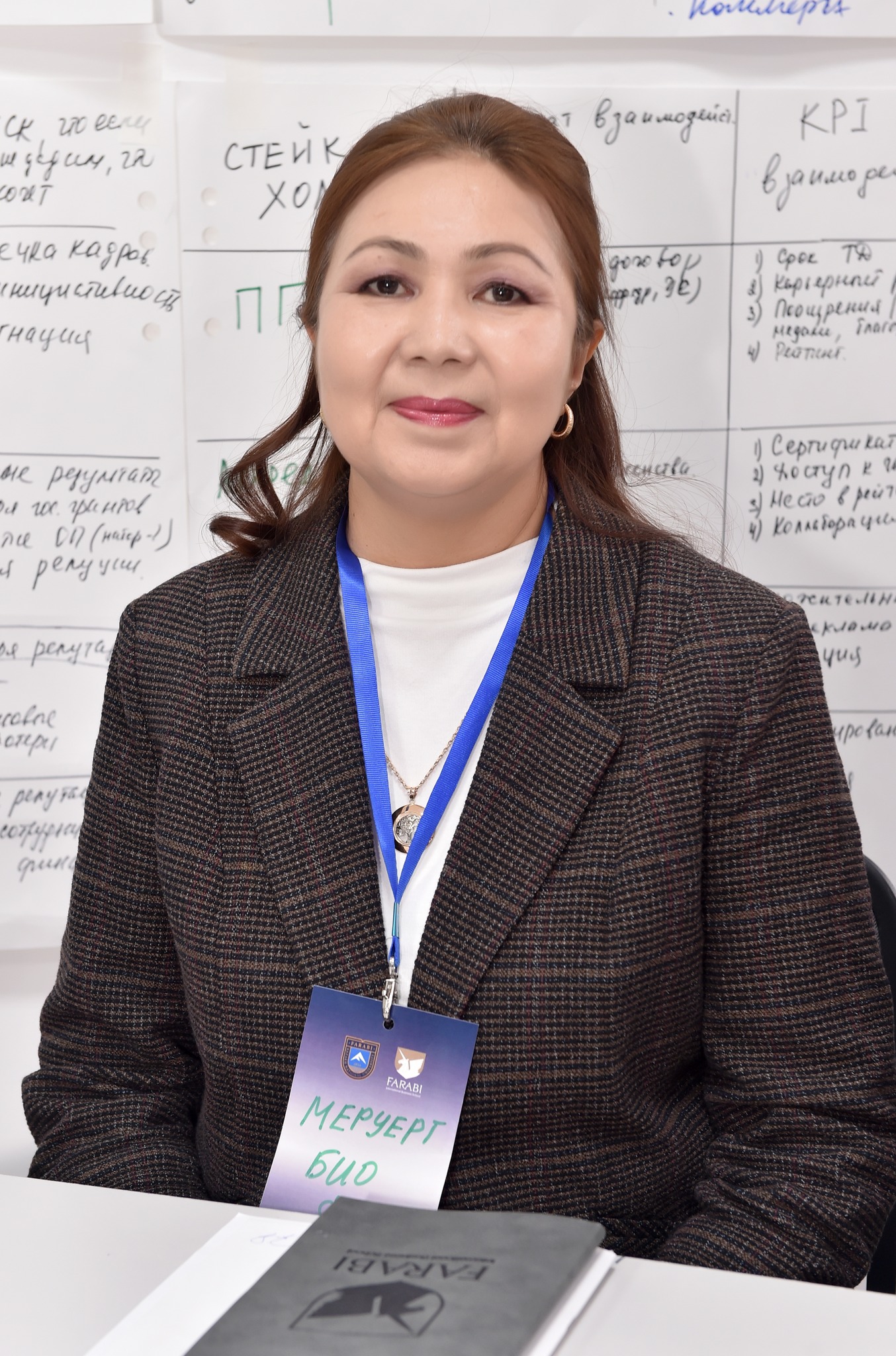
Before the start of the training, an experienced expert in management and strategy, well-known business trainer Qaisar Makan, conducted a series of energising exercises for the participants, helping them to focus their attention and increase their engagement. The event was also attended by the University’s Vice-Rector for Academic Affairs, Alina Qulbaikyzy, and the Director of the Business School, Zharaskhan Sariyev, who underlined the importance of the programme.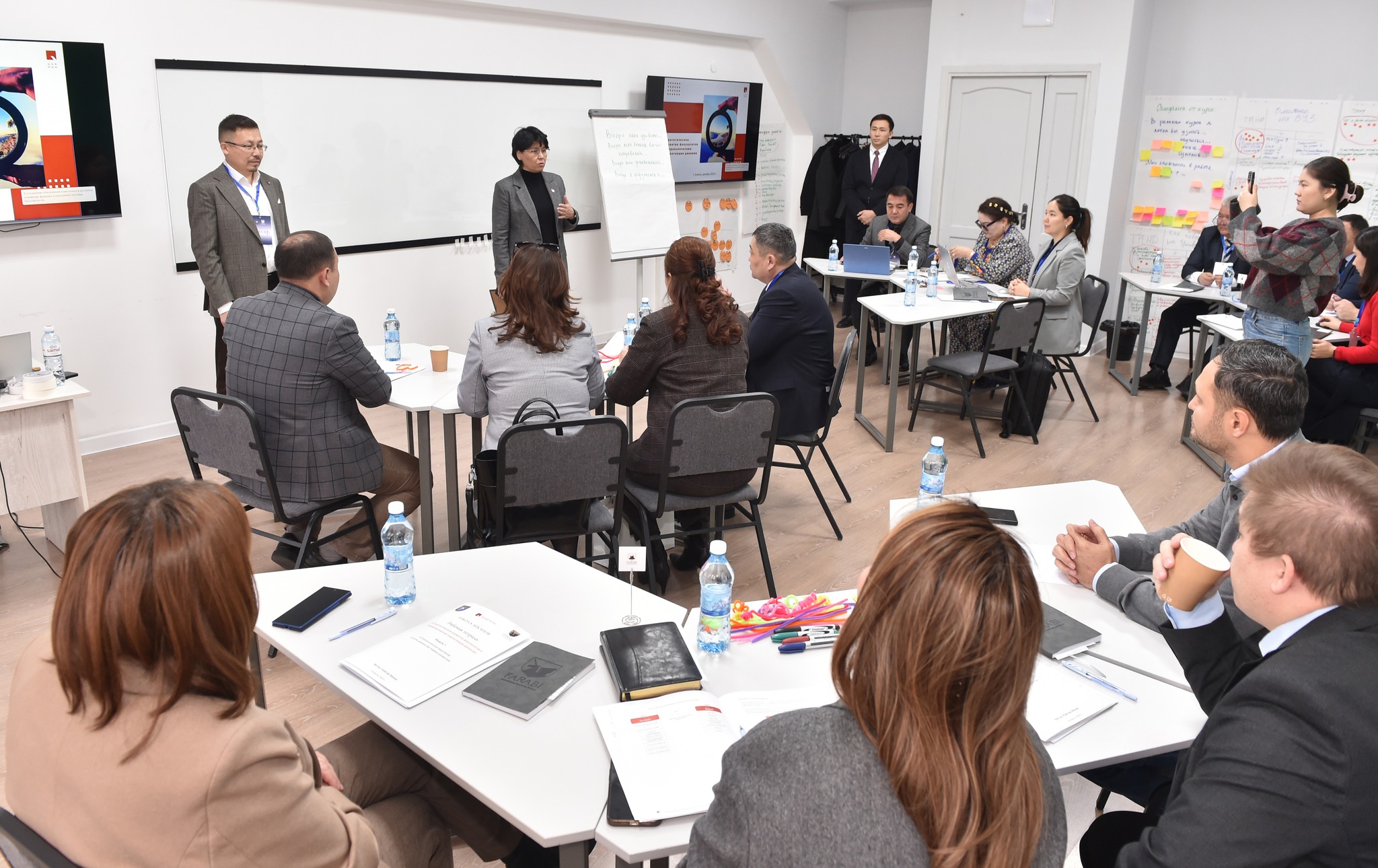
During the training, Mr Qaisar Makan invited the participants to reflect on the following questions:
-
What surprised me yesterday?
-
What was my favourite moment of yesterday?
-
What do I remember most clearly from yesterday?
-
What made me think deeply yesterday?
Deans and members of the four teams took turns answering these questions, openly sharing their impressions and reflections. The responses were characterised by depth of content and a systematic approach to analysis. Mr Makan expressed his satisfaction with the high level of participant engagement and provided professional commentary on each contribution.
The Dean of the Faculty of Biology and Biotechnology, Meruyert Sakenovna Kurmanbayeva, took an especially active part in the discussions and gave comprehensive answers to the questions raised. In her remarks, she emphasised the importance of developing strategic management competencies, setting long-term goals at the faculty level and ensuring their consistent implementation. Meruert Sakenovna noted that this training serves as a particularly useful platform for exchanging experience, mastering new management approaches and refining the faculty’s development strategy, and stressed the need for such programmes to be held on a regular basis.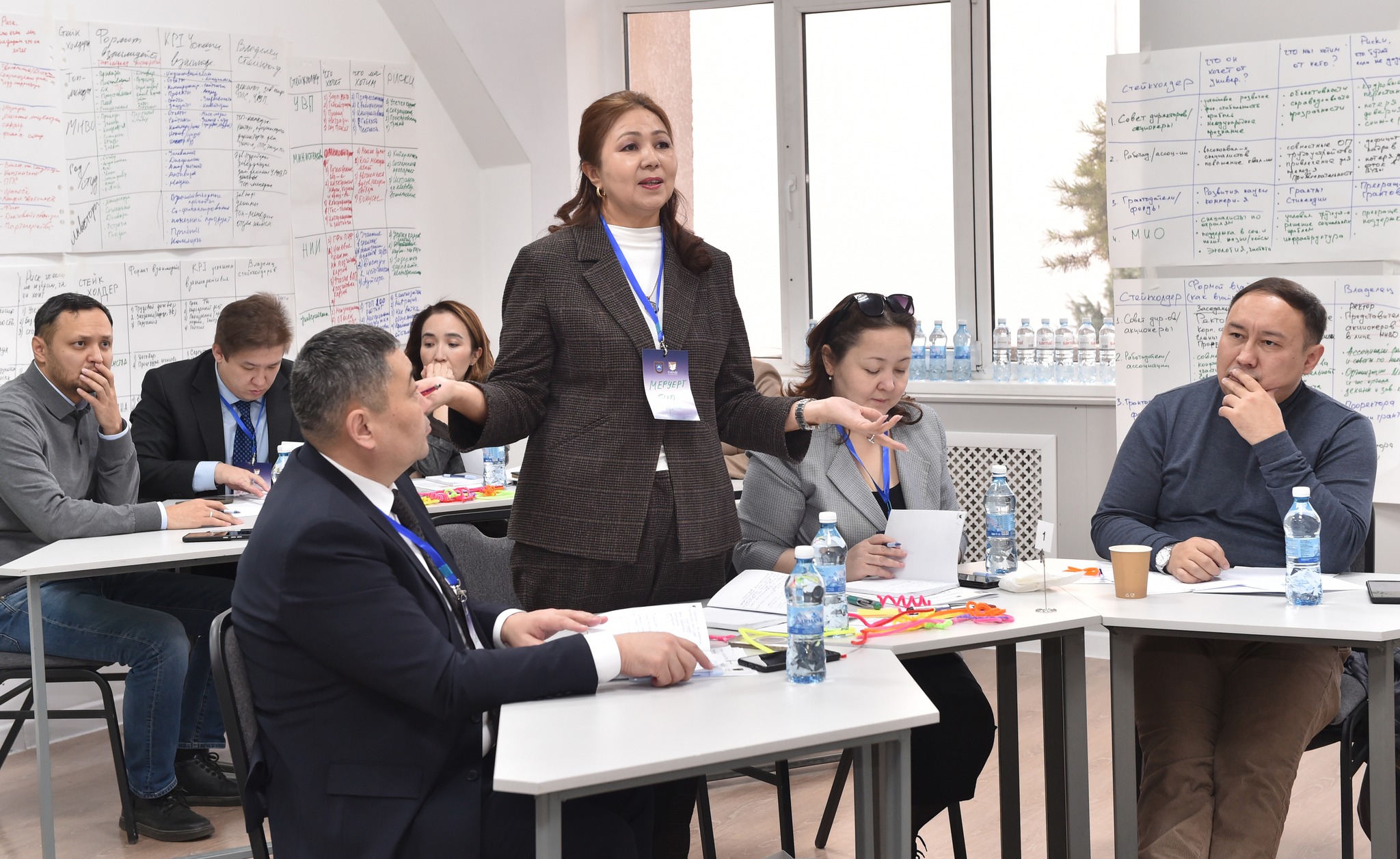
In the second part of the training, issues of strategic planning, building a system of goals and developing a three-year roadmap were addressed. Each team began to identify the priority areas of development for its faculty and to formulate concrete strategic objectives and mechanisms for their implementation. All key moments of the event were captured in photographs and duly documented. The training was rich in content, professionally valuable and conducted in an interactive format.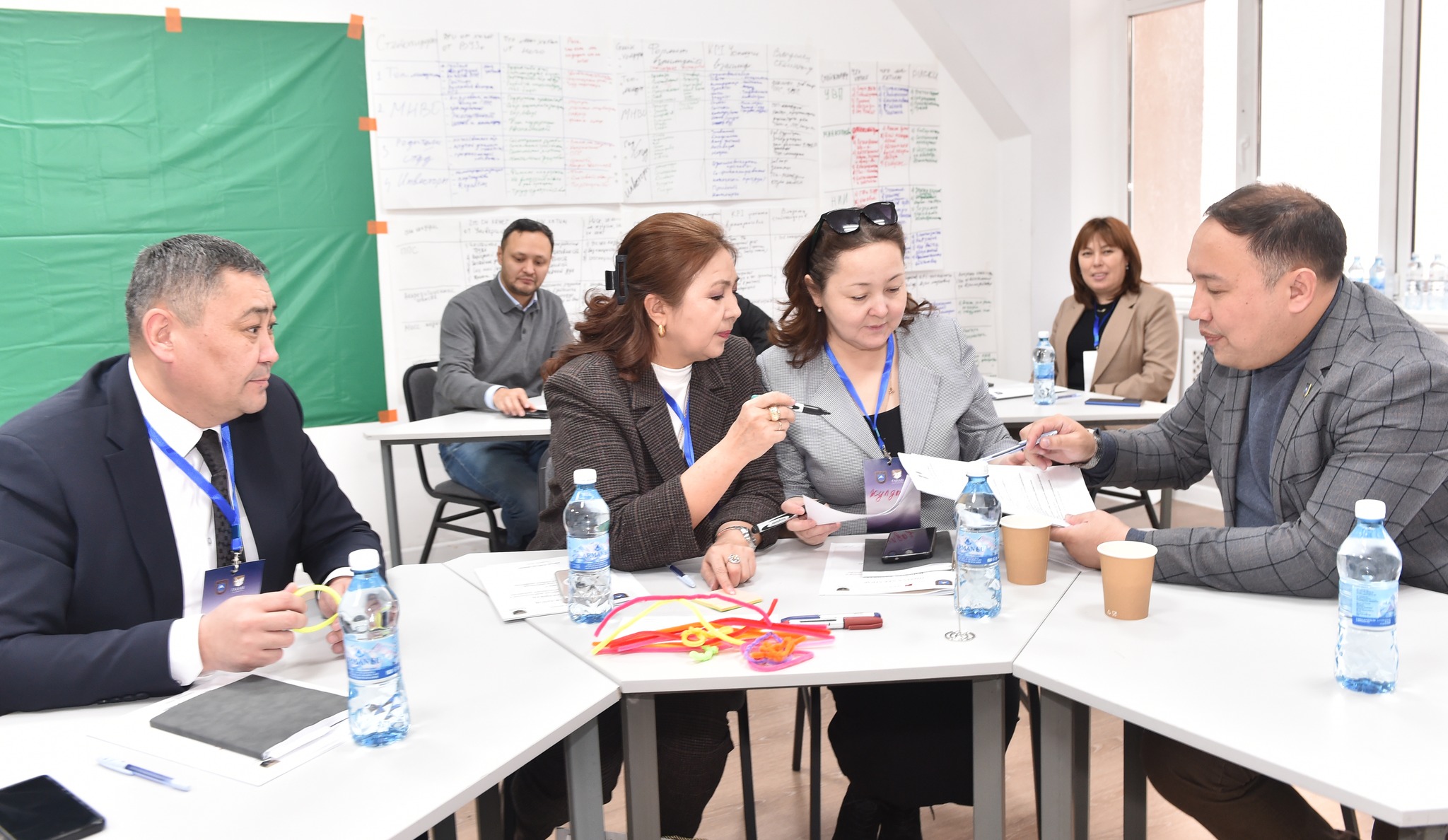
Upon completion of the training programme, each dean will prepare a comprehensive development strategy for their faculty and submit it to the university leadership. The strategic document will clearly set out target indicators, the ways of achieving them, the expected outcomes and specific tasks.