Food Risks: A Lesson on Safe Nutrition
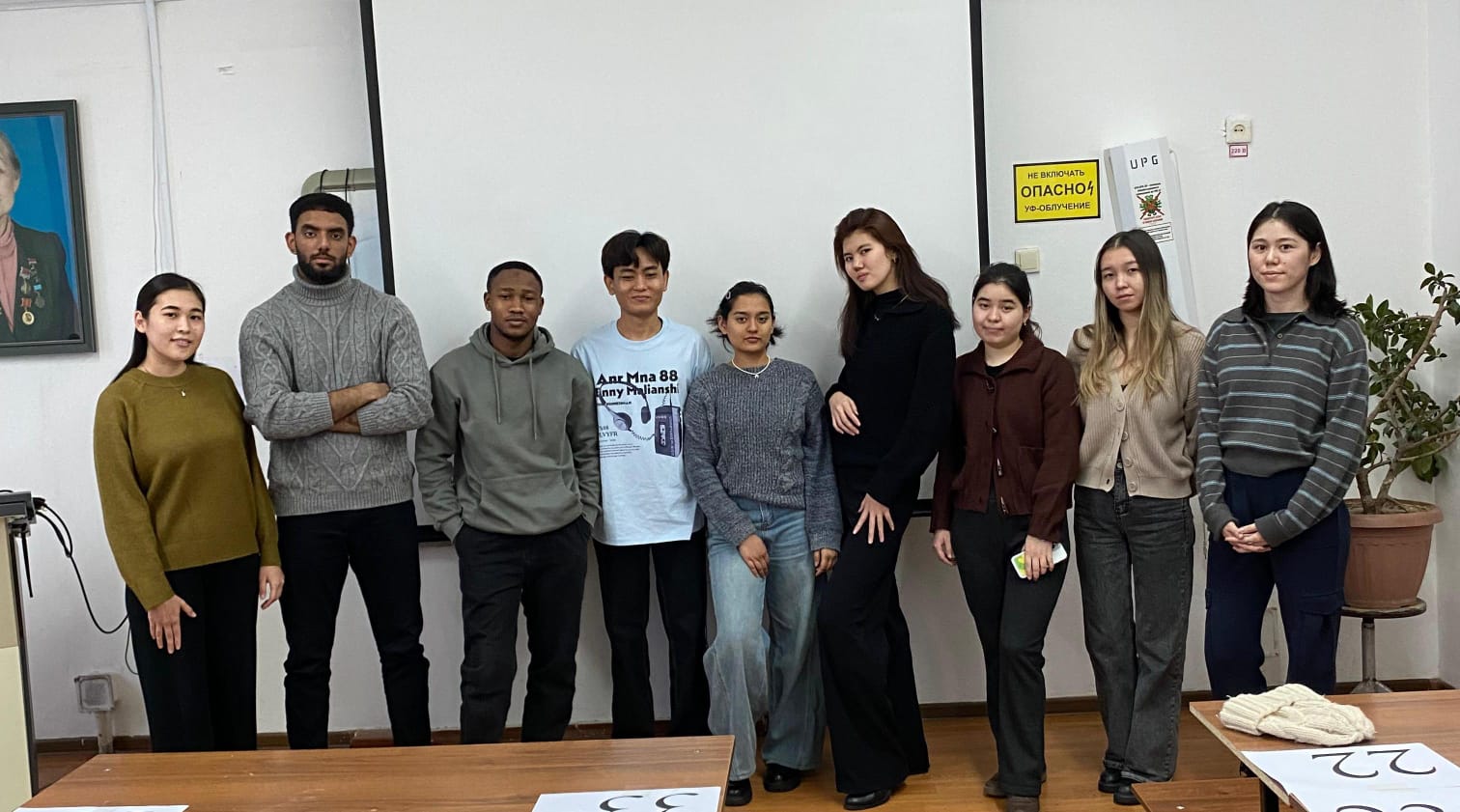
On December 3, 2025, an open lesson dedicated to the topic “Foodborne diseases” was held at the Department of Biotechnology for 4th year students The organizers are 1st-year Master's students Ikramkulova F., Turar T. and Senior Lecturer of the Department of Biotechnology, PhD Abdulzhanova M.А. The event aimed to expand the students' professional knowledge in the fields of microbiology, sanitation, and epidemiology, as well as to enhance their understanding of the potential food safety risks facing modern society. Particular attention was paid to how pathogenic microorganisms contaminate food products, the factors that increase the likelihood of infection, and the methods used to effectively prevent outbreaks of foodborne illnesses.
During the session, students analyzed the main bacterial, viral, and parasitic pathogens associated with foodborne diseases and the specifics of their transmission within food supply chains. The most common cases of product contamination, such as salmonellosis, campylobacteriosis, listeriosis, and norovirus infections, were discussed using specific examples. Students noted the practical significance of the topic, emphasizing that future biotechnologists must understand the complex nature of foodborne diseases and possess the skills to prevent risks at all stages of production—from raw materials to the packaging of finished products.
The open lesson served as an important contribution to the implementation of the UN Sustainable Development Goals (SDGs). The topic of foodborne infections directly aligns with SDG 3 “Good Health and Well-being,” as it focuses on disease prevention and improving the sanitary literacy of future specialists. Simultaneously, the event supports SDG 4 “Quality Education” by providing students with up-to-date knowledge that reflects current scientific and industrial realities in the field of biotechnology.
Conducting such open lessons contributes to strengthening students' professional competencies and fosters a sense of responsibility for food quality and safety. The department plans to continue developing educational initiatives aimed at improving the training level of future specialists and building sustainable skills for addressing real-world biotechnological challenges.