- Main
- News
- NEXUS Training on Water Resources Management and Hydrological Risks under Climate Change Conditions
NEXUS Training on Water Resources Management and Hydrological Risks under Climate Change Conditions
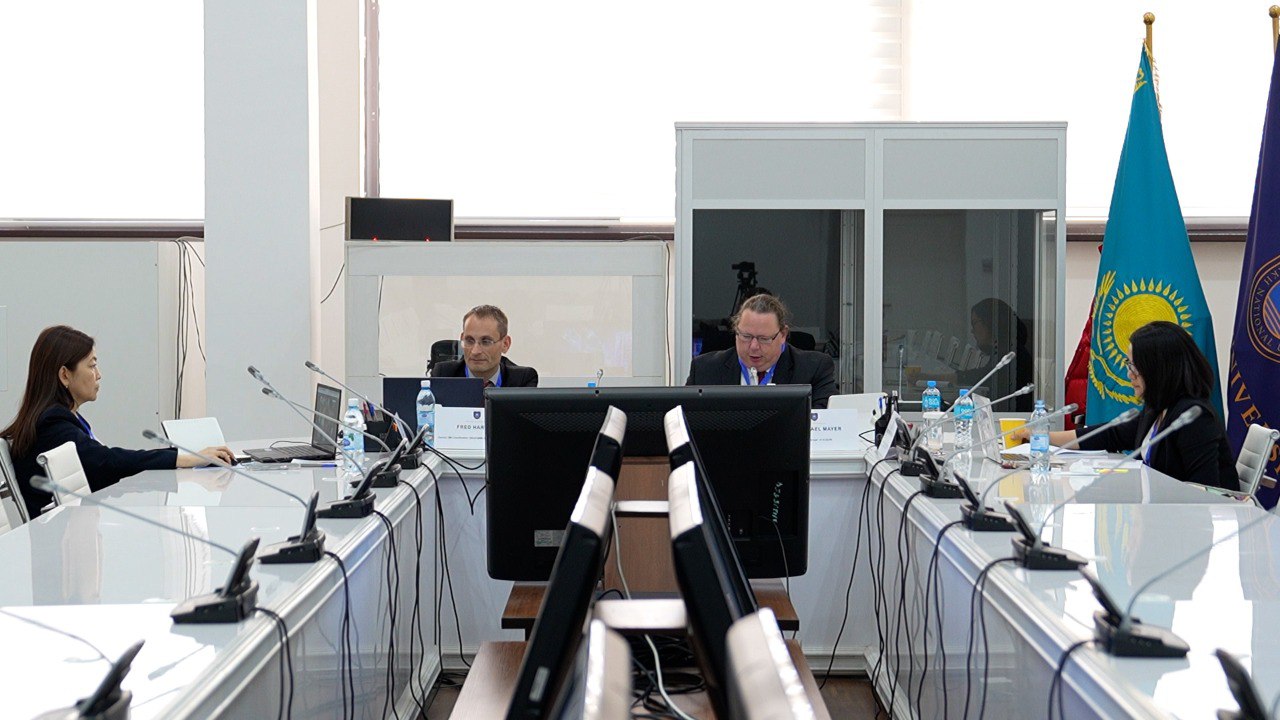
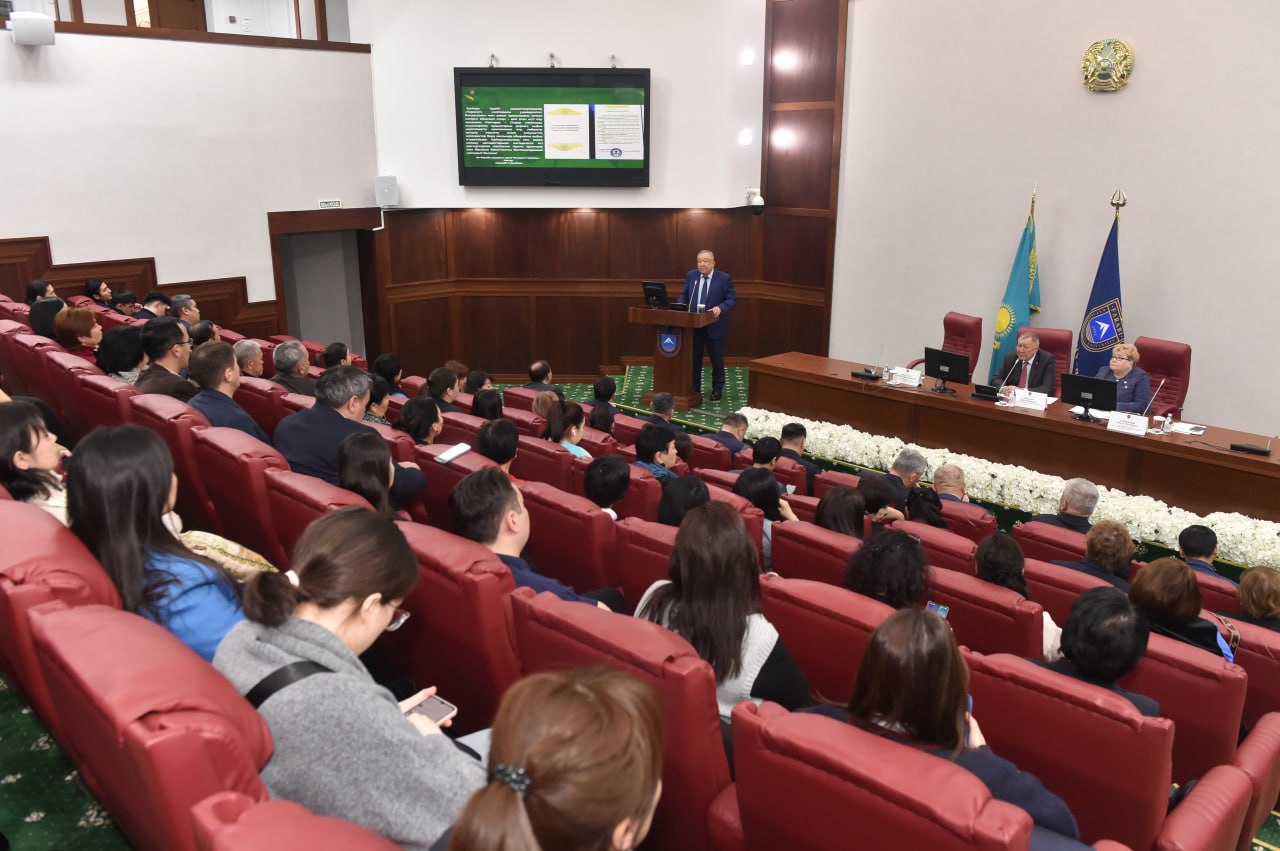
Within the framework of the implementation of the SDG 4 “Quality Education”, SDG 6 “Clean Water and Sanitation”, and SDG 13 “Climate Action” – a NEXUS seminar was organized and conducted at the Faculty of Geography and Environmental Sciences of Al-Farabi Kazakh National University, targeting specialists in the field of water resources and hydrology. The seminar brought together professionals and practitioners in water resources and hydrology, as well as representatives of relevant governmental structures involved in the monitoring, assessment, and management of water and hydrological processes.
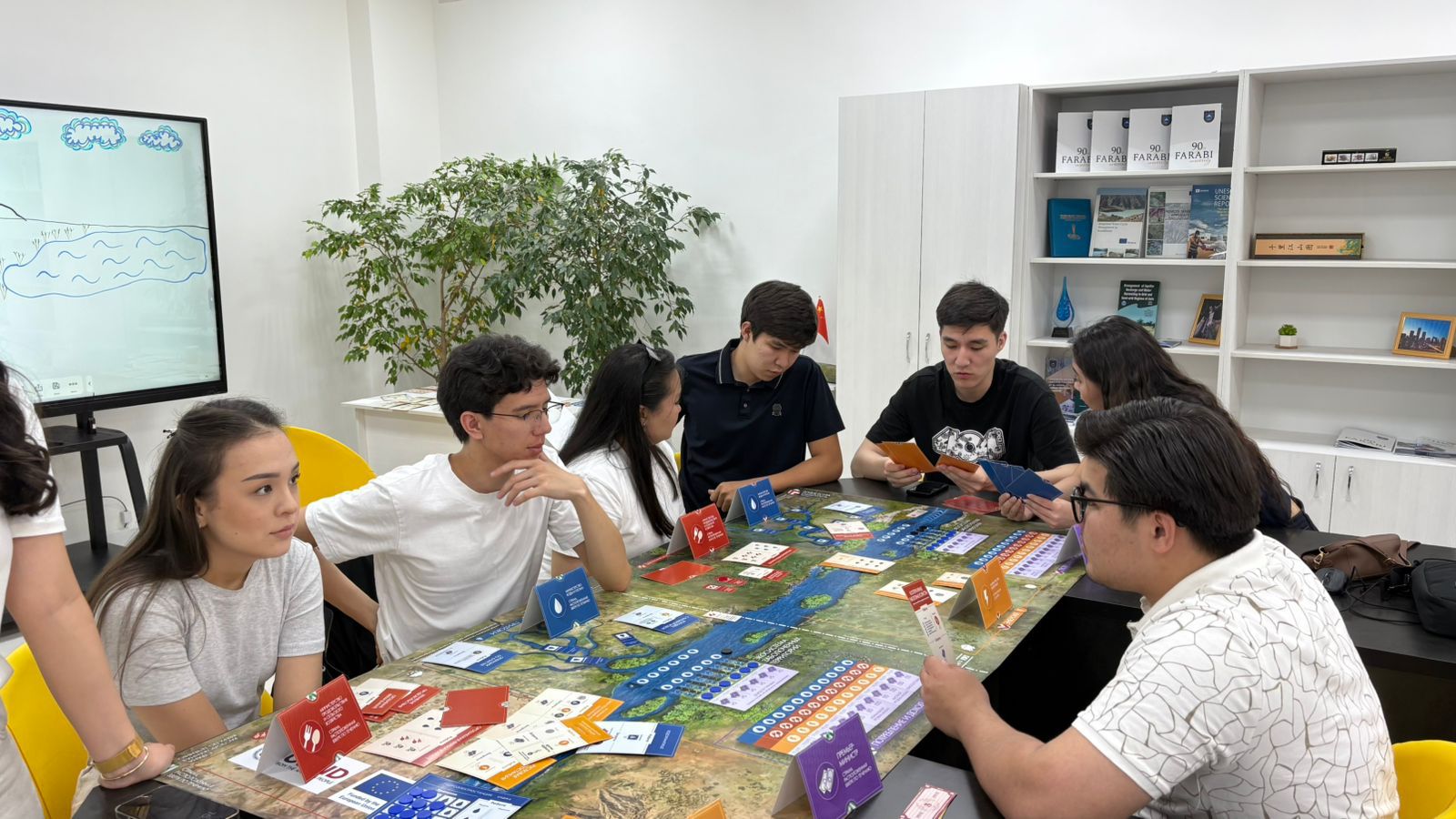
The NEXUS approach (Water-Energy-Food-Ecosystems) considers water resources not in isolation, but as a key component of an interconnected system encompassing water supply, energy security, food sustainability, and ecosystem conservation. Under conditions of climate change, increasing anthropogenic pressure, and the growing frequency of hazardous hydrological events, this approach enhances decision-making efficiency, reduces risks, and supports the long-term sustainability of natural and socio-economic systems.
The main objectives of the NEXUS seminar were to: develop a system-based perspective on water resources management, taking into account intersectoral linkages; strengthen professional competencies in hydrological risk assessment, climate change adaptation, and sustainable natural resource management; facilitate knowledge and experience exchange among representatives of science, education, and governmental sectors; integrate scientific data and modern methodologies into practical applications of monitoring, forecasting, and water management.
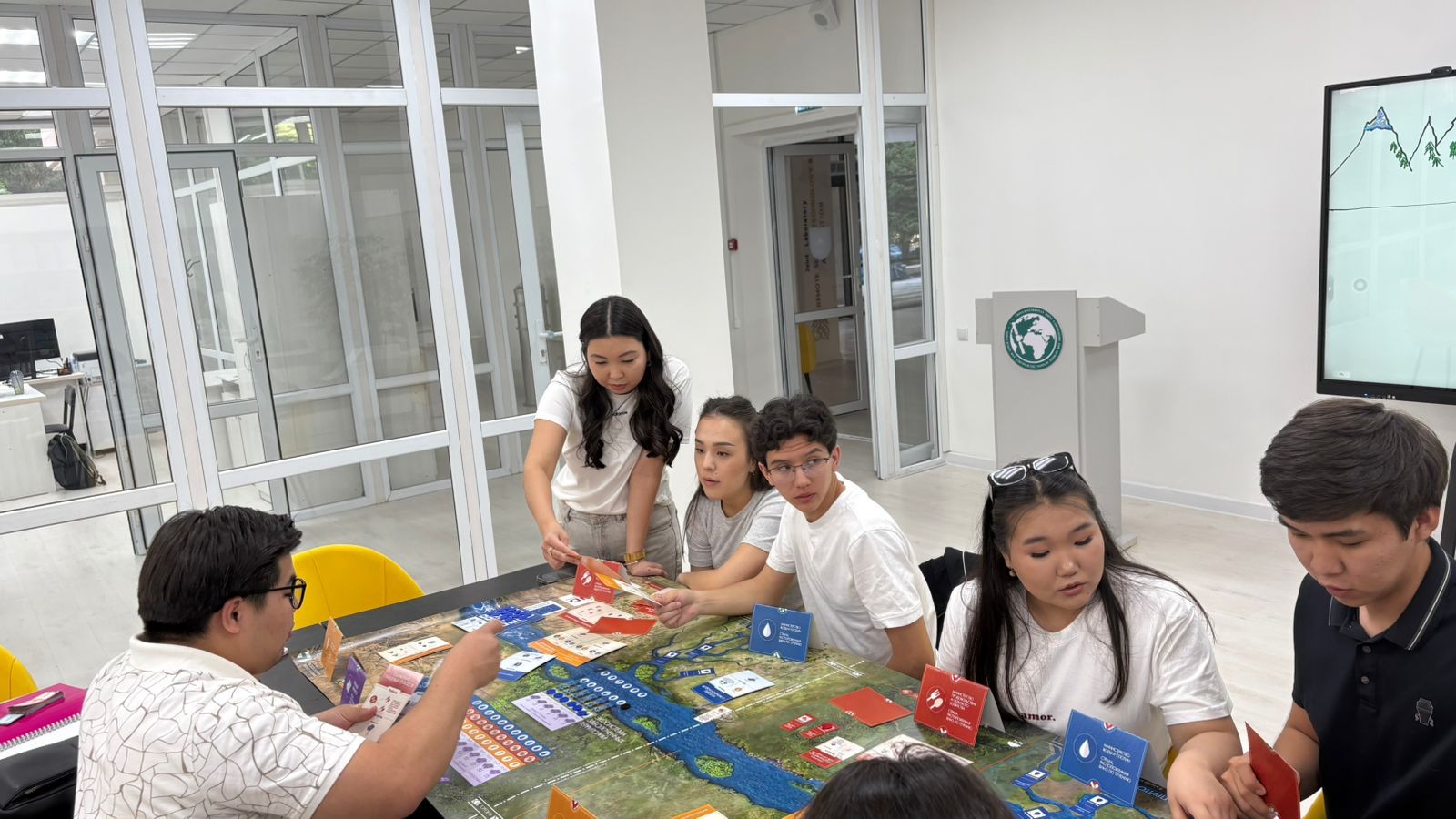
The seminar included mini-lectures and interactive sessions aligned with NEXUS practices. Participants examined real-world case studies, discussed intersectoral interaction scenarios, and analyzed the role of water resources in ensuring water, climate, and environmental security.
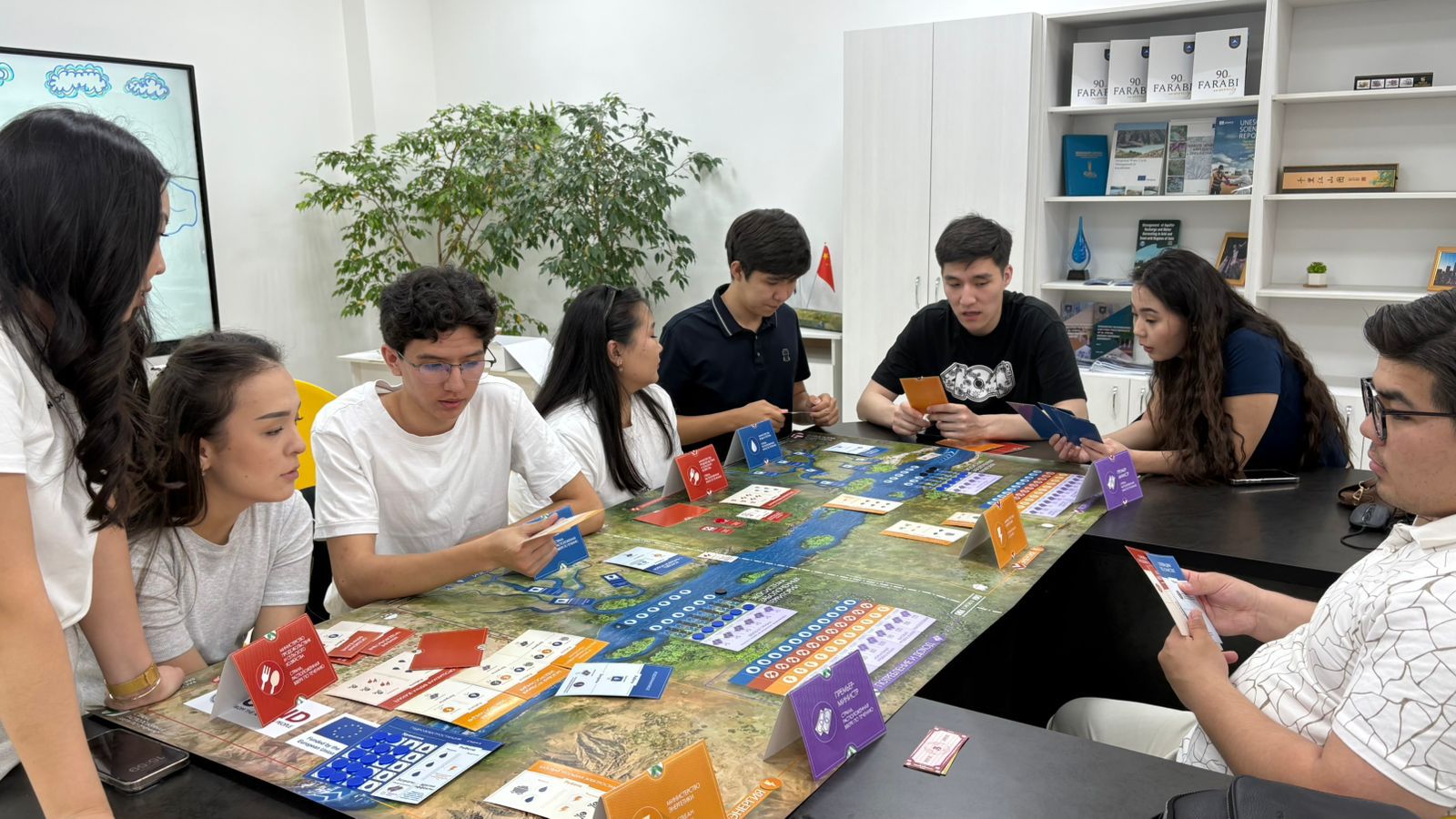
The NEXUS seminar contributes to strengthening cooperation between the university, the scientific community, and sectoral stakeholders, advancing practice-oriented education, and supporting the implementation of the Sustainable Development Goals, particularly SDGs 4, 6, 13, and 17, in the field of water resources and hydrology.