The 5th Session of the National Kurultai
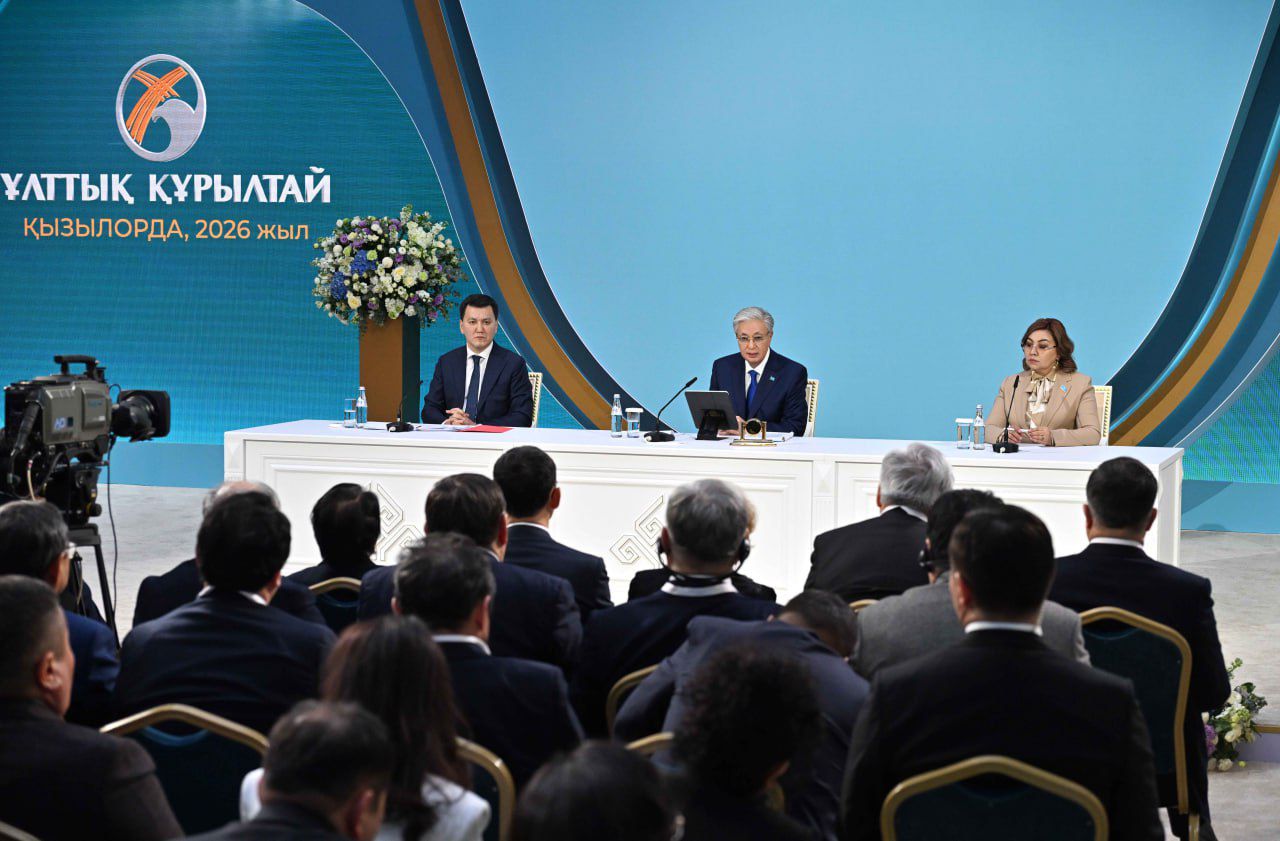
The key theses articulated by the Head of State at the Kurultai clearly outlined several important directions that directly affect the future of education and science in the country. The constitutional and institutional reforms implemented in recent years have had a long-term impact not only on the political system but also on the educational landscape.
The reforms of 2022 strengthened the legal system and expanded opportunities for citizens and organizations to protect their rights. This is a significant factor for educational and scientific institutions, as academic autonomy and managerial stability rely on solid legal guarantees. The establishment of the Constitutional Court, the modernization of administrative procedures, and the introduction of a cassation level contribute to a more balanced and institutionally sound system of interaction between higher education institutions and state authorities.
The growing pluralism and openness of the political system can also be observed to have a positive effect on the development of the humanities. The representation of diverse ideological perspectives enhances the culture of public debate and broadens the scope of research in fields such as philosophy, sociology, and political science. Moreover, the initiatives aimed at the systematic promotion of the intellectual heritage of great thinkers provide new momentum for the in-depth analysis and development of the national idea within the humanities.
Another pressing issue raised by the President concerns the constitutional consolidation of digitalization. This creates legal conditions for the systematic regulation of educational technologies, digital infrastructure, and the culture of working with scientific data. Such a step establishes a stable legal framework for the development of new digital disciplines, research areas, and innovative projects.
Overall, these initiatives demonstrate an intention to transform education and science from a secondary sector into a strategic pillar of national development. If this course is maintained, higher education institutions and research centers may become a full-fledged institutional force contributing to the country’s intellectual progress and social stability.