"Who Writes the News: Journalists or AI?"
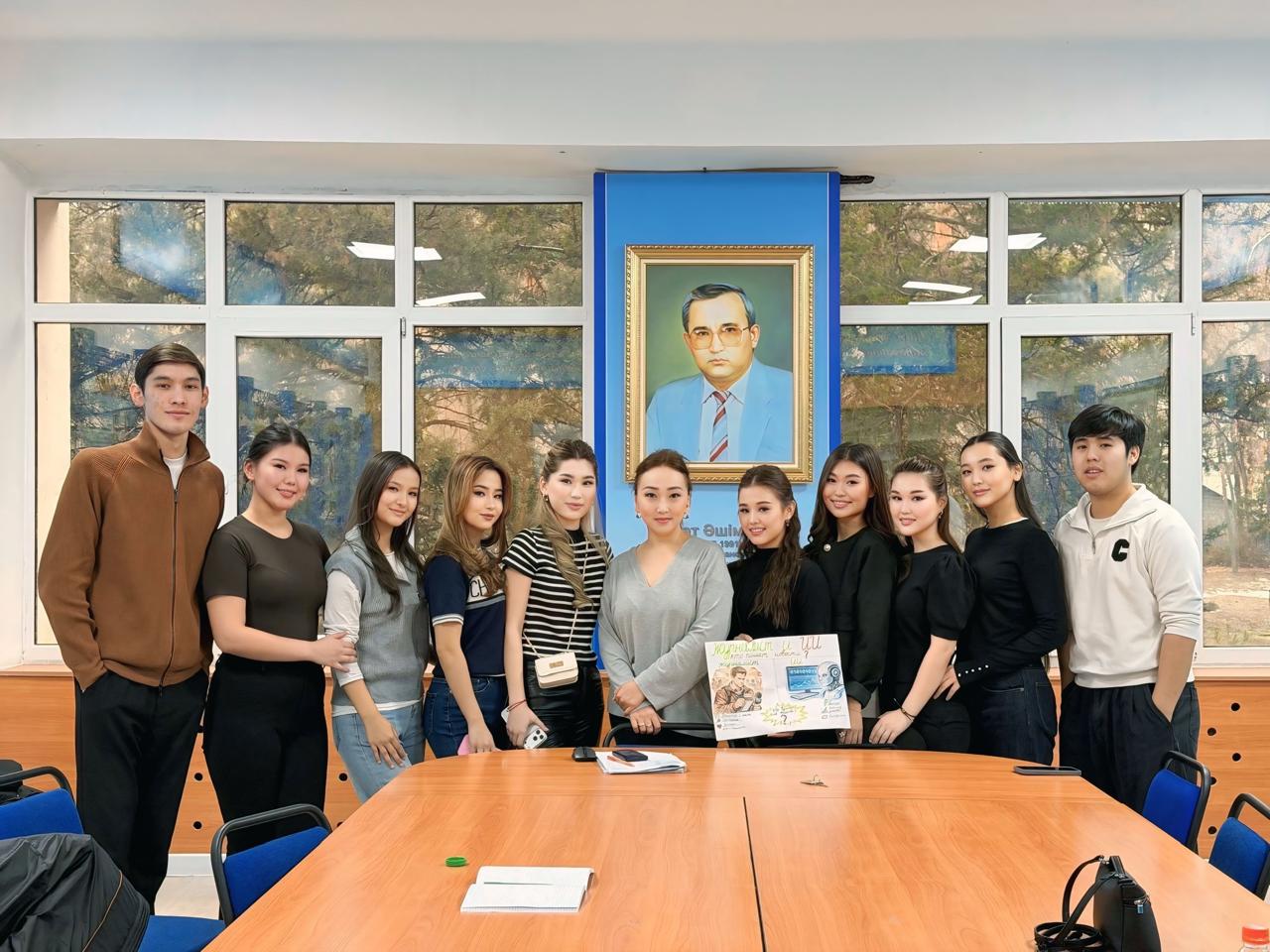
On February 6, 2026, a senior lecturer from the Department of Russian Philology and World Literature, together with first-year students majoring in Journalism, held an educational event as part of the implementation of Sustainable Development Goal 4 "Quality Education" on the topic: "Who Writes the News: Journalists or AI?".
The goal of the event was to develop students' professional and media competencies, critical thinking, and understanding of the role of artificial intelligence in modern journalism and the media space.
Objectives:
• To introduce students to the capabilities and limitations of artificial intelligence in news content creation;
• To discuss the transformation of the journalistic profession in the context of digitalization;
• To develop skills in analyzing media texts and assessing the reliability of information;
• To foster a responsible attitude toward the use of AI in professional activities.
The event addressed current media development trends, the specifics of journalistic work in the digital age, and the impact of artificial intelligence technologies on news production. Students participated in a discussion about whether AI can replace journalists, analyzed examples of news texts created by humans and algorithms, and discussed issues of authorship, credibility, and ethics in journalism.
Particular attention was paid to developing critical thinking, information literacy, and fact-checking skills as key competencies for future journalists. Participants concluded that artificial intelligence is an effective tool in journalistic work, but it does not replace professional thinking, responsibility, and creativity.
Students expanded their understanding of the role of AI in the media, increased their information literacy, and recognized the need to combine technological skills with journalists' humanities and professional competencies.
The event contributed to the implementation of SDG 4 "Quality Education," which aims to ensure inclusive and high-quality education, develop 21st-century skills, and train competitive professionals.
Other news