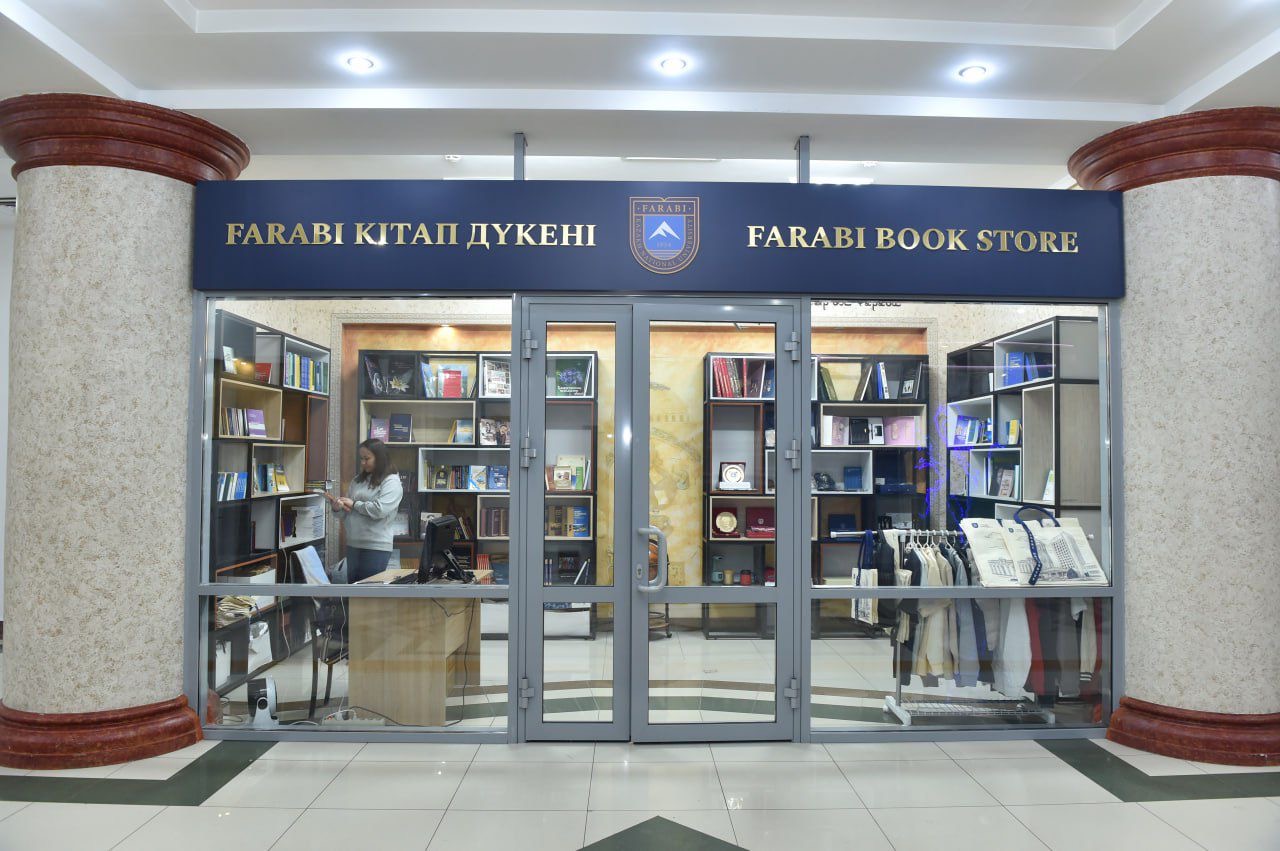
Practical lectures within the Winter school are proceeding according to plan…
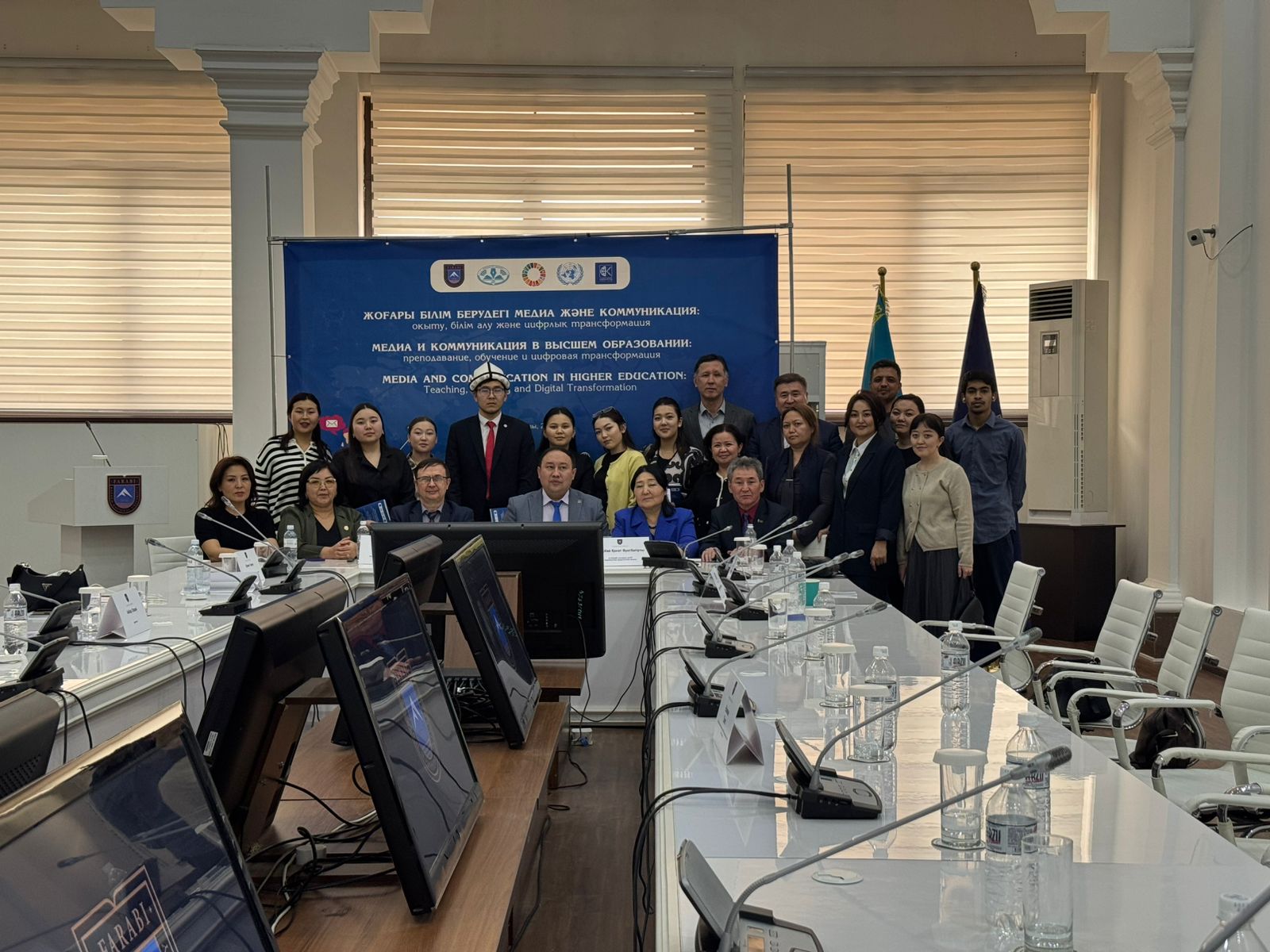
SDG-3 On the fourth day of the Winter School, February 6, lectures were delivered by Strategic PR and Communications Specialist, Bolashak Scholarship Holder Tolganay Bayysbekova: «Crisis Communications 2026: How to Turn Hate and Fake News into Brand Advantage» and TV journalist, PhD Shynar Kaliakhdarova: «Teaching TV Journalism in the Context of Digital Transformation: Linking Theory and Practice».
In her lecture, Tolganay Bayysbekova vividly demonstrated the importance of rapid response to online hate using a case study.
In 2025, numerous negative comments appeared on social media regarding Nike’s new sneaker model. Within a few hours, the company published fact-checks on its official Twitter and Instagram accounts, explaining the product quality and production process. As a result, negativity gradually decreased, and trust in the brand increased.
Transparent analysis of fake information also plays a key role. For example, in 2026, a fake claim circulated online that Starbucks’ coffee did not meet ecological standards. The company published accurate data and certificates on its blog and in press releases, which was highly appreciated by the audience.
Transforming negative content into positive through creativity is also common. In 2025, negative comments appeared about Burger King on social media under the theme «Customer Found a Mistake». The company turned these comments into humor, releasing special memes and videos. The campaign went viral, boosting brand popularity.
For large companies, establishing dialogue with the audience is crucial. For instance, when Adidas faced online hate, the company invited journalists to a Q&A session, openly answered questions, and thus protected its reputation. This strategy increased customer trust and reduced negative comments.
Fake information can also be turned into a strategic opportunity. For example, a fake claim circulated that Tesla’s autopilot always malfunctioned, leading to numerous false reviews. The company leveraged this situation, officially presenting updated autopilot features. As a result, the fake became an opportunity to promote the brand’s new product.
The next lecture was delivered by TV journalist, PhD Shynar Kaliakhdarova: «Teaching TV Journalism in the Context of Digital Transformation: Linking Theory and Practice».
Shynar Kaliakhdarova emphasized that the basic knowledge required for TV includes: types of TV programs, TV genres, structure of a TV story, scripts and their varieties, TV equipment, camera skills, broadcast culture, and editing language. According to her, basic skills include writing an introduction - the lead-in, presenting short information - KTM, conducting a small survey - SNH (start of an interview), and proper shooting - wide, medium, close-up shots, and details.
Pedagogical models include: project-based learning (learn by creating), lessons in editorial format (learn - demonstrate - practice), and case analysis (comparison - working with errors - refinement).
TV is a multi-platform multimedia environment. A single event may consist of a TV story, Instagram Reels, TikTok, and YouTube Shorts.
Mobile journalism includes shooting on a smartphone, mobile editing using CapCut, and rapid publication.
On digital platforms, video is essential: shot composition, storytelling through emotions, and short-format stories.
Social media and its algorithms, as well as video content, follow a logic of distribution: platform-specific features, differences in hashtags and titles, and establishing feedback with the audience.