Responsible Consumption and Production – The Professional Choice of Future Meteorologists
Responsible consumption and production is an important principle aimed at the efficient use of natural resources, reducing environmental impact, and increasing ecological responsibility. This approach is closely linked to Sustainable Development Goal 12 defined by the United Nations.
Today, for fourth-year students majoring in Meteorology, this topic is not merely a theoretical concept but a professional direction closely connected with hands-on industrial training.
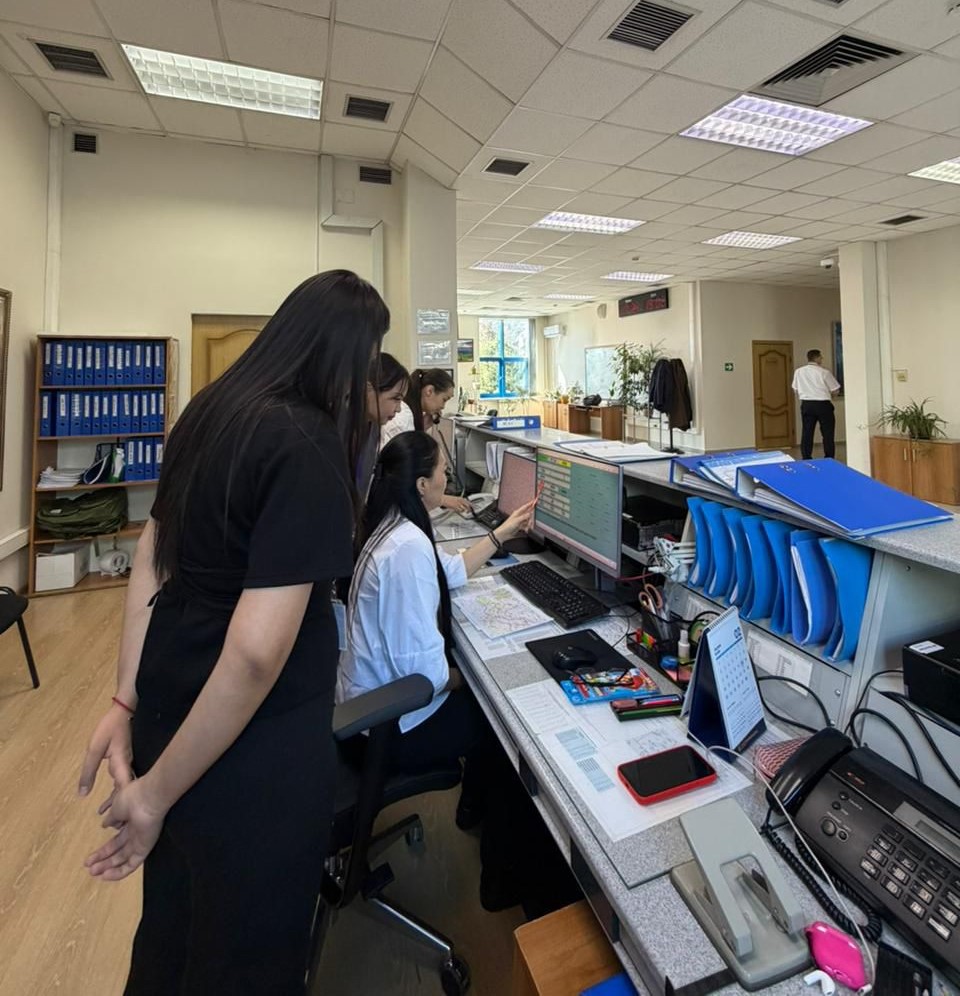
🌦 Internship at Kazhydromet
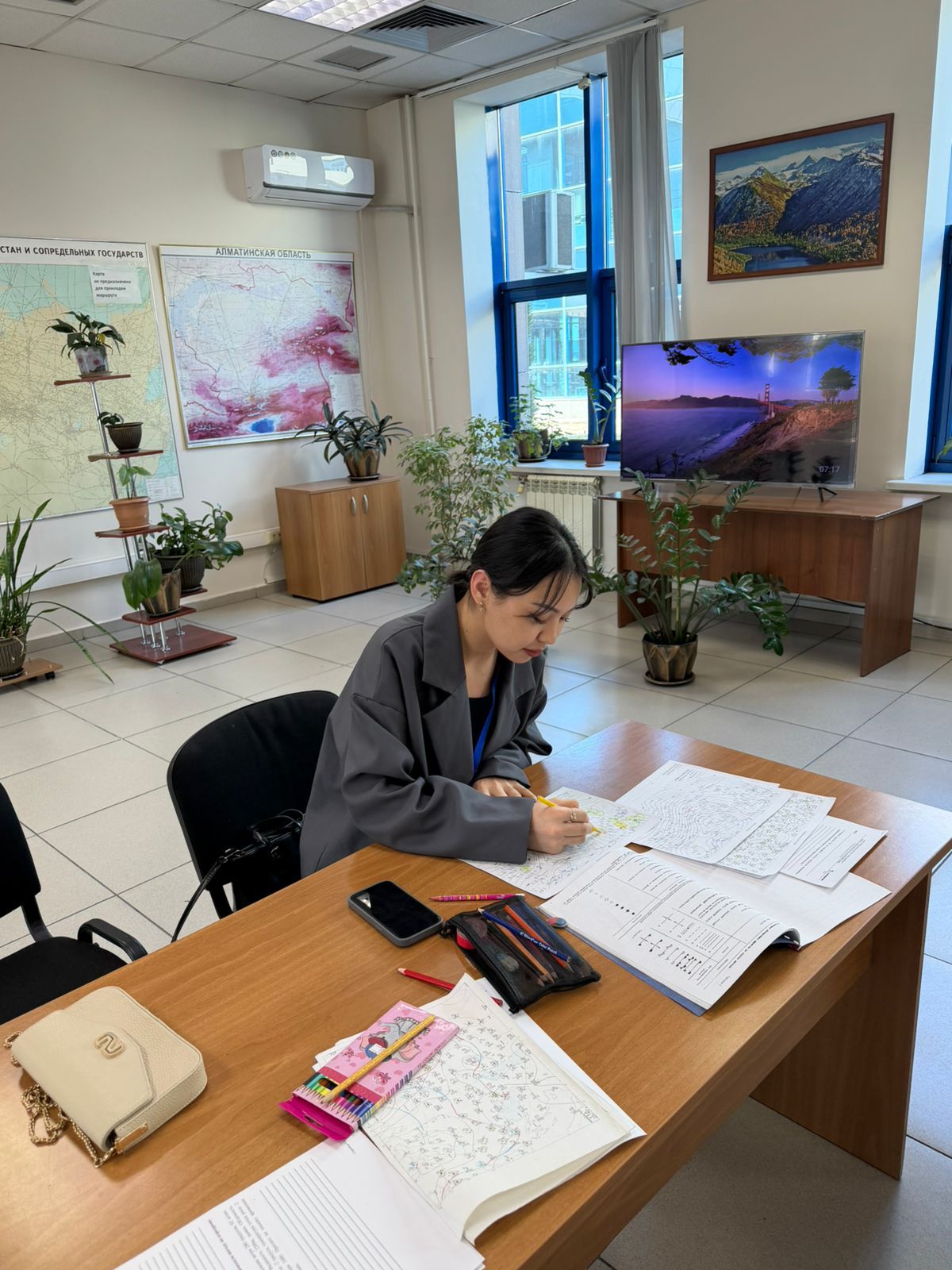
Kazhydromet is the national hydrometeorological service of the country. Here, students become familiar with monitoring atmospheric processes, assessing air quality, and processing and analyzing climate data.
During their internship, they:
✔ work with meteorological observation instruments;
✔ analyze synoptic weather maps;
✔ determine levels of atmospheric pollutants;
✔ study the dynamics of climate change.
This practical experience enables students to better understand the importance of efficient natural resource management and environmental monitoring. Systematic observation of air quality and climate processes forms the scientific foundation of responsible production.
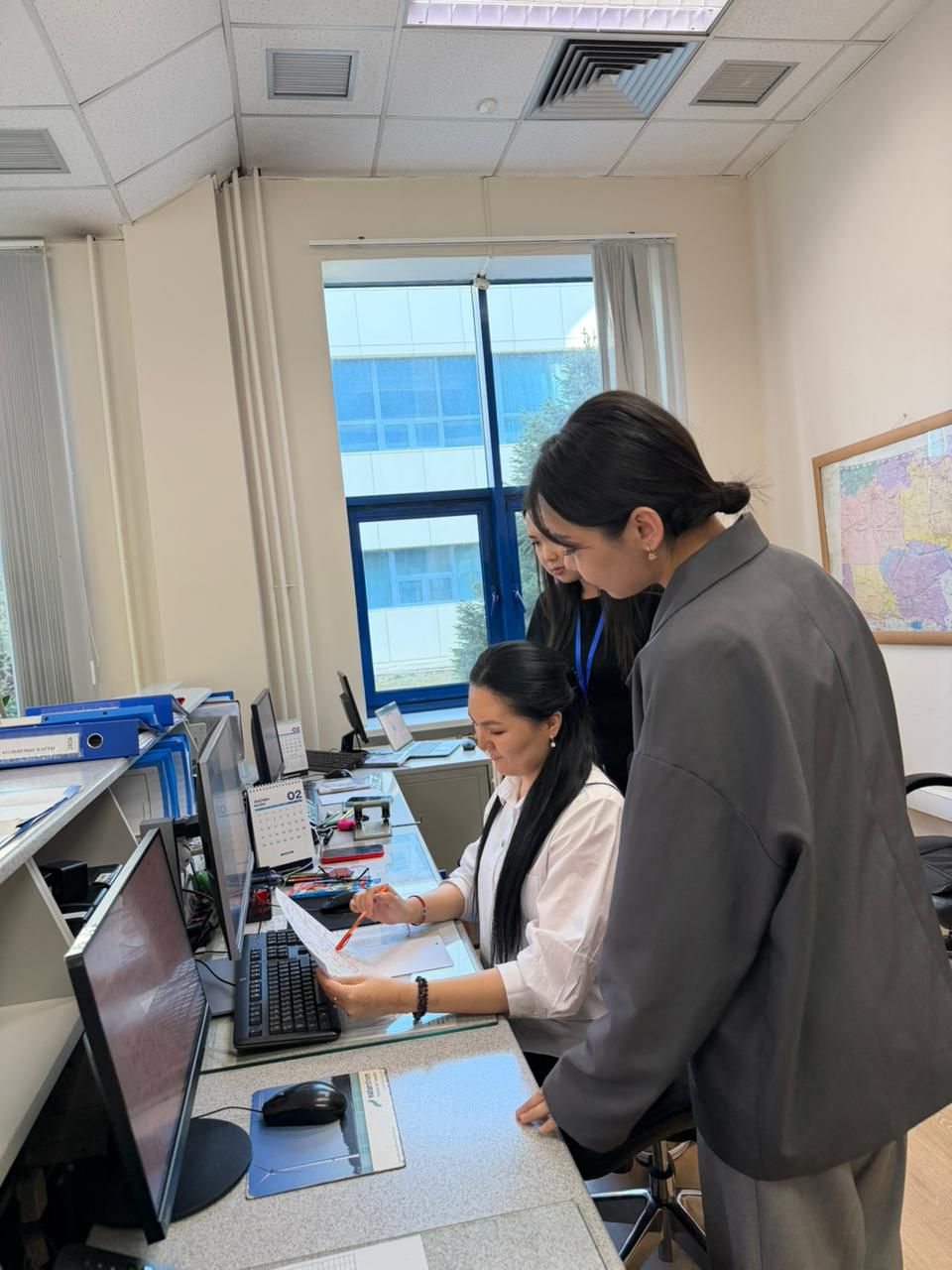
✈️ Internship at Kazaeronavigatsia
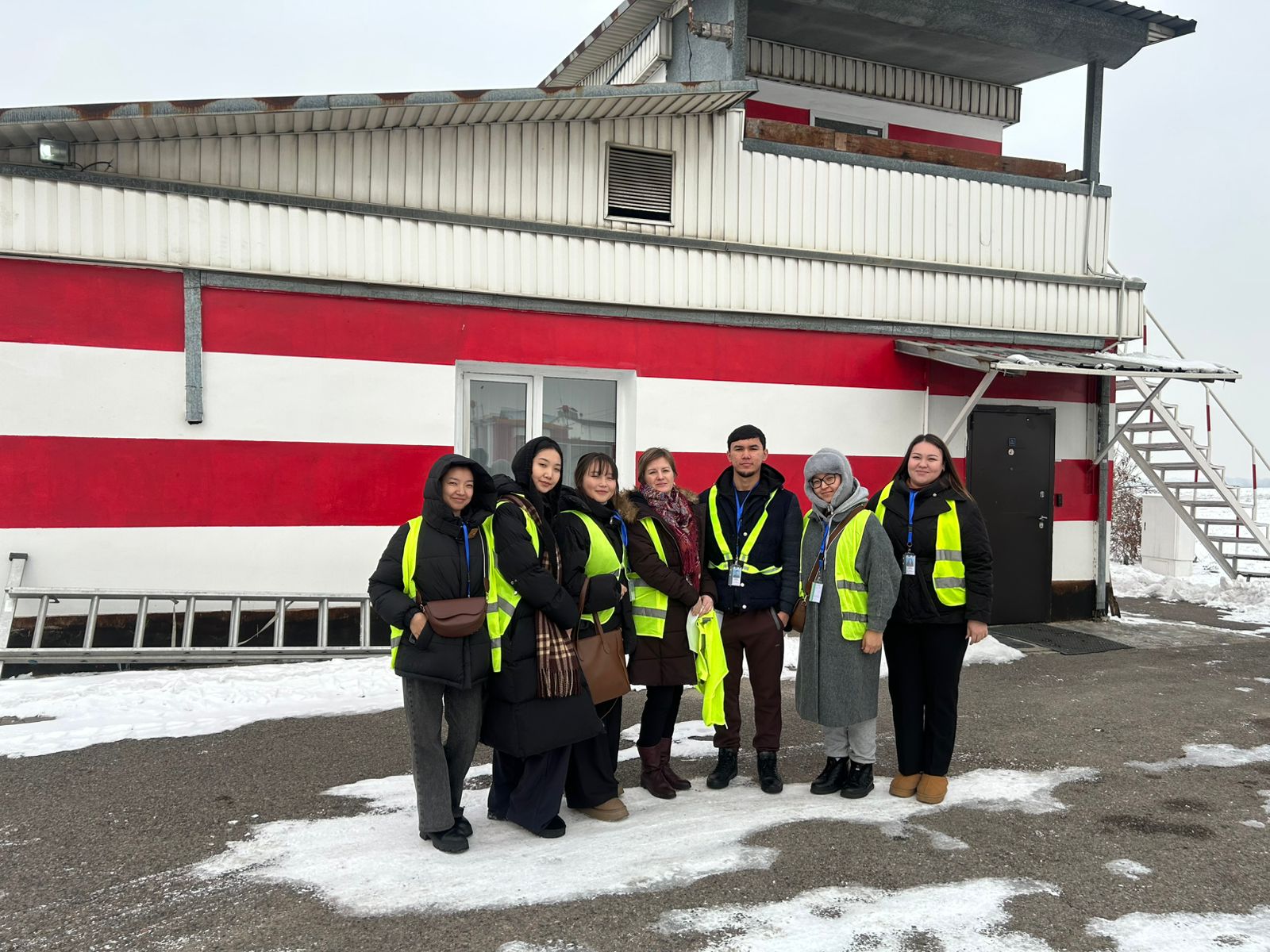
Kazaeronavigatsia is a leading organization responsible for air traffic management and aviation safety.
In the field of aviation meteorology, students:
✔ learn to prepare weather forecasts to ensure flight safety;
✔ assess the impact of weather conditions on flight trajectories;
✔ understand the environmental importance of optimizing air traffic.
Accurate and timely meteorological information helps reduce fuel consumption and lower carbon emissions. This represents the practical implementation of sustainable production principles in the aviation sector.
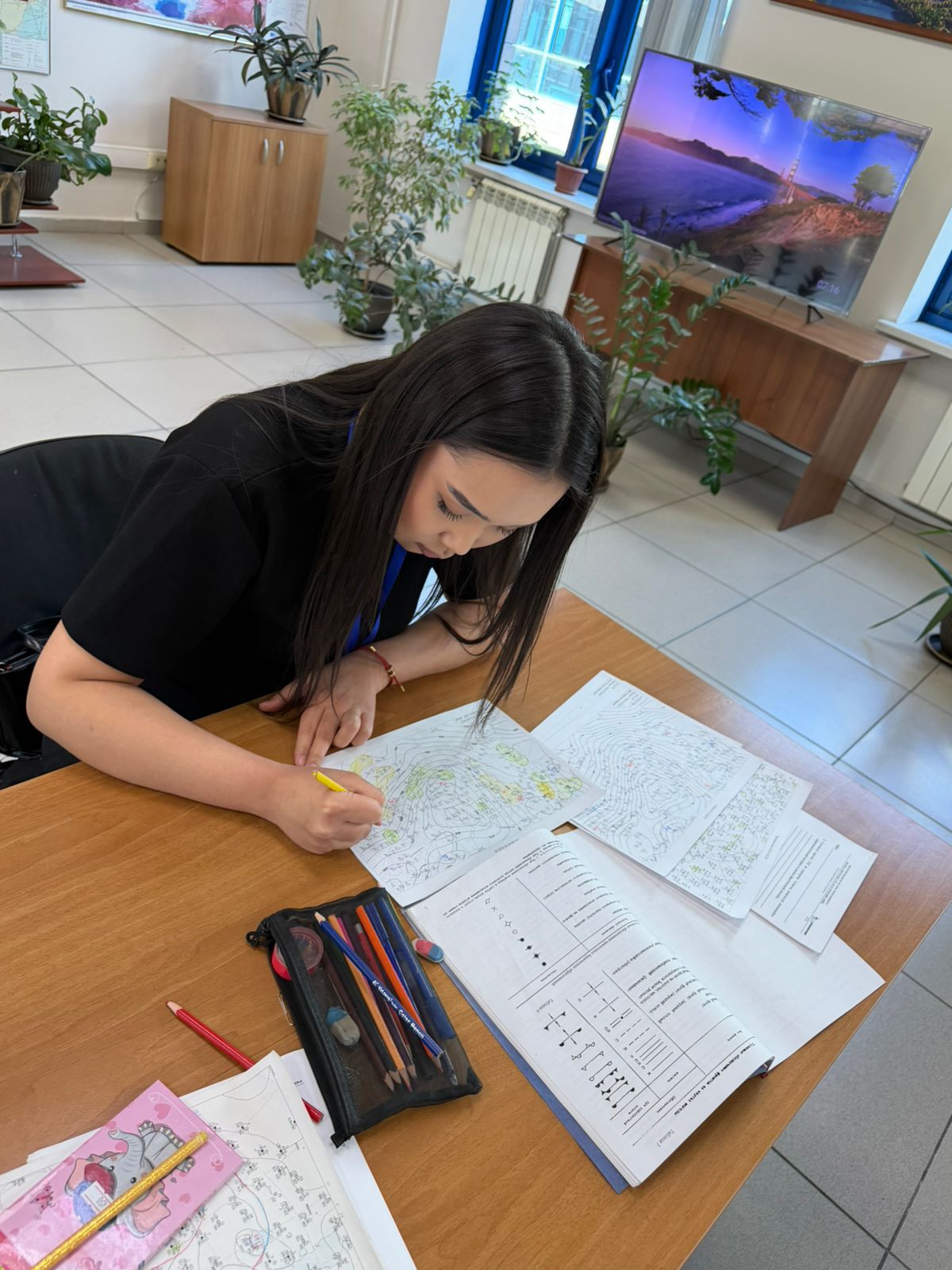
🌱 Sustainable Development Begins with Professional Responsibility
Internships at Kazhydromet and Kazaeronavigatsia not only combine theoretical knowledge with practical experience for fourth-year students but also strengthen their environmental awareness, responsibility, and professional competencies.
Responsible consumption and sustainable production begin with scientifically grounded decisions and conscious actions taken by future meteorologists. This is a contribution not only to environmental protection but also to national safety and societal well-being.