
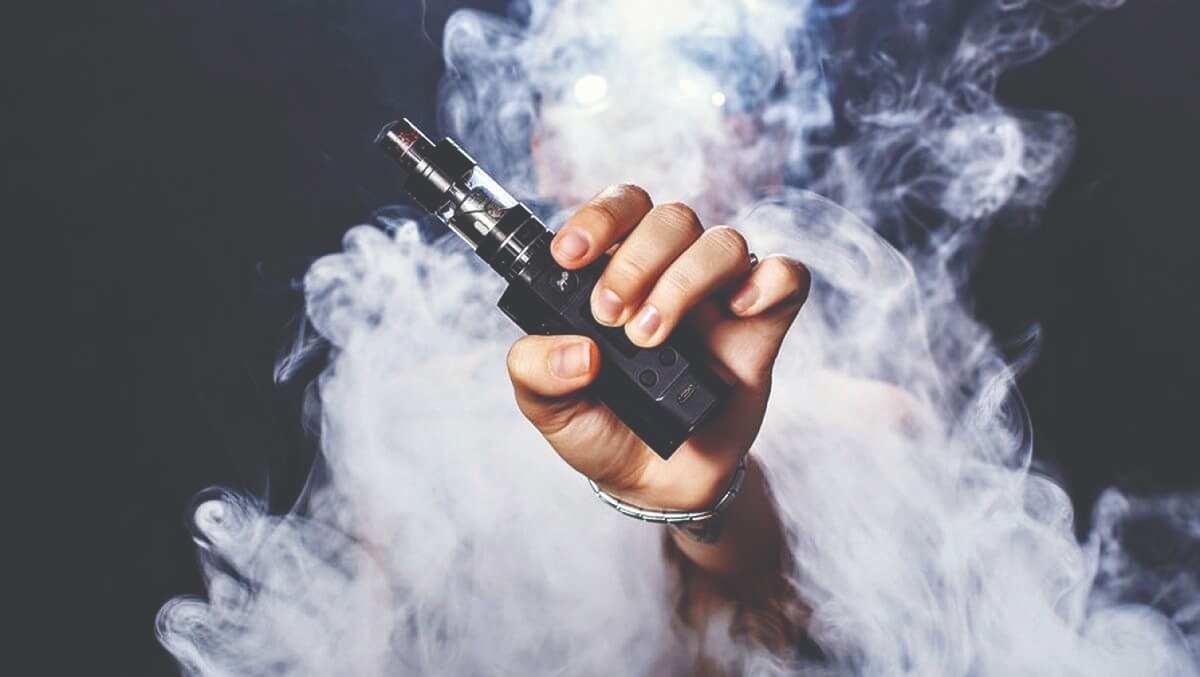
Nowadays, young people and adolescents find vaping appealing. Many who previously used to smoke cigarettes have switched to vaping. Vapers believe that electronic cigarettes are not harmful to health because “no tar is released during smoking” as they claim.
Is vaping really safe? Let us examine this. Vaping is the inhalation of aerosols (vapor) produced by an electronic cigarette or another device. Currently, these devices appear attractive: colorful, uniquely shaped, miniature, convenient to hold, and widespread due to the high interest among young people and adolescents in cities. Such vapes attract attention with their pleasant flavors and bright colors, offering a pleasant vapor taste that draws users into smoking; however, after some time, dependence begins to develop.
Regardless of their design or appearance, electronic cigarette devices function in the same way. The device operates on a battery, and a special liquid is poured into a cartridge. When smoking, the liquid heats up and forms an aerosol that is inhaled by the user.
When vape pens first entered the market, they were presented as a safer alternative to smoking. In reality, this is not true. Vape liquid contains glycerin, propylene glycol (E1520), flavorings, nicotine (not always), and thousands of other chemical ingredients, many of which are still unidentified. The long-term health effects of using electronic cigarettes or other vaping products are still being studied, but evidence already exists of their harmful effects on the body.
Research has proven that vaping harms the cardiovascular system. Vaping containing nicotine increases heart rate and blood pressure, which may negatively affect the heart. Additionally, overall cholesterol and low-density lipoprotein cholesterol (“bad” cholesterol) levels are higher in electronic cigarette users compared to non-smokers. Elevated cholesterol and low-density lipoprotein cholesterol levels are considered risk factors for atherosclerosis. This means a higher risk of stroke, heart attack, angina, and other cardiovascular diseases in the future. Furthermore, vaping and electronic cigarettes are particularly dangerous for individuals with any form of heart disease.
Although vaping is not identical to smoking traditional nicotine cigarettes, it still has adverse effects on lung function. Smoking leads to the development of respiratory diseases. One of them is “popcorn lung” (bronchiolitis obliterans), in which the smallest airways undergo structural changes resembling popcorn, with bronchioles becoming inflamed and blocked. Patients experience coughing, wheezing, difficulty breathing, and chest pain.
Just 5 minutes of vaping can alter lung function and increase airway inflammation. Immediately after smoking, symptoms such as coughing, sore throat, and dry mouth may begin to appear.
In addition to airway irritation, using vape pens may cause EVALI (e-cigarette or vaping product use-associated lung injury), also referred to as “vape disease,” a dangerous lung condition linked to electronic cigarettes or vaping products. Its symptoms resemble those of many respiratory diseases. They include coughing, shortness of breath, fever, chills, vomiting, diarrhea, headache, dizziness, rapid heartbeat, and chest pain.
Because this condition is “new,” its course is unpredictable. Patients usually require hospitalization. Many cannot breathe independently and must be placed on mechanical ventilation. Even those with less severe symptoms may need supplemental oxygen.
Flavorings in vape liquids can cause allergic diseases of the upper respiratory tract, including the development of bronchial asthma. Dependence may develop; someone may begin by trying a nicotine cigarette or vape out of curiosity and then fail to notice how addiction forms. One of the groups at the greatest risk of nicotine addiction is adolescents. Their brains are more vulnerable to nicotine than those of adults, making them more likely to develop dependence. Nicotine use during adolescence affects mood and decision-making. Long-term use increases the risk of developing mental and cognitive disorders later in life.
Even if the vape liquid does not contain nicotine, vaping remains dangerous. In addition to nicotine, vape liquid and the resulting aerosol contain carcinogenic chemical substances. The thermal breakdown of propylene glycol and glycerin leads to the formation of acrolein and formaldehyde, which are toxic. Acrolein irritates the mucous membranes of the eyes and respiratory tract, causes tearing, and exhibits mutagenic properties associated with an increased risk of cancer in the future. Propylene glycol can accumulate in the body and cause allergic reactions. Formaldehyde, in addition to these properties, affects the central nervous system.
Inhaling aerosol may irritate the gums, the mucous membrane of the oral cavity, and the throat; it may also promote plaque formation and bacterial growth, increasing the risk of cavities and gum diseases. Sharing a vape can lead to the spread of tuberculosis and other infections. There have also been many cases of vape pens exploding and causing burns and injuries. Therefore, it is strongly recommended to avoid vaping entirely.
Nazgul Zhaparqulova,
Candidate of Biological Sciences
Gulshat Atanbayeva,
Candidate of Biological Sciences
Lecturers of the Department of Biophysics, Biomedicine, and Neuroscience