Sustainable development: KazNU students from China explore history
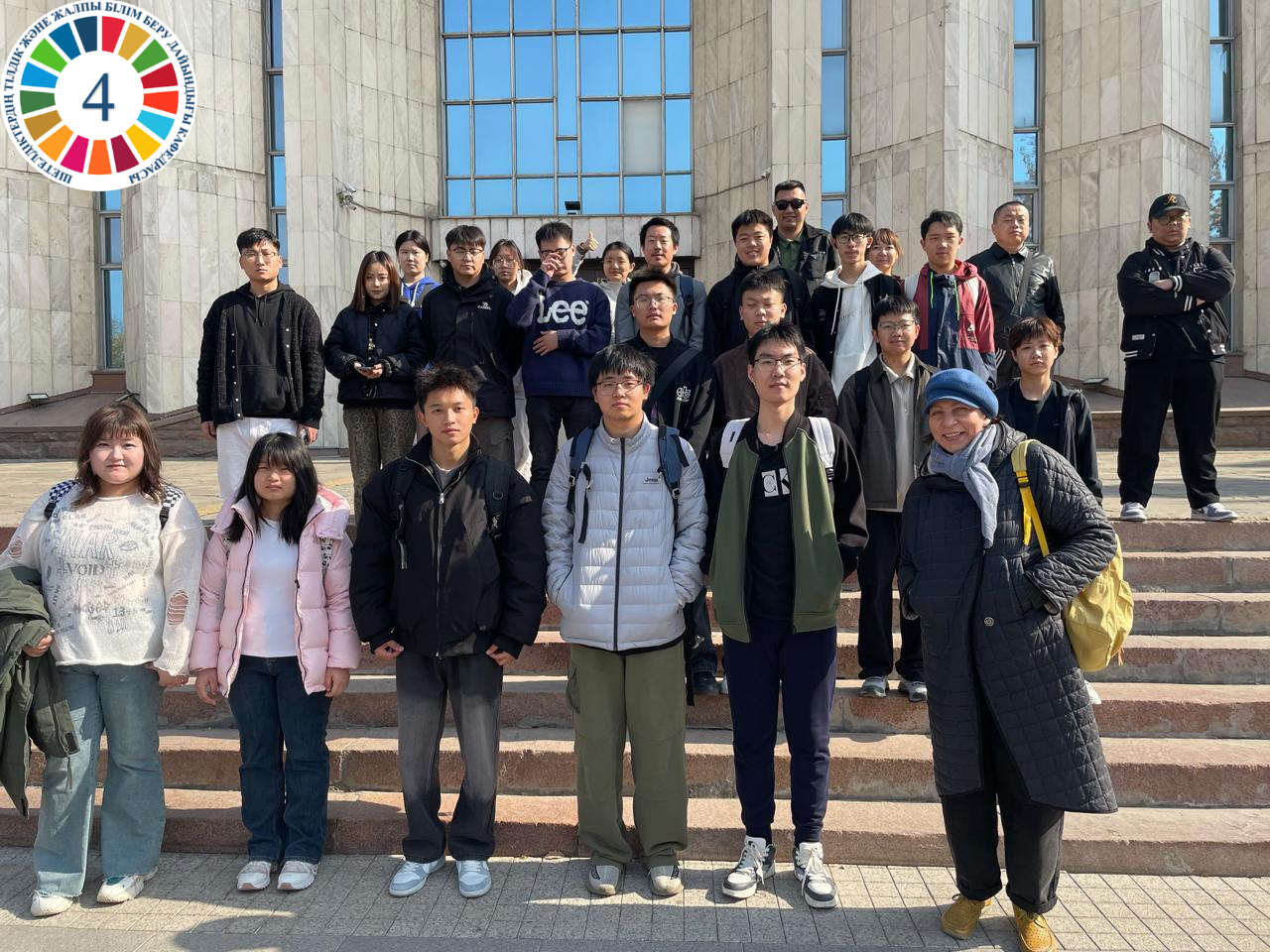
The visit to the Central State Museum of the Republic of Kazakhstan became a key event in the educational program for 30 students from China, who arrived at Al-Farabi KazNU to study the Kazakh and Russian languages. Timed to coincide with a date significant for the country—Republic Day—this visit offered the young people, many of whom were in Kazakhstan for the first time, a unique opportunity not just to see, but to deeply sense the richness and diversity of local history and culture.
The journey through the museum's exhibitions was a true eye-opener for the international guests. It began in the "Paleontology and Archaeology" hall, where the guests familiarized themselves with the region's ancient history, viewing fossilized remains and artifacts dating back to the Stone and Bronze Ages. Meeting the copy of the golden attire of the famous "Golden Man" sparked genuine wonder, becoming a vivid symbol for the students of the high craftsmanship and unique culture of the ancient Saka tribes.
The immersion into the national spirit continued in the "Historical Ethnography" hall. Here, KazNU students discovered the nomadic civilization, admiring household items, unique jewelry, traditional clothing, and carpets. Of particular interest was learning about the structure and interior of the Kazakh yurt—a symbol of hospitality and the nomadic lifestyle, which was a completely new and amazing experience for the guests.
Next, the exhibitions "History and Culture of the Diasporas of Kazakhstan" and "Kazakhstan during the Great Patriotic War" showcased the unity and solidarity of the multi-ethnic people. Students saw how the shared destiny of many ethnic groups was formed and honored the memory of heroes at the "Circle of Glory."
The tour concluded with a look at the "Modern Kazakhstan" hall, which presented the country's achievements since 1991, including state symbols, awards, currency, and reflected the development of key sectors of the independent republic's life. Rare archaeological discoveries from the "Open Fund" and the collection of the "Museum of Anthropology" left additional impressions. Student Bai Xiao from China, clearly impressed, did not put down his camera, eager to capture every detail—from the patterns on the carpets to the exquisite jewelry—to preserve these moments as part of his personal discovery of Kazakhstan.
Such a comprehensive educational experience, filled with vivid emotions and discoveries, goes beyond language training, contributing to the achievement of the Sustainable Development Goals (SDGs). Specifically, it supports the implementation of SDG 4: Quality Education, as deepening knowledge about the culture and history of Kazakhstan, from ancient artifacts to the history of coexistence of various ethnic groups, develops global citizenship and a deep respect for cultural diversity in the youth.The students left not only with new knowledge but also with unforgettable impressions that will undoubtedly motivate them to study Kazakhstan more deeply.
I.K. Nusretillayeva
is a lecturer at the Department of Language and General Education Training of Foreigners at the Faculty of Pre-university Education
Al-Farabi Kazakh National University
Other news