- Main
- News
- Al-Farabi KazNU Celebrated the International Day of Women and Girls in Science: Focus on Digital Technologies and VR Education
Al-Farabi KazNU Celebrated the International Day of Women and Girls in Science: Focus on Digital Technologies and VR Education
.jpeg)
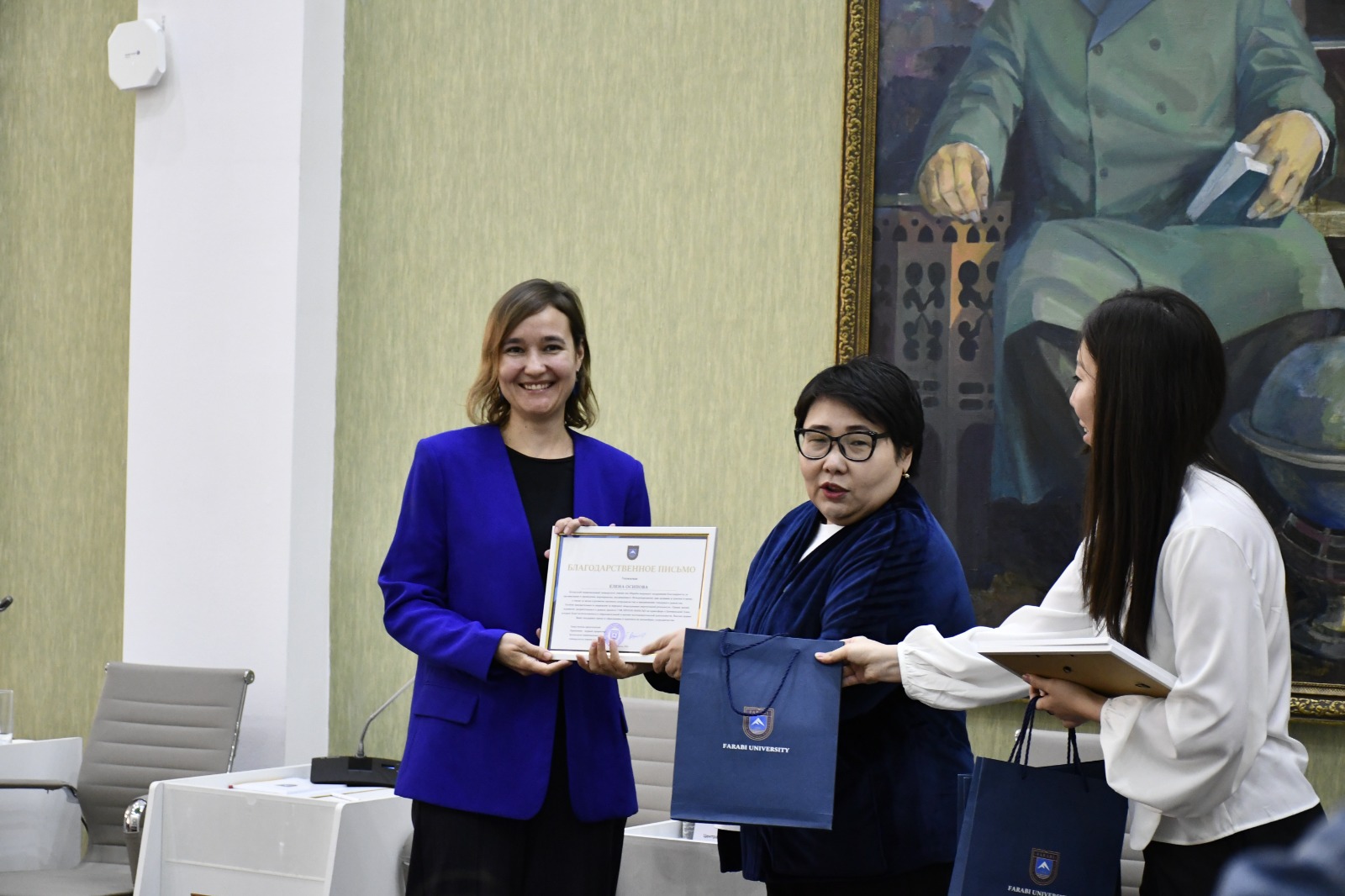
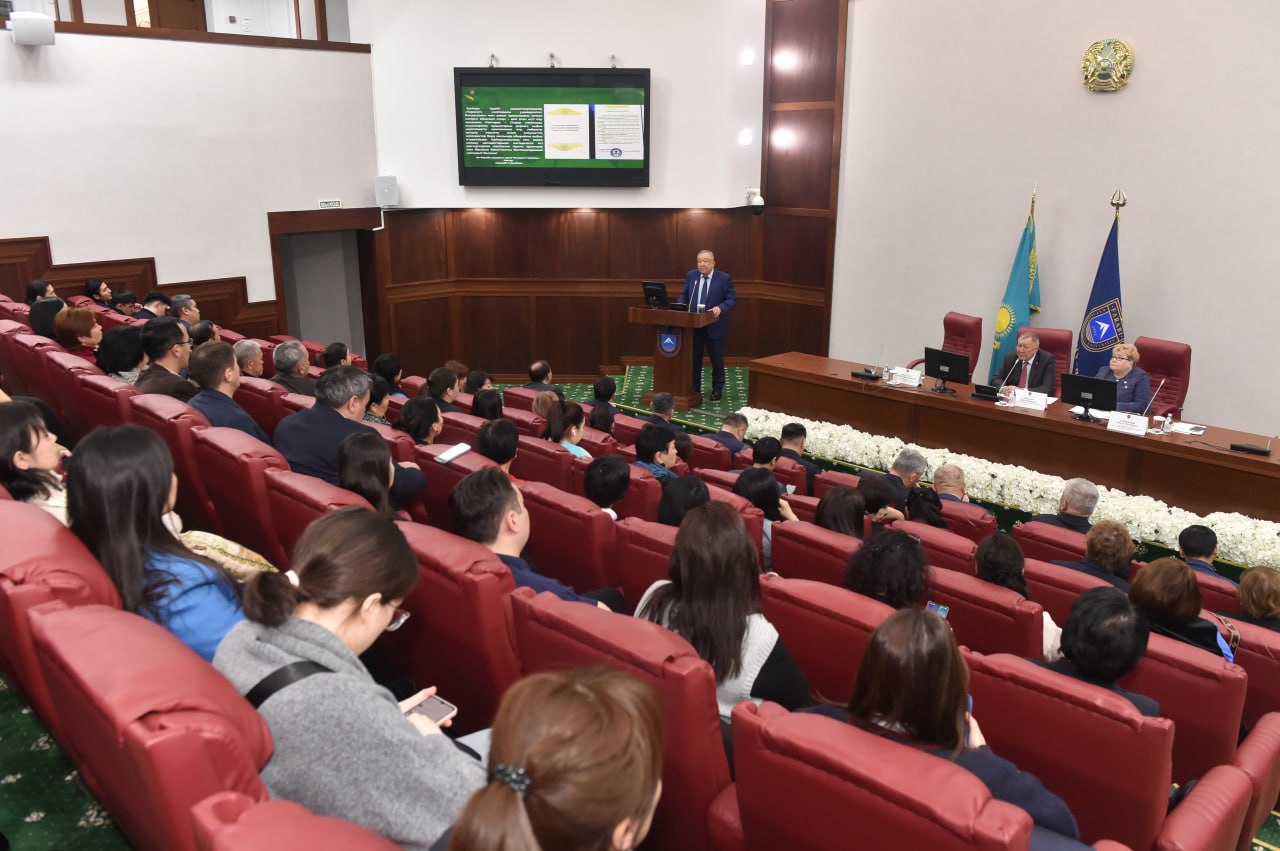
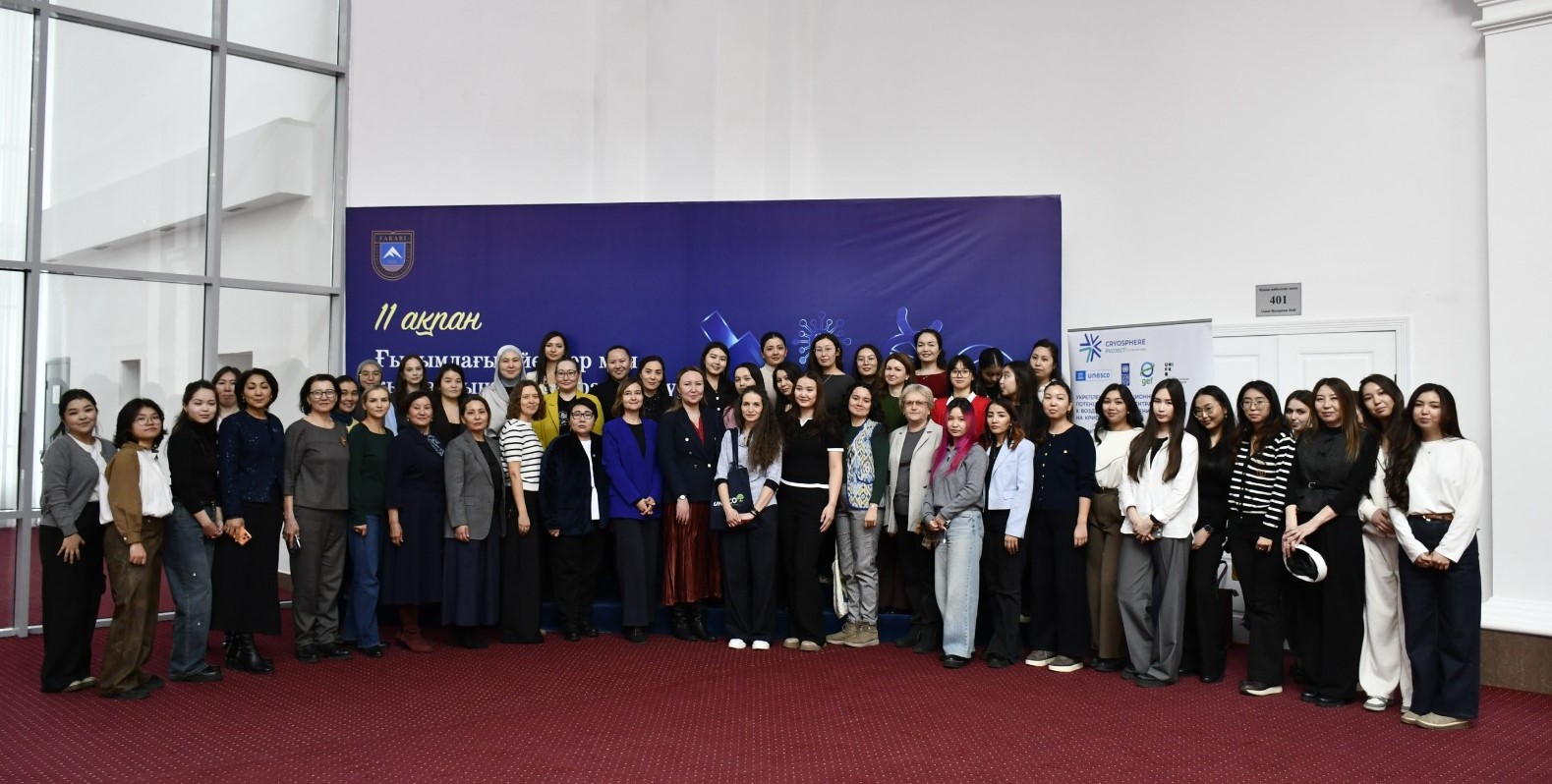
On February 11, 2026, an event dedicated to the International Day of Women and Girls in Science was held at the library of Al-Farabi Kazakh National University. The initiative was organized by the UNESCO Regional Office in Almaty.
The event brought together representatives of the academic community, international organizations, and young women researchers to discuss the role of women in the development of science and technology, as well as modern educational tools.
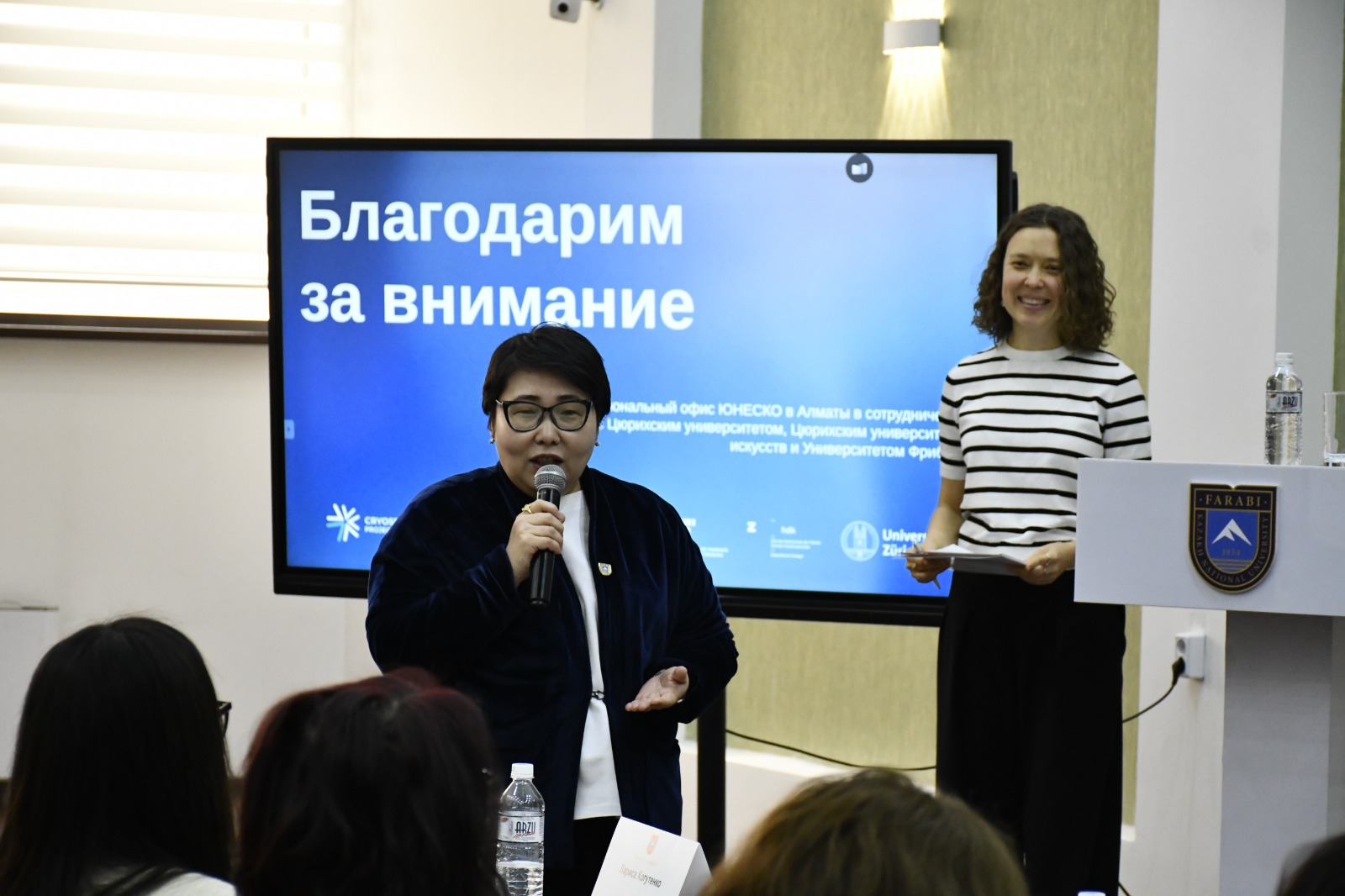
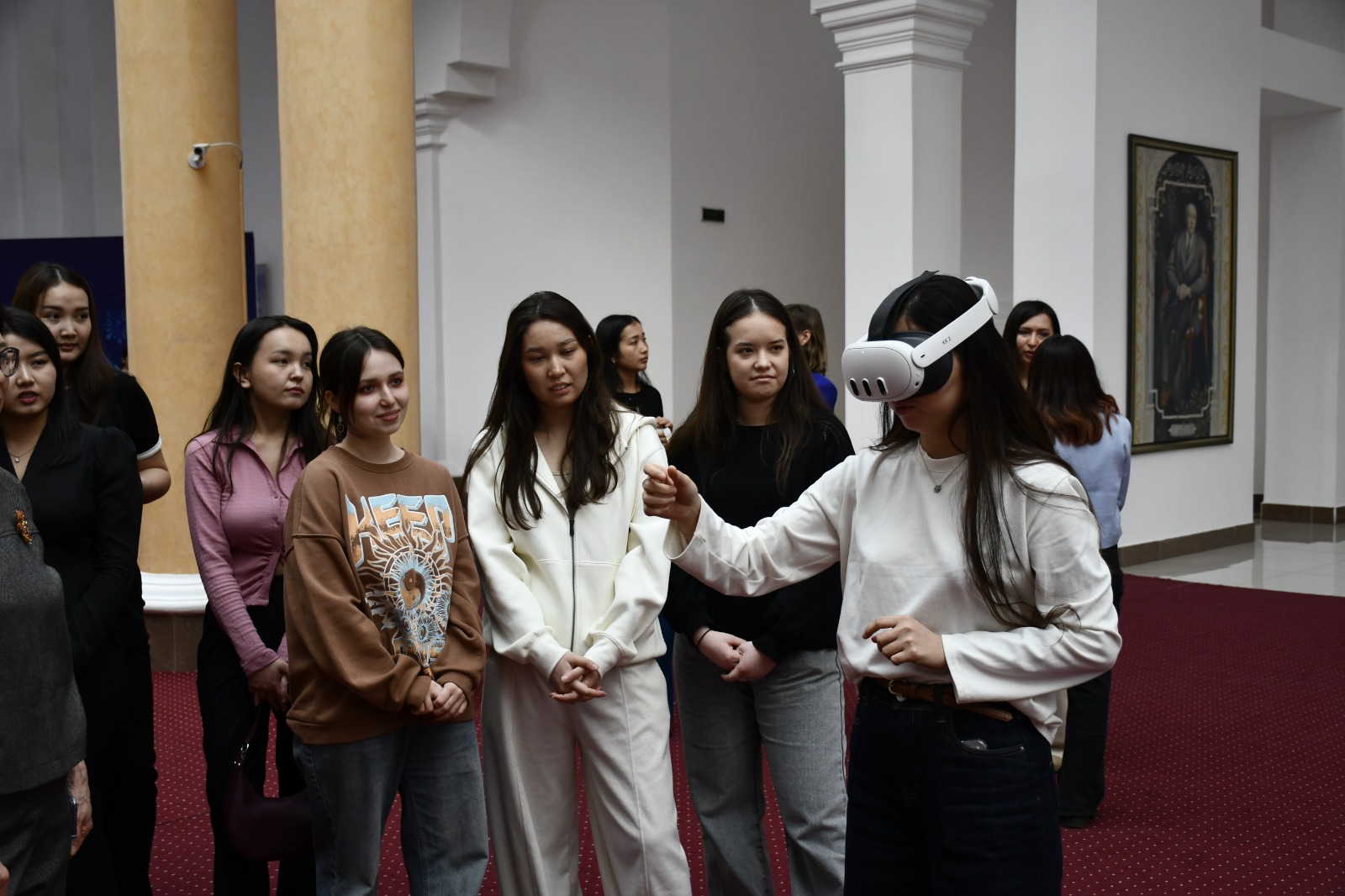
Special attention was given to the official handover ceremony of the virtual reality equipment set “Glaciers’ Life Lines,” developed within the framework of the GEF–UNDP–UNESCO project on the cryosphere in Central Asia. The VR equipment was transferred to the Faculty of Geography and Environmental Management for integration into the educational process.
The VR program includes four interactive modules:
- Irrigation
- Hydropower
- Glacier Monitoring
- Disaster Risk Reduction
The technology enables students to immerse themselves in the processes of glacier formation and degradation, observe the impact of climate change on water resources in Central Asia, and understand the interconnection between the cryosphere and the region’s socio-economic development.
The use of virtual reality in education provides:
1) Deep immersion into complex natural processes. Students gain a clear understanding of glacier dynamics and climate change, significantly enhancing their level of comprehension.
2) Increased motivation and engagement. The interactive learning format strengthens interest in scientific disciplines, especially among girls and young women researchers.
3) Development of practice-oriented skills. VR allows simulation of monitoring scenarios, risk assessment, and water resource management without the need for field trips to high-altitude areas.
4) Formation of digital competencies. The use of modern technologies meets the requirements for training a new generation of specialists in geography, climatology, and sustainable development.
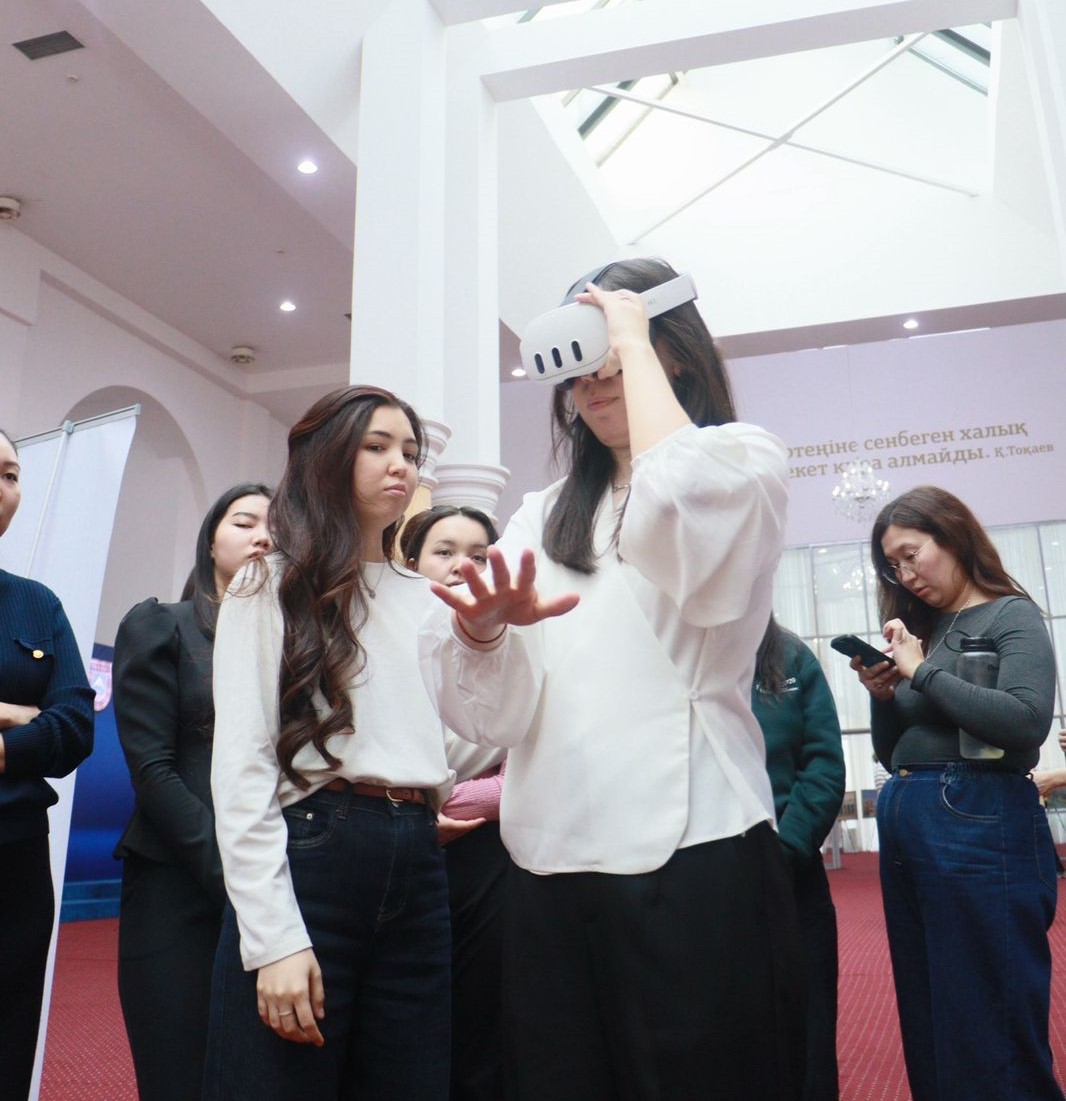
The integration of VR solutions into the educational process strengthens KazNU’s position as a leading scientific and educational center in the region, implementing advanced digital tools for training specialists in climate change, water resources, and sustainable development.
The event demonstrated that the combination of gender equality, international partnership, and innovative technologies forms a new model of 21st-century university education.
The project contributes to achieving Sustainable Development Goal 4 “Quality Education” by ensuring access to modern digital educational technologies and also strengthens SDG 17 “Partnerships for the Goals” through effective cooperation between the university and international organizations and the development of educational infrastructure.