Academic Management and Quality of Education: Intensive for Managers and Teachers
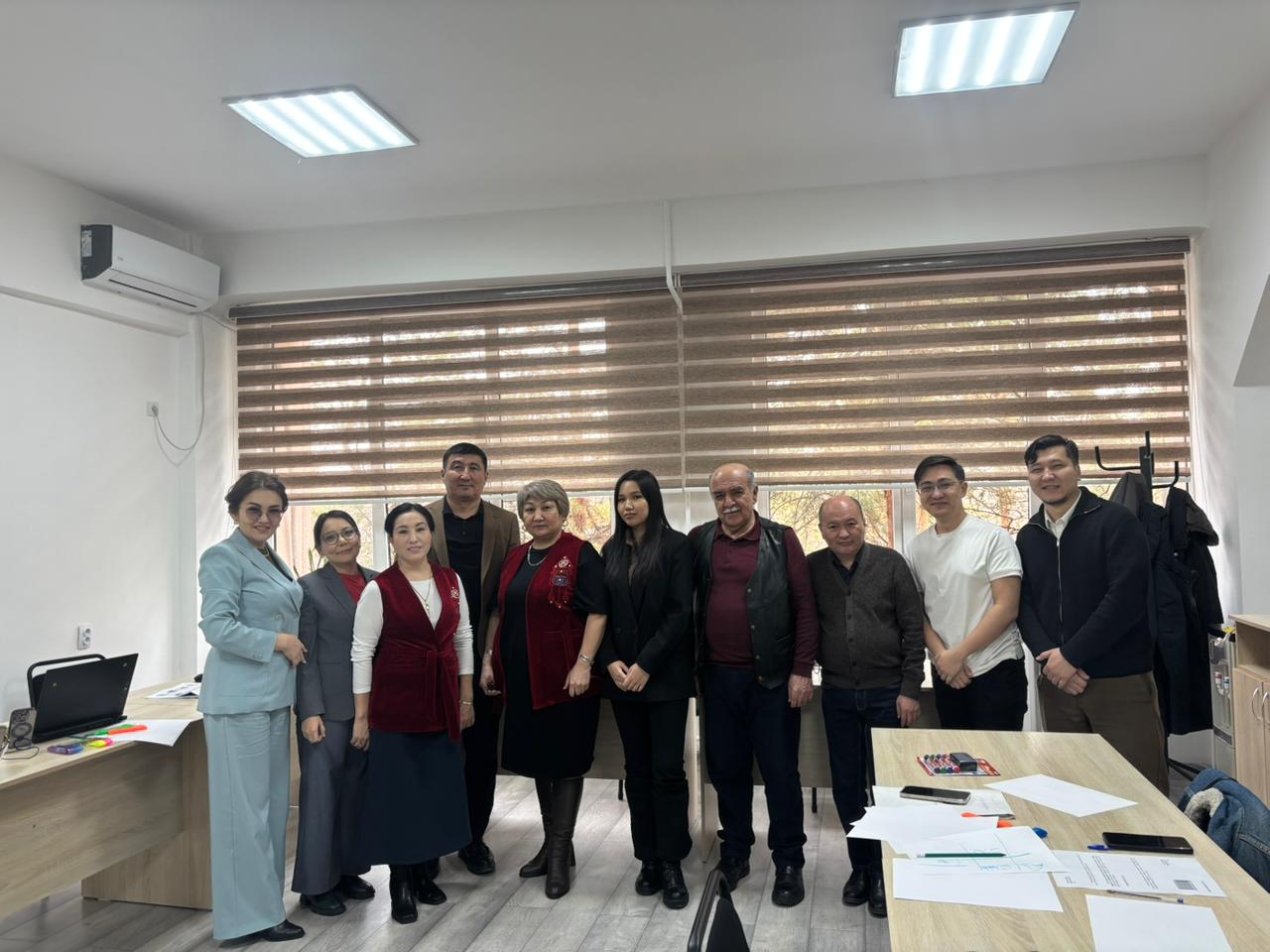
On March 6, 2026, the strategic session continued its work. Within the framework of PROFESSIONAL WEEK – 2026, organized at Al-Farabi Kazakh National University, and based on the results of the expert strategic session “Academic Management and Quality of Education: Intensive for Managers and Teachers” held from March 3 to March 6, 2026, the Department of Customs, Financial and Environmental Law of the Faculty of Law held an intra-faculty strategic meeting for the teaching staff.
Within the framework of this event, the department organized an intra-faculty expert strategic session on the topic “The Use of ChatGPT, Copilot and Other Artificial Intelligence Tools in the Redesign of Academic Disciplines.”
The session was opened by the Head of the Department, Doctor of Law, Professor G.A. Kuanaliyeva, who introduced the participants to the goals and main objectives of the event.
The main purpose of the session was to improve the educational process, enhance the quality of teaching through updating the content of academic disciplines, and share effective practices in using artificial intelligence tools in the development of learning outcomes, syllabi, and assessment tasks.
During the session, the following key issues were discussed:
- methodology for redesigning academic disciplines;
- opportunities for integrating ChatGPT, Copilot and other artificial intelligence tools into the educational process;
- modern approaches to developing syllabi and formulating learning outcomes;
- practical examples and case studies aimed at improving the quality of education.
During the discussions, the teaching staff of the department delivered informative presentations and shared the experience gained during the strategic session. In addition, the participants discussed effective ways of applying artificial intelligence tools in the educational process.
In the practical part of the session, the teaching staff was divided into three groups and completed practical tasks. Each group worked on updating the content of academic disciplines, clarifying learning outcomes, improving the structure of syllabi, and developing assessment tasks using artificial intelligence tools, after which they presented the results of their work.
The strategic session contributed to enhancing the professional competence of the teaching staff, promoting the effective integration of modern digital technologies into the educational process, and further improving the quality of education at the faculty.