Заманауи кітапхана моделін қалай дамытамыз?
The Head of State’s Decree “On Measures to Develop a Culture of Reading and Build an Enlightened Nation” is an important initiative aimed at enhancing the intellectual potential of the country.
The main focus of the Decree is to promote reading and adopt the Law “On Books and Library Affairs.” It is also worth noting that the proposals outlined in the Decree on the formation of a unified national digital system represent an important strategic step toward the systematic modernization of the library sector. These initiatives will not only strengthen the regulatory and legal framework of library services but also give new impetus to the development of the sector through the digitization of information resources, the creation of a unified information space, and increased accessibility of library services.
The implementation of the objectives and measures outlined in the Decree places a great responsibility on the library community.
One of the objectives identified as a priority area of state policy in the fields of culture, education, and innovation under the Presidential Decree is the development of modern infrastructure for readers, namely the creation of libraries and public spaces in new formats through the widespread use of digital tools.
In this regard, the Al-Farabi Library is also contributing to the implementation of the President’s initiative, playing an important role in promoting a culture of reading and fostering an enlightened nation and an educated younger generation.
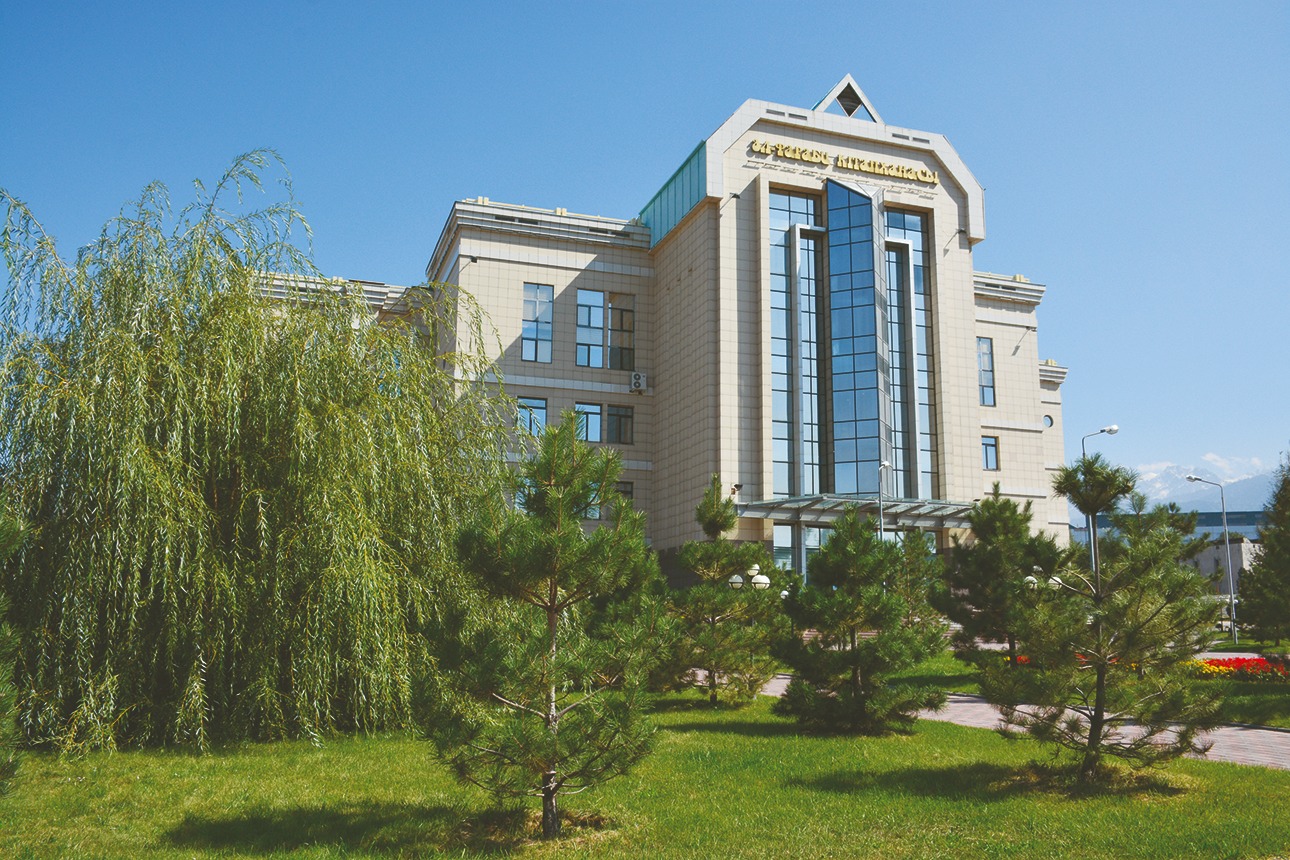
Founded in 1934 alongside Al-Farabi Kazakh National University, the university’s scientific library is now widely recognized as one of the leading university libraries in Kazakhstan. Developing alongside the university’s academic and educational activities, the library has today become a modern information, cultural, and intellectual center.
In 2012, the library moved to a new modern five-story building with a total area of 17,846.1 square meters. In 2014, the library was named after the great thinker Al-Farabi. This was an important step that highlighted the library’s scientific and spiritual significance.
Today, the Al-Farabi Library, as a structural division of the university, provides students, teaching and academic staff, and employees with information and library resources necessary for educational and research activities.
One of the key objectives set out in the Presidential Decree is to modernize reader infrastructure, including the creation of libraries in new formats and multifunctional public spaces, as well as the introduction of modern information systems and services. The Al-Farabi Library’s facilities fully correspond to this objective.
The library’s collection comprises more than 2 million publications, while users have access to international scientific databases such as Springer, Scopus, ScienceDirect, Oxford, Wiley, and JoVE. In recent years, extensive work has been carried out to digitize library services and modernize its information infrastructure. For example, an electronic reader card accessible via mobile devices has been introduced. Through this system, readers can obtain information about borrowed books and directly access the electronic catalog and the university’s “Univer” system.
In addition, the UniKeeper PRO automated storage and reservation system has been launched at the library. The system enables 24-hour book returns, as well as online reservations, storage of personal belongings, and charging of mobile devices, and provides audio support in the Kazakh language.
The library’s website has also been improved in accordance with modern requirements. Sections such as “Version for the Visually Impaired” and “Inclusive Education” have been introduced, while online platforms and educational video materials are available. The ability to use electronic services via the Internet at any time provides readers with greater convenience and improves the quality of services.
The infrastructure of the Al-Farabi Library is also equipped in accordance with modern requirements. The library has a traditional reading room with 700 seats, an electronic library hall with 270 seats, and a collection of rare books and manuscripts. In addition, the library has a dissertation hall, the First President’s Hall, the Al-Farabi Center and Museum, an exhibition hall, several conference halls, and a café.
Of particular note is the research conducted in the Hall of Rare and Valuable Books and Manuscripts named after Academician A. Derbisali, which contains materials dating from the 18th to the 21st centuries and is of particular scientific value. The Al-Farabi Center at the library also systematically conducts research into the scholarly works of the great thinker.
The library includes departments responsible for collection development and service support, information services, and library technologies, as well as development and communications and digitization centers.
Today, the Al-Farabi Library contributes to the development of quality education and science as an important information, educational, and cultural center of the university. The library maintains close ties with faculties and departments, studies the needs of students and teaching staff, and regularly organizes exhibitions of newly acquired literature. It also conducts systematic work to develop cooperation with higher education institutions across the country.
To support the President’s initiative, the Al-Farabi Library is developing an action plan and roadmap aimed at implementing the objectives set out in the Decree. These include measures to develop a modern library model in the era of artificial intelligence, expand electronic resources, and increase access to scientific information. At the same time, the university library will continue to systematically implement projects aimed at increasing readers’ interest in books, developing a culture of reading, and promoting national and world literature.
In 2027, our library plans to hold an international scientific and practical conference dedicated to Librarian’s Day and National Book Day. The event will serve as an important platform for the development of library services, professional exchange of experience, and promotion of a culture of reading.
In conclusion, the Al-Farabi Library of KazNU is developing as one of the leading information, educational, and cultural centers in the fields of science and education, combining established traditional library services with modern digital technologies. Today, in addition to providing research and educational activities with high-quality information resources, the library makes a significant contribution to promoting a culture of reading, fostering an enlightened nation and an educated younger generation, and promoting spiritual values.
Within the framework of the Presidential Decree, work to modernize library services, improve digital infrastructure, expand electronic resources, and develop a modern library model tailored to readers’ needs will continue.
Thus, the Al-Farabi Library continues to develop as one of the important centers in the field of education and science, combining traditional library services with modern digital technologies in the era of artificial intelligence.
Zhadra AREKENOVA,
Director of the Al-Farabi Library
Басқа жаңалықтар