Strengthening Academic Cooperation through Professional Development:
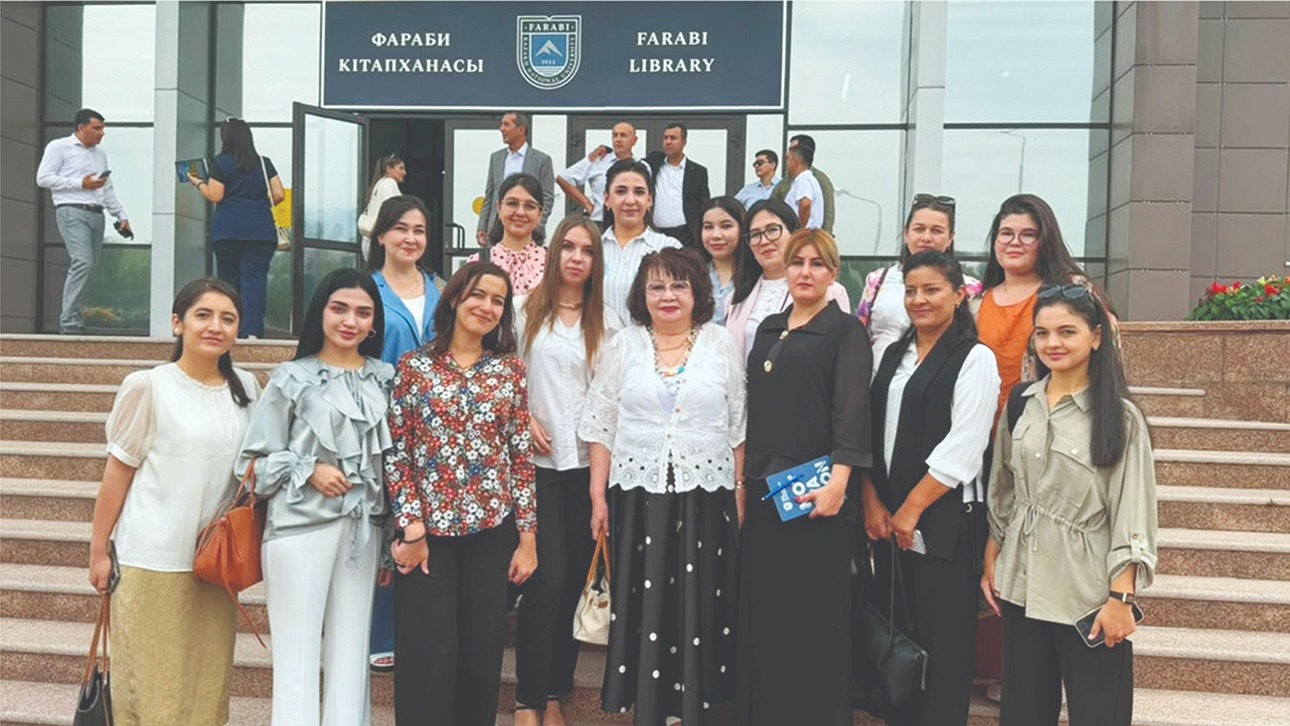
A Partnership between Al-Farabi Kazakh National University and Asian International University
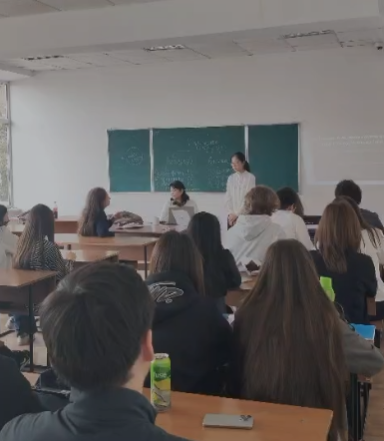
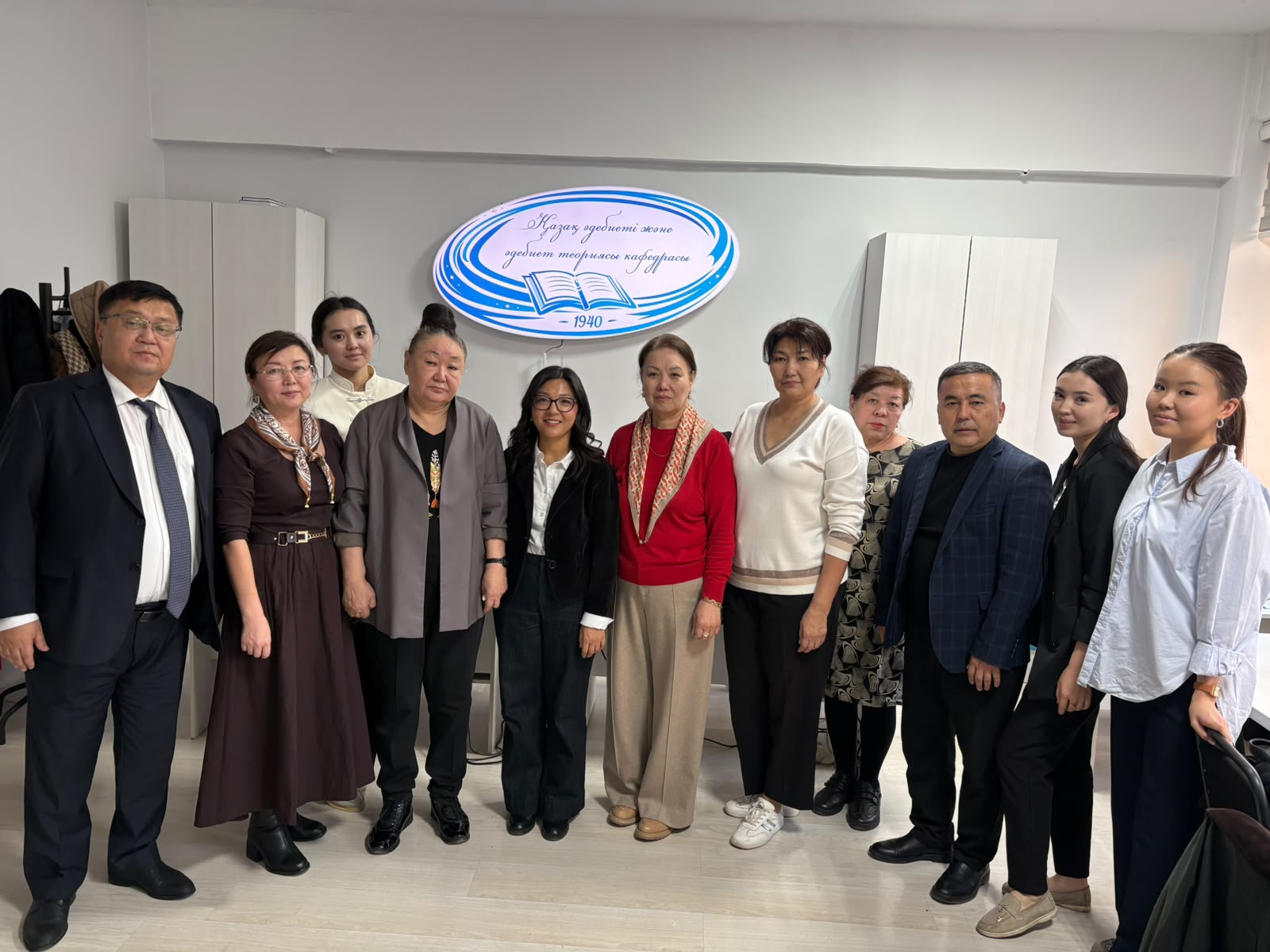
In line with the cooperation agreement between Al-Farabi Kazakh National University and Asian International University in Bukhara, Uzbekistan, an online professional development course for teachers of English was organized.
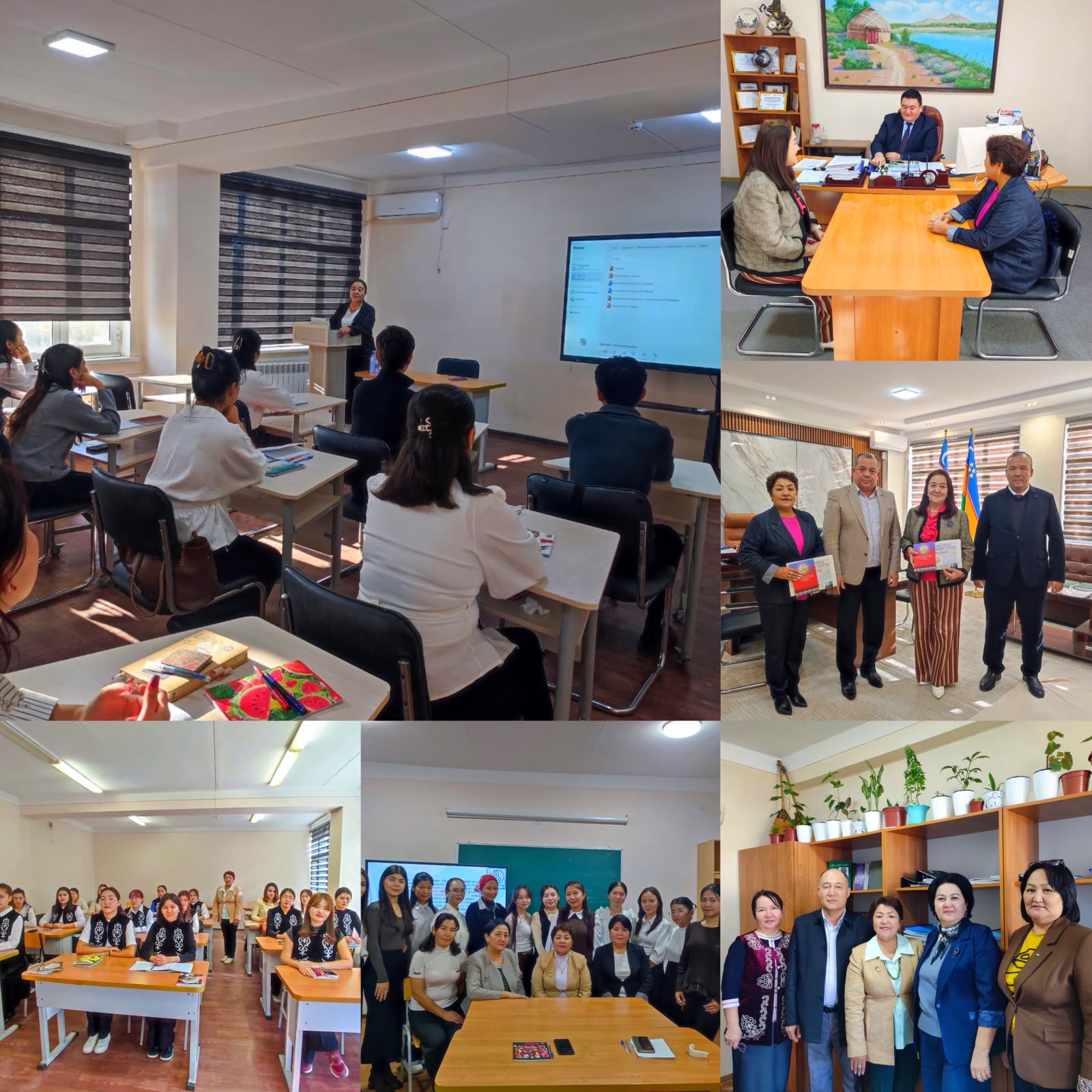
The course brought together fourteen instructors from the Department of Foreign Languages and Social Sciences at AIU. The participants represented a highly qualified and motivated group of English language educators committed to continuous professional development. They are: Ashirova Havva, Berdiyeva Sitora, Nasridinova Sitora, Nosirova Dinoza, Raximova Zarina, Tursunova Marxabo, Xakimova Nargiza, Fayzullayeva Nigina, Mavlonova Saida,Rofiyeva Nozanin, Hamroyeva Sanobar, Jo‘rayeva Mohinabonu ,Saakyan Roza, Otajonova Mahliyo,Jalilova Zarnigor.
The course program envisaged the creation of a collaborative environment in which participants could practice their speaking skills, reflect on their professional practices, exchange experiences and explore contemporary trends in language education and it was based on the principles of participant-centered learning, professional dialogue, and reflective practice. As a course leader I acted primarily as a facilitator who guided discussions, encouraged critical reflection and created opportunities for collaborative learning rather than adopting the traditional role of an instructor. The main teaching methods employed during the lessons included group discussions, the expression of personal opinions on various topics, and presentations. Academic cooperation between universities has always played a crucial role in creating opportunities for professional growth, knowledge exchange, and the dissemination of innovative teaching practices.
The study program included plenty of home assignment and classwork. All the ladies, as I call them, demonstrated extraordinary creativity, diligence and hard work when preparing their homework. They introduced me to the history of their hometown, Bukhara, and I enjoyed learning about their culture: customs, traditions and cuisine. I have also discovered for myself one amazing fact about all course participants: everyone speaks 4-5 languages( Uzbek, Tajic, Russian, English) . Havva speaks her native tongue , Tartar and Roza speaks Armenian.
Their presentations on Uzbek traditions, customs and cuisine were particularly interesting and engaging. An important part of the study program was the exchange of teaching experience. By doing so, the teachers have demonstrated how inventive, talented, and resourceful they are as teachers. They had 30-40 minutes to conduct lessons with their colleagues as students. The lesson topics reflected the participants' creativity and their commitment to innovative language teaching. All the topics of the lessons sounded astonishingly new: “The butterfly effect. How one small decision can change everything” (Ashirova H), “Transformative learning” (Nosirova D), “Design thinking” (Khakimova N), “Innovative learning” (Hamroyeva S), “Visible thinking routines in ELT” (Jo‘rayeva M.) and “The science of Humor” (Saakyan R.), “Unlearning to teach” (Rofiyeva N.), “Teaching speaking skills” (Otajonova M.), “Flipped classroom” (Mavlonova S.)
Having devoted more than four decades to language education, I can confidently state that Asian International University has assembled an outstanding team of English language educators whose professionalism, creativity, and commitment to teaching deserve the highest recognition.
This professional development course demonstrated that international academic cooperation is not merely an exchange of expertise but a dialogue between colleagues who share common educational values. Such initiatives strengthen institutional partnerships, inspire pedagogical innovation, and ultimately contribute to preparing future generations of specialists capable of meeting the challenges of an increasingly interconnected world.
A. Muldagaliyeva
Other news