Hangul Day Celebrated at the Department of the Far East
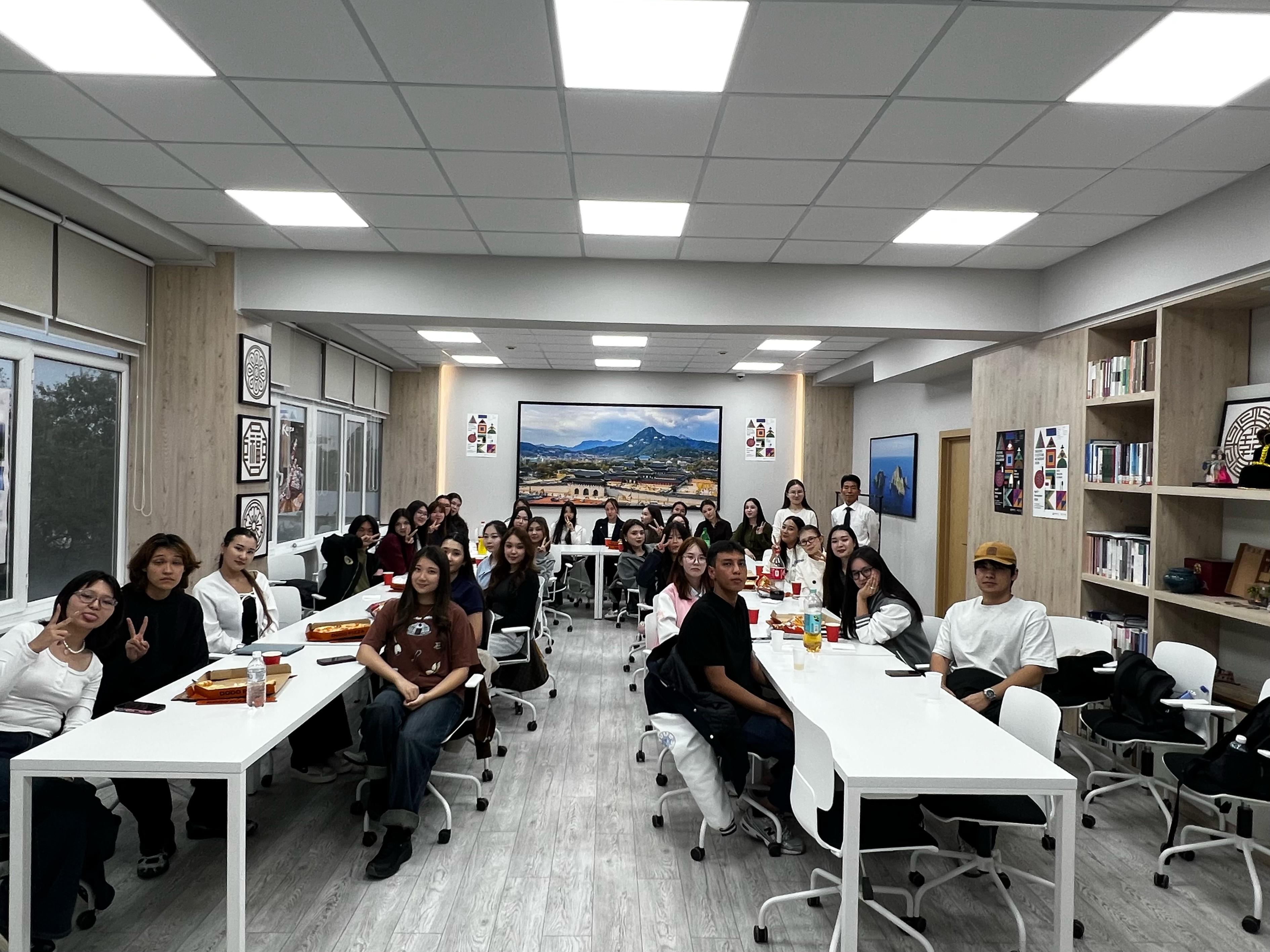
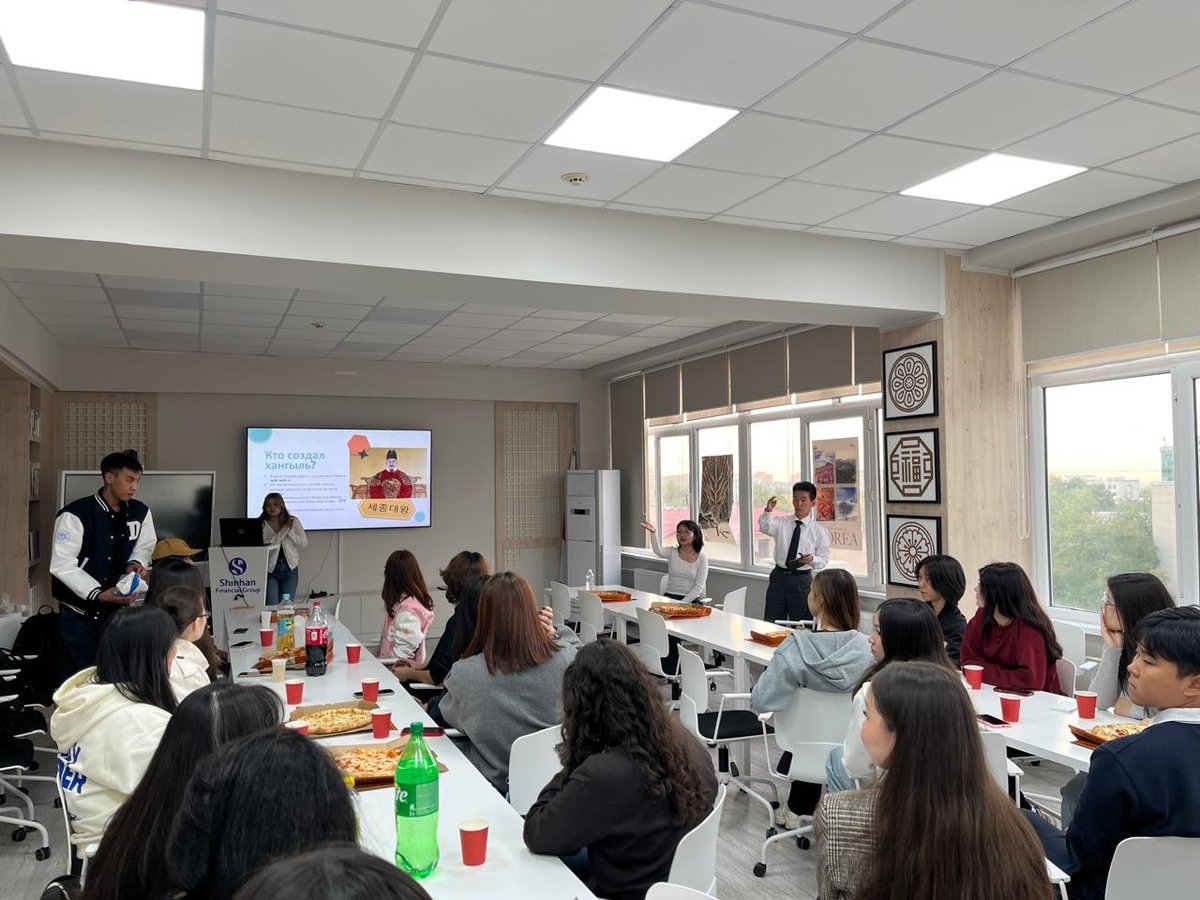
On October 9, 2026, an event dedicated to Hangul Day (한글날), the celebration of the Korean writing system, was held at the Department of the Far East, Faculty of Oriental Studies, Al-Farabi Kazakh National University. The event was organized by the Korean Studies Section of the Department of the Far East.
The main objective of the event was to introduce students to the history and cultural significance of the Korean alphabet, increase their interest in learning the Korean language, encourage creative engagement, and strengthen friendships among students from different academic years.
During the event, students learned about the history of the creation of the Korean alphabet, its distinctive features, and its significance in the development of Korean culture. Special attention was given to the role of King Sejong the Great in promoting literacy and establishing the national writing system.
As part of the festive program, students presented creative performances and participated in thematic quizzes, language games, and various interactive activities aimed at expanding and reinforcing their knowledge of the Korean language and writing system.
An important part of the event was a gathering of senior and junior students, organized to strengthen connections between different academic years and foster friendships within the Korean Studies Section. Joint participation in educational and creative activities encouraged informal communication, the exchange of experiences, and the development of a friendly and supportive atmosphere.
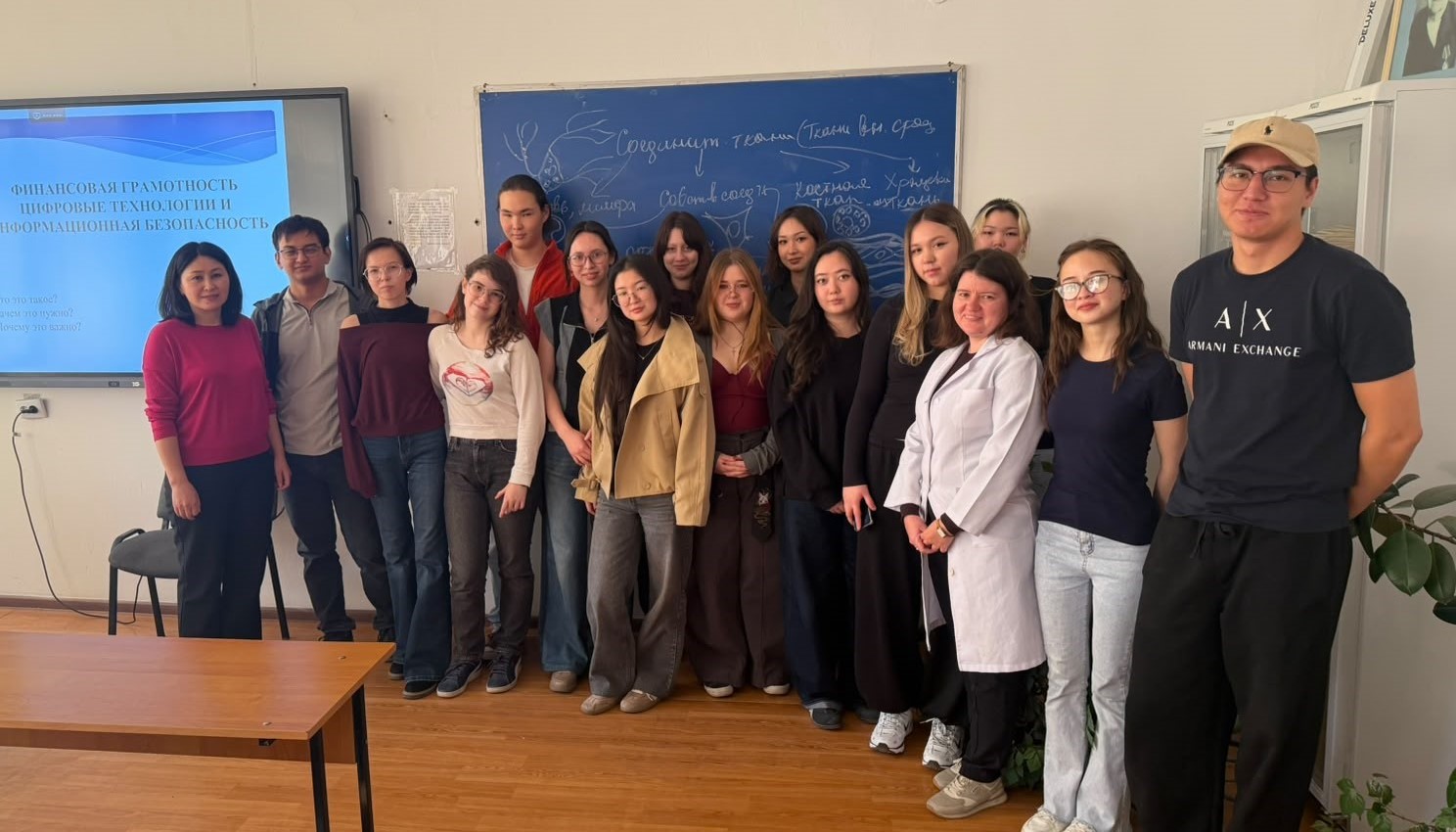
The event was attended by lecturers A. B. Abagan, N. E. Khamitova, A. N. Bidakmet, A. E. Sailaukenova, and B. Zh. Tashkenbayeva from the Korean Studies Section of the Department of the Far East, along with students of the Korean Studies program.
Organizing such cultural and educational events is an important part of the Korean Studies Section’s academic activities. These initiatives contribute to deepening students’ knowledge of the Korean language, history, and culture, developing their intercultural competence, increasing their motivation to study Korean, and strengthening connections among students from different academic years.