“Drug Addiction — The Scourge of the Century!”
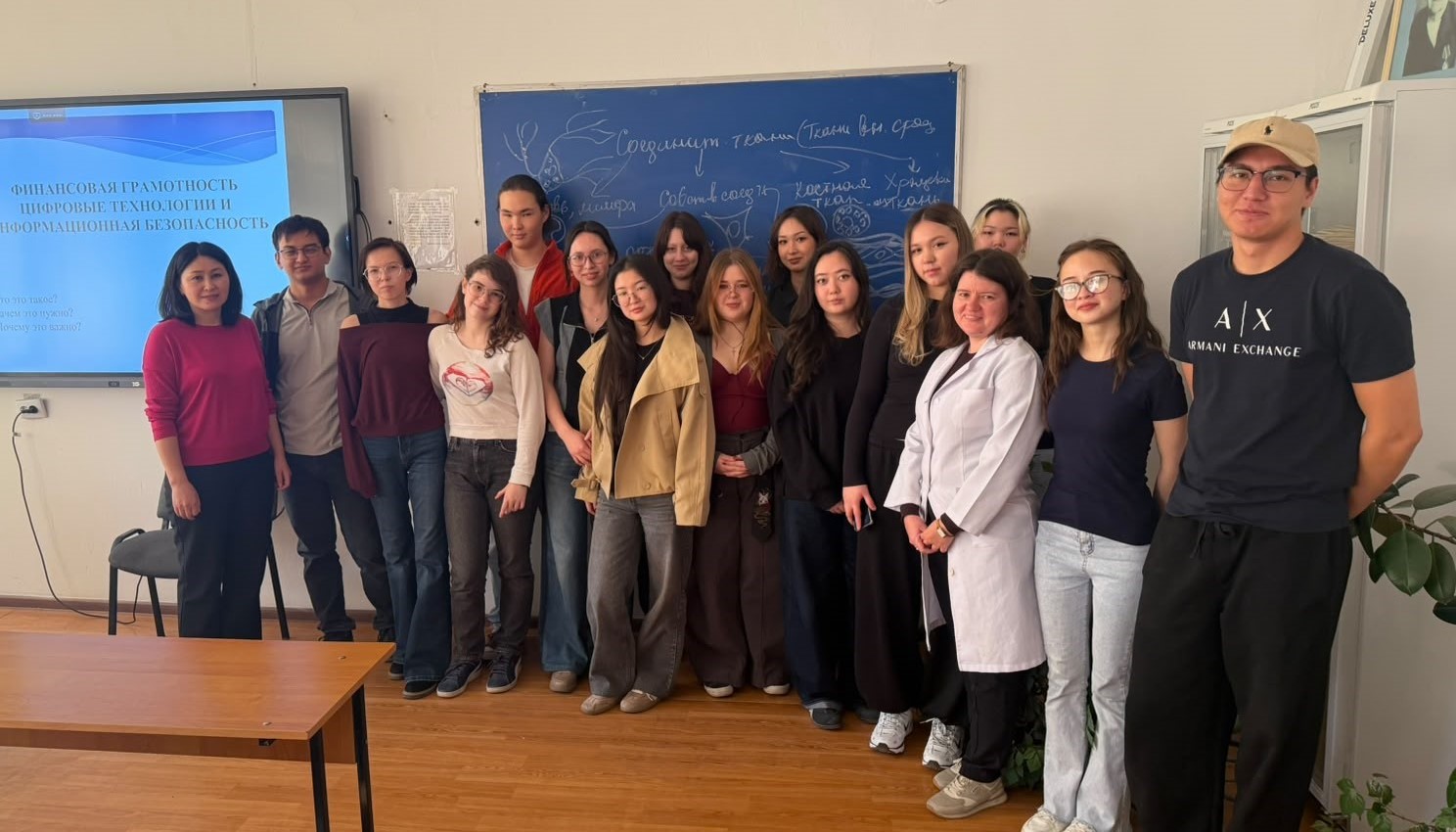
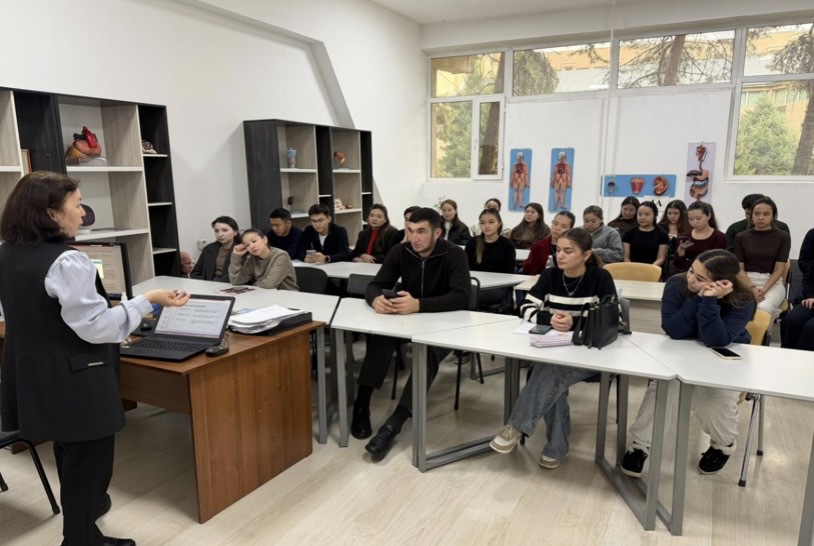
A curator-led session was held for students of group RET-225 as part of the “Drug Addiction — The Scourge of the Century!” project. The meeting aimed to strengthen spiritual and moral values, encourage a responsible attitude towards drugs among young people, and promote a healthy lifestyle.
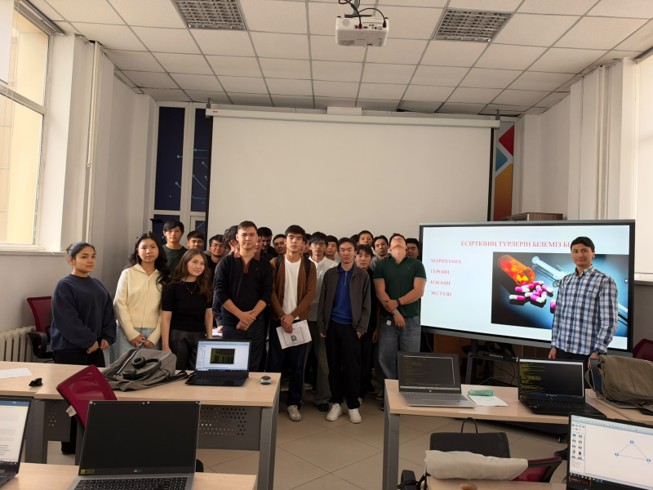
Students of group RET-225 took part in a preventive meeting with law enforcement representatives as part of the “Drug Addiction — The Scourge of the Century!” project. The meeting aimed to strengthen spiritual and moral values, encourage a responsible attitude towards drugs, and promote a healthy lifestyle among young people.
The discussion covered the harmful effects of drugs and psychotropic substances on a person’s health, life and future, ways to prevent drug addiction, and the legal consequences of offences. Students had the opportunity to ask questions and received useful information.
The event encouraged young people to make informed choices, take responsibility for their health, and avoid harmful habits.
The meeting aimed to deepen students’ understanding of the consequences of drug and psychotropic substance use and to reinforce safer decision-making. The discussion highlighted that even trying a substance once can involve serious risks. Dependence can affect physical and mental health, studies, relationships with family and friends, and a person’s plans for the future.
Prevention begins with reliable information and the confidence to make an independent choice. Students were encouraged to recognize peer pressure, refuse unsafe offers, and seek support from a trusted adult, a qualified professional, or the appropriate authorities if they encounter a risk. Understanding legal responsibility also helps young people consider the possible consequences of their actions and avoid involvement in unlawful activity.
The conversation also emphasized the value of a supportive community and open communication. When people feel able to ask for help, concerns can be addressed earlier. Meaningful activities such as study, sport, creative work, and spending time with supportive peers can contribute to a healthy routine. Everyone can help build a safer environment by respecting others’ choices, refusing to promote harmful substances, and sharing concerns with someone able to help.
In conclusion, students were reminded that protecting their health and making informed decisions are important for their well-being and future opportunities. The meeting encouraged them to think critically, look after themselves, and contribute to a respectful and safe student community.
Other news