- Main
- Office of Equality, Diversity and Inclusion
- SDG 4: A Seminar-Training on “Personal Charisma and Effective Communication” Was Held
SDG 4: A Seminar-Training on “Personal Charisma and Effective Communication” Was Held
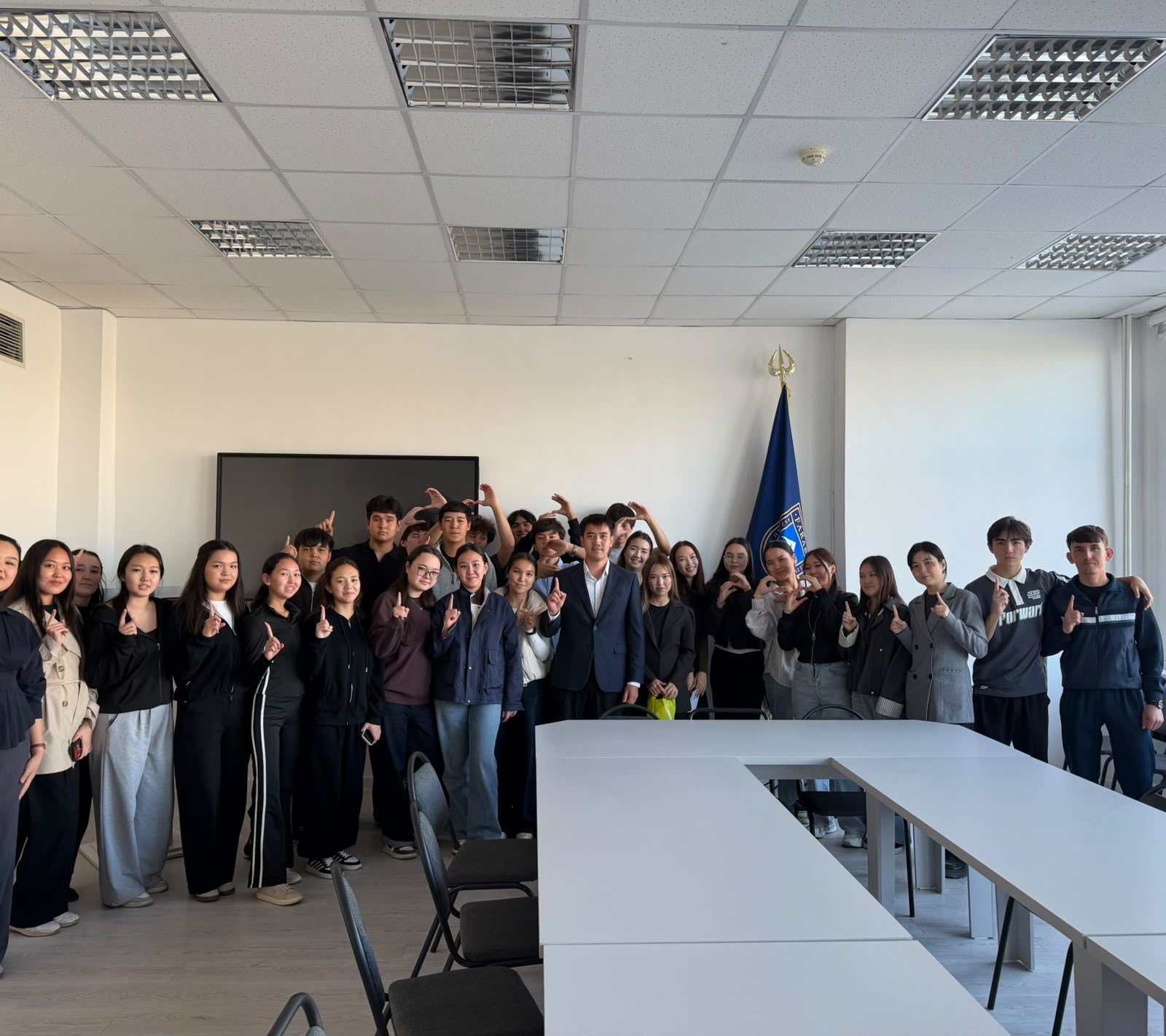
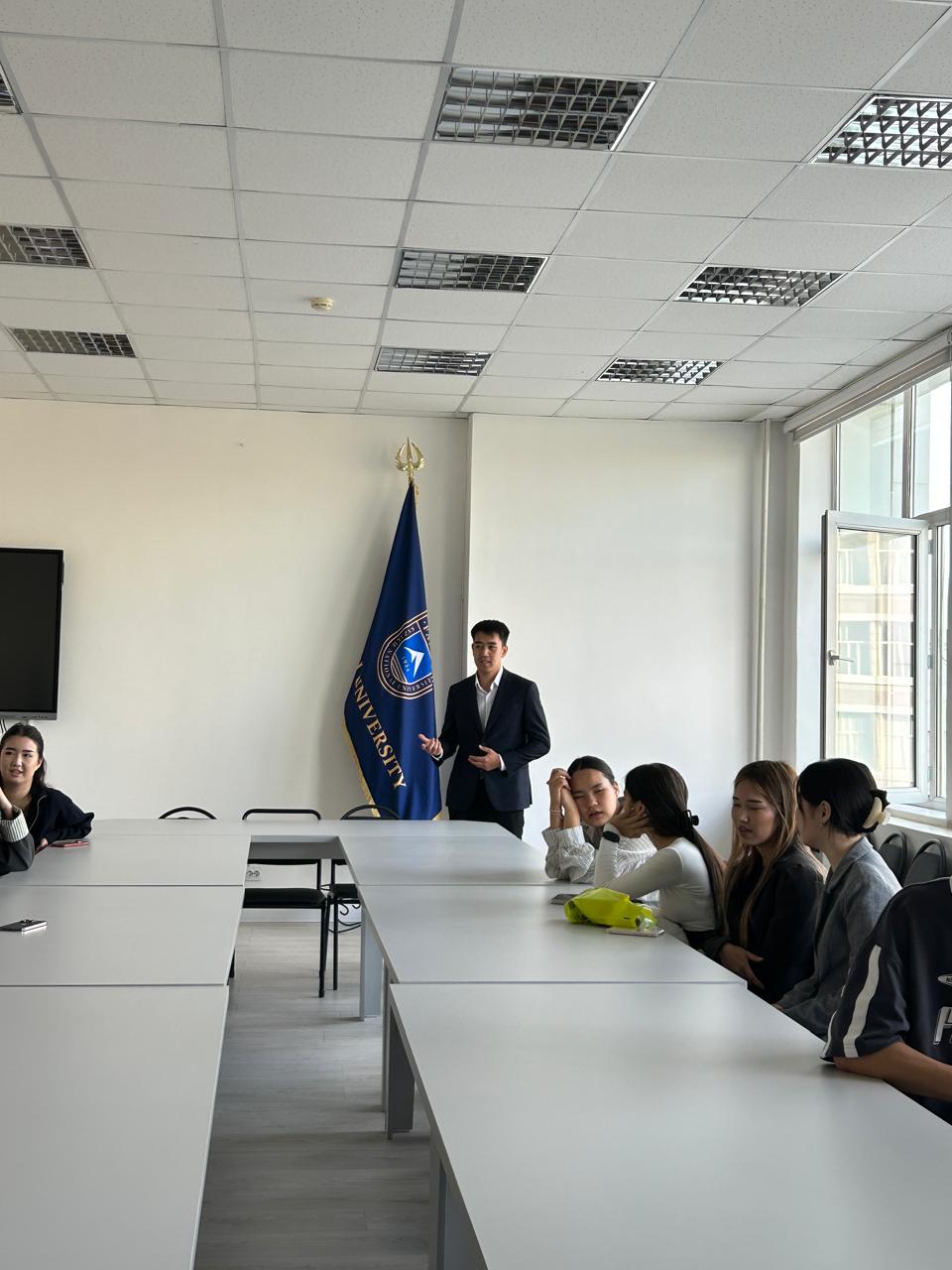
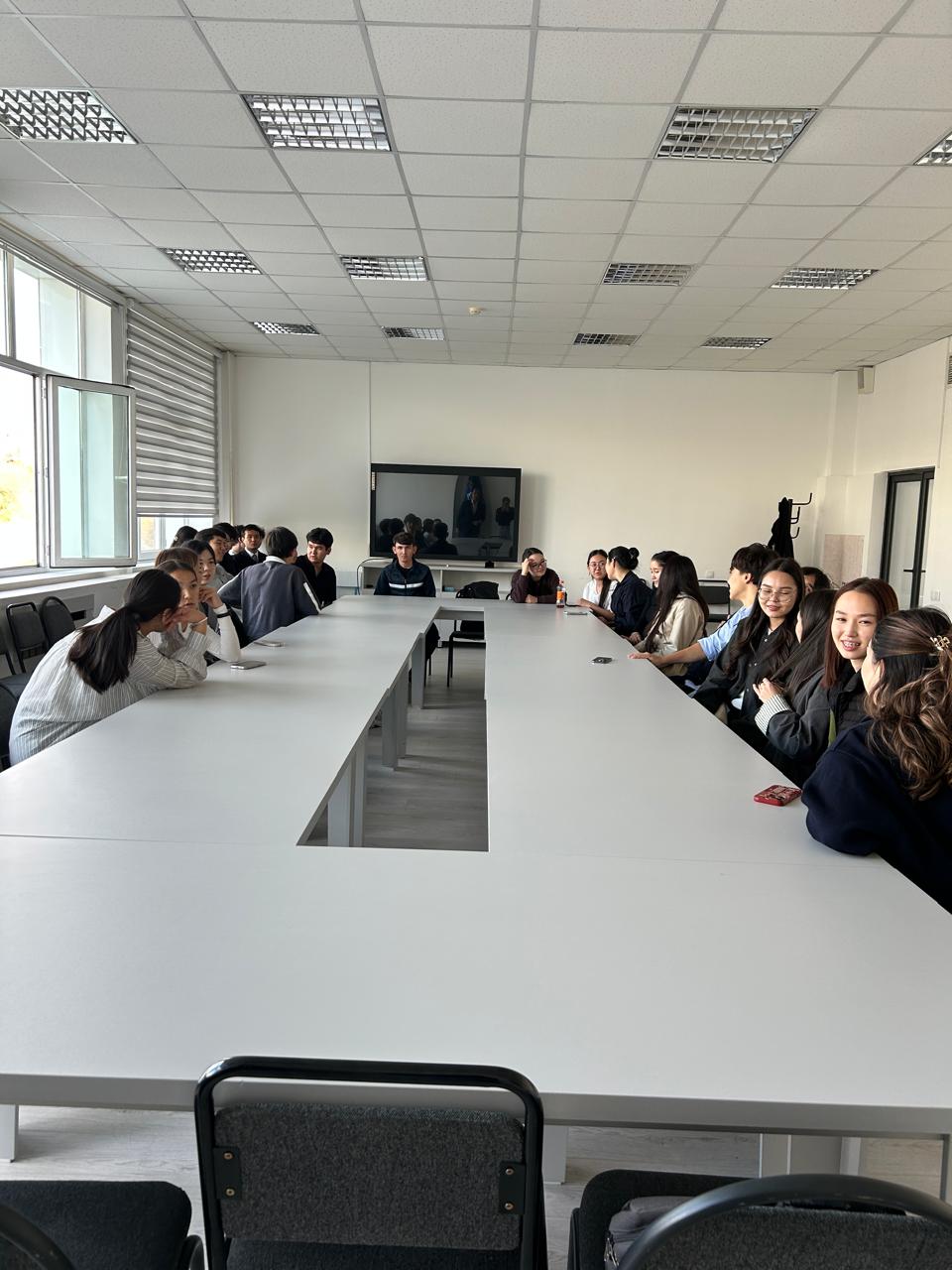
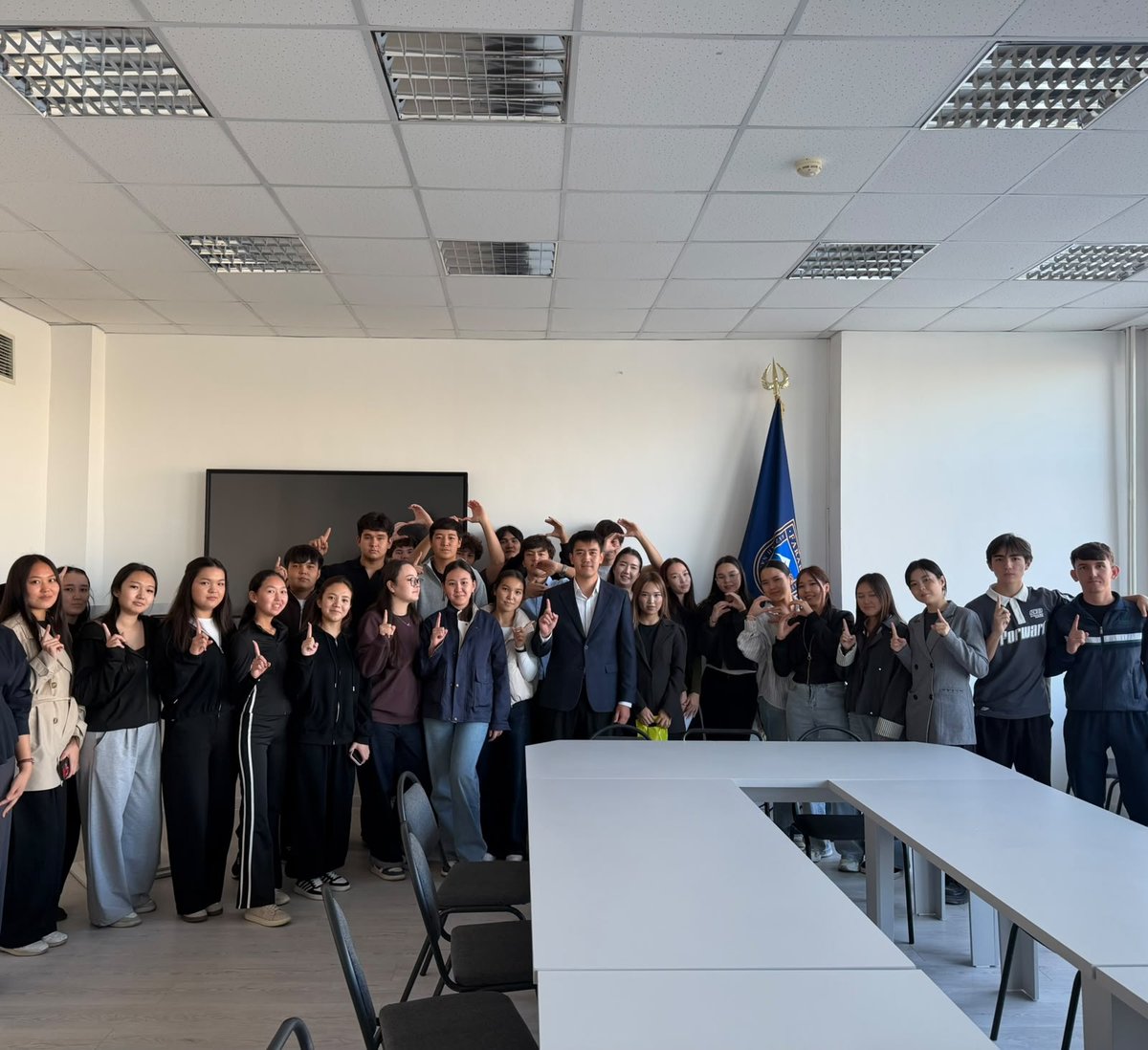
A seminar-training session entitled “Personal Charisma and Effective Communication: Secrets of a Successful Student” was held at the Faculty of Physics and Technology of Al-Farabi Kazakh National University within the framework of Sustainable Development Goal 4, “Quality Education.” The event was jointly organized by the Scientific and Practical Center “Inclusive Environment” and the Psychological Support Service.
The main aim of the seminar-training was to develop students’ communication skills, increase their self-confidence, cultivate personal charisma, and improve their interpersonal communication skills. The event also aimed to help students express their thoughts clearly and confidently, interact effectively with others, and promote an atmosphere of mutual understanding and respect within a group.
During the seminar, participants explored the meaning of personal charisma, its role in everyday life and professional development, the formation of first impressions, and the main principles of effective communication. They learned about the importance of building rapport with others, expressing their opinions confidently, listening attentively, and behaving appropriately in different social situations.
The seminar focused on the following key topics:
Personal charisma and its main characteristics;
Self-confidence and the ability to express oneself freely;
Effective communication and interpersonal communication skills;
Verbal and non-verbal communication;
The role of body language, eye contact, and intonation in communication;
Active listening and understanding others;
Public speaking and expressing ideas confidently;
Teamwork, mutual respect, and building trusting relationships.
The practical part of the seminar was conducted in an interactive format. Participants completed individual and group exercises designed to develop communication skills, build confidence in conversations, use body language effectively, and improve interactions with others. Students also discussed common communication challenges and explored effective ways to overcome them.
The practical exercises helped students identify their strengths, assess their individual communication styles, and determine areas for further personal development. During the discussion, it was emphasized that confident communication involves more than speaking freely. It also requires respecting other people’s opinions, showing understanding, and expressing emotions appropriately. Particular attention was given to the fact that charisma is not limited to physical appearance. It is closely connected with inner confidence, sincerity, responsibility, and the ability to build positive relationships with others. It was also highlighted that effective communication can positively influence students’ academic achievements, teamwork, and future professional activities.
The seminar-training took place in a warm and friendly atmosphere. Participants shared their opinions, exchanged experiences, and developed practical skills that can be applied in everyday life. The event aimed to strengthen students’ self-confidence, improve their communication skills, and encourage personal development. At the end of the event, participants expressed their gratitude to the organizers and emphasized the importance of such seminar-training sessions in supporting students’ personal growth, developing communication competencies, and creating a positive educational environment.
The Scientific and Practical Center “Inclusive Environment” and the Psychological Support Service will continue organizing activities aimed at strengthening students’ psychological well-being, unlocking their personal potential, and creating favorable conditions for quality education.