- Main
- Office of Equality, Diversity and Inclusion
- SDG № 10: KazNU Holds a Conference on Inclusion and Social Rehabilitation
SDG № 10: KazNU Holds a Conference on Inclusion and Social Rehabilitation
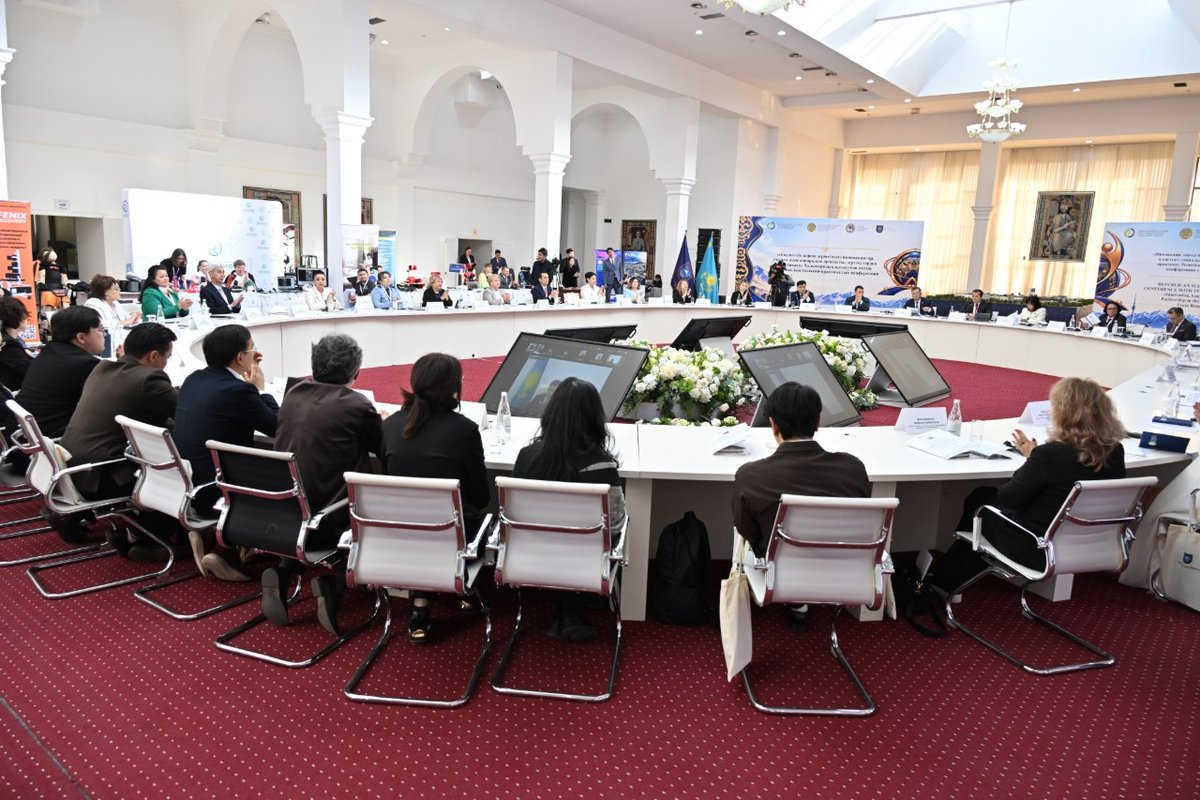
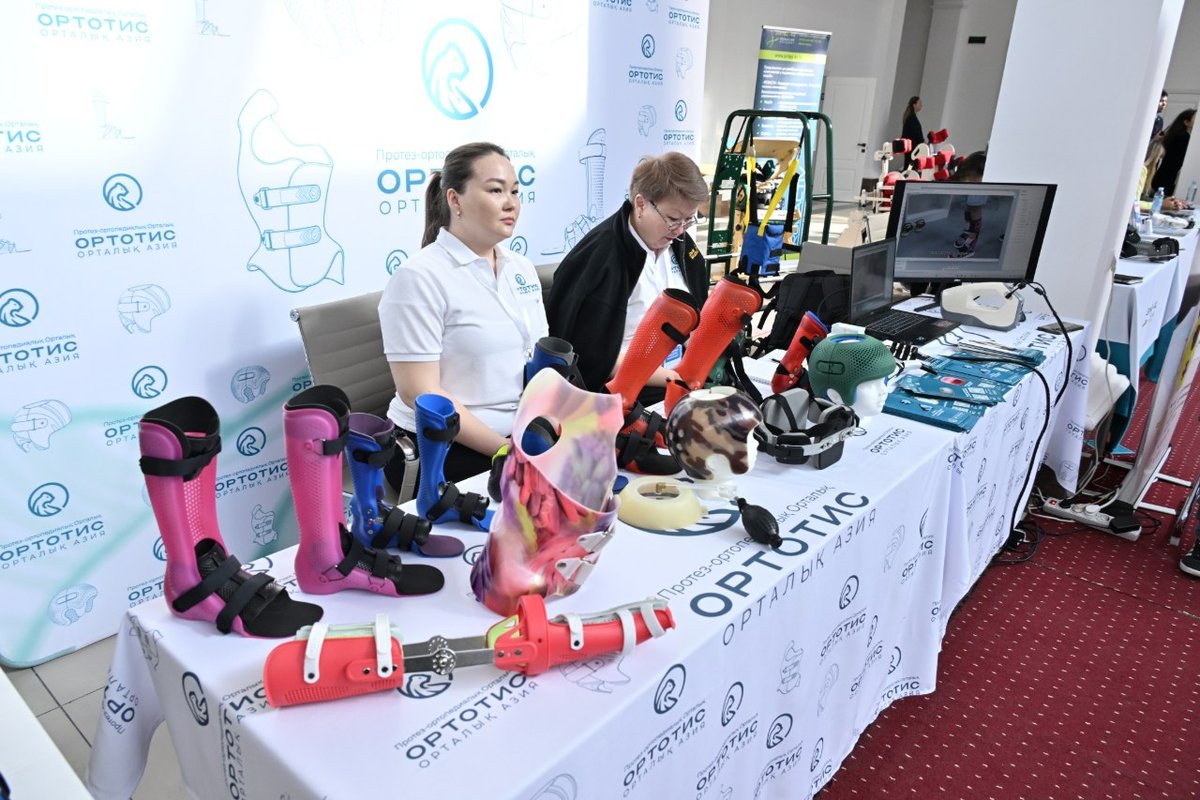
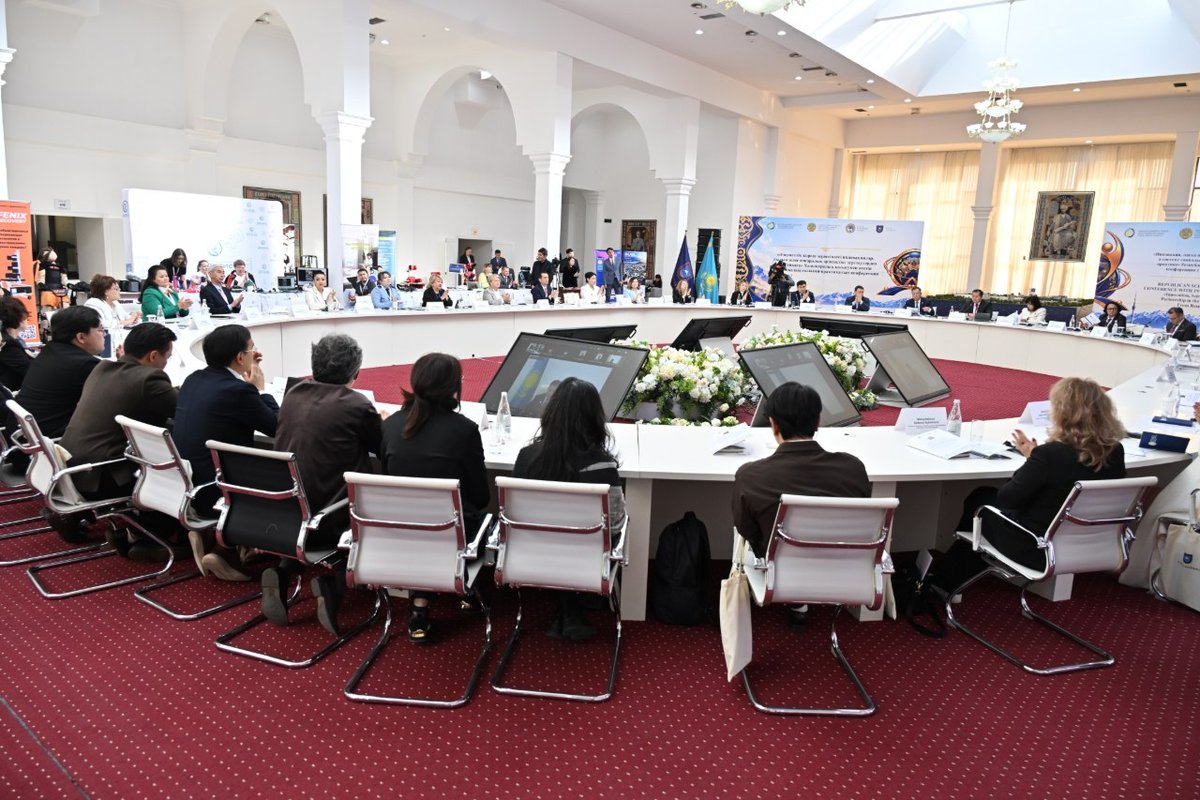
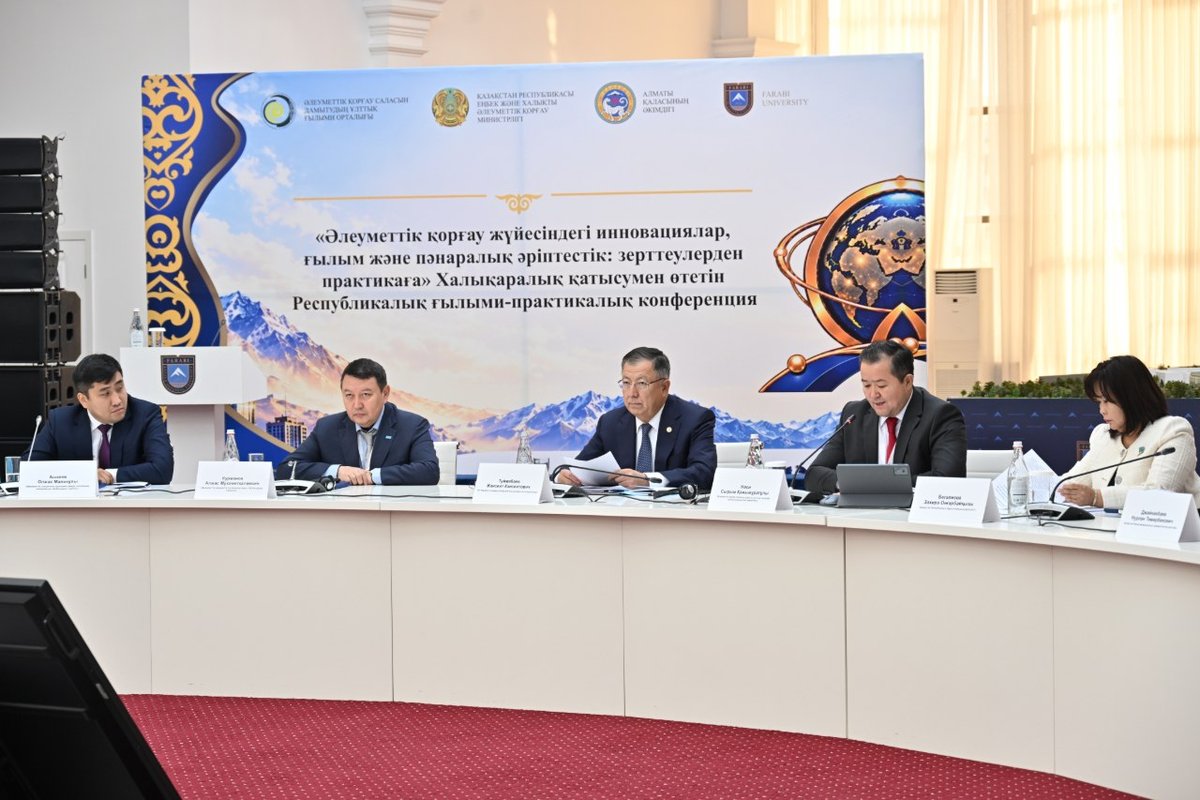
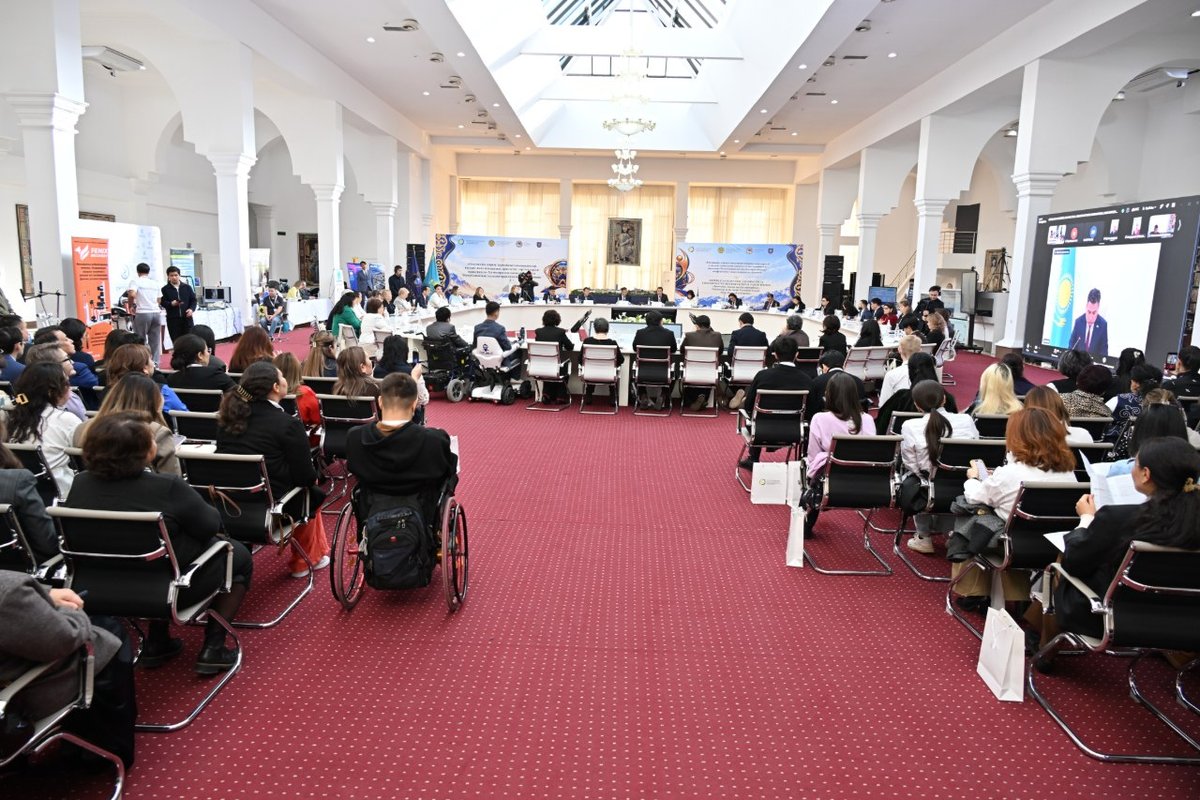
A scientific and practical conference entitled “Innovation, Science and Interdisciplinary Partnership in the Social Protection System: From Research to Practice” was held at the library of Al-Farabi Kazakh National University. The event focused on improving social protection services, promoting inclusive environments, and translating scientific research into practical solutions.
Key topics included support for socially vulnerable groups, improving services for children and adults with additional support needs, and advancing modern approaches to social rehabilitation. Participants discussed the practical value of scientific research, the importance of interdisciplinary cooperation, and the need to create conditions that enable everyone to participate fully in society. Opening the conference online, Askarbek Yertayev, Minister of Labour and Social Protection of the Population of the Republic of Kazakhstan, highlighted the importance of improving the quality of social services and introducing innovative solutions. He also emphasized the work of the National Scientific Centre for Social Protection Development, which conducts research in social rehabilitation, family support, assistance for children with autism spectrum disorders, and rehabilitation services for people with disabilities.
Special attention was given to technological innovations that can support inclusive education and social services. One notable example is LogopedAI.kz, a speech therapy platform developed by university researchers using artificial intelligence technologies and designed to work with the Kazakh language.
As part of the project, researchers created a database containing 8,214 audio recordings of children's speech and developed 1,178 multimedia educational resources. Speech recognition technologies were also improved, and the research outcomes underwent initial testing at two preschool education organizations in Almaty. The project demonstrates the potential of digital technologies in supporting children's speech development. Developing resources in the Kazakh language can expand access to modern tools, improve specialists' work, and help address children's individual learning and communication needs.
The conference also addressed social rehabilitation, the development of accessible and inclusive environments, support for people with additional needs, and the professional development of social service specialists. Participants exchanged views on applying research findings in practice, strengthening interdisciplinary cooperation, and improving the effectiveness of social services.
Another important topic was the Almaty Declaration, which was discussed in the context of strengthening international cooperation in social protection, rehabilitation, and improving people's quality of life. Initiatives of this kind contribute to advancing inclusion, reducing social barriers, and improving support systems that respond to individual needs. By bringing together science, technology, and interdisciplinary partnerships, such events help lay the foundation for a more inclusive society with equal opportunities for all.
Other news