- Main
- News
- SDG 4. Quality Education. Integrating Artificial Intelligence into the Educational Process: New Opportunities and Prospects for Student Learning
SDG 4. Quality Education. Integrating Artificial Intelligence into the Educational Process: New Opportunities and Prospects for Student Learning
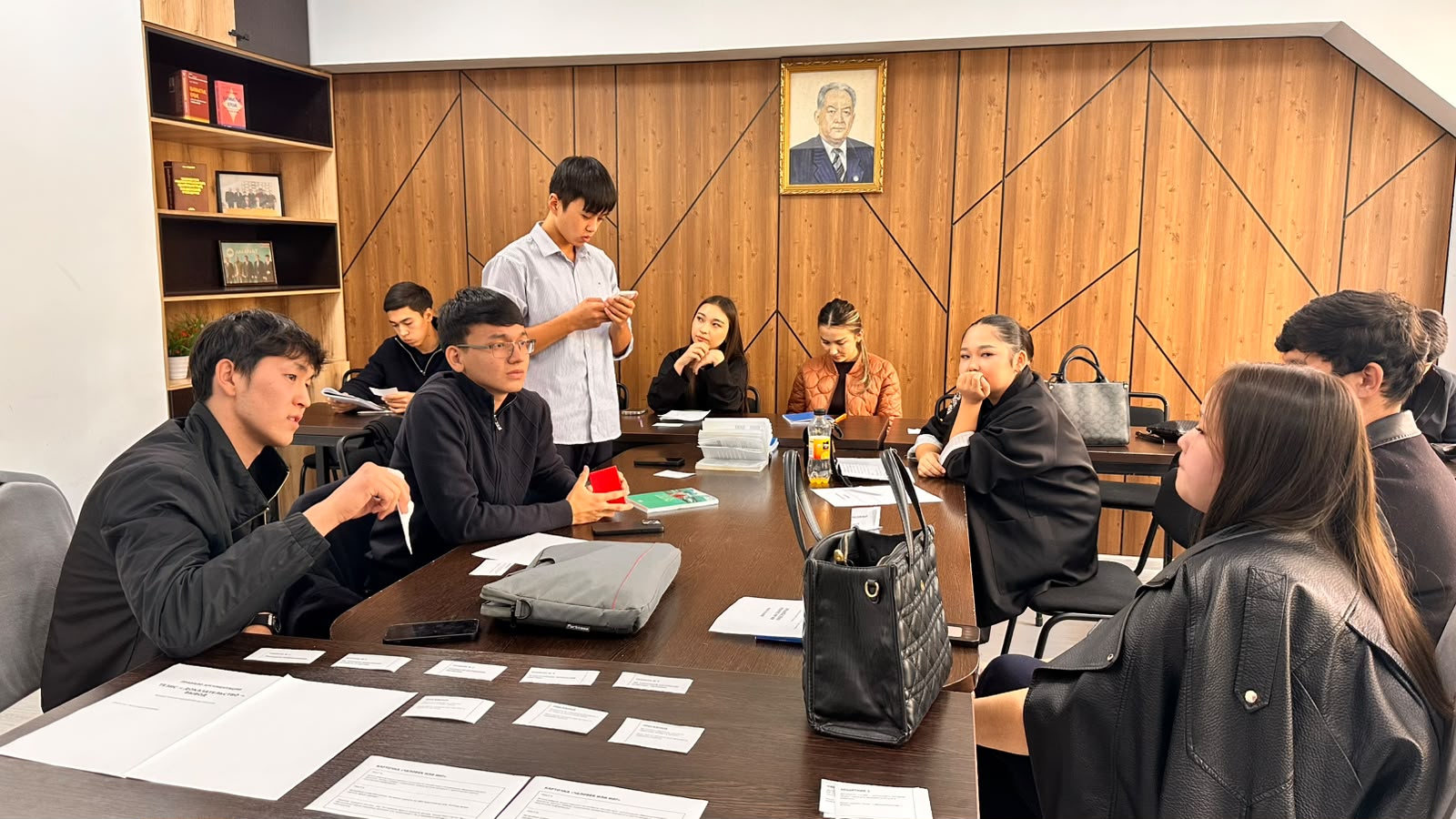
As part of the implementation of Sustainable Development Goal 4, “Quality Education,” an educational activity dedicated to the integration of artificial intelligence into the modern educational process was held at the Faculty of Law. The main objective was to explore the opportunities offered by artificial intelligence in student learning, discuss its benefits and potential risks, and develop the ability to engage with digital technologies critically and responsibly.
The practical component of the event was an interactive educational game entitled “Artificial Intelligence on Trial,” organized in the format of a mock court hearing. Students actively participated in a simulated judicial proceeding, taking on the roles of judge, prosecutor, defence lawyers, defendant, and jury members. Each participant had the opportunity to express a position, present arguments, and contribute to the discussion of the issue.
During the activity, particular attention was given to the use of artificial intelligence in different areas of life, its impact on society, and the legal and ethical aspects of modern digital technologies. Participants considered the possible consequences of using artificial intelligence, discussed questions of accountability, and examined the issue from different perspectives. The mock trial format presented the topic in an engaging and unconventional way, encouraging students to take an active part in the discussion.
The opportunity to perform different roles in the simulated court proceedings generated particular interest. Students practised formulating arguments, developing logical reasoning, analysing opposing viewpoints, defending their positions, and participating in collective discussions. At the conclusion of the proceedings, the participants reached a decision within the framework of the simulated trial.
The activity demonstrated that artificial intelligence can serve not only as a subject of study but also as an important topic for developing students’ critical thinking, digital literacy, and legal awareness. Particular importance was placed on the responsible use of intelligent technologies, the ability to evaluate the reliability of information, and an understanding of accountability for decisions made.
The event supports the objectives of SDG 4 by promoting the development of modern educational competencies, the use of interactive teaching methods, and students’ preparation for the effective and responsible application of digital technologies. Educational practices of this kind broaden learning opportunities, encourage independent thinking, and help develop the skills required to succeed in an increasingly digital society.
Other news