"Protect Yourself from Financial Fraud!": Expert Meeting Focuses on Financial Fraud Protection
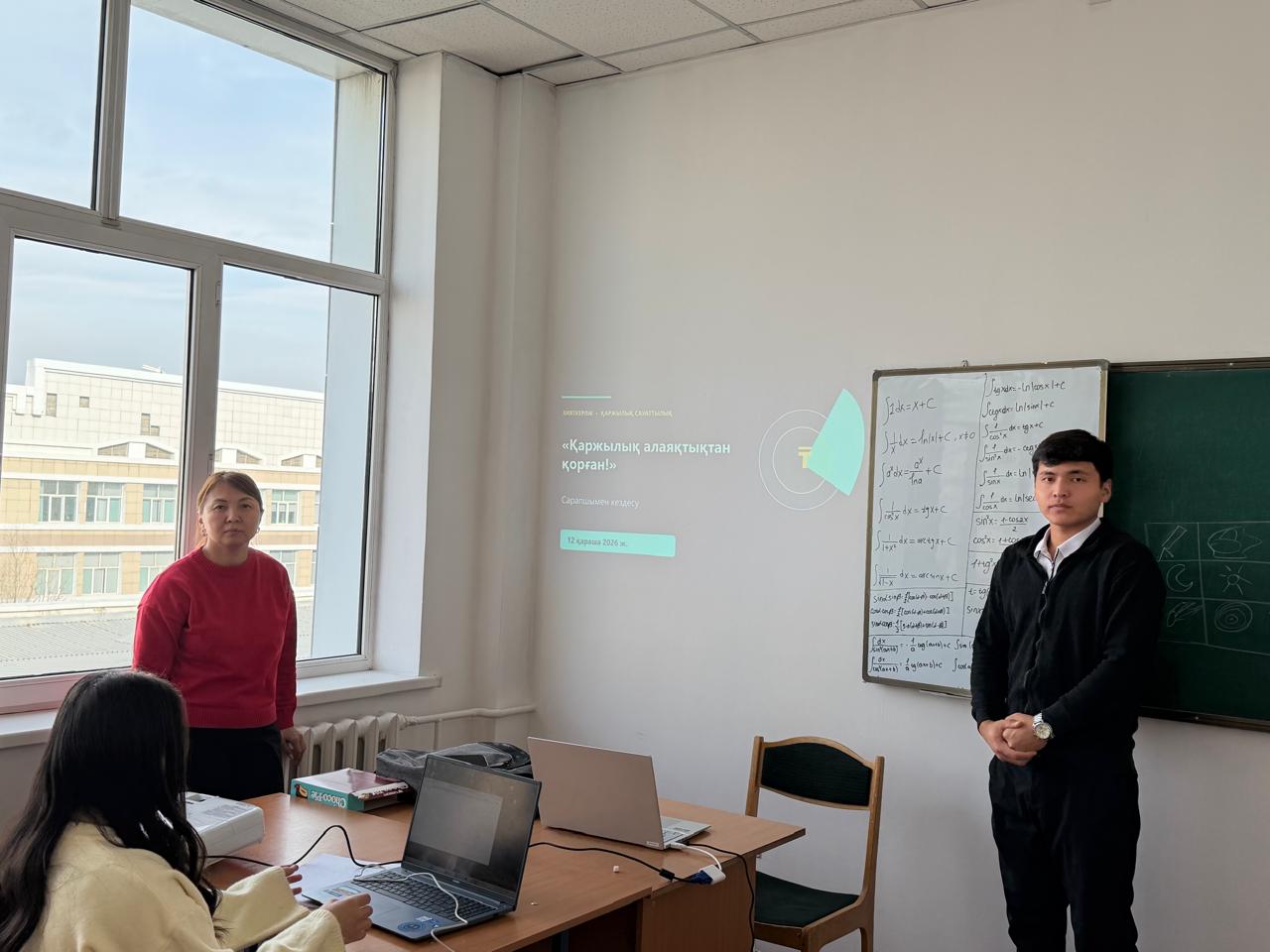
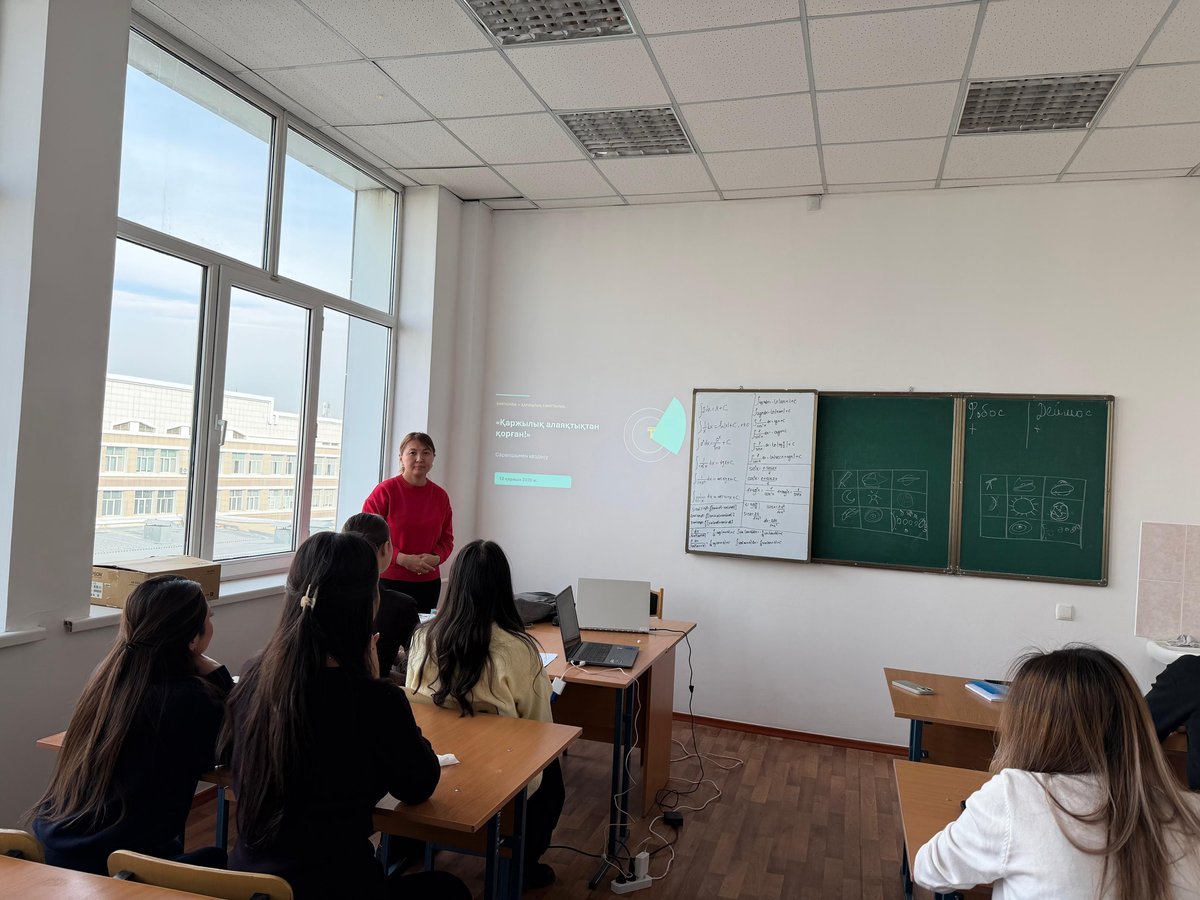
In the modern era of rapid digital transformation, financial technology brings immense convenience while simultaneously opening new avenues for sophisticated cybercrime. As digital platforms become integral to daily routines, young adults and university students—who frequently engage with online banking, e-commerce, and social media—are increasingly targeted by fraudulent networks. To address this pressing societal challenge and fortify the digital resilience of the academic community, a comprehensive expert seminar titled "Protect Yourself from Financial Fraud!" was hosted at the university. The high-profile event gathered a large audience of undergraduate students, graduate researchers, faculty members, and prominent cybersecurity specialists.
The session was structured as an interactive analytical lecture combined with an open Q&A format, allowing experts to dissect the evolving anatomy of financial fraud. The guest speaker emphasized that modern fraudsters heavily rely on advanced social engineering tactics, deceptive phishing campaigns, and psychological manipulation to exploit youthful optimism and a desire for financial independence. A major focus of the discussion was directed toward the dangerous phenomenon of "money mules" or "droppers"—individuals, often students, who are manipulated into leasing or sharing their personal bank accounts to launder illicit funds. The expert systematically broke down how sharing confidential credentials, digital signatures, and one-time SMS verification codes can inadvertently entangle victims in severe legal liabilities. Furthermore, attendees were educated on how to critically evaluate suspicious online job offers, get-rich-quick schemes, and unverified cryptocurrency or investment platforms designed to mimic legitimate financial institutions.
The seminar concluded with a dynamic discussion where students actively participated, shared personal observations, and sought practical advice on how to secure their digital footprints. Participants universally agreed that cultivating sound financial hygiene and skepticism toward unsolicited digital offers is an essential life skill. University administrators and event coordinators reaffirmed their commitment to sustaining such educational campaigns, ensuring that future generations of students remain well-informed, legally protected, and digitally secure.
Other news