- Main
- News
- Visit of the Delegation of the Department of Science and Technology of Xinjiang Uygur Autonomous Region, PRC to the Faculty of Geography and Environmental Sciences
Visit of the Delegation of the Department of Science and Technology of Xinjiang Uygur Autonomous Region, PRC to the Faculty of Geography and Environmental Sciences
The Faculty of Geography and Environmental Sciences of Al-Farabi Kazakh National University hosted a delegation from the Department of Science and Technology of the Xinjiang Uygur Autonomous Region of the People’s Republic of China as part of the development of international scientific and educational cooperation.
On December 22, within the framework of the implementation of the SDG 4 “Quality Education”, SDG 6 “Clean Water and Sanitation”, SDG 13 “Climate Action”, and SDG 17 “Partnerships for the Goals” — a working meeting was held at the faculty. During the meeting, the prospects for cooperation with the delegation of the Department of Science and Technology of XUAR, PRC were discussed, including joint research initiatives, academic exchange, and the application of innovative approaches in the field of sustainable development and rational use of natural resources.
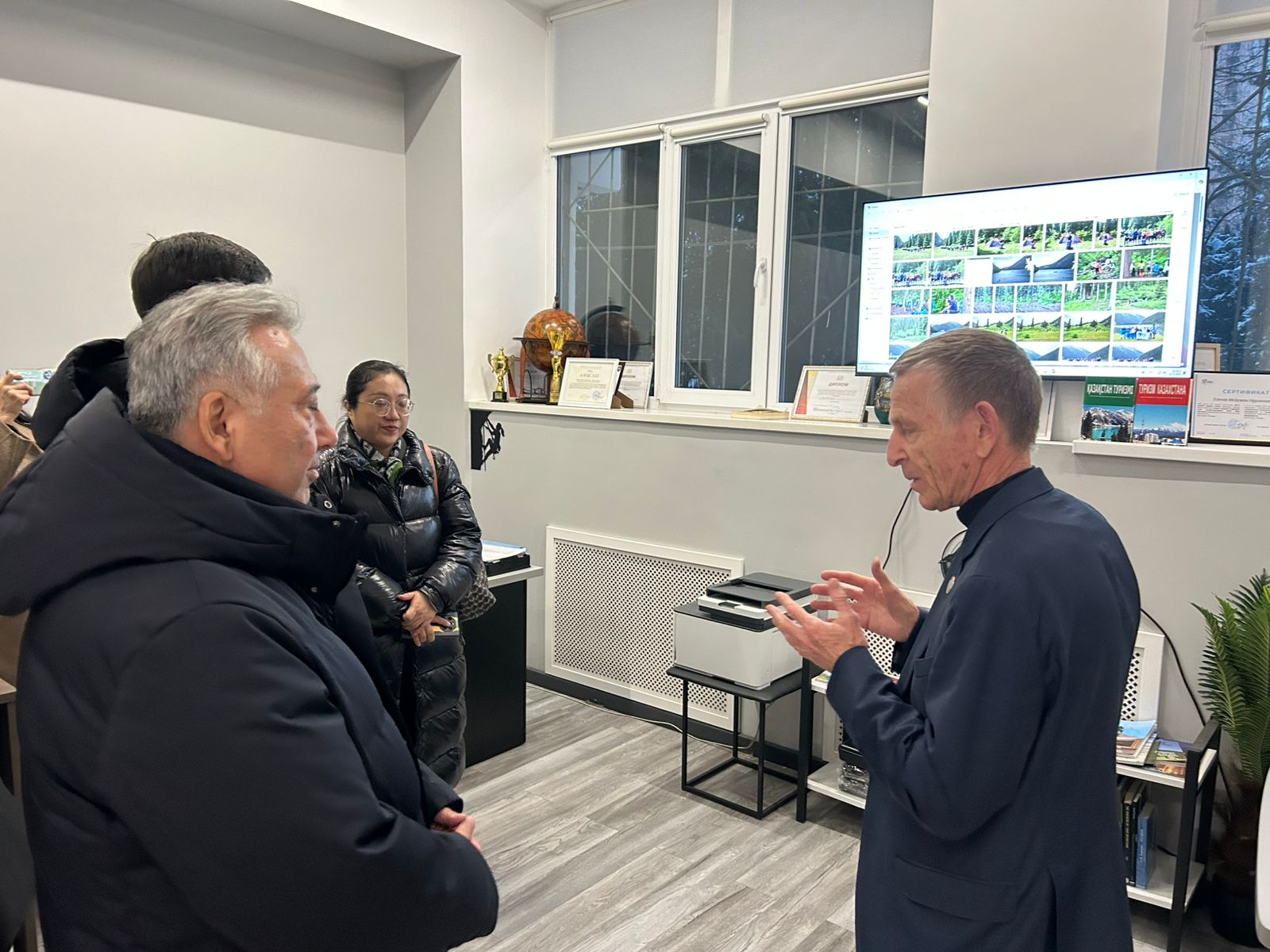
During the meeting, an exchange of views on the development of scientific and educational cooperation took place, including prospects for the implementation of joint research projects, expansion of academic mobility, exchange of scientific expertise, and the application of innovative approaches in the field of sustainable development and rational use of natural resources.
As part of the visit, the delegation was introduced to the activities of the Research Center “Sustainable Development and Rational Use of Natural Resources”, as well as the scientific results and infrastructure of 10 laboratories operating within the research center. The guests were presented with key research areas, modern methods of analysis and modeling, and the results of fundamental and applied research aimed at addressing pressing sustainable development challenges.
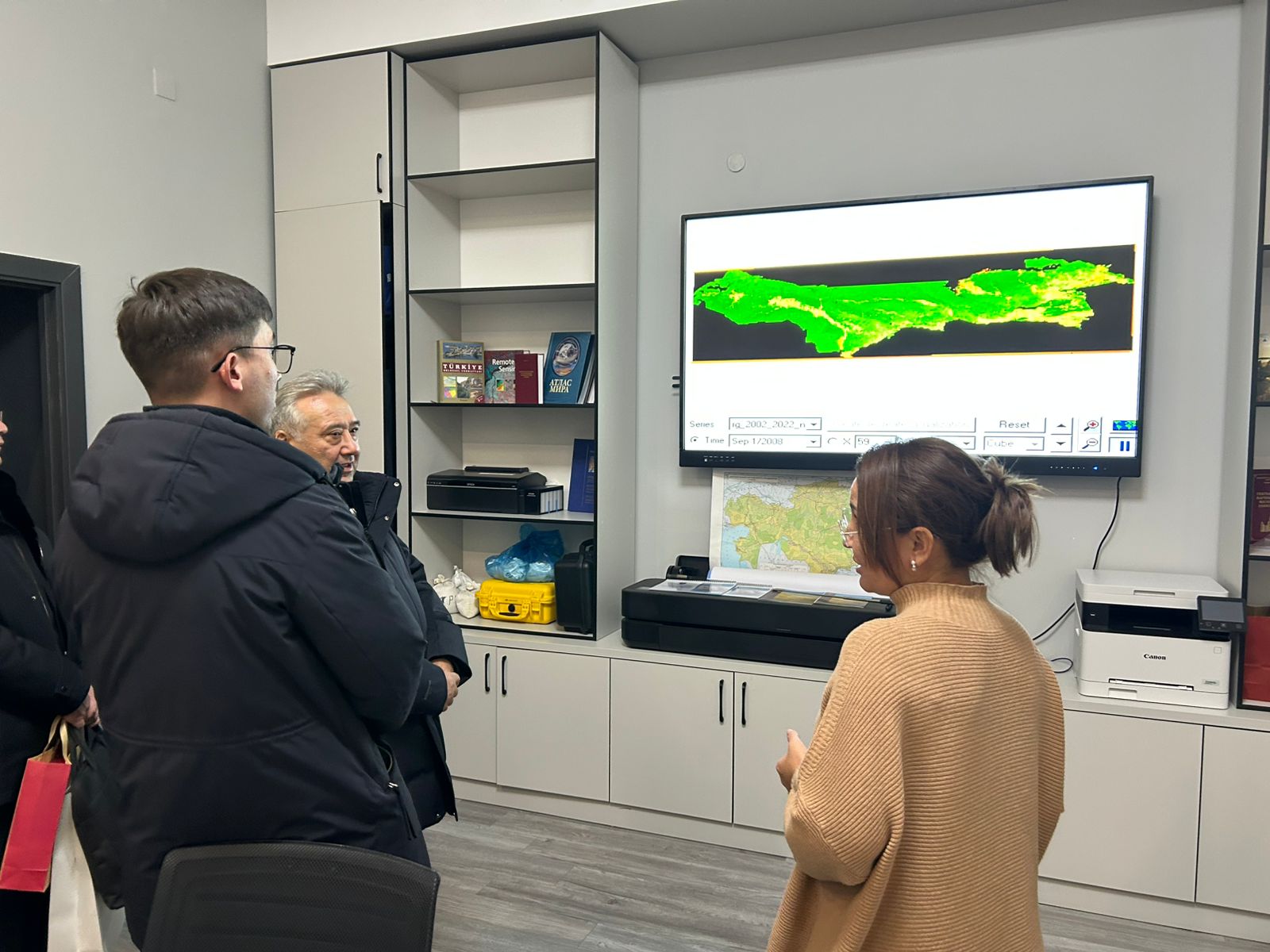
The meeting contributed to the strengthening of international scientific cooperation, the development of partnership relations, and the formation of new areas of collaboration in the context of achieving the Sustainable Development Goals.