STRATEGIC DISCUSSION ON ENHANCING EDUCATION QUALITY HELD AT KAZNU
6 march, 2026
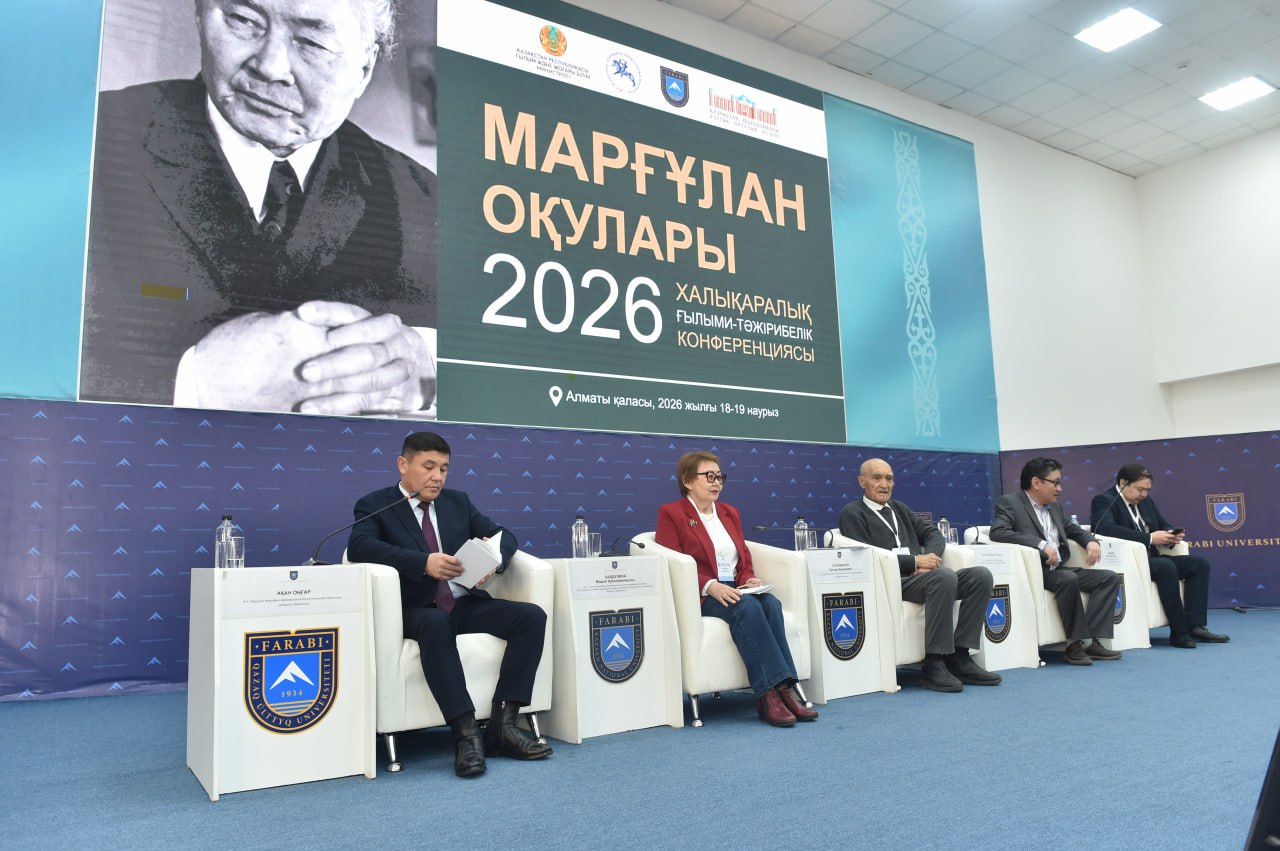
From March 3 to 6, 2026, an expert strategic session titled “Academic Governance and Quality of Education: An Intensive Program for Leaders and Faculty Members” was held at Al‑Farabi Kazakh National University, organized by the Department of Academic Affairs. The event brought together faculty leaders and members of the academic staff and aimed to discuss modern approaches to improving governance efficiency in higher education, enhancing academic processes, and ensuring the quality of education.
The strategic session was attended by vice-deans for academic and methodological work, heads of departments and their deputies, as well as representatives of the teaching staff from the Faculty of Oriental Studies. During the session, several important topics related to the improvement of the educational process were addressed. These included process management in academic activities, implementation of dual education and micro-credentials, the responsibility of departments in achieving university strategy and ranking indicators, as well as teaching ethics and conflict management.
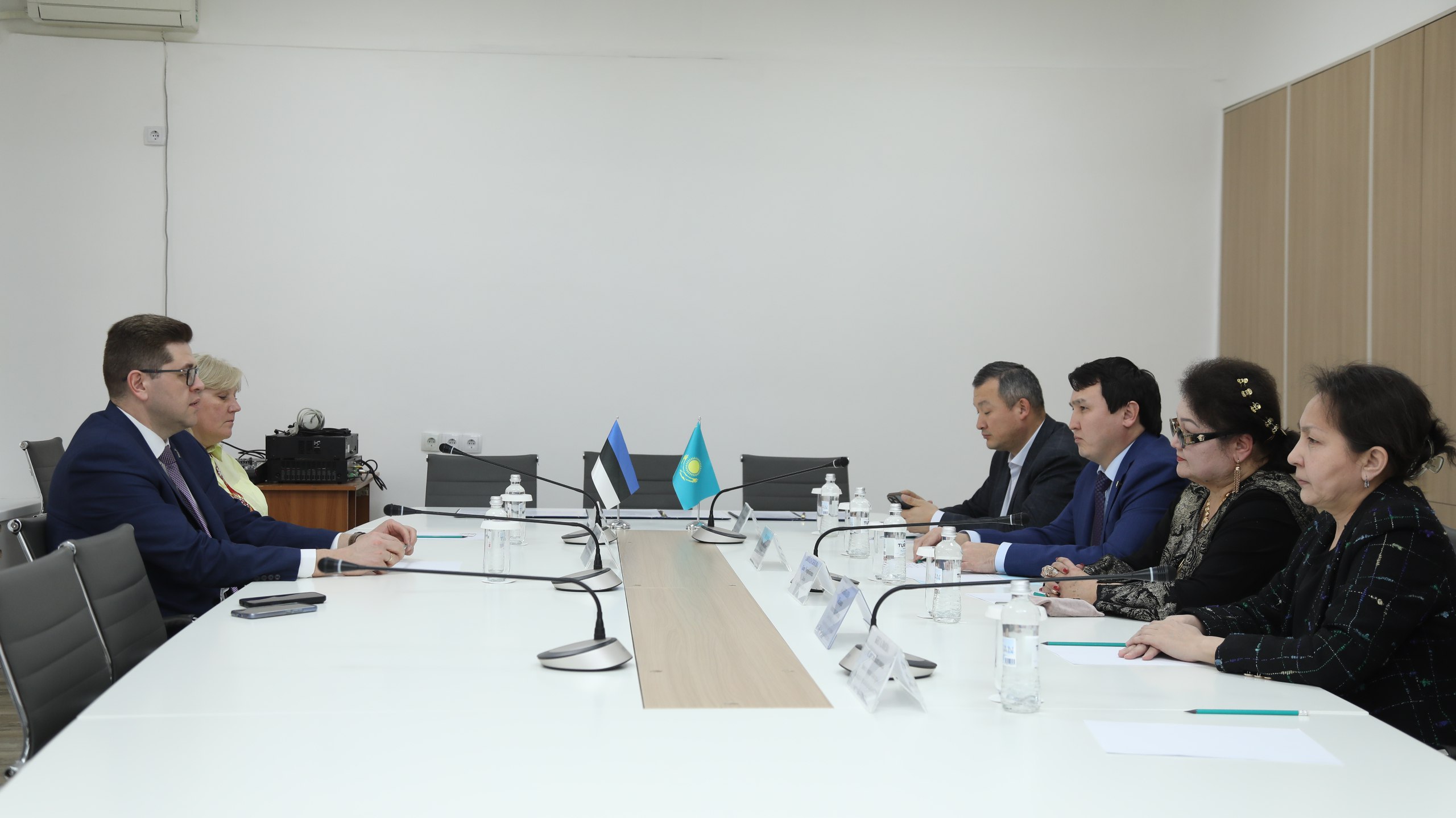
In order to effectively disseminate the outcomes of the strategic session and further develop these practices at the departmental level, the leadership and academic staff of the Department of Turkology and the History of Eastern Countries organized a special strategic and methodological seminar. During the seminar, the key issues discussed at the strategic session were examined in detail, and practical mechanisms for their implementation in departmental activities were proposed.
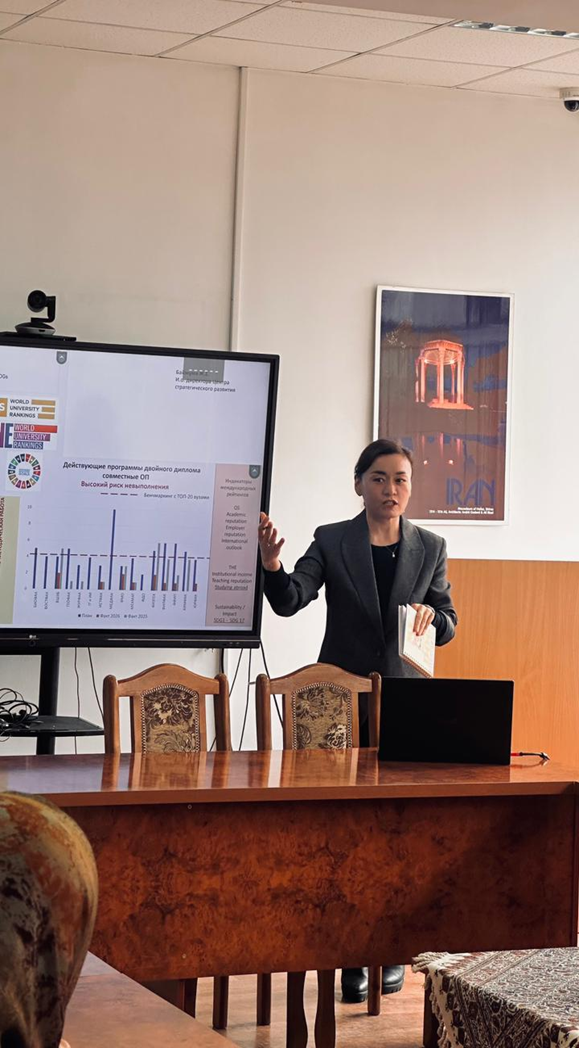
As part of the seminar, the Head of the Department A. Khalel delivered a presentation on the implementation of dual education and micro-credentials. In his report, he emphasized the importance of updating educational programs in line with labor market requirements, strengthening social partnerships, and establishing sustainable cooperation with enterprises. Particular attention was paid to enhancing practice-oriented learning, improving the quality and effectiveness of education, and developing a flexible education model through the introduction of short-term certified courses. He also referred to international experience in applying these approaches within the framework of lifelong learning and highlighted their importance in developing students’ professional competencies.
Furthermore, the Deputy Head of the Department for Scientific Innovation and International Relations A. Kyrkymbekova introduced the possibilities of analyzing and managing research activities at the departmental level using the analytical platform SciVal. She emphasized the importance of systematically using analytical tools to increase the quality and quantity of scientific publications and to improve international research indicators.
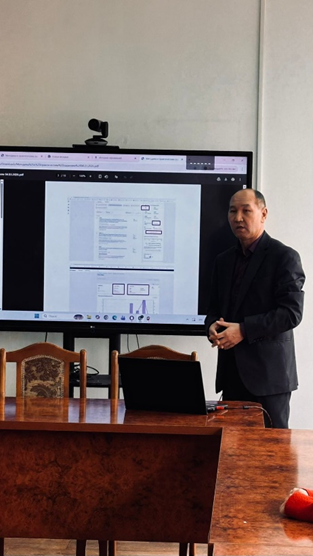
The Deputy Head of the Department for Academic and Methodological Work Zh. Abeldayev presented a report on the selection of forms and platforms for final assessment, one of the key aspects of organizing the educational process. He explained the methodological requirements for conducting final assessments and highlighted the importance of making well-grounded decisions when selecting assessment formats and digital platforms.
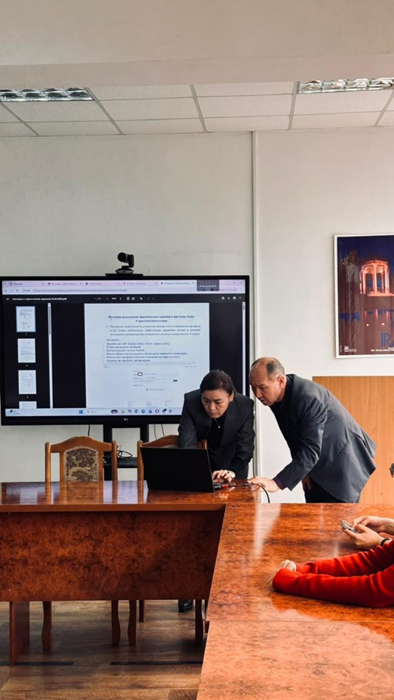
The seminar also focused on the digital opportunities for improving the quality of education. Associate Professor E. Dulaeva and Senior Lecturer A. Nazarova presented effective methods and practical approaches for applying generative artificial intelligence tools in the teaching process. The speakers emphasized the potential of GenAI technologies for developing educational materials, enhancing students’ research skills, and increasing the interactivity of the learning process.
The seminar was attended by all members of the department’s academic staff, who actively discussed modern tools of academic governance and new approaches aimed at improving the quality of education. Such initiatives contribute to the continuous development of the university’s educational activities, strengthen academic culture, and enhance its competitiveness at the international level.