Students of the Library Information Systems educational program at Al-Farabi Kazakh National University won first place at the national academic competition.
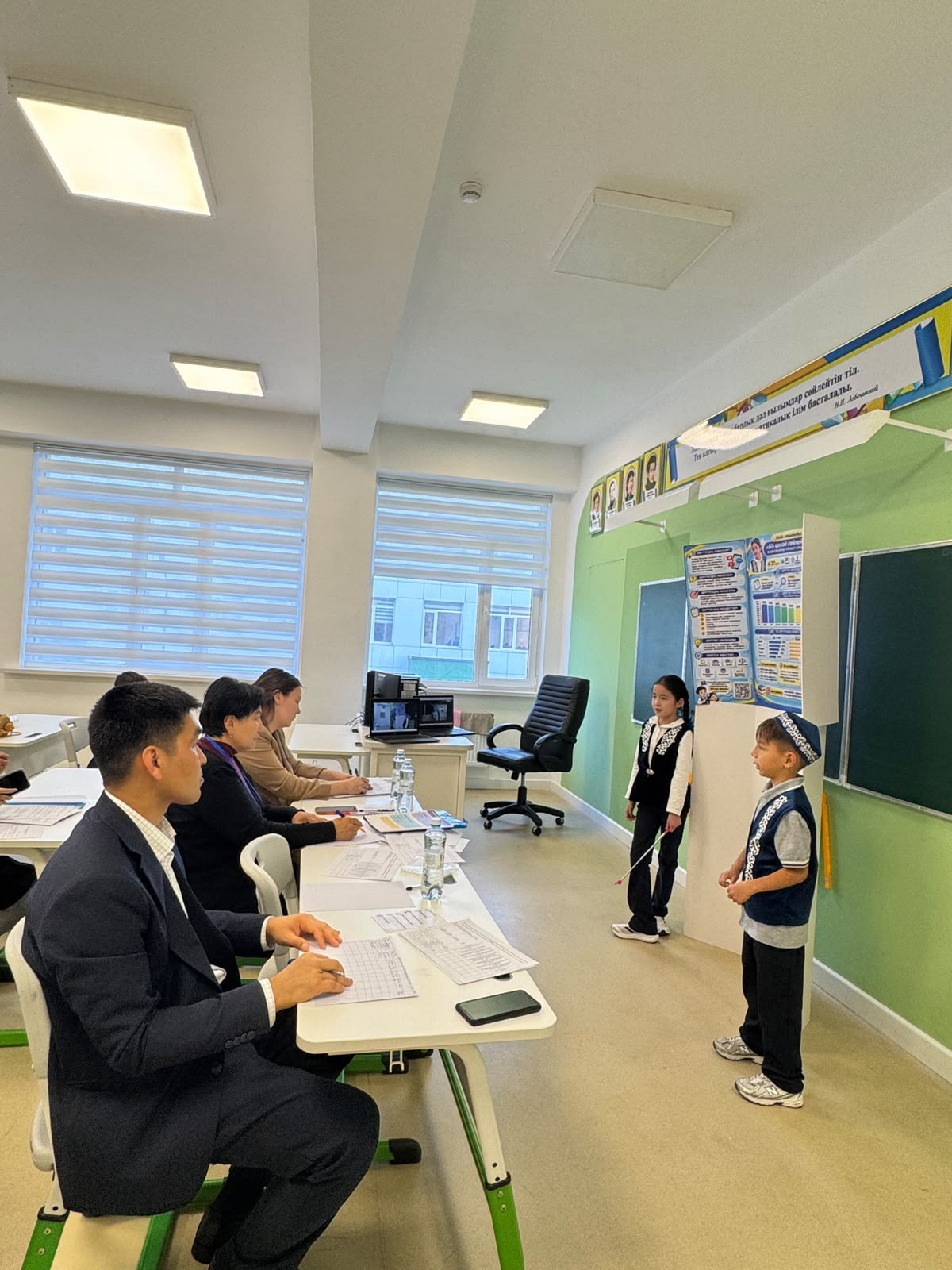
The 18th Republican Student Subject Olympiad in the Library Science educational program was held at M. Auezov South Kazakhstan University. Seven teams representing Kazakhstan's leading universities offering programs in library and information science participated in the competition.
The Olympiad served as a professional platform integrating academic knowledge, research, and creativity. In addition to demonstrating their theoretical knowledge, participants presented innovative practical projects aimed at transforming modern library services. The competition consisted of three stages: team presentation, theoretical assessment, and practical project defense. Students' professional competencies were comprehensively evaluated throughout all stages.
As a result of the competition, the "Bilim Shamshyraktary" (Beacons of Knowledge) team, representing the Library Information Systems educational program of the Department of World History, Historiography and Source Studies at the Faculty of History of Al-Farabi Kazakh National University, was awarded First Place and received the "Best Team" award. The team was supervised by Kalima Tuenbayeva, Associate Professor and Candidate of Pedagogical Sciences.
The winning team presented a research project and prototype entitled "Smart Library: A Digital Ecosystem for the Development of Cultural Capital," demonstrating its practical feasibility through several pilot solutions.
The proposed project aims to integrate the traditional functions of libraries with modern digital services. It consists of three pilot initiatives.
The first initiative, "Voices of Our City," is a digital audio library that enables users to record excerpts from books or oral stories in their own voices, thereby creating a shared digital audio archive. The project contributes to preserving cultural memory, strengthening intergenerational connections, and improving digital literacy.
The second initiative, "QR Stories," transforms the library into an interactive information environment. By scanning QR codes, users gain access to expanded information about books, authors, and related resources.
The third initiative, "Smart Guide," is a digital service providing users with instant information about libraries and cultural institutions.
The proposed model demonstrates an effective approach to the digital transformation of libraries by encouraging active user participation and introducing new formats for information services. The project also aligns with several United Nations Sustainable Development Goals (SDGs):
SDG 4 – Quality Education: ensuring open and round-the-clock access to educational resources;
SDG 9 – Industry, Innovation and Infrastructure: introducing innovative digital solutions without requiring substantial financial investment;
SDG 10 – Reduced Inequalities: improving access to information for socially vulnerable groups;
SDG 11 – Sustainable Cities and Communities: preserving cultural heritage and supporting local communities.
The project presents an effective model for transforming the library from a traditional repository of information into an interactive, digital, and socially significant educational environment.
A Smart Library is no longer a vision of the future—it is a transformation that is already taking place today.
The Library Information Systems educational program at the Faculty of History of Al-Farabi Kazakh National University remains one of Kazakhstan's leading programs for the training of library and information professionals. Today, its graduates work in libraries throughout the country, demonstrating the program's high academic quality, strong relevance to the labor market, and important contribution to the development of Kazakhstan's national information infrastructure.
Shahrizada Otarbay First-Year Doctoral Student Library Information Systems Educational Program