The future of an intelligent nation in the book — KazNU

The future of an intelligent nation in the book

6 August 2026
The future of an intelligent nation in the book

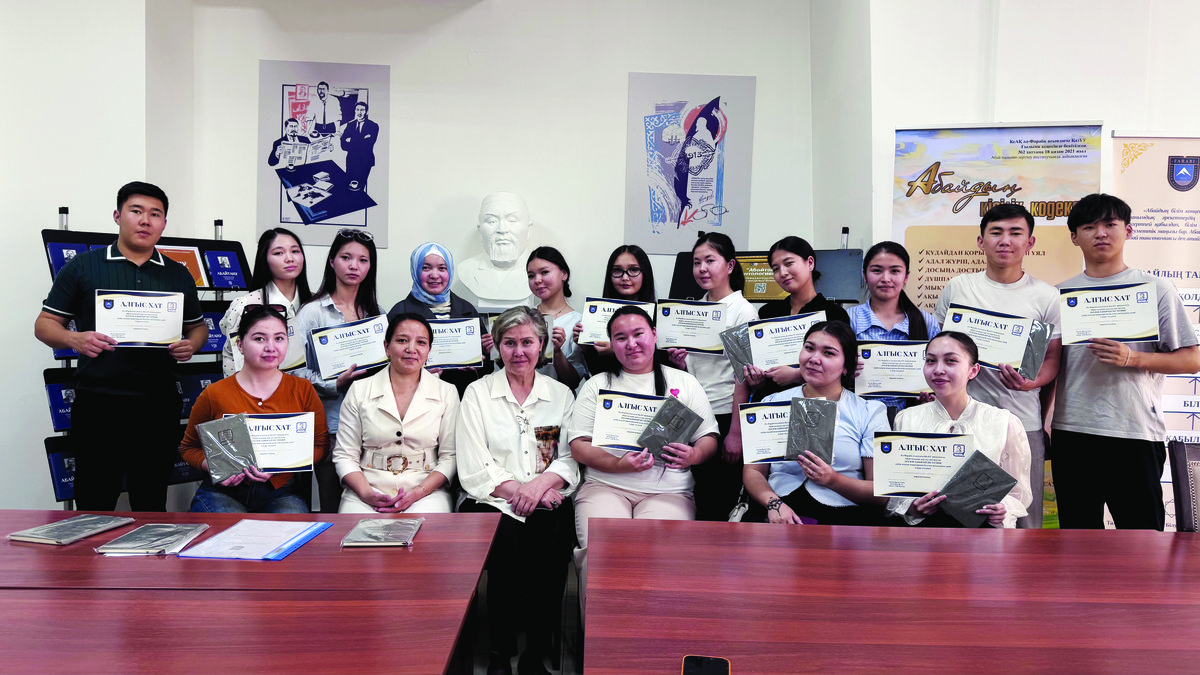
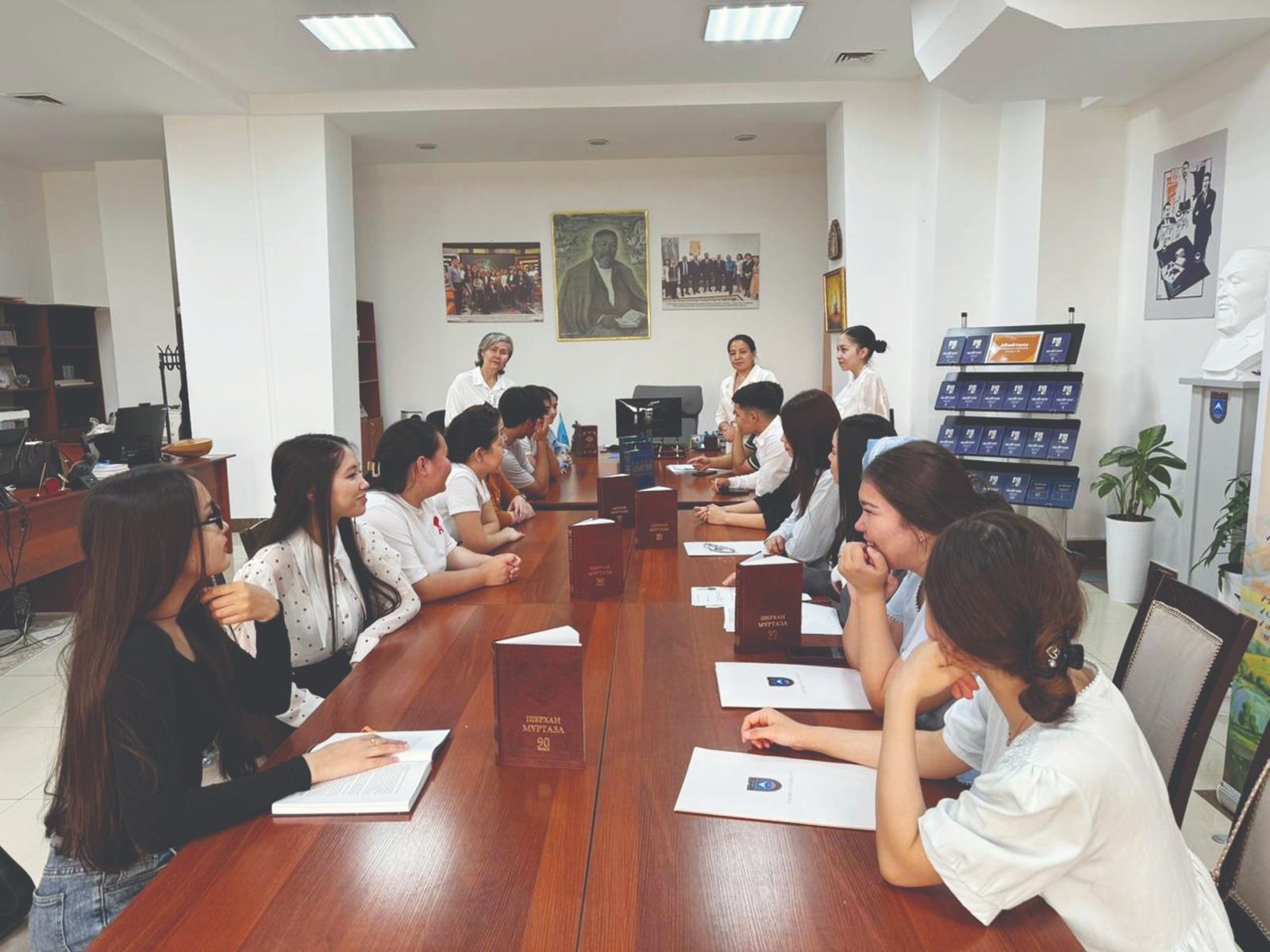
The Abai Research Institute at Al-Farabi Kazakh National University recently hosted a literary and educational meeting titled “The Future of an Intellectual Nation Lies in Books” in support of President Kassym-Jomart Tokayev’s decree “On Measures to Promote a Reading Culture and Foster an Intellectual Nation.” The event aimed to develop students’ reading and analytical skills, promote literary works, and enhance their creative abilities. It brought together members of the Auezov Literary Association, which has recently resumed its activities at the institute, as well as students from the Faculties of Philology, Journalism, and Information Technology.

During the meeting, faculty members, students, and book enthusiasts discussed the role of books in spiritual development and the formation of national consciousness. The student moderators emphasized the unique significance of books in the history of human civilization.

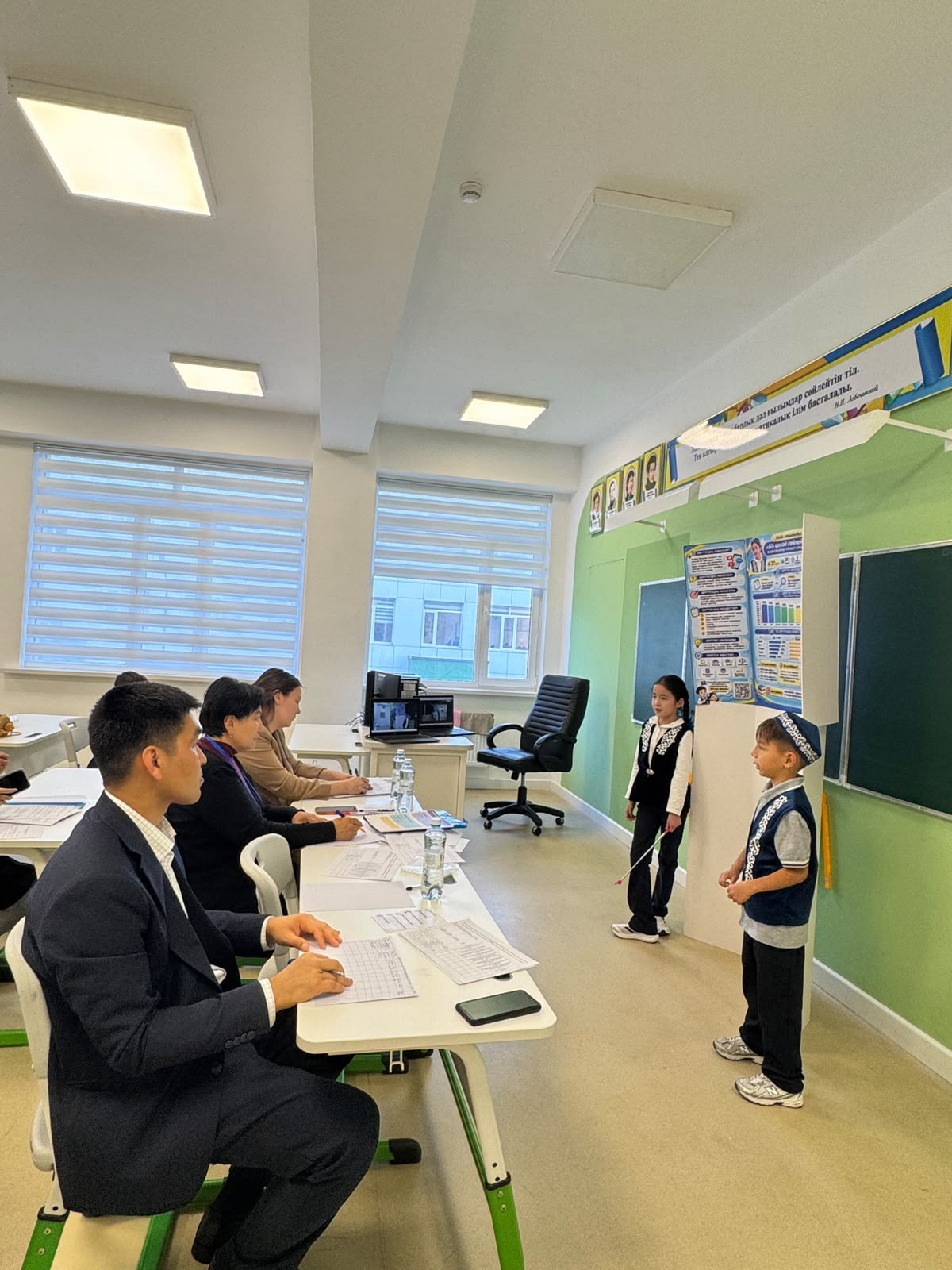
The literary gathering consisted of several thematic sections, with four student groups presenting projects prepared in advance. The first group analyzed the content of President Kassym-Jomart Tokayev’s decree on promoting reading culture and building an intellectual nation. The measures proposed by the President for developing an educated and intellectually strong society were widely presented and discussed among the participants.

The second group presented famous quotations about books, highlighting their importance in broadening human worldview and intellectual growth. The third group addressed the issue of increasing young people’s interest in reading within the digital age and proposed effective ways to cultivate a reading culture. Their recommendations included the productive use of social media, book reviews, podcasts, literary meetings, and open discussions. Students shared practical ideas and initiatives aimed at encouraging greater interest in books.

The fourth group analyzed specific literary works. They first presented Sherkhan Murtaza’s short story The Last Widow of the War, discussing the impact of war on human destiny, the resilient image of motherhood, and universal moral values. They also examined the content and significance of the ballad Kindred Blood by the talented poet Kenshilik Myrzabekov, whose 80th anniversary is being celebrated this year. The discussion focused on the work’s national values, family ties, and spiritual continuity.

During the literary analysis, students applied the methodology proposed by Academician Zeynolla Kabdolov in his monographic study The Art of Words. In particular, they used his analytical approach based on five key questions and their corresponding answers to interpret literary texts. The artistic and stylistic features of both works were examined through close textual analysis, with students responding to questions based on pre-assigned excerpts.

In the concluding session, participants emphasized the vital role of literature and books in educating spiritually rich, knowledgeable, and intellectually developed generations. The one-year activities of the Auezov Literary Association were also reviewed, and certificates of appreciation were presented to active participants. Members of the association received a recommended summer reading list. The final meeting, “The Future of an Intellectual Nation Lies in Books,” became a meaningful and inspiring event that promoted reading culture, strengthened students’ interest in literature, and contributed to the development of their national identity and intellectual awareness.

Laila Zhumataykyzy

Bibigul Dauletkyzy

Lecturers, Abai Research Institute