KazNU Hosts the International NURER 2026 Conference
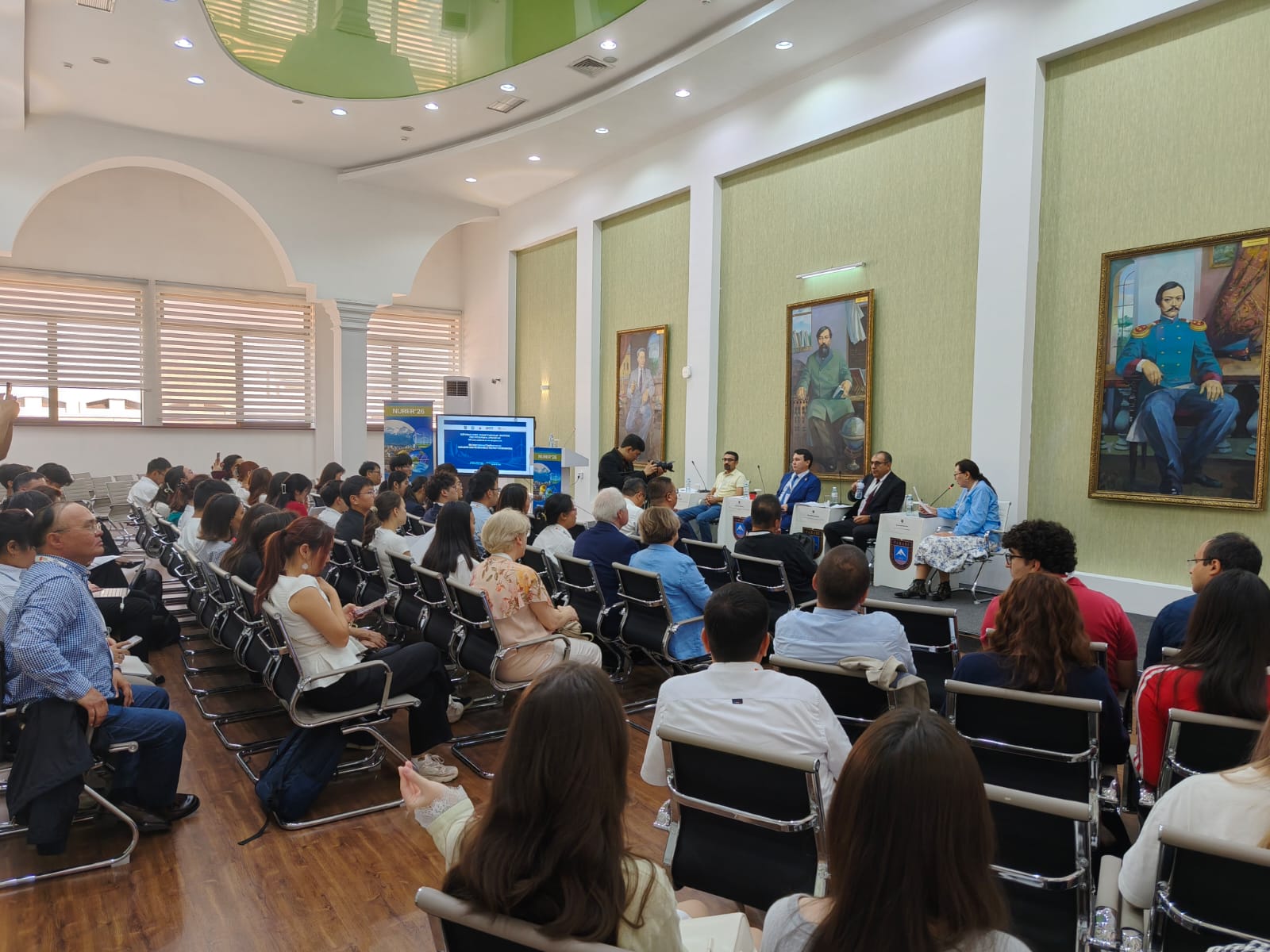
On 10 September 2026, Al-Farabi Kazakh National University hosted the in-person programme of the 8th International Conference on Nuclear and Renewable Energy Resources — NURER 2026. The conference was held with the active involvement of the Faculty of Physics and Technology and the Faculty of Mechanics and Mathematics, bringing together specialists in nuclear energy, renewable energy, hydrogen technologies, artificial intelligence, and sustainable energy systems on a single academic platform.
Unlike the preliminary press release, which focused on the upcoming programme, the in-person stage of NURER 2026 centred on direct scientific exchange, the presentation of new research findings, and discussion of current technological challenges.
The conference brought together researchers and academics from Kazakhstan, Türkiye, China, Mongolia, Iran, Russia, Romania, Bulgaria, and other countries. Participating institutions included Gazi University, Harbin Engineering University, Harbin Institute of Technology, the Joint Institute for Nuclear Research, and other international universities and research centres. The diversity of participants reflected the interdisciplinary nature of the conference, spanning reactor physics and radiation materials science, hydrogen energy, digital technologies, and intelligent energy management systems.
The Faculty of Physics and Technology of Al-Farabi KazNU played a particularly important role in the organisation and delivery of the conference. Professor Nurzada Beisen, Dean of the Faculty of Physics and Technology, served as a Co-Chair of NURER 2026, while Professor Hacı Mehmet Şahin of Gazi University, Türkiye, served as the General Chair of the conference.
The Faculty of Mechanics and Mathematics also made a substantial contribution to the scientific programme. Professor Madina Mansurova, Dean of the Faculty, delivered a keynote lecture entitled “From Energy Data Lakes to Sovereign AI: Building an AI-Ready Data Space for Nuclear and Renewable Energy Systems.” Her presentation addressed the development of data infrastructure and the application of artificial intelligence in nuclear and renewable energy systems.
The scientific programme of the in-person day was organised around four major thematic areas: Advanced Fission Systems & Nuclear Reactor Technologies, Hydrogen & Renewable Energy Technologies, Nuclear Materials, Fuel Cycle & Fusion Energy, and AI, Energy Management & Sustainable Energy Systems. This structure made it possible to bring together established areas of nuclear physics and energy research with rapidly developing fields such as digitalisation, artificial intelligence, and sustainability.
The first session focused on advanced reactor technologies, modelling of processes in nuclear installations, thermal hydraulics, safety, and new approaches to reactor design. A separate thematic block was devoted to hydrogen and renewable energy, including photovoltaic systems, solar energy, thermal processes, environmental assessment of energy technologies, and advanced forecasting methods.
The third session covered research on nuclear materials, the fuel cycle, and fusion systems. Participants presented studies related to radiation-resistant materials, tritium transport, tokamak technologies, and materials intended for use in next-generation fusion facilities.
Particular interest was generated by the session on artificial intelligence and intelligent energy management. Discussions addressed the use of trustworthy AI in critical energy infrastructure, deep learning for forecasting energy-system parameters, digital twins, intelligent control of hybrid energy systems, and advanced optimisation methods. The programme clearly demonstrated the growing convergence of energy research, mathematical modelling, computational technologies, and big-data analytics.
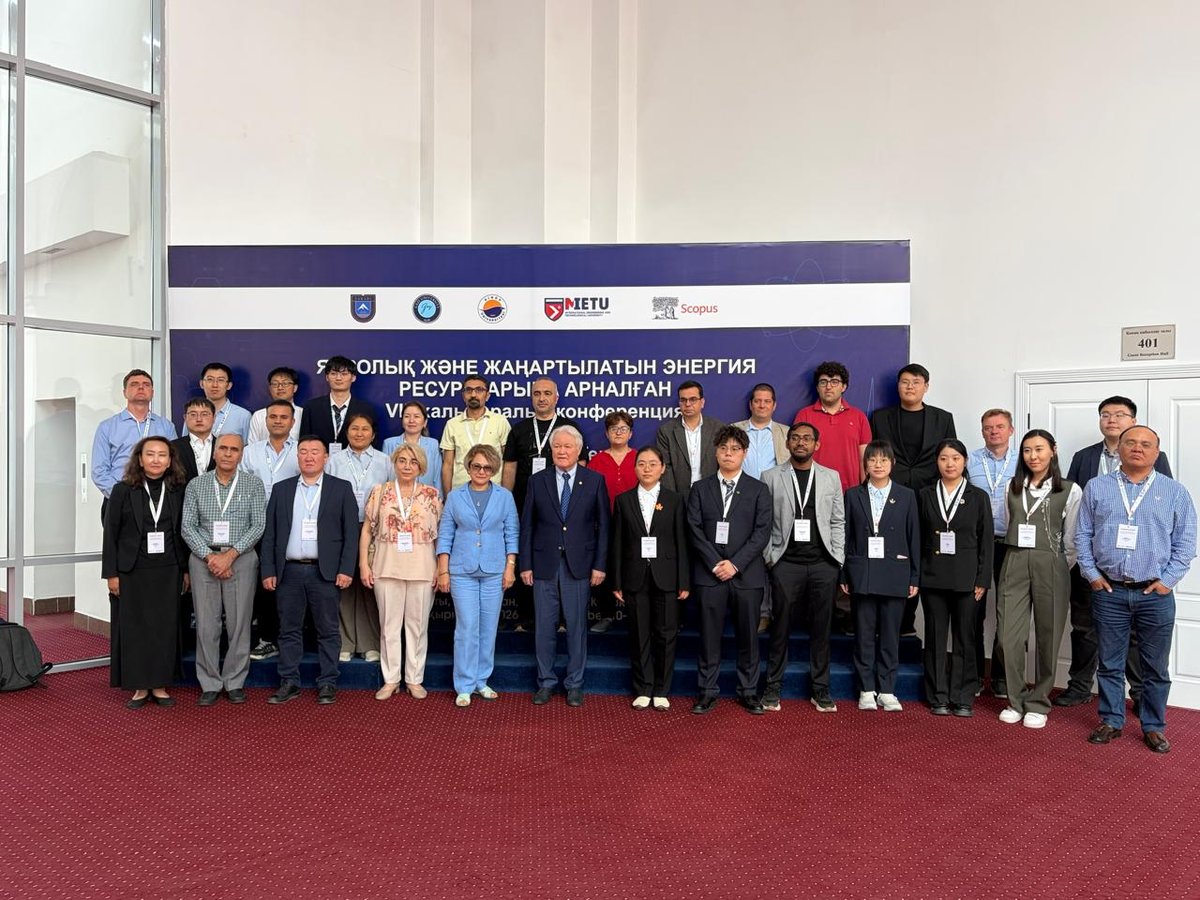
The collaboration between the Faculty of Physics and Technology and the Faculty of Mechanics and Mathematics made it possible to integrate fundamental physical research, energy technologies, mathematical methods, and digital solutions within a single international scientific forum. Such an interdisciplinary approach is particularly important for addressing today’s complex energy challenges, where technological, computational, and environmental dimensions are becoming increasingly interconnected.
For Al-Farabi KazNU, hosting NURER 2026 is important for strengthening international scientific cooperation, advancing joint research, and engaging early-career researchers in the global scientific agenda. The conference provides opportunities for direct interaction between research groups, discussion of joint publications, development of new academic contacts, and the preparation of future international projects.
The themes of NURER 2026 are directly aligned with the United Nations Sustainable Development Goals, particularly SDG 7: Affordable and Clean Energy, SDG 9: Industry, Innovation and Infrastructure, SDG 13: Climate Action, and SDG 17: Partnerships for the Goals.
The in-person programme in Almaty became an important component of NURER 2026 and highlighted KazNU’s role as a platform for international scientific dialogue. The active participation of the Faculty of Physics and Technology and the Faculty of Mechanics and Mathematics demonstrated the value of interdisciplinary cooperation in shaping discussions on the future of nuclear and sustainable energy.
Other news