Mental Health: Psychological Immunity and Culture of Support

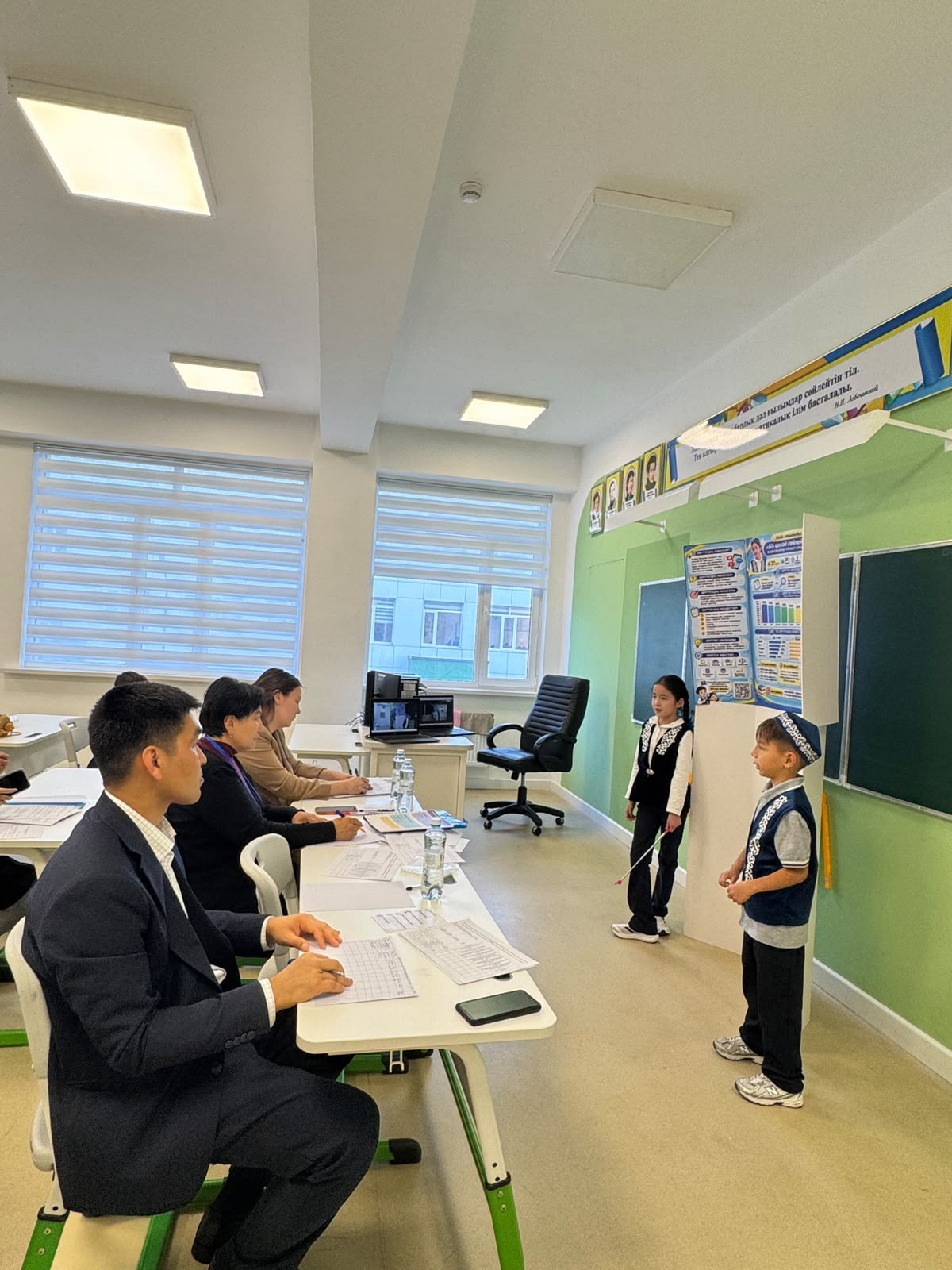
Within the framework of this topic, during the open lesson organized by the tutorial group of senior lecturer Kuandykova D.K. — 3rd-year students of group SIS 2402 — we will share important information on building psychological resilience, overcoming stress, and developing a culture of mutual support.
Mental health is one of the most important parts of a person’s overall well-being. It affects the way we think, feel, communicate, make decisions, and respond to difficult situations. For students, mental health is especially important because university life can bring many challenges, including academic pressure, examinations, deadlines, relationships, financial concerns, and uncertainty about the future.
Psychological immunity can be understood as a person’s ability to cope with stress, overcome difficulties, and recover after emotionally challenging situations. It does not mean that a person never feels sad, anxious, or tired. Instead, psychological immunity helps people understand their emotions and find healthy ways to deal with them. A person with strong psychological resilience can accept difficulties, learn from experience, and continue moving forward.
Taking care of mental health should become a regular part of our lives. Simple habits can make a significant difference. Getting enough sleep, eating properly, exercising, spending time outdoors, communicating with friends, and having time for hobbies can help reduce stress and improve emotional well-being. It is also important to understand that asking for help is not a sign of weakness. Talking to a trusted person, teacher, psychologist, or specialist can be an important step toward solving a problem.
Another important aspect is the culture of support. People often hide their problems because they are afraid of being judged or misunderstood. Therefore, society should create an environment where people can openly talk about their feelings. Sometimes a person does not need advice; they simply need someone who will listen without criticism. Respect, empathy, attention, and kindness can make a significant difference in someone’s life.
In conclusion, mental health is a valuable part of our everyday life. Developing psychological immunity and creating a culture of support can help people become more emotionally resilient and confident. By taking care of ourselves and supporting others, we can create a healthier, kinder, and more understanding environment for everyone.
Other news