- Main
- News
- The Faculty of Information Technology and Artificial Intelligence Hosted the "Eco-Campus: Taza Qazaqstan" Round Table
The Faculty of Information Technology and Artificial Intelligence Hosted the "Eco-Campus: Taza Qazaqstan" Round Table
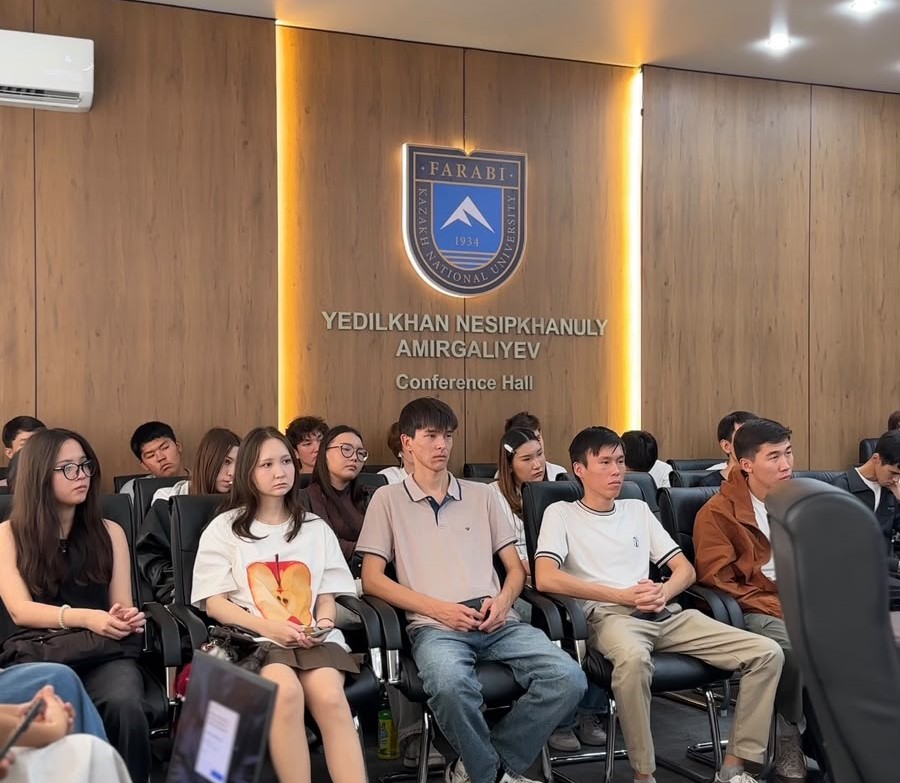
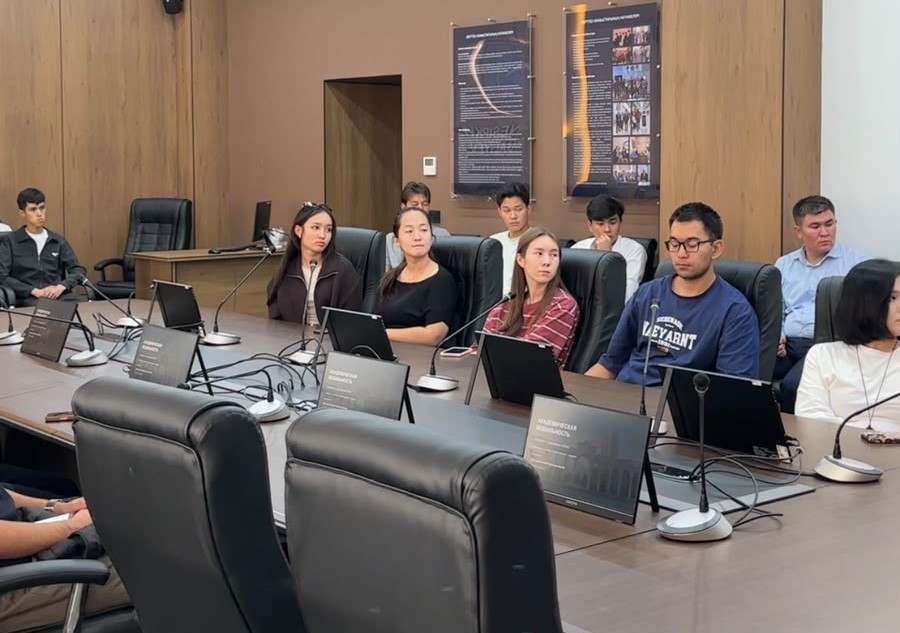
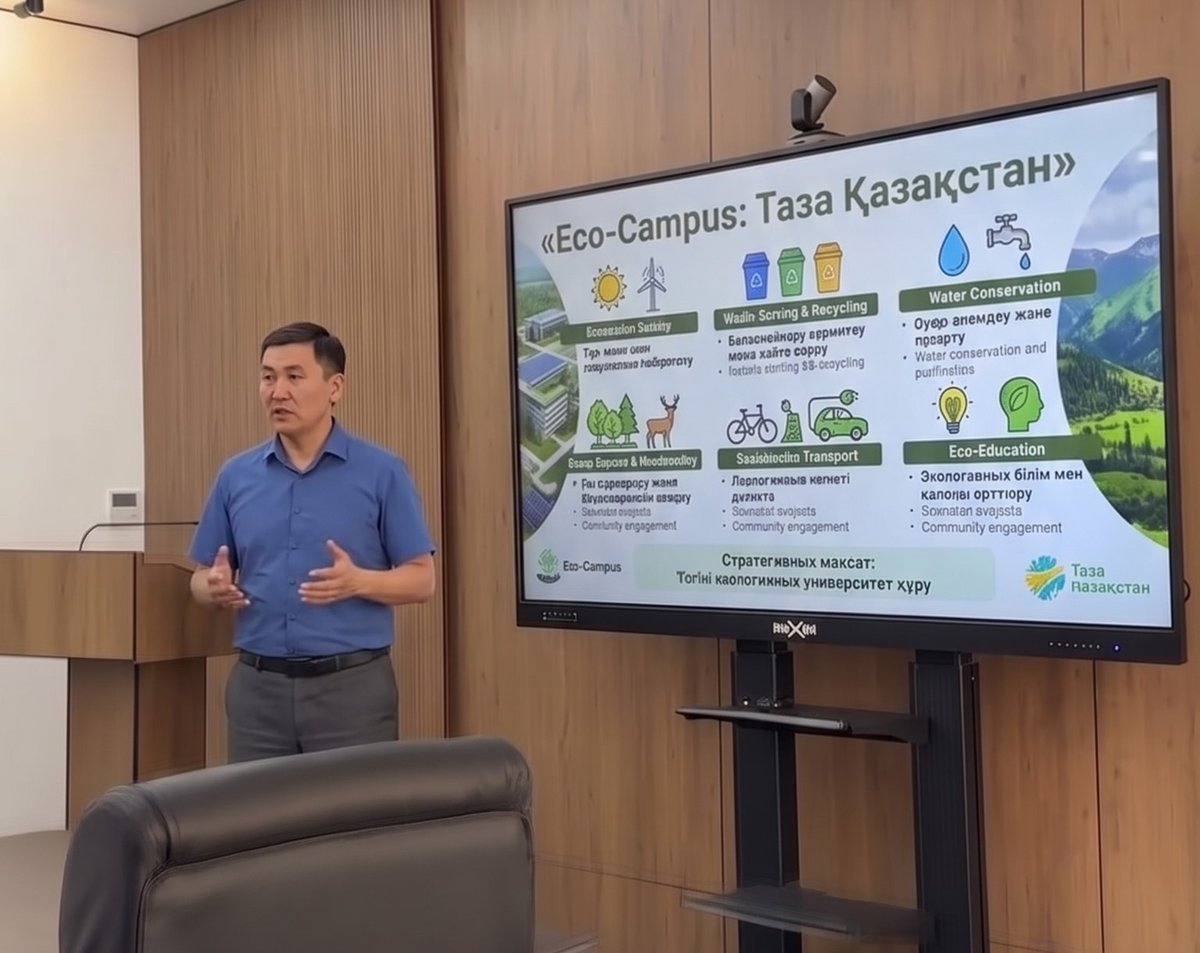
On September 3, 2026, the Faculty of Information Technology and Artificial Intelligence hosted a comprehensive round table titled "Eco-Campus: Taza Qazaqstan." The main objective of the event was to discuss the integration of environmental culture into university life, support the national "Taza Qazaqstan" initiative, and explore technological solutions for transitioning toward a sustainable "green" campus.
The event brought together faculty leadership, academic staff, young researchers in IT and Artificial Intelligence, alongside student leadership and activists from the eco-volunteer movement.
Alignment with Sustainable Development Goals (SDGs)
During the discussions, speakers highlighted that building a sustainable campus directly contributes to the United Nations Sustainable Development Goals (SDGs):
- SDG 4: Quality Education — Fostering environmental responsibility and awareness among students, while embedding "Green IT" and sustainability modules into academic curricula;
- SDG 11: Sustainable Cities and Communities — Transforming university infrastructure into a safe, clean, and energy-efficient "Eco-Campus" environment;
- SDG 12: Responsible Consumption and Production — Implementing 4-fraction waste sorting, transitioning to a paperless campus, eliminating single-use plastics, and establishing recycling workflows;
- SDG 13: Climate Action — Deploying smart energy-saving systems (Smart Lighting), installing solar panels, and systematically reducing the university's carbon footprint;
- SDG 17: Partnerships for the Goals — Strengthening collaboration with governmental environmental agencies, eco-activists, and tech companies to implement impactful green initiatives.
IT and Artificial Intelligence for Environmental Sustainability
Reflecting the unique specialization of the Faculty of IT and AI, key emphasis was placed on digitalizing ecological practices. Students and young researchers showcased several innovative projects, including smart waste bins powered by computer vision for automatic waste sorting, Telegram bots for reporting campus cleanliness issues, and an "Eco-Dashboard" platform for real-time monitoring of energy and water consumption.
Action Plan and Student Initiatives
At the conclusion of the round table, an action plan for the upcoming academic year was approved, featuring:
- "Clean Faculty" Challenge: Weekly evaluations of classroom cleanliness and resource efficiency;
- Eco-Cleanups and Tree Planting: Campus greening drives under the national "Taza Olke" campaign;
- Green Hackathon: A student competition for the best IT and AI solutions addressing environmental challenges;
- EcoQolday System Integration: Reinvesting recycling proceeds directly into student-led eco-startups.
The Dean of the Faculty emphasized: «Cleanliness is more than order—it is a conscious culture. By combining artificial intelligence with ecological responsibility, our students are creating real-world solutions for Kazakhstan's sustainable future.»
Other news