Heads of Academies of Sciences of the Turkic World Visit KazNU
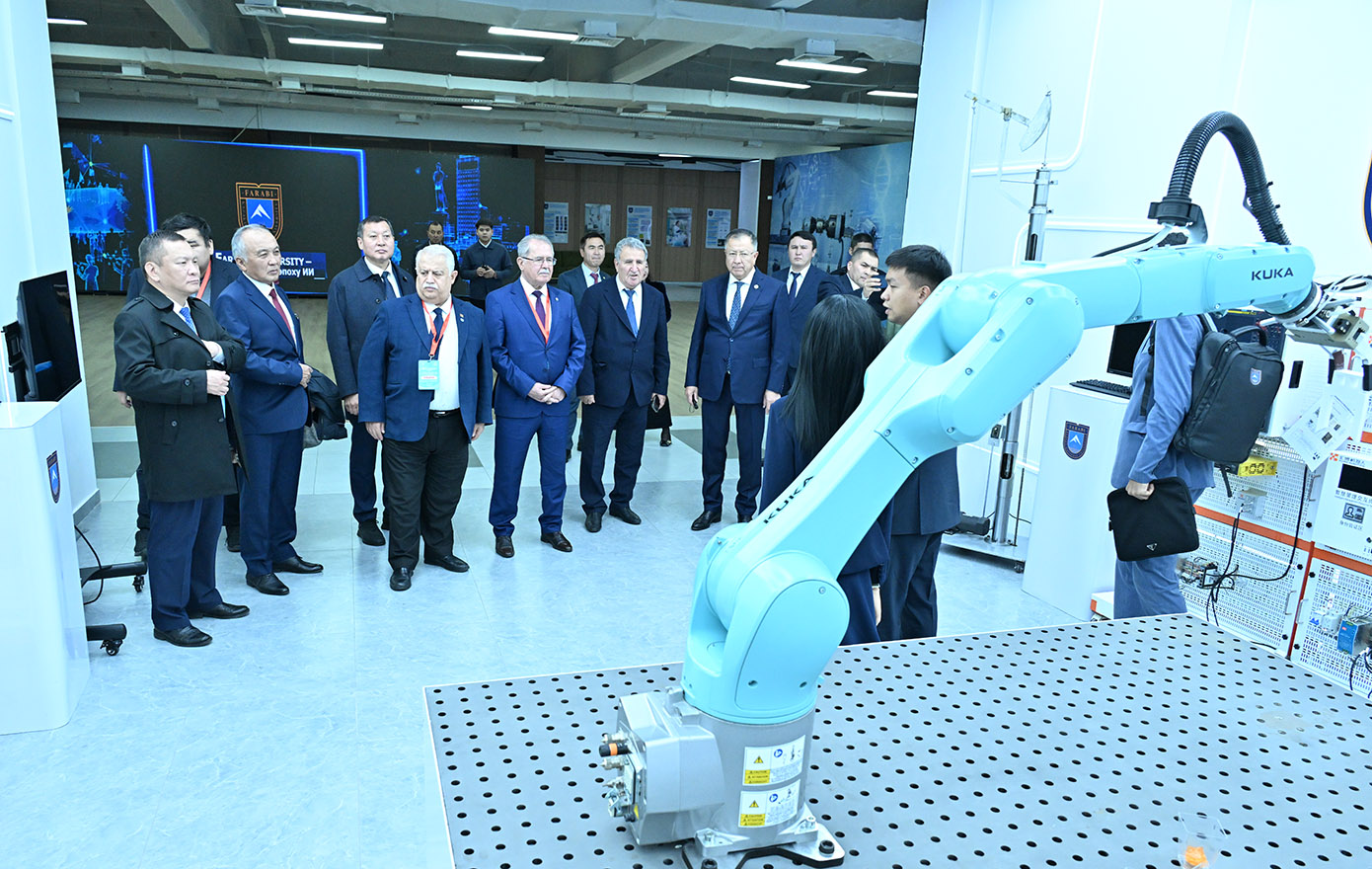
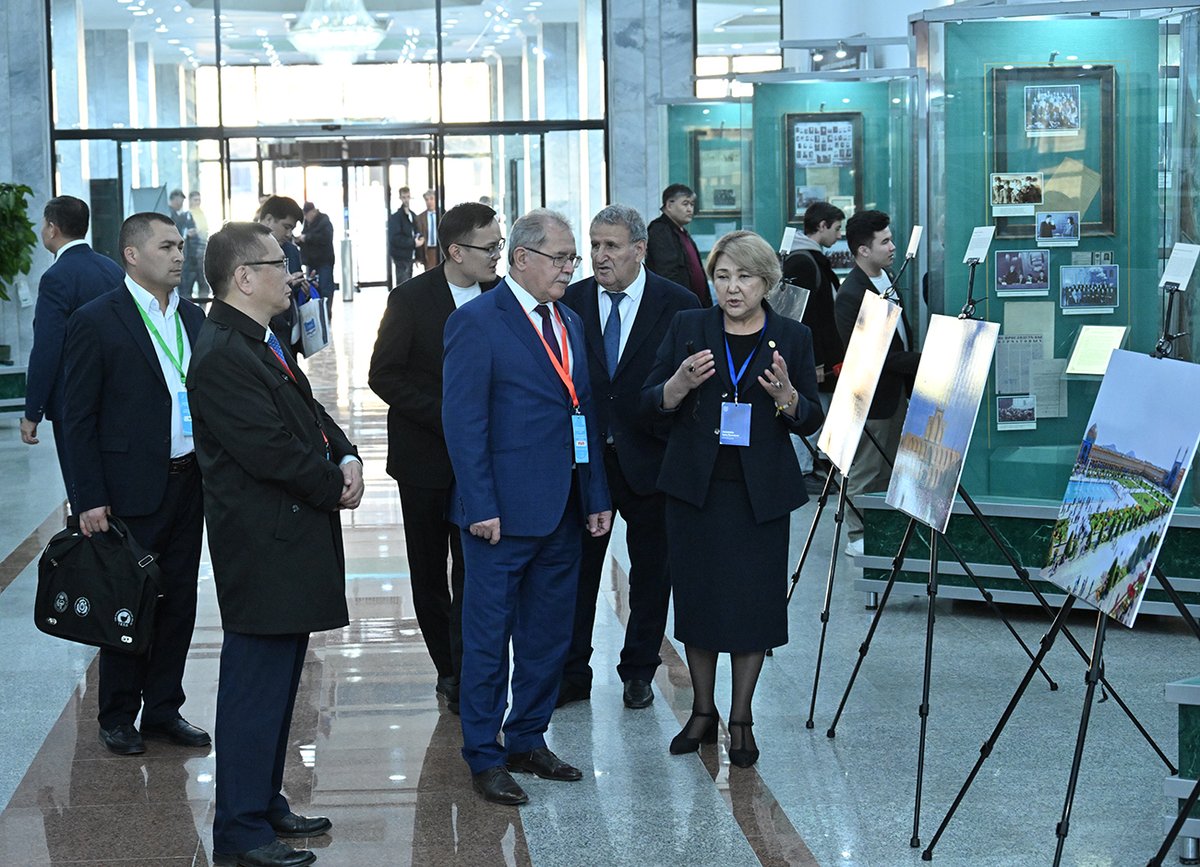
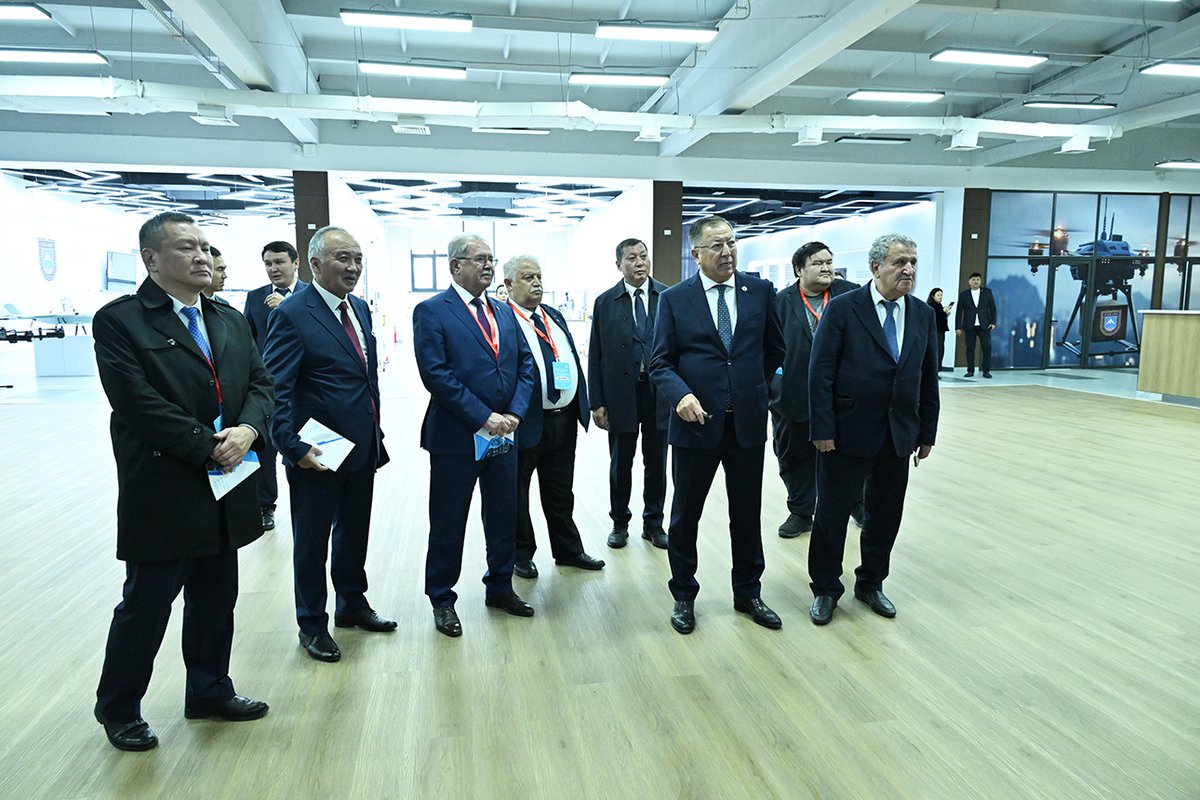
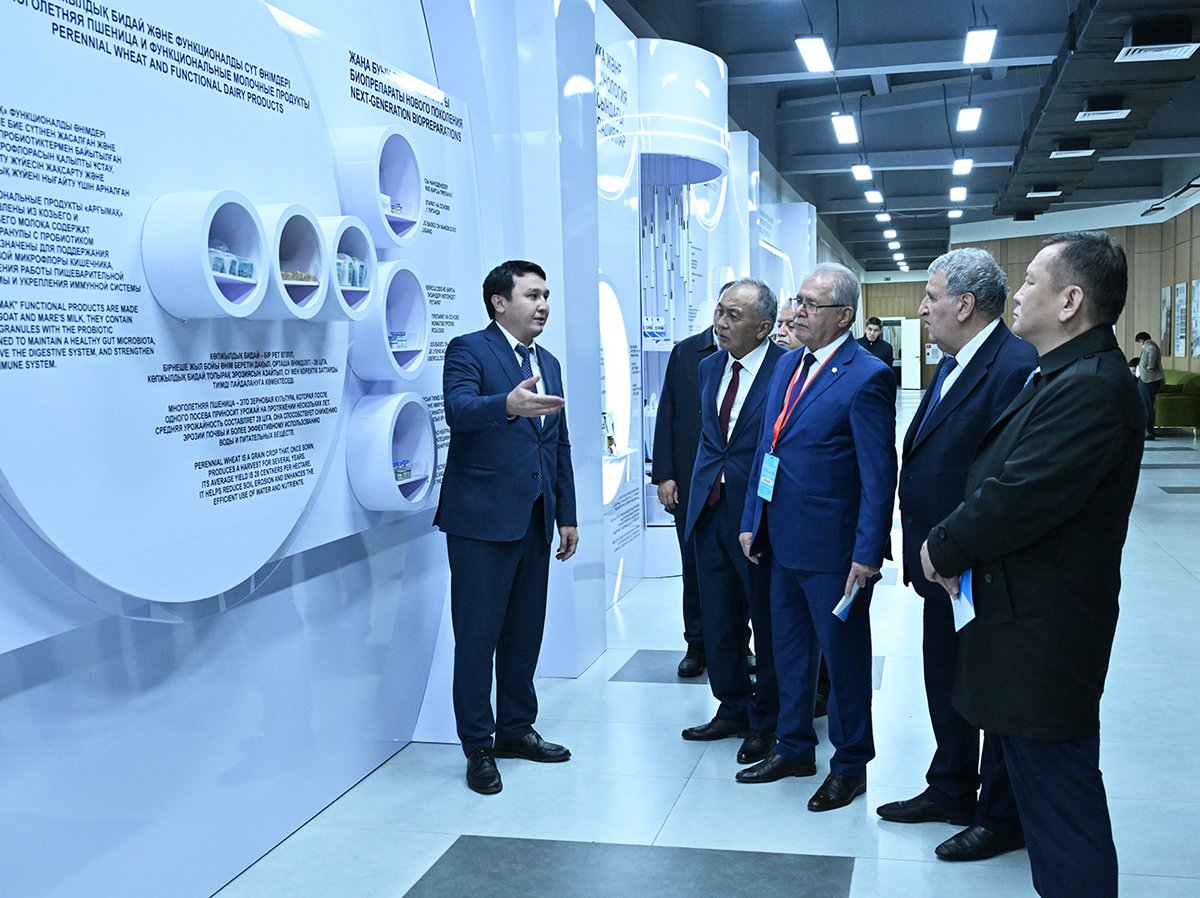
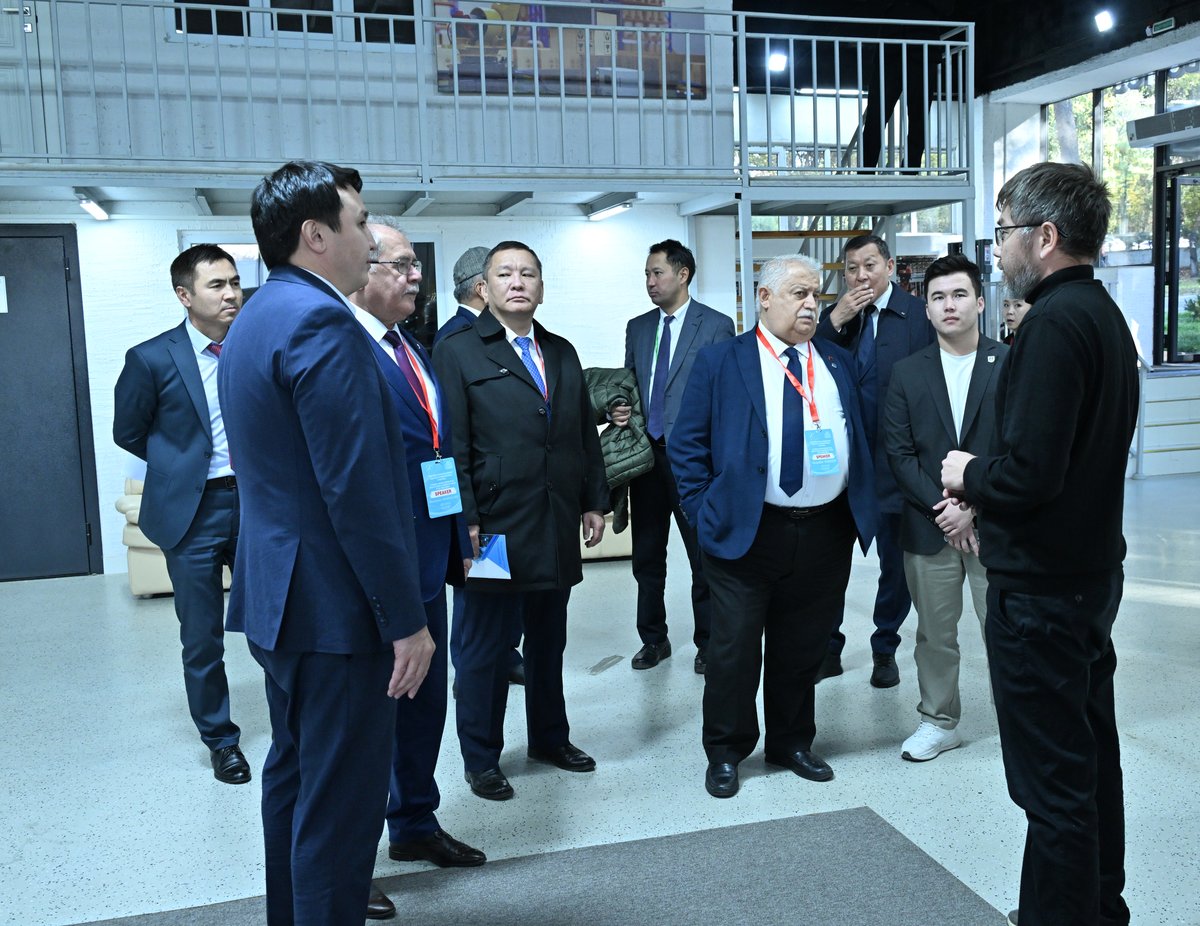
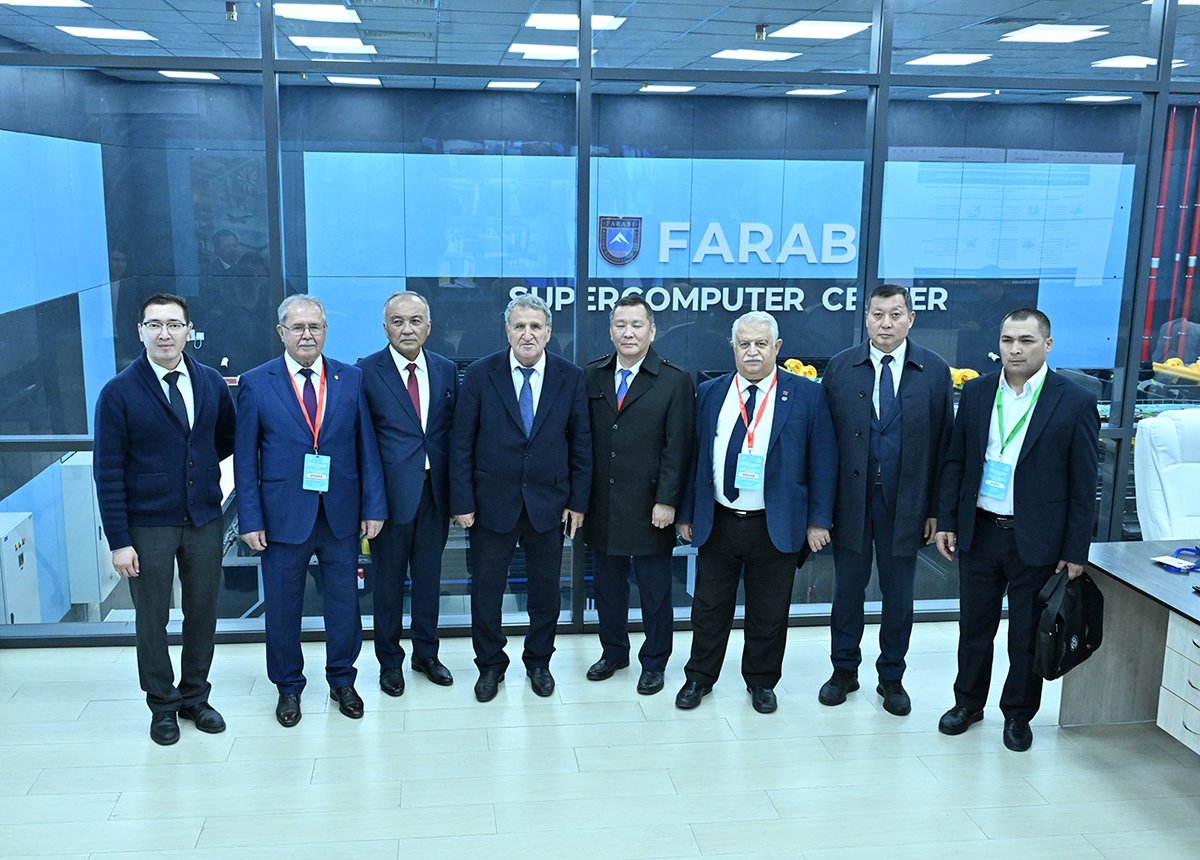
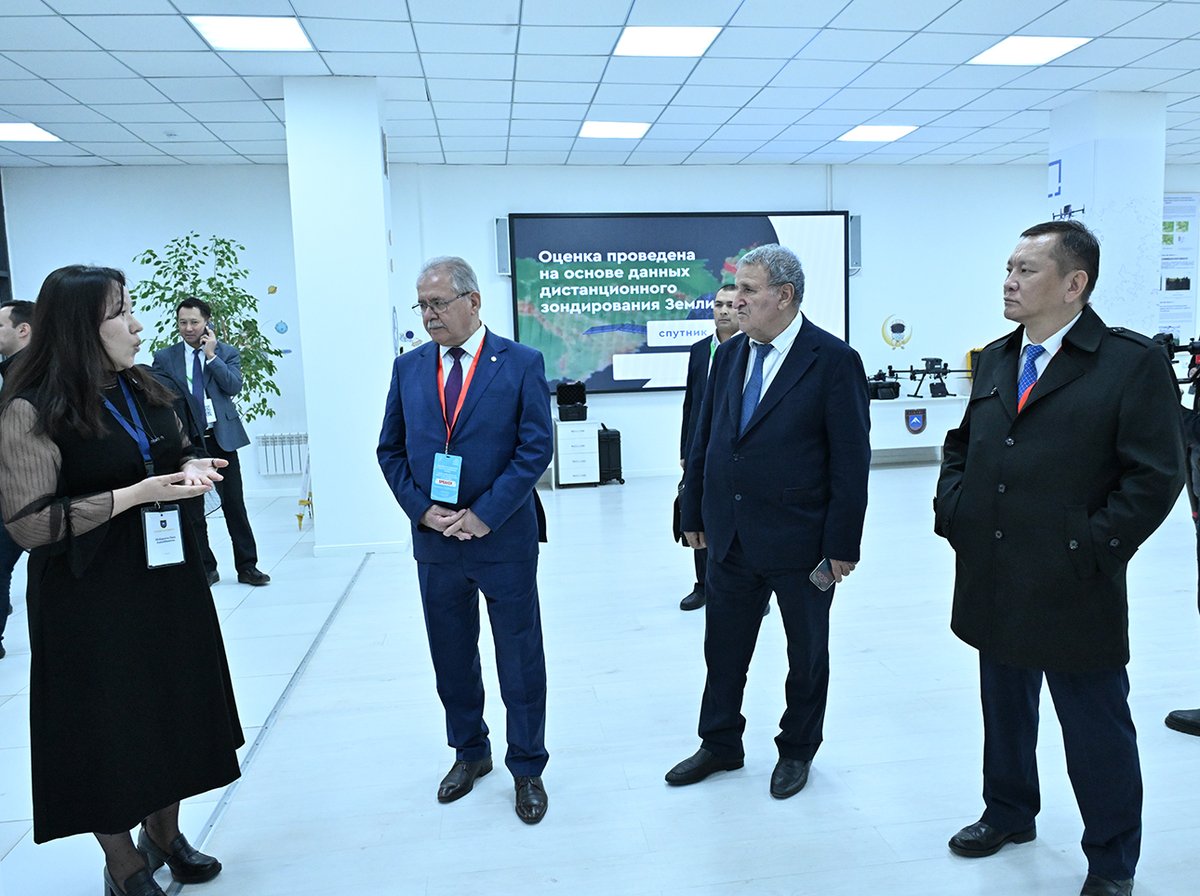
Heads of the Academies of Sciences of Türkiye, Azerbaijan, Kyrgyzstan, Mongolia, and Uzbekistan visited Al-Farabi Kazakh National University, where they explored the university's advanced scientific infrastructure and ongoing innovative projects.
The high-level delegation included Askhat Kesikbayev, Vice President of the International Turkic Academy; Muzaffer Şeker, President of the Turkish Academy of Sciences; Isa Akper oglu Habibbeyli, President of the Azerbaijan National Academy of Sciences; Bekmamat Zhenbayev, President of the National Academy of Sciences of Kyrgyzstan; Shamansur Sagidullayev, First Vice President of the Academy of Sciences of Uzbekistan; and Tsegmed Tserendorj, Vice President for Social Sciences of the Mongolian Academy of Sciences.
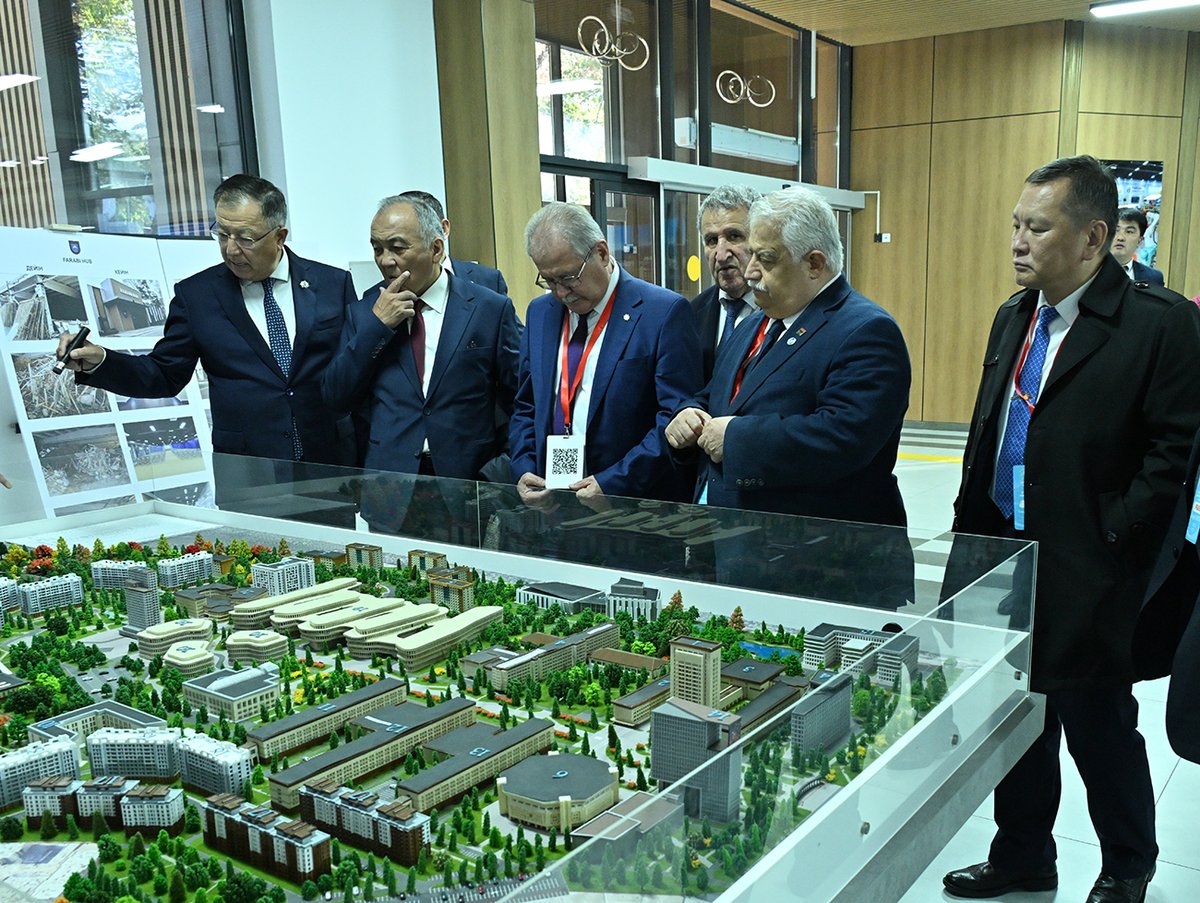
The distinguished guests were welcomed by Zhanseit Tuimebayev, Chairman of the Board – Rector of Al-Farabi Kazakh National University, who provided a detailed overview of the university's research centers and laboratories.
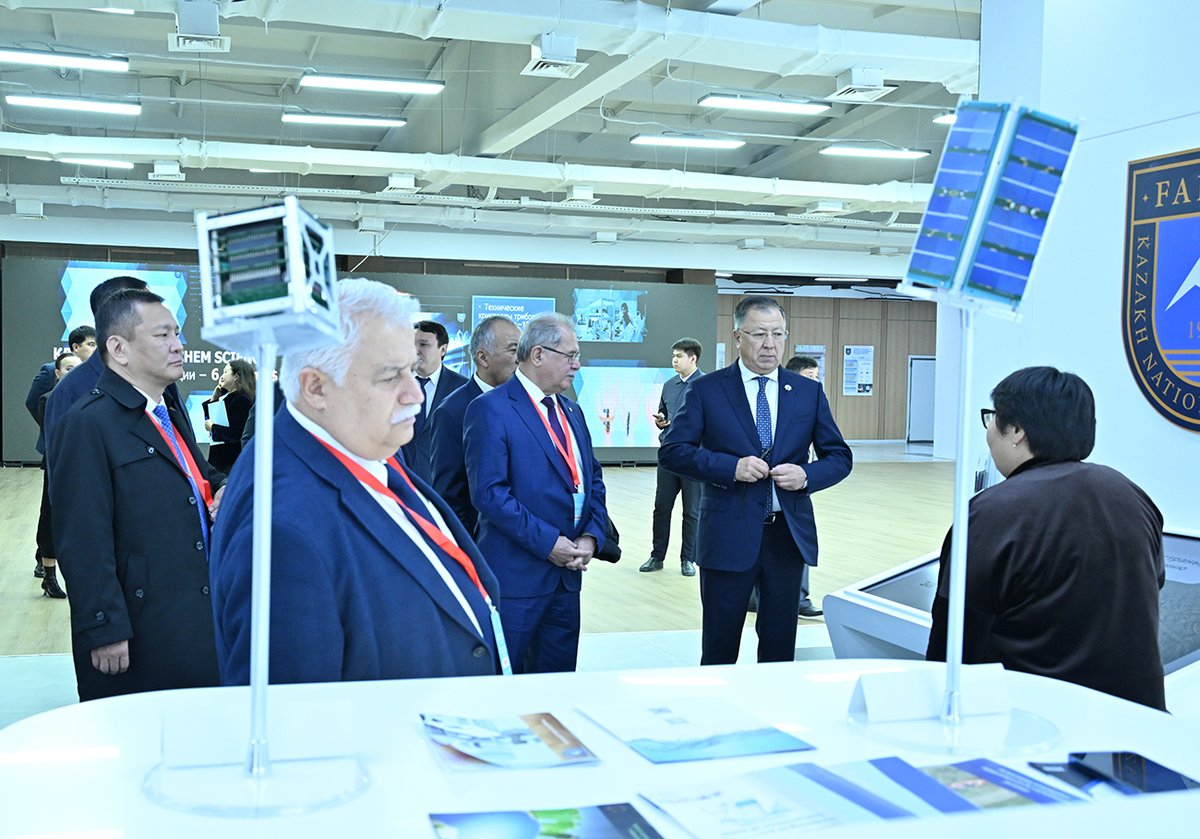
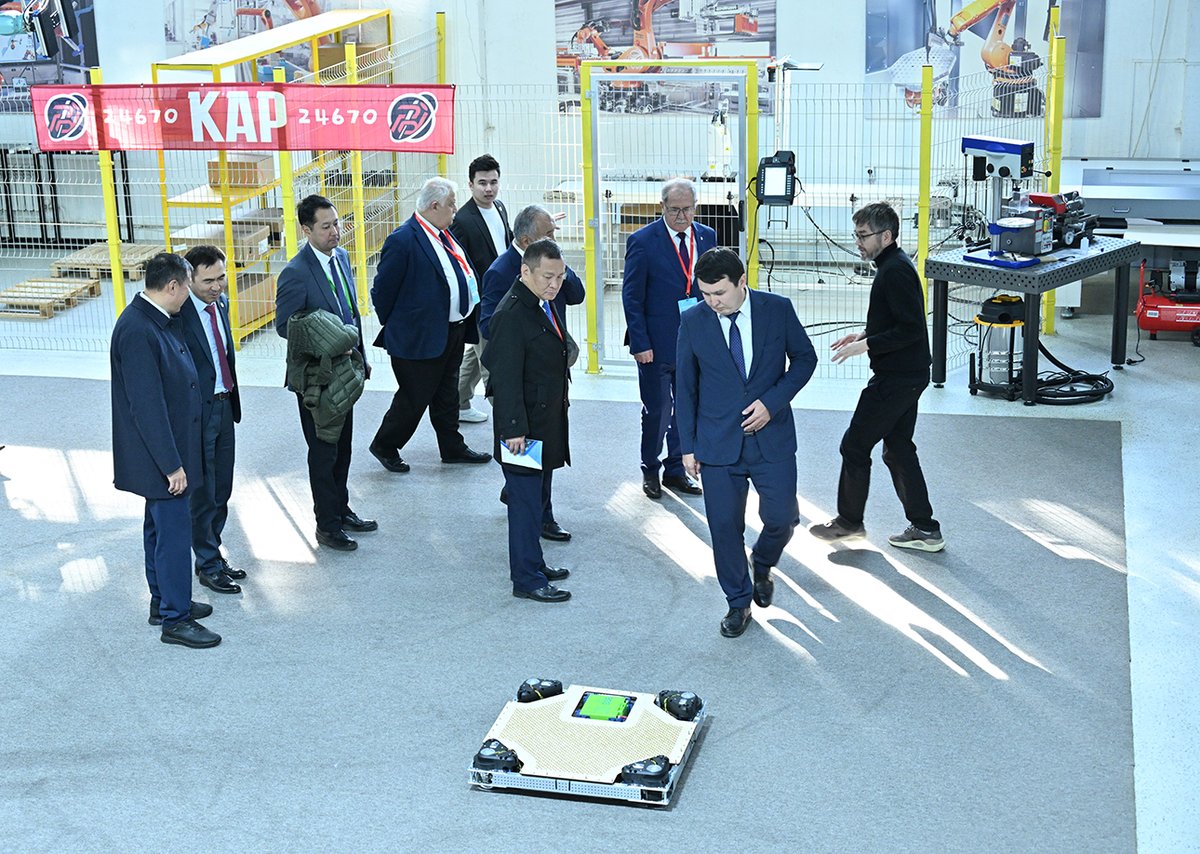
The delegation began its visit at Farabi Hub, the Center for Innovative Products and High-Tech Projects. The center fosters partnerships with universities, research institutions, and investment companies, facilitating joint research and the development of new technologies. It houses units of international companies, including ZTE, Ericsson, and other global technology organizations.
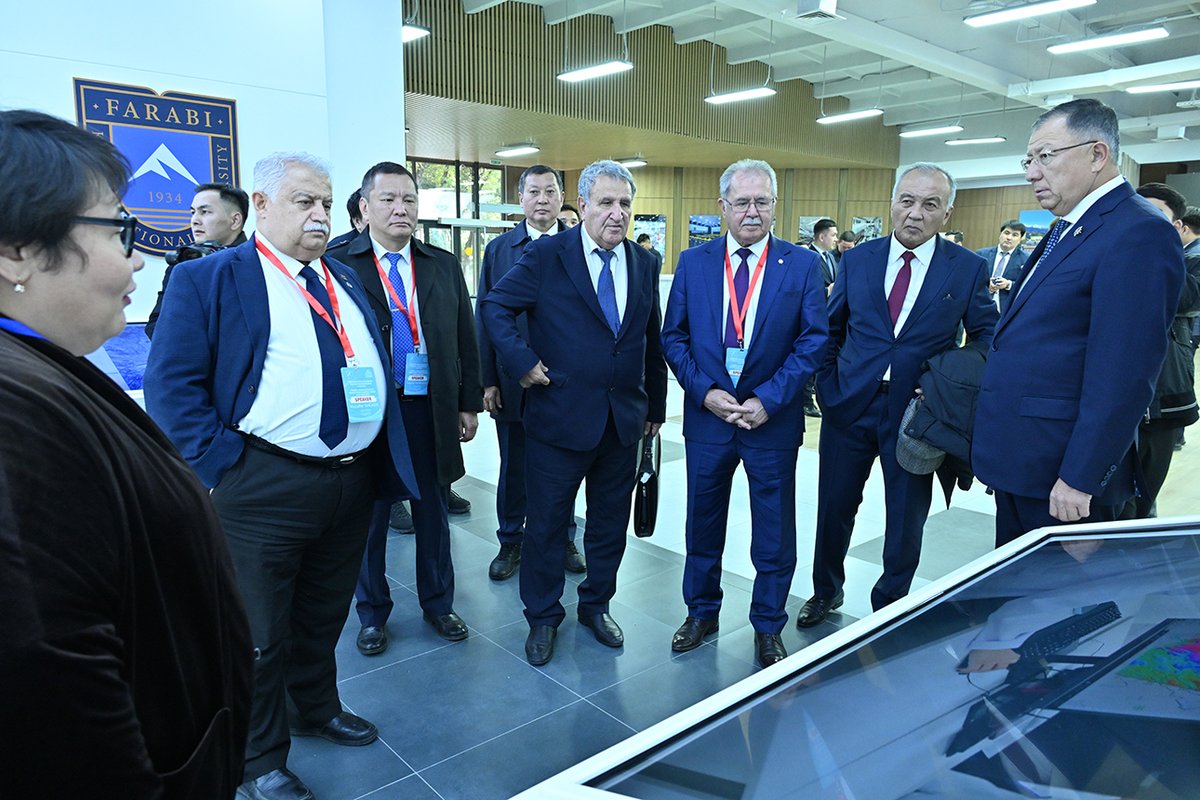
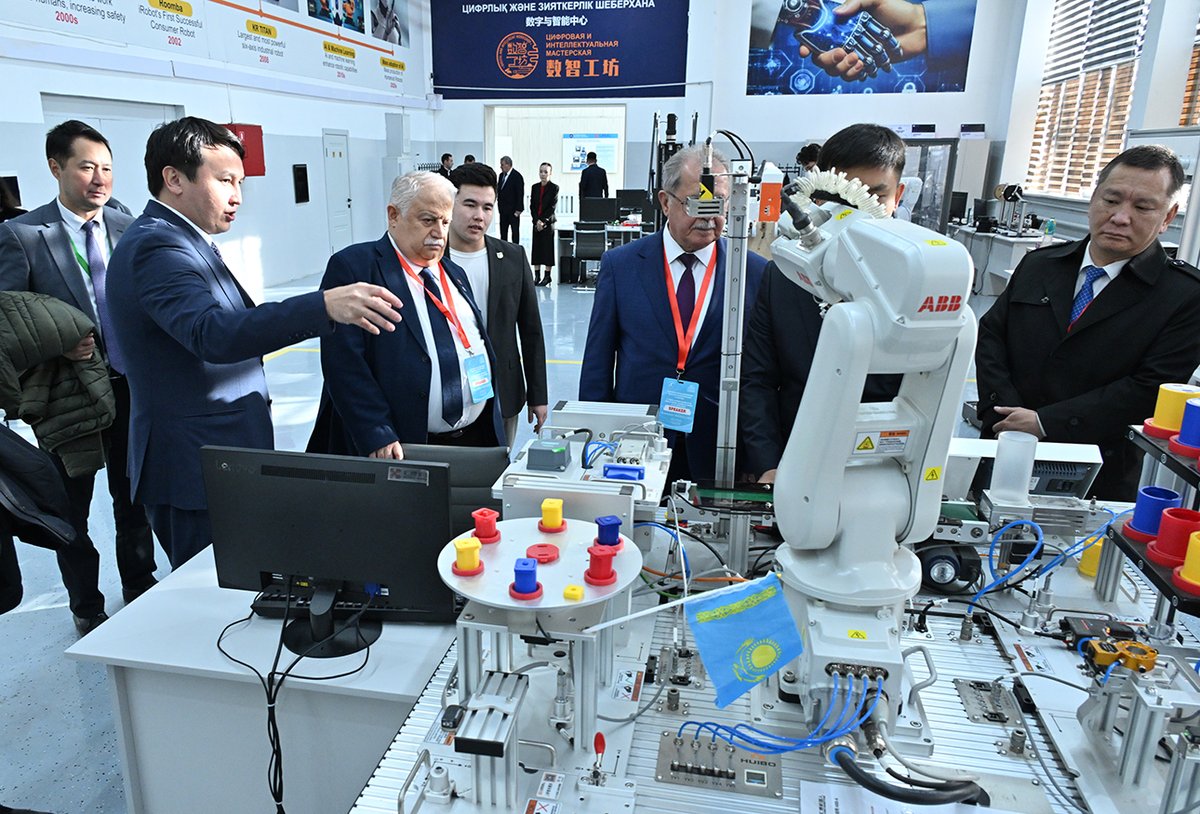
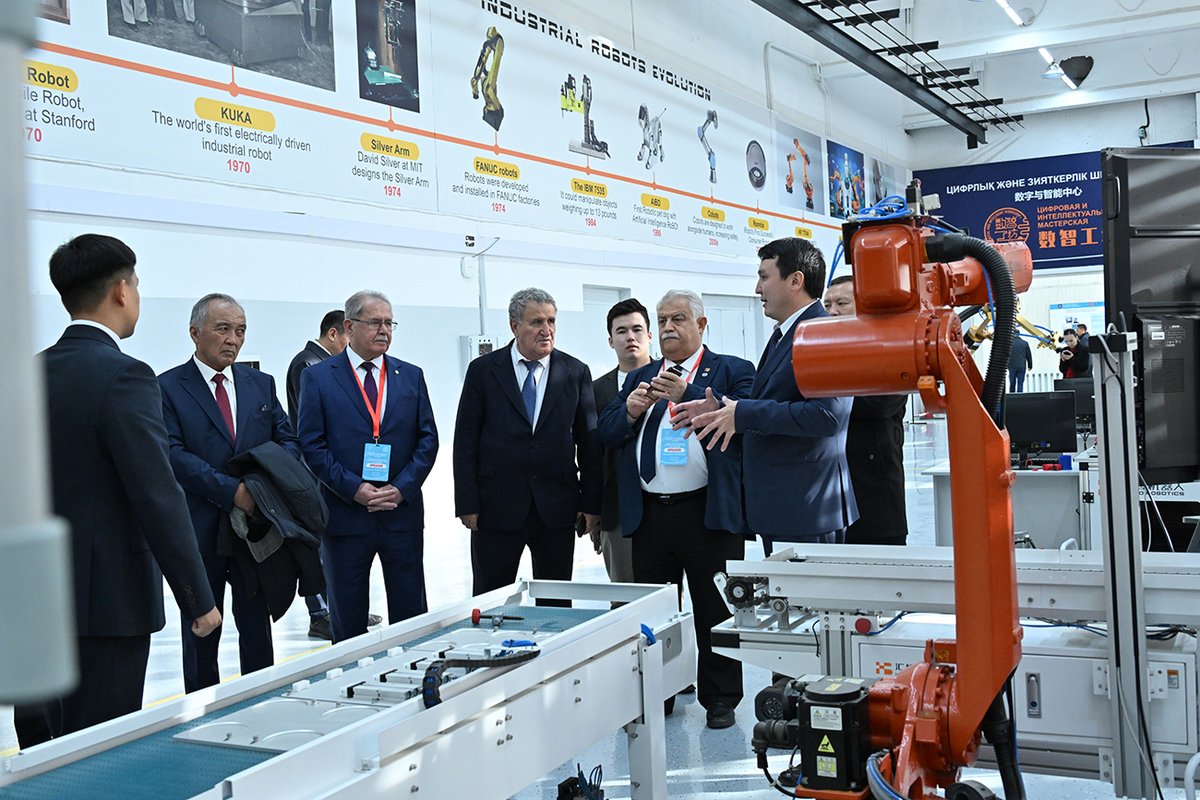
The guests also explored the capabilities of robotics centers established in cooperation with Chinese and German partners. At these centers, students learn about industrial processes in a digital environment and gain practical experience working with sophisticated automated systems.
One of the university's major research facilities is the Brain Institute, the first scientific institution of its kind in Central Asia. Its activities bring together research in neuroscience, cognitive technologies, and human brain functions. Using modern diagnostic and analytical methods, researchers investigate the mechanisms underlying human thinking, memory, speech, and behavior.
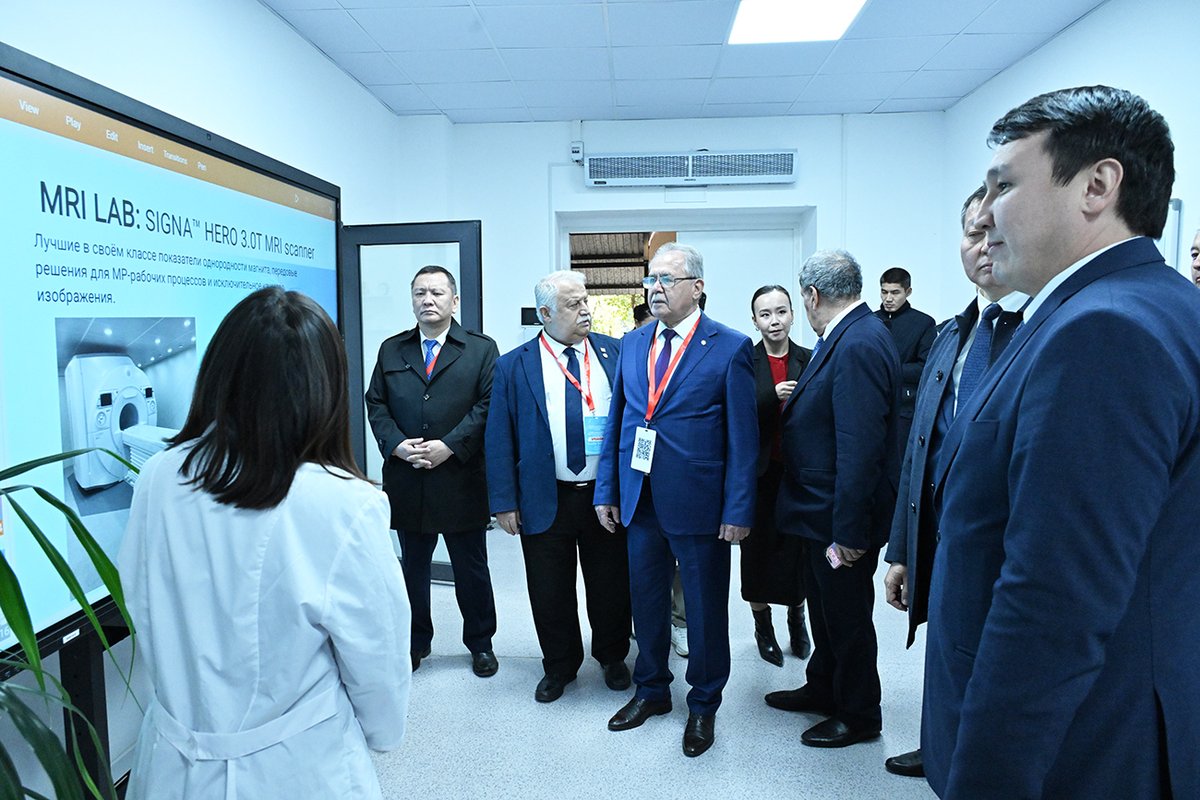
The institute is equipped with a state-of-the-art 3-Tesla magnetic resonance imaging (MRI) scanner. One of its key features is the integration of artificial intelligence technologies, which significantly reduce brain scanning time while improving image quality.
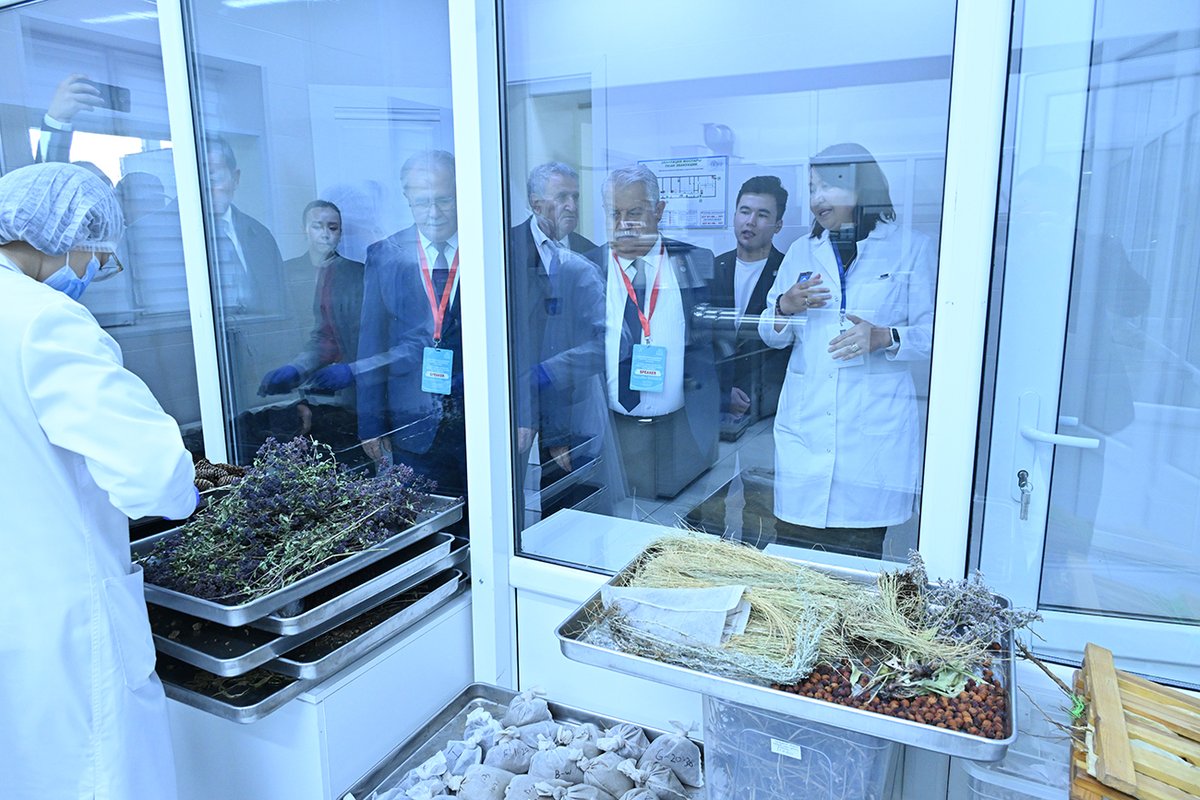
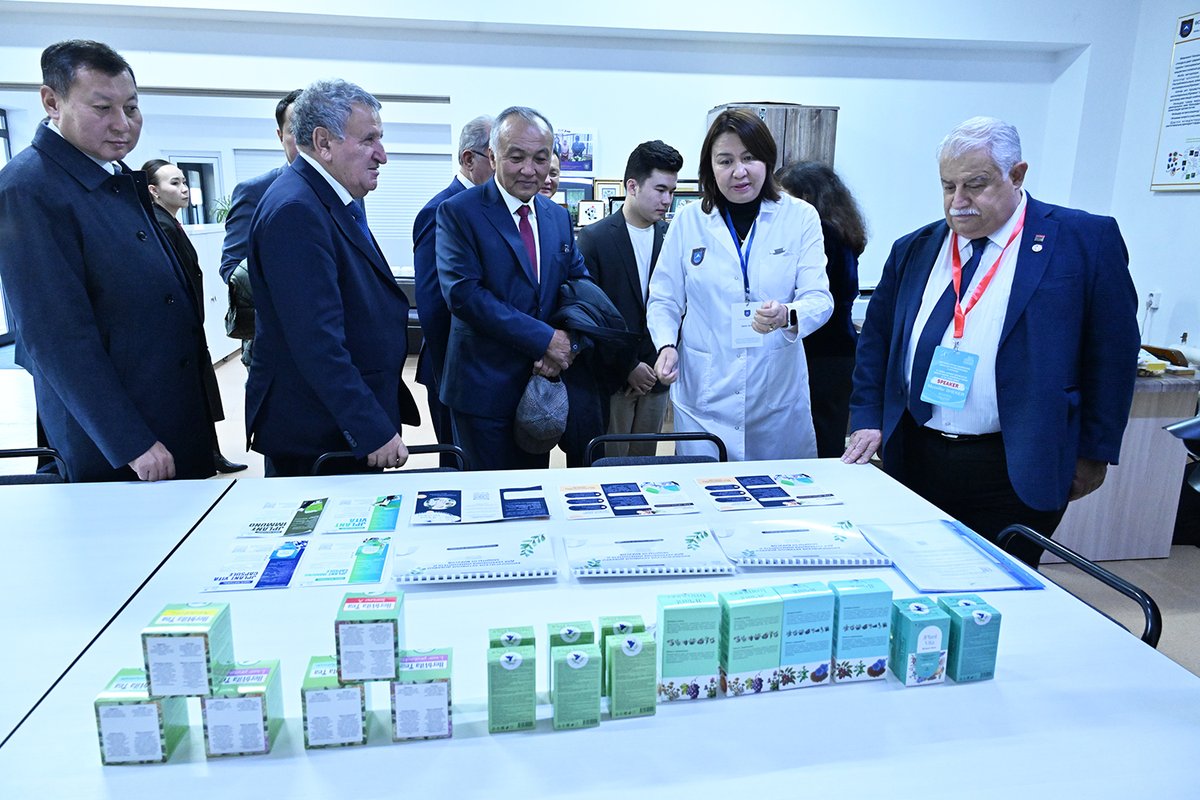
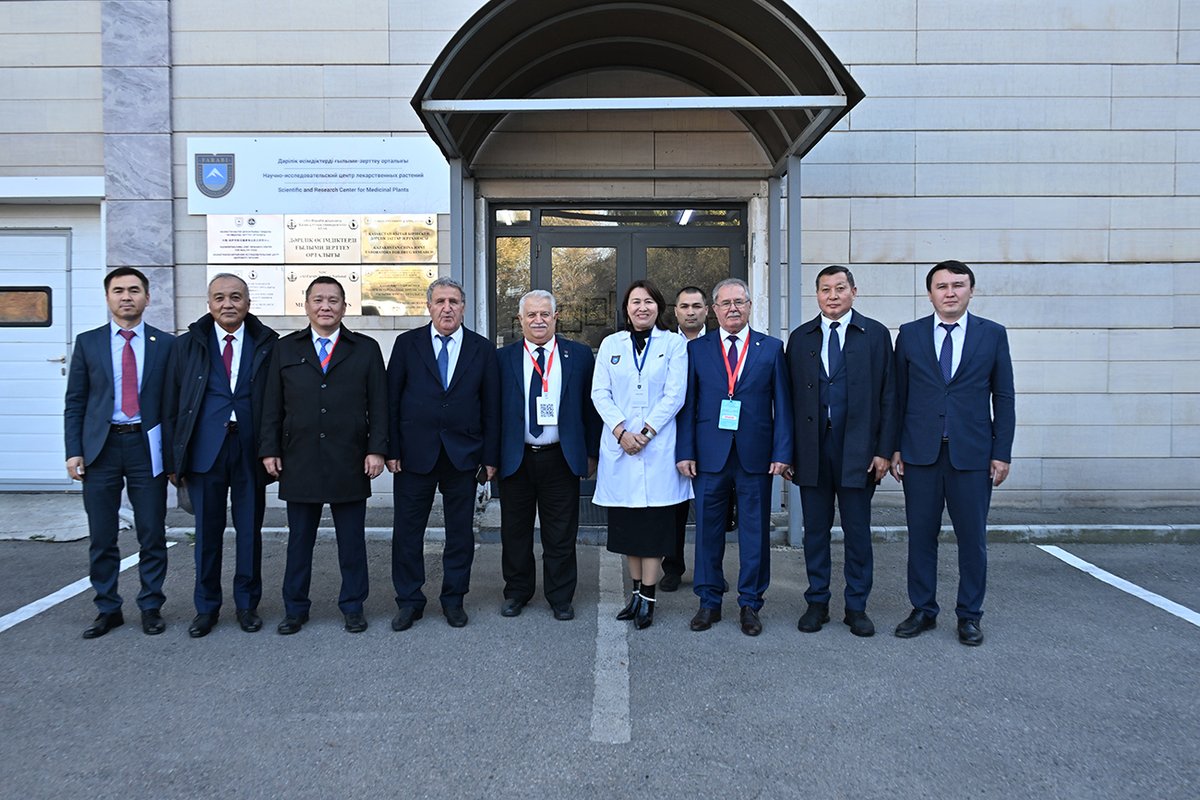
In addition, the delegation visited the Research Center for Medicinal Plants, where they learned about the development of herbal teas and dietary supplements. According to the university, products developed by its researchers are designed to help prevent influenza and liver diseases, strengthen the immune system, reduce blood sugar levels in people with diabetes, regulate blood pressure, and improve gastrointestinal function.
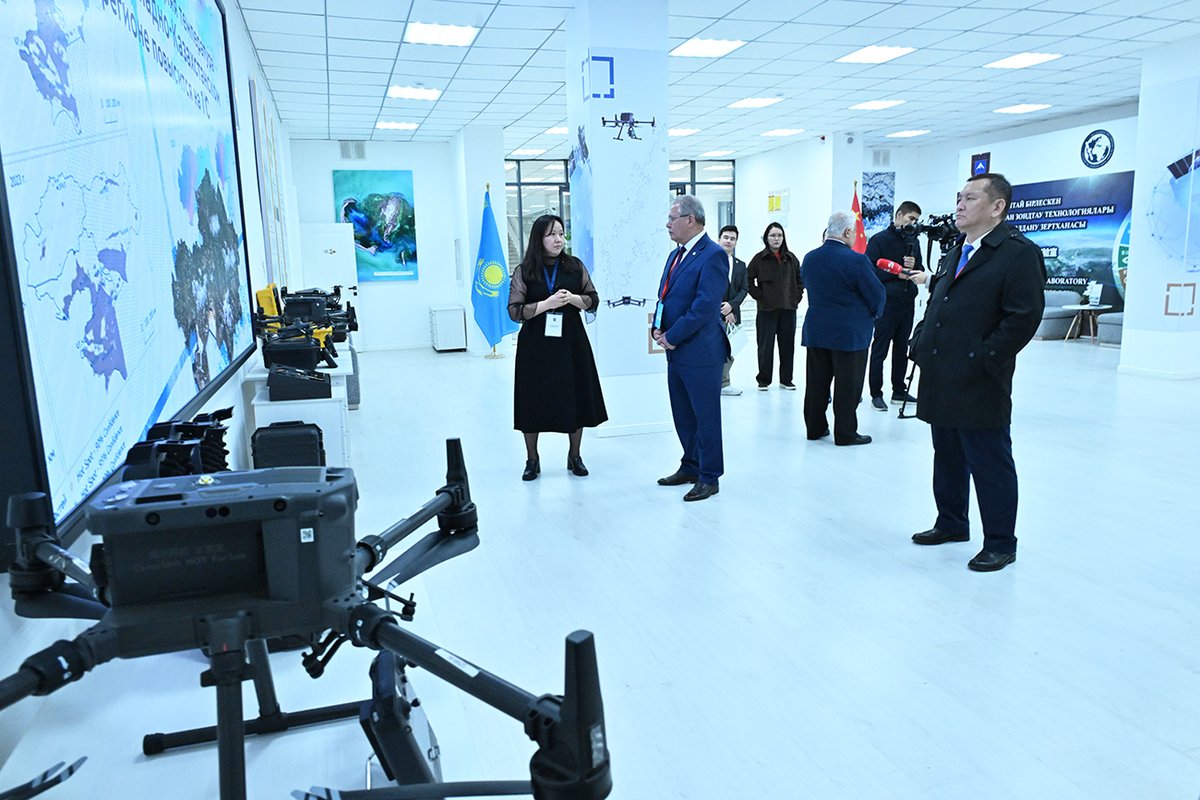
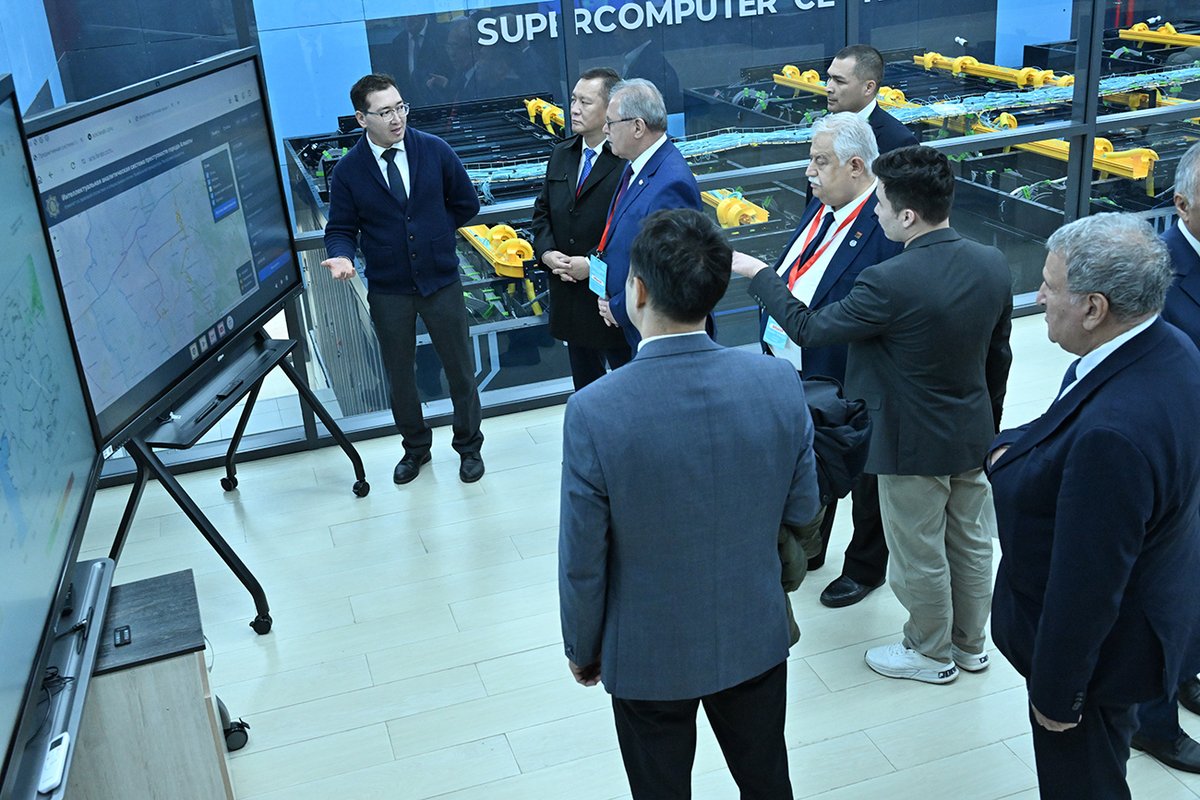
During the visit, delegation members toured the joint Kazakhstan–China laboratory, "Remote Sensing Technologies and Their Applications," operating at the Faculty of Geography and Environmental Sciences. They also explored the capabilities of the university's supercomputer, considered one of the most powerful in Central Asia.
The supercomputer delivers a performance of 2,000 teraflops and is ranked among the world's top 600 most powerful computing systems. Its architecture includes more than 400 Intel Xeon 6330N server processors. This advanced computing facility is currently being used to implement various large-scale scientific projects.
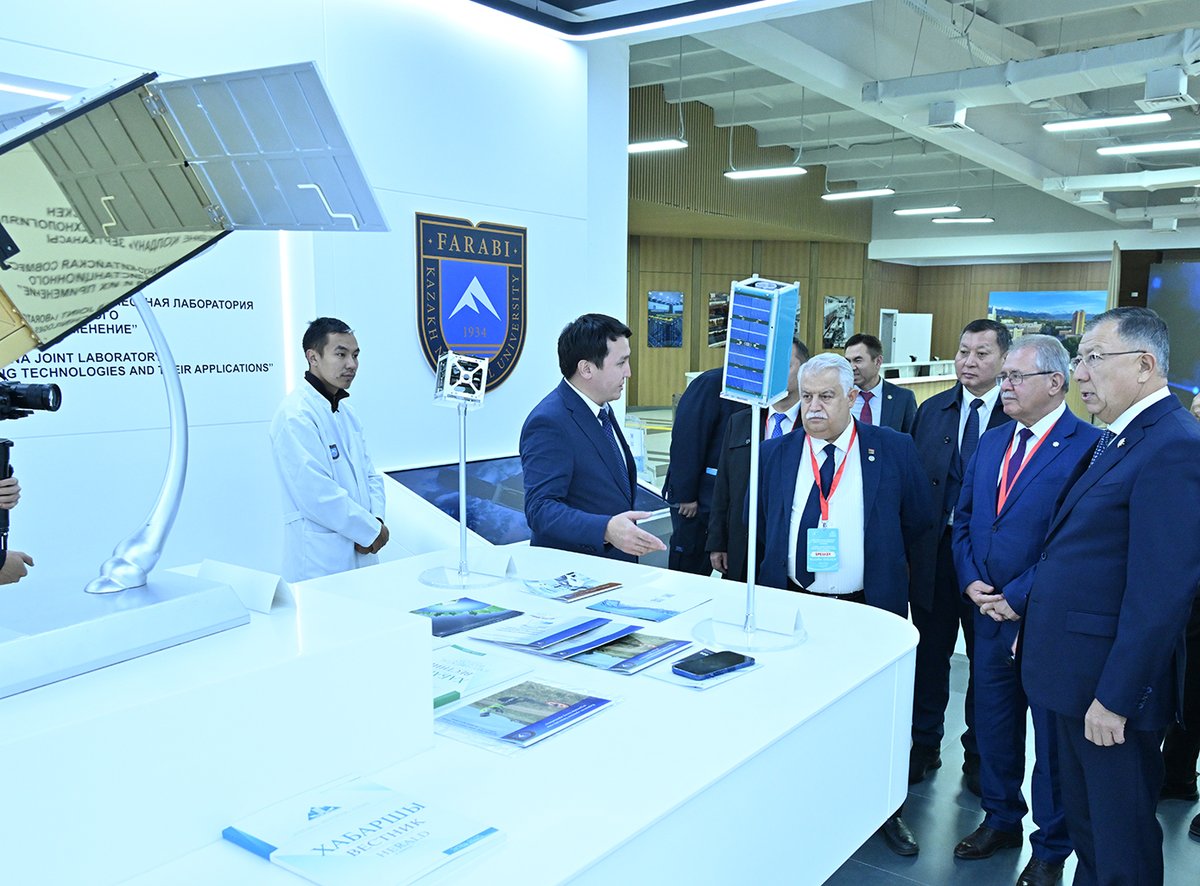
Following the visit, the heads of the Academies of Sciences of the Turkic world highly praised the scientific projects being implemented at KazNU and expressed strong interest in the capabilities of the university's modern research centers.
They also expressed their willingness to support joint scientific initiatives and further strengthen cooperation in science and technology.
Press Service of Al-Farabi Kazakh National University
Other news