- Main
- News
- Empowering a Sustainable Tomorrow: KazNU Scholars Spearhead ESG Integration at the LESLIE SLM2026 Conference in Bukhara
Empowering a Sustainable Tomorrow: KazNU Scholars Spearhead ESG Integration at the LESLIE SLM2026 Conference in Bukhara
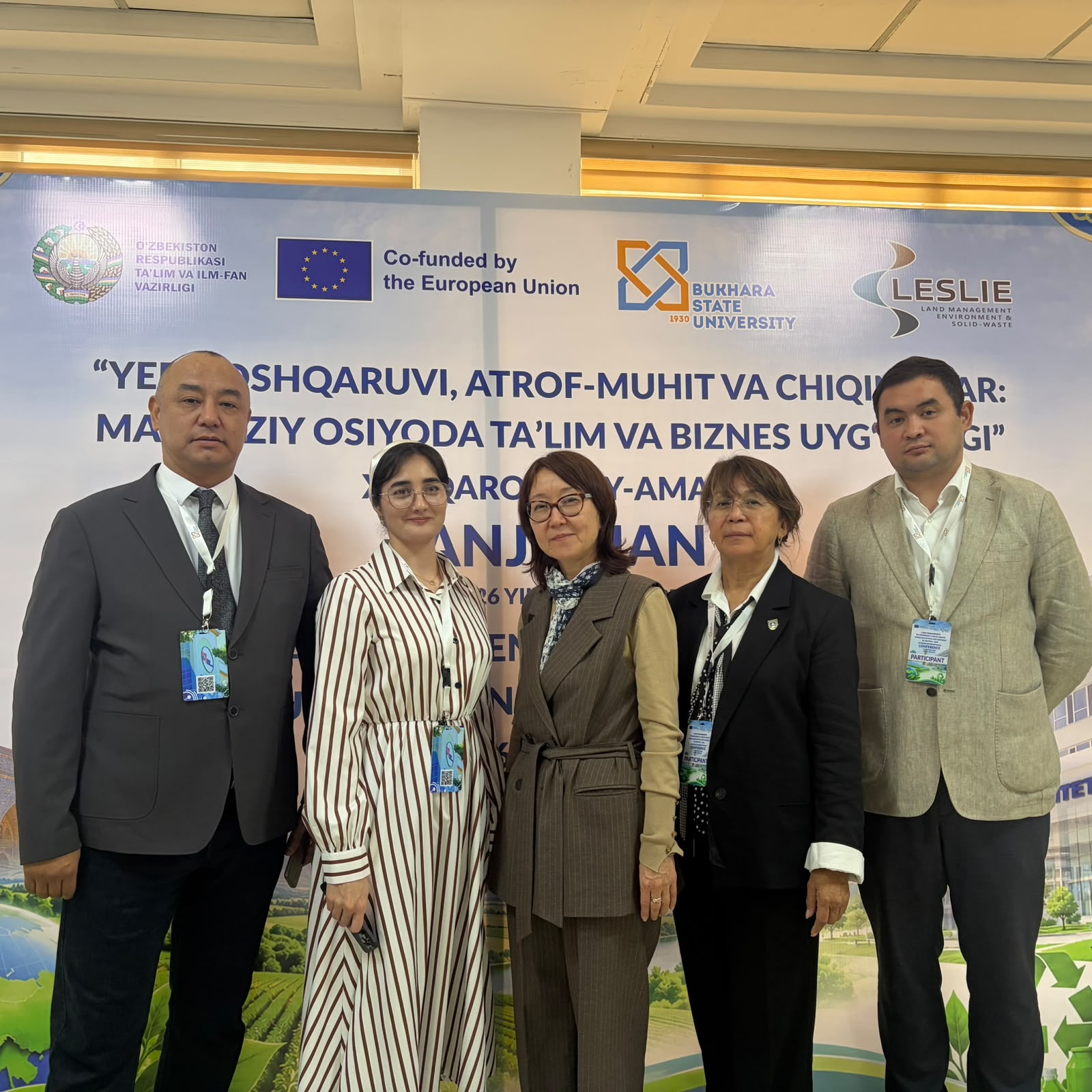
The modern university has long transcended its traditional role as merely a center of academic theory; today, it acts as a powerful catalyst for practical societal change, a beacon of ecological awareness, and a training ground for the green economy. This vision took center stage at the international scientific conference LESLIE SLM2026 ("Land Management, Environment and Solid Wastes: Education and Business in Central Asia"), held successfully on October 19–20, 2026, at Bukhara State University (Uzbekistan). Organized under the umbrella of the prestigious Erasmus+ Leslie international project co-funded by the European Union, the forum brought together leading researchers, environmental experts, policymakers, and industry practitioners from Uzbekistan, Kazakhstan, Spain, Italy, Cyprus, Iran, Turkey, and Azerbaijan.
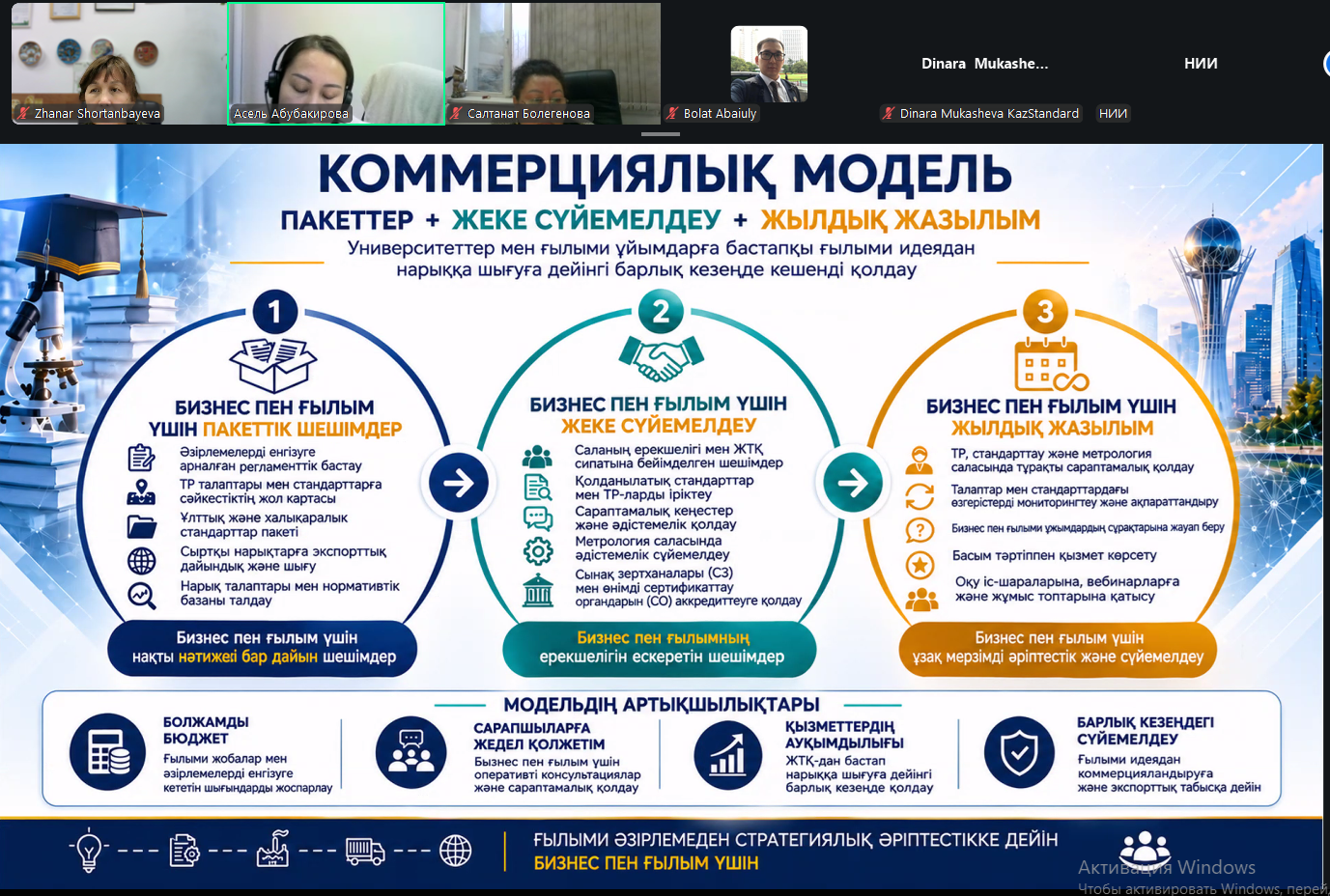
Representing the Al-Farabi Kazakh National University (KazNU), deputy department heads of Thermal Physics and Technical Physics Zhanar Shortanbayeva and Alibek Zhakypov delivered an insightful presentation titled "University Transformation Based on ESG Principles." Their address highlighted comprehensive institutional strategies for embedding environmental, social, and governance standards into the daily operations of a leading modern university. This directly supports the core mission of promoting inclusive and equitable quality education (SDG 4), as modernizing academic frameworks equips future professionals with the practical competencies required to address complex regional challenges.
Furthermore, a collaborative initiative by Zulfiya Kainazarova (Green University) and KazNU scholars focusing on integrating green economy principles into regional educational cases captured widespread attention. This framework effectively bridges theoretical education with real-world economic demands, fostering sustainable practices in line with responsible consumption and production (SDG 12) through improved resource management and waste reduction strategies.
The conference agenda encompassed five critical thematic vectors: sustainable land management, circular economy, food security, water resources and irrigation, as well as climate change and environmental risks. The analytical exploration of ecological risks and innovative agricultural practices fosters regional resilience, addressing urgent climate action (SDG 13) priorities across Central Asia. A study visit to the modern Varnet greenhouse complex and the Bukhara Botanical Garden offered participants firsthand insight into cutting-edge agricultural technologies and eco-friendly practices.
Ultimately, the Bukhara forum reaffirmed that true regional transformation relies on strengthening cross-border partnerships for the goals (SDG 17), uniting universities, research networks, and industrial stakeholders to solve pressing ecological challenges together.
Other news