FINANCIAL LITERACY AS THE FOUNDATION OF FINANCIAL STABILITY

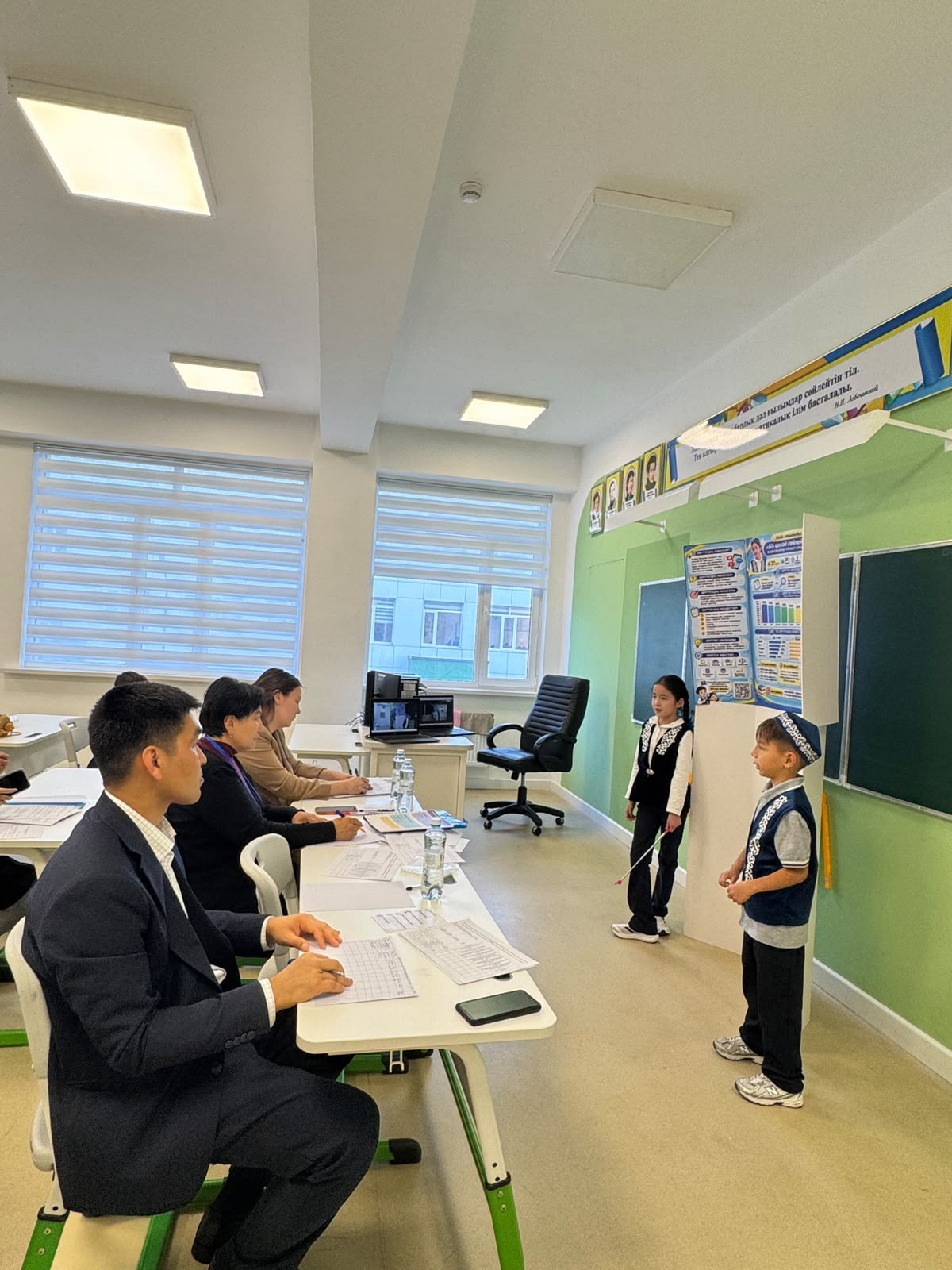
A curator class on the topic of «Financial Literacy» was held under the guidance of Zhalgas Imanaliev.
A curator class on financial literacy was organized to improve students’ financial knowledge, develop effective personal money management skills, and encourage responsible financial decision-making. During the class, students learned about personal budgeting, income and expense management, saving money, financial planning, and ways to protect themselves from financial risks.
The main purpose of the class was to help students understand the importance of financial literacy in everyday life. In modern society, the ability to manage money wisely is an essential life skill. Financial literacy enables people to control their spending, plan for the future, achieve personal goals, and make informed decisions about their financial resources.
One of the key topics discussed during the class was personal budget planning. Students were introduced to the importance of tracking their income and expenses and distributing their money according to their needs and priorities. It was explained that keeping a personal budget helps people understand their spending habits, avoid unnecessary purchases, and use their financial resources more effectively.
Another important topic was saving money and setting financial goals. Students learned that saving a small amount of money regularly can help them prepare for unexpected expenses and achieve their future plans. Developing good saving habits at a young age can also contribute to financial independence and greater confidence when making important financial decisions.
The class also addressed responsible borrowing and credit management. Students were informed about the importance of carefully reviewing loan agreements before borrowing money. They learned that interest rates, additional fees, repayment periods, and the total amount to be repaid should all be considered before making a financial commitment. Responsible borrowing requires an understanding of personal financial limits and the ability to assess possible risks.
In addition, the participants discussed financial security in the digital environment. Students were reminded to protect their bank card information, passwords, and verification codes. They were also advised to avoid suspicious links, be careful with unfamiliar financial offers, and remain alert to possible online scams. These precautions are particularly important as digital banking and online payments become increasingly common.
At the end of the class, it was emphasized that financial literacy is not only about earning and saving money but also about developing responsible financial habits. Understanding how to plan a budget, manage expenses, build savings, and recognize financial risks can help young people become more independent and better prepared for future challenges.
In conclusion, the curator class conducted under the guidance of Zhalgas Imanaliev aimed to broaden students’ understanding of financial literacy and develop their personal money management skills. The session highlighted the importance of financial planning, responsible spending, saving, and digital financial security. Such educational activities contribute to the development of financial awareness among young people and encourage them to make informed and responsible financial decisions in their everyday lives.
Other news