- Main
- News
- Al-Farabi Kazakh National University Hosts Winter Scientific and Educational School for Young Researchers
Al-Farabi Kazakh National University Hosts Winter Scientific and Educational School for Young Researchers
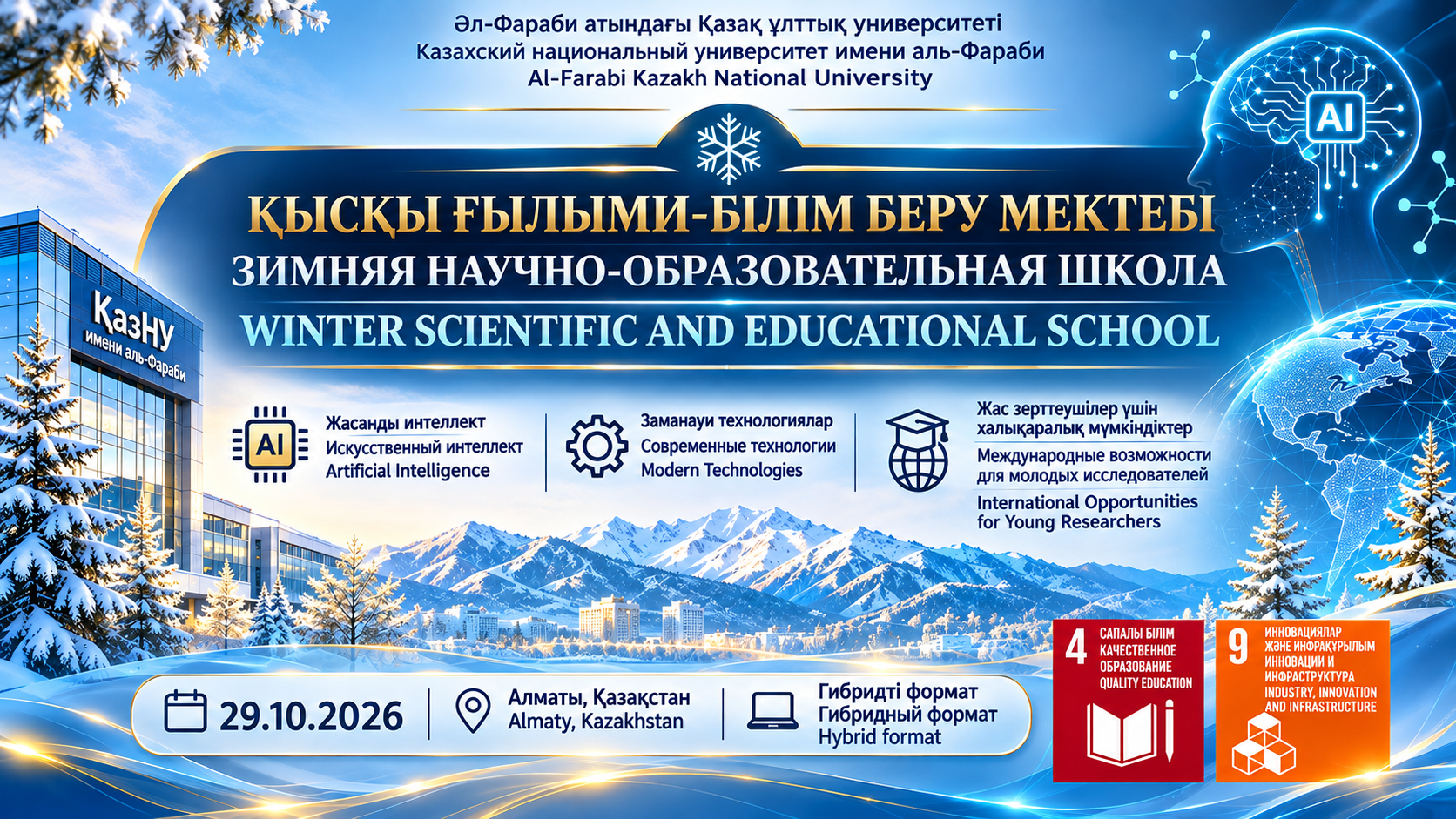
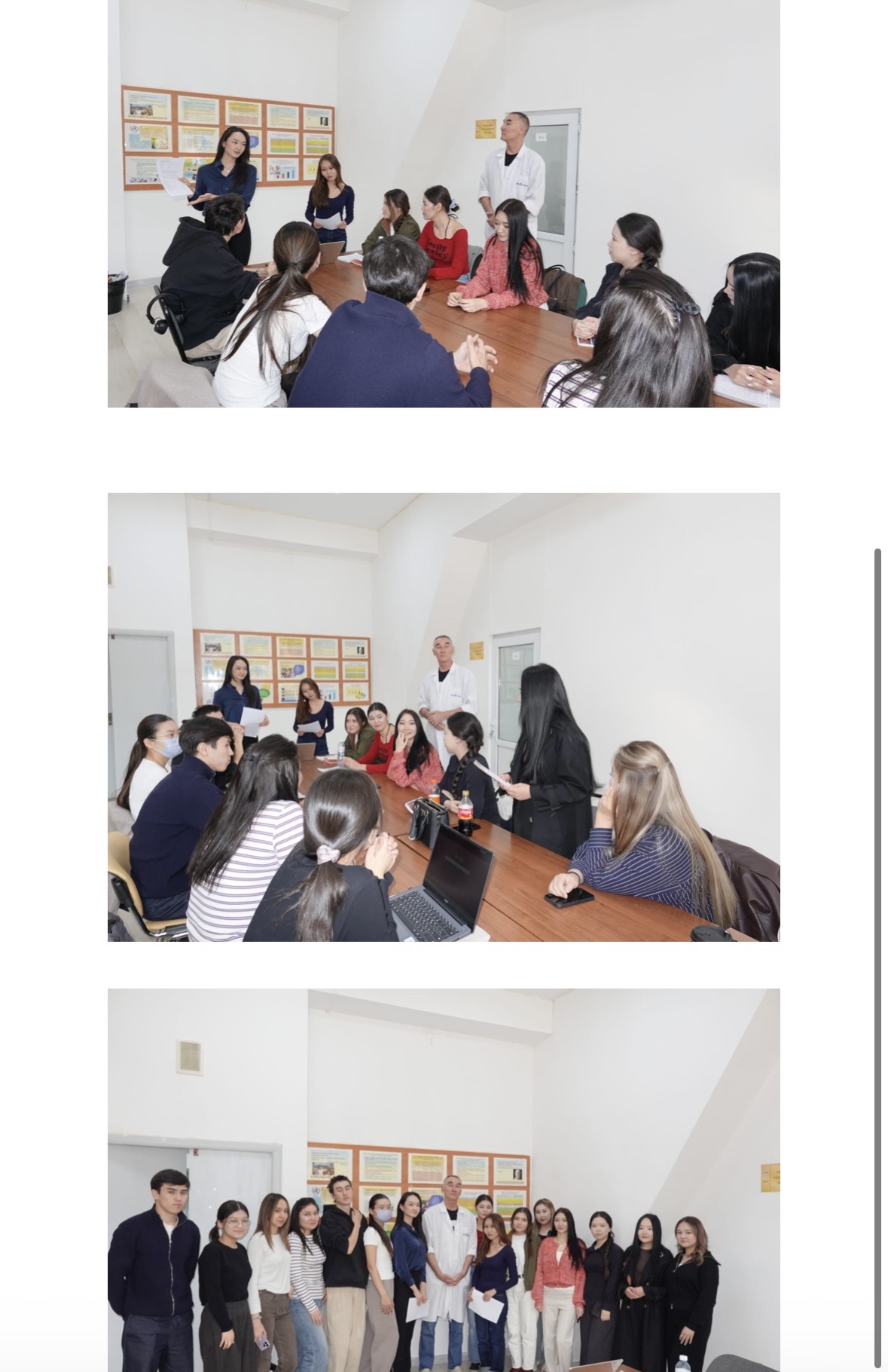
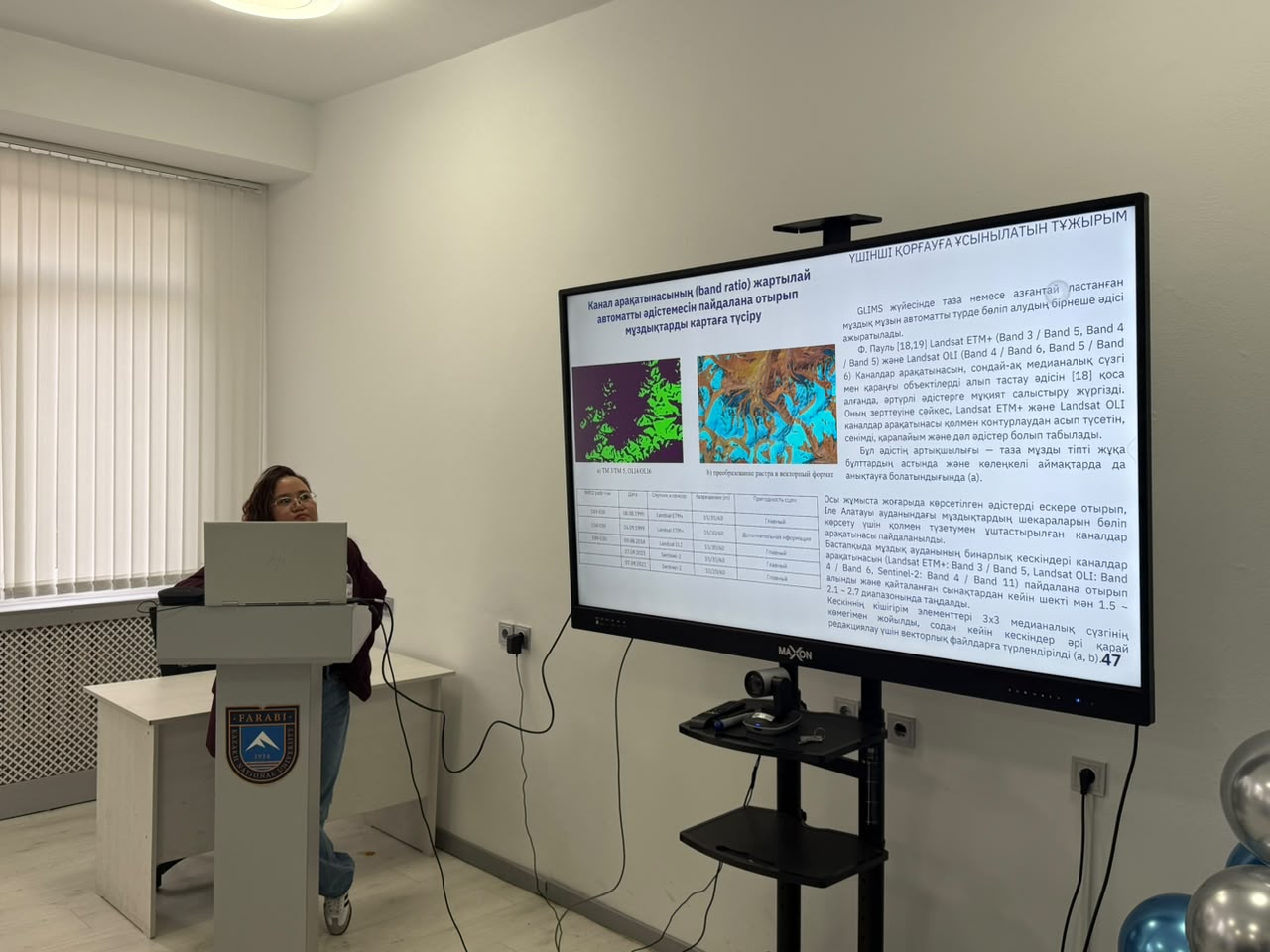
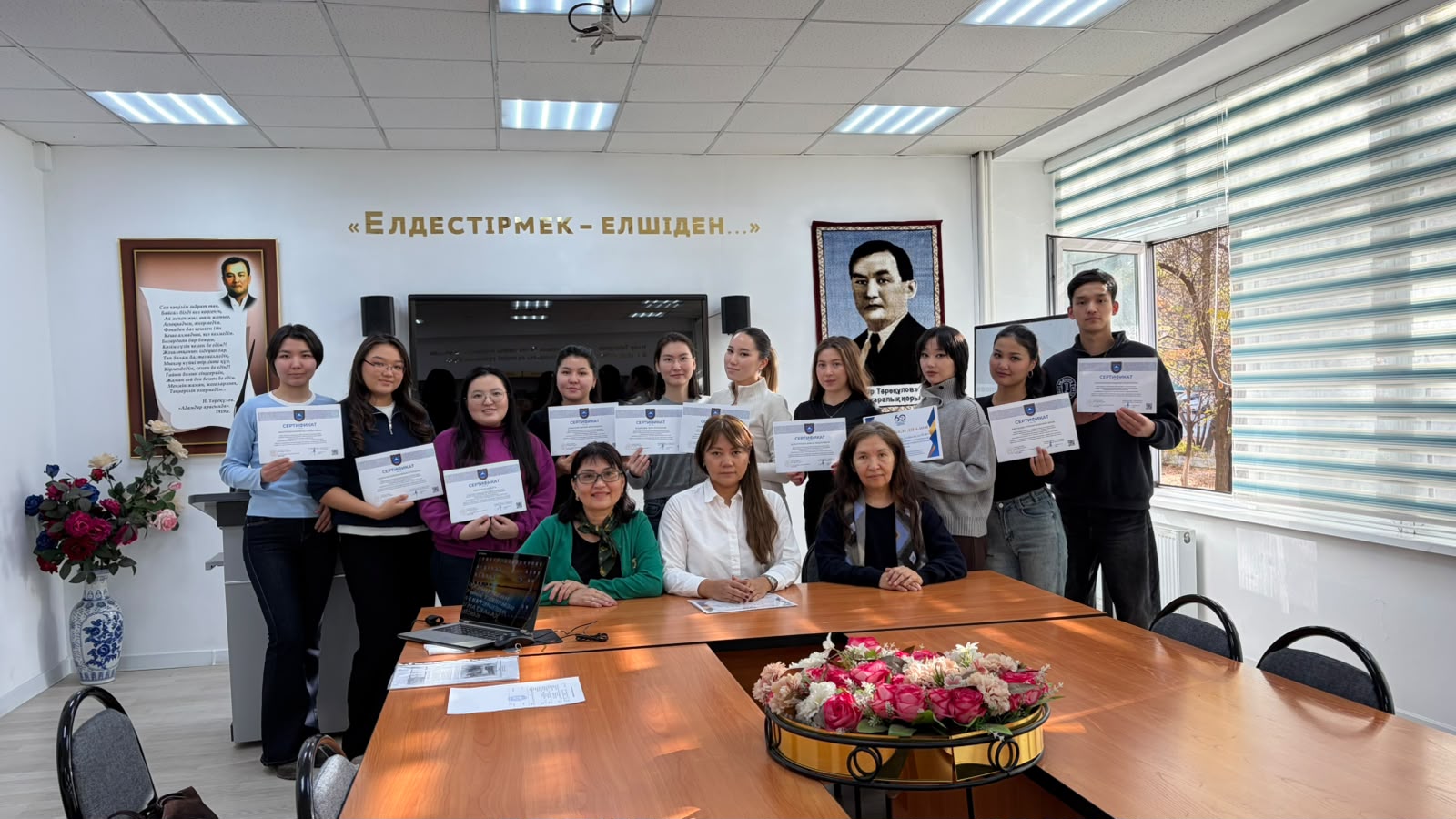
On 29 October 2026, the Faculty of Chemistry and Chemical Technology at Al-Farabi Kazakh National University held a Winter Scientific and Educational School entitled “Artificial Intelligence, Modern Technologies and International Opportunities for Young Researchers.” The event was organized by the Department of Chemical Physics and Materials Science and took place in a hybrid format, in the Academic Council Meeting Room and online.
The programme explored the use of artificial intelligence in scientific research and chemical manufacturing, advances in energetic materials, and digital skills for students and early-career researchers. The lectures featured academics affiliated with institutions in Kazakhstan, China and the United Kingdom.
Professor Xue Z. Wang of the Beijing Institute of Petrochemical Technology, China, and the University of Leeds, UK, delivered the opening lecture, “AI-Powered PAT and Simulation Enabling Intelligent Manufacture of Particulate Speciality Chemicals.” He discussed the potential of artificial intelligence, Process Analytical Technology (PAT), and simulation for the intelligent manufacture of particulate speciality chemicals.
Professor Xuwen Liu, Director of the Institute of Blasting Devices at the State Key Laboratory of Precision Blasting, Jianghan University, Wuhan, China, and Visiting Professor at Al-Farabi Kazakh National University, presented “The Path of My Research and the Art of Energetic Materials.” His lecture reflected on his research journey and key aspects of research into energetic materials.
The final lecture was delivered by Bayan Kaidar, PhD, from the Department of Chemical Physics and Materials Science at Al-Farabi Kazakh National University. Entitled “Artificial Intelligence in the Work of a Modern Researcher and Student: Modern Tools, New Skills and Practical Scenarios,” it addressed practical applications of AI tools in research and education.
The Winter School aimed to facilitate the exchange of scientific experience, strengthen international academic connections, and encourage young researchers to engage with emerging technologies. Its themes align with the United Nations Sustainable Development Goals, particularly SDG 4 (Quality Education) and SDG 9 (Industry, Innovation and Infrastructure).
Nazhypkyzy M.
Other news