- Main
- News
- Lecturer at KazNU’s Faculty of Physics and Technology Takes Part in the IAEA’s 2026 Lise Meitner Programme
Lecturer at KazNU’s Faculty of Physics and Technology Takes Part in the IAEA’s 2026 Lise Meitner Programme
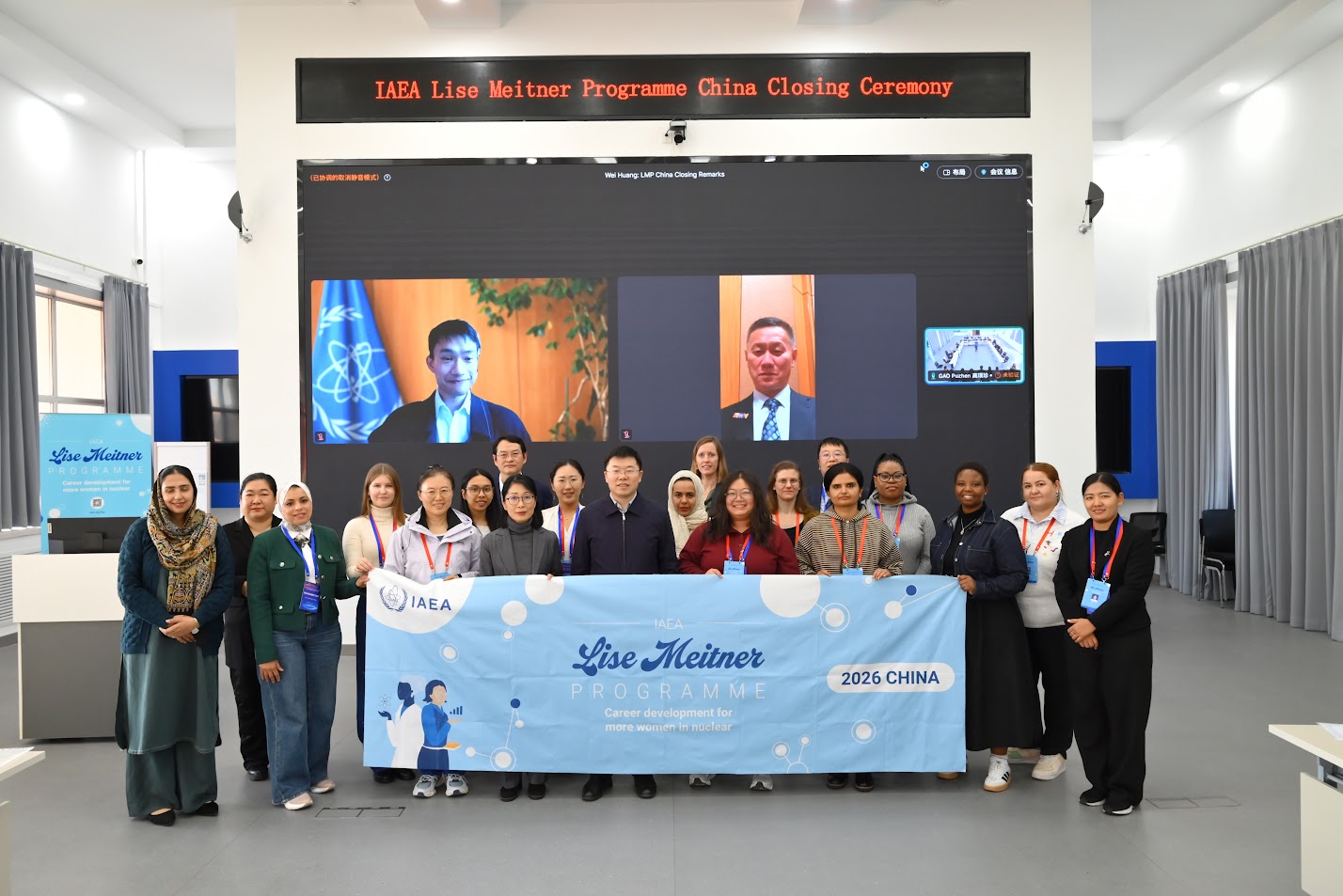
From 19 to 30 October 2026, Yulia Zaripova, PhD, Acting Associate Professor in the Department of Theoretical and Nuclear Physics at Al-Farabi Kazakh National University, took part in the International Atomic Energy Agency’s 2026 Lise Meitner Programme. Held in Beijing and Harbin, the two-week programme brought together women working in the nuclear sector from several countries.
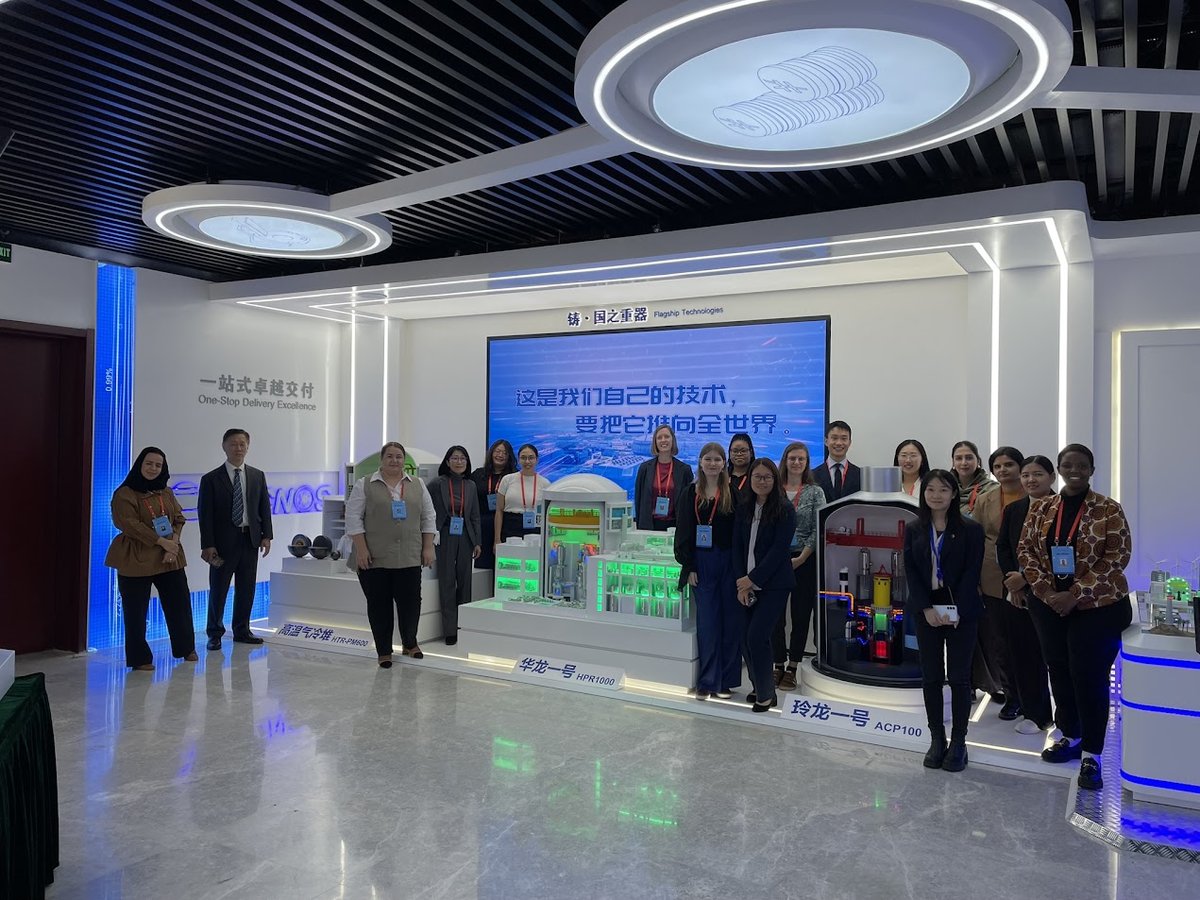
The International Atomic Energy Agency organised the programme in partnership with the China Atomic Energy Authority and Harbin Engineering University. It aims to support the professional development of women in the nuclear sector, strengthen their leadership skills and expand international cooperation. The programme combined lectures and practical sessions with visits to research and industrial facilities, allowing participants to learn from their hosts and compare approaches used in different countries.
During the programme, participants visited research institutes and nuclear industry facilities in China. They explored modern nuclear technologies and examined issues in nuclear and radiation safety. The visits complemented the classroom sessions and offered a closer look at how research organisations and industry work together. For a lecturer in nuclear physics, these examples can help show students how concepts introduced in lectures and laboratory classes are applied in research and industry.
The programme also included team projects on the development of national nuclear power programmes. Participants discussed challenges that arise when developing nuclear power and worked together on possible solutions. Working in international teams gave them practice in comparing technical approaches, presenting proposals clearly, explaining the reasoning behind their choices and taking colleagues’ perspectives into account. The projects combined technical work with the skills needed to coordinate across organisations and countries.
Zaripova’s participation has practical relevance for the Department of Theoretical and Nuclear Physics. Lecture materials and examples from the programme can enrich teaching in nuclear physics and nuclear engineering. They could be used to explore radiation safety or to develop assignments in which students compare technical options and justify their choices. The team projects also offer a model for student group work, with students analysing data, dividing responsibilities and presenting their findings together.
The programme gave Zaripova an opportunity to exchange experience with international colleagues and establish new contacts in research and education. These connections could support further discussions on workforce training, the exchange of teaching materials and the development of joint initiatives. Such exchanges can also inform the design of practical classes by bringing classroom assignments closer to the problems specialists encounter in research organisations and industry.
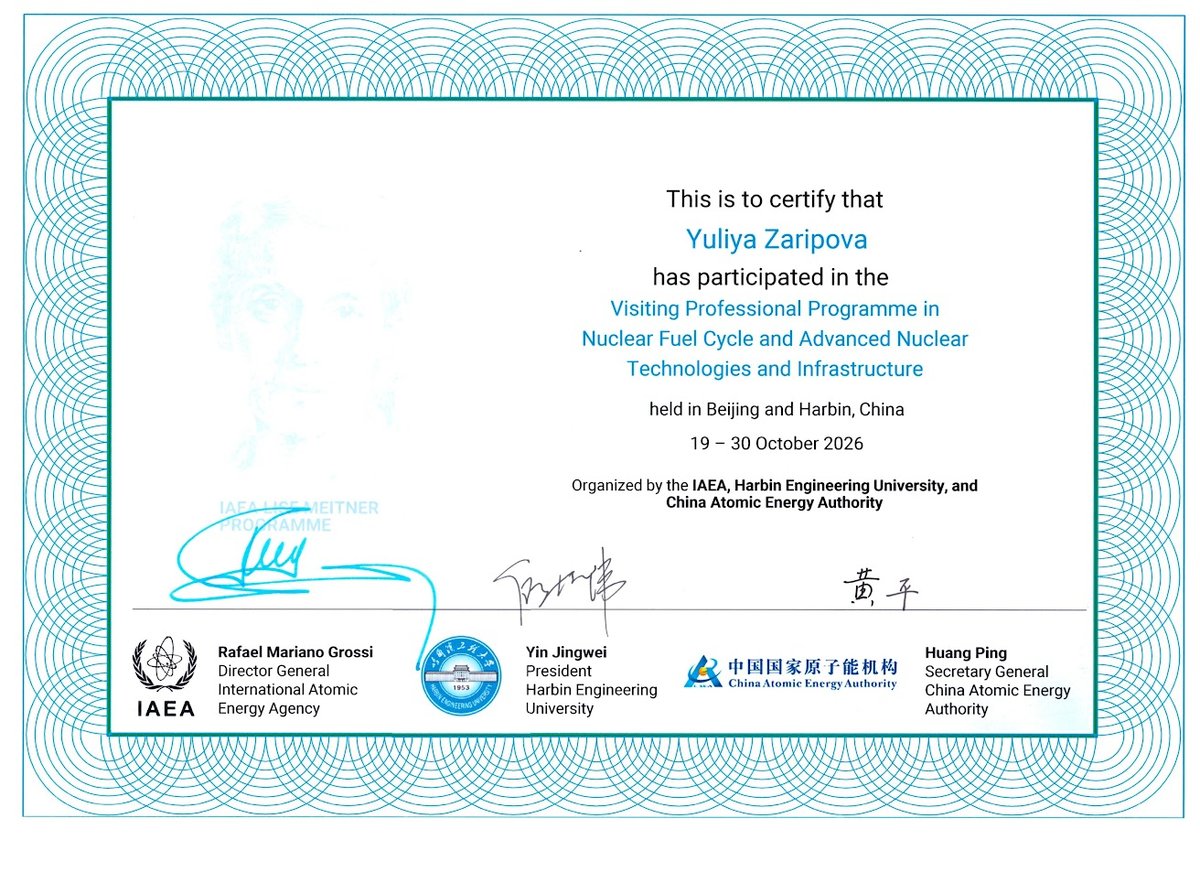
As Kazakhstan develops its nuclear power sector, future specialists will need to apply their scientific knowledge, account for safety requirements and work with colleagues across disciplines. The experience Zaripova gained in Beijing and Harbin will help introduce KazNU students to these professional responsibilities during their studies.
Other news