KazNU Discusses the Digital Transformation of the Financial Ecosystem
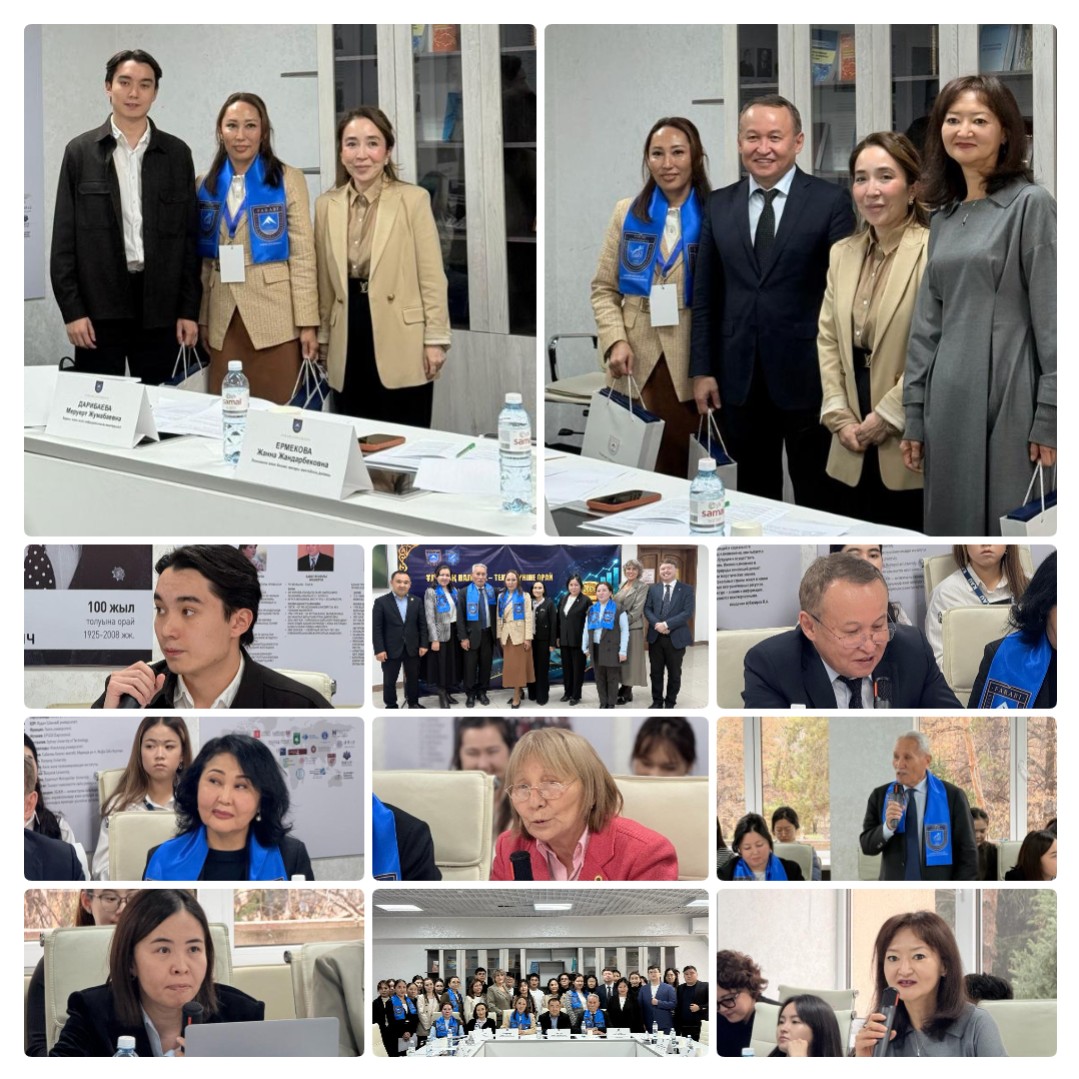
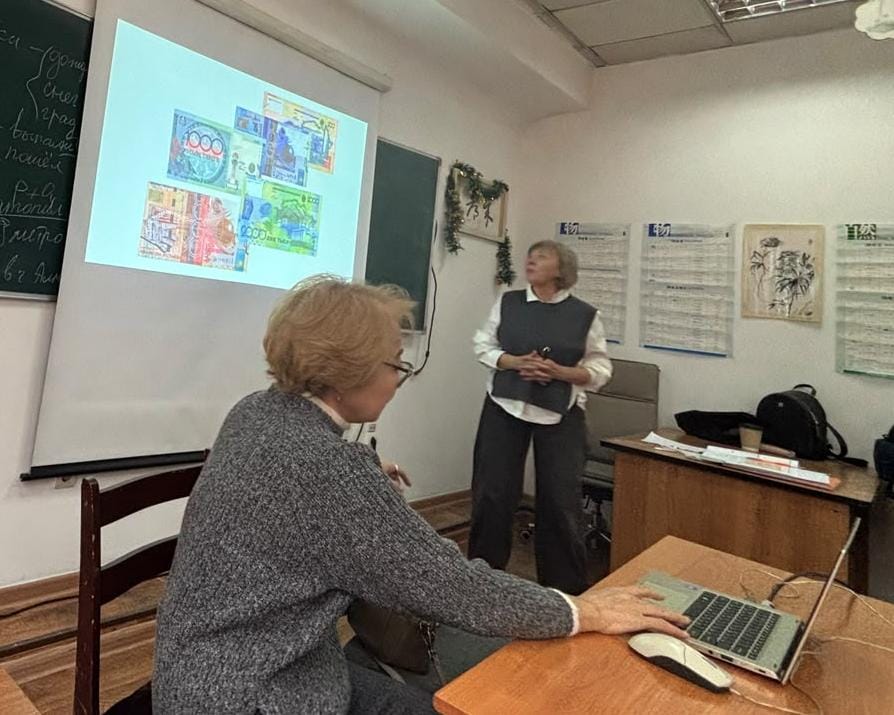
On 13 November 2026, the Higher School of Economics and Business at Al-Farabi Kazakh National University hosted an international scientific and practical conference dedicated to National Currency Day, celebrating the tenge. The event, entitled “Digital Transformation of Kazakhstan’s Financial Ecosystem: Digital Technologies, Financial Literacy, Access to Financial Services, and the Modernisation of Accounting and Auditing,” was organised by the Department of Finance and Accounting.
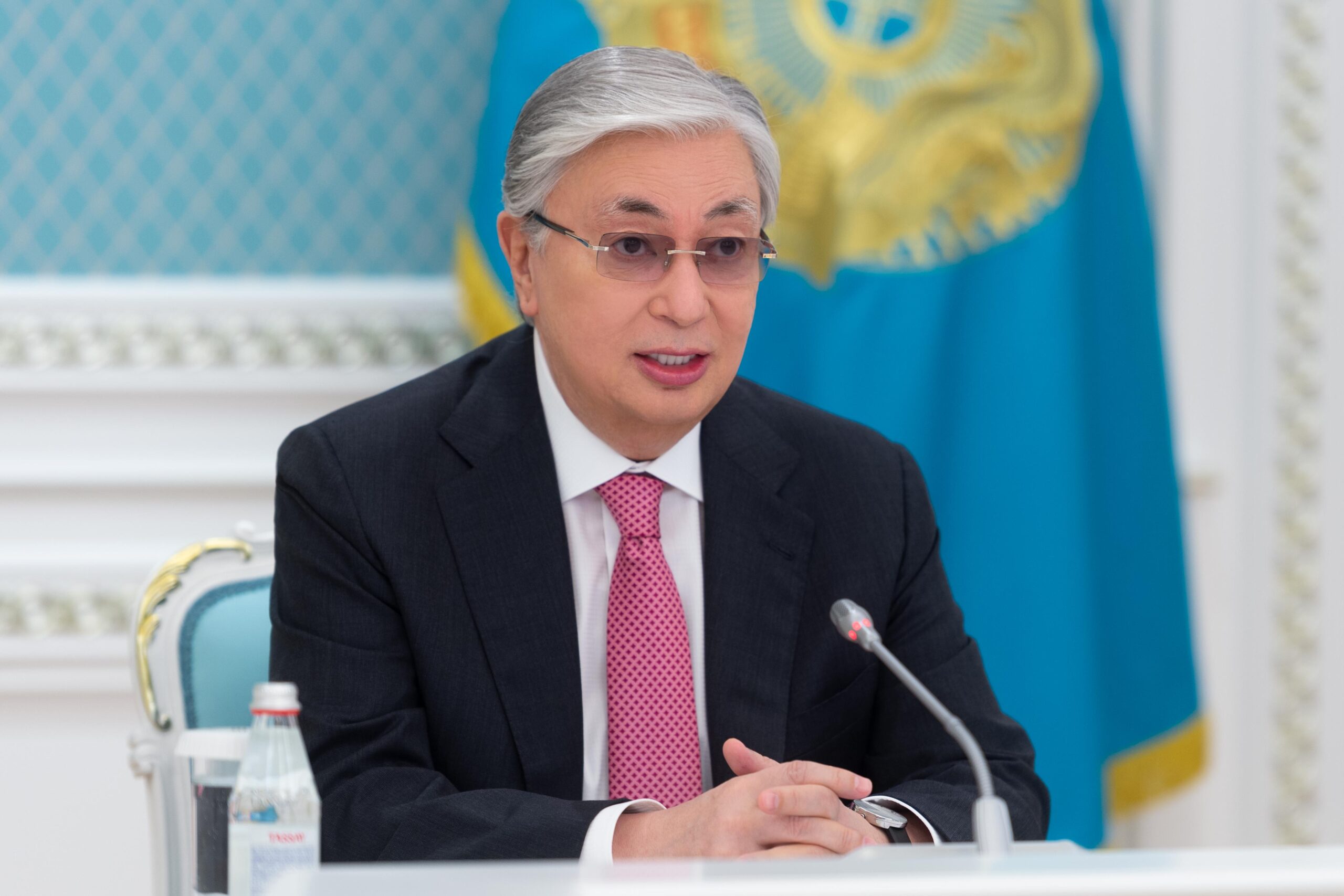
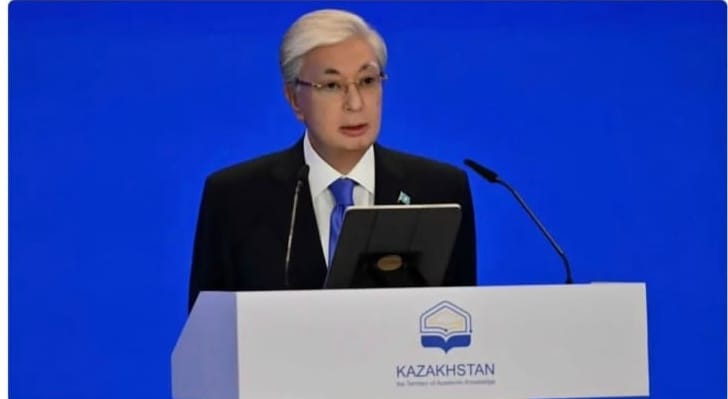
The plenary programme included a welcome address by Zhanna Yermekova, Dean of the Higher School of Economics and Business, Candidate of Economic Sciences and Assistant Professor. During the plenary session, Dauren Temirbekov, Vice Minister of Finance of the Republic of Kazakhstan, delivered a presentation entitled “The National Fund of the Republic of Kazakhstan: Fund Management, Transparency and Citizens’ Financial Literacy.” The presentation addressed the management of the National Fund’s resources, transparency in its operations, and ways to improve citizens’ financial literacy. During the conference, Nurmakhan Adilbekov, Chairman of the State Property and Privatisation Committee of the Ministry of Finance, highlighted measures to digitalise state asset management in Kazakhstan and enhance the transparency and accessibility of property auctions. Mukhit Tumenbayev, Deputy Chairman of the Management Board of the Problem Loans Fund JSC, addressed one of the country’s most pressing challenges. He explained the importance of digital tools and financial literacy in managing distressed assets and supporting borrowers’ financial recovery.
The plenary session also featured Zhanna Kyrgyzalykyzy, Deputy Director of the Almaty Region Chamber of Entrepreneurs; Gulnara Kireyeva, Deputy Director of the Almaty City Branch of the National Bank; Galymzhan Aitkazin, Country Economist at the Eurasian Fund for Stabilization and Development; Sholpan Bertisbayeva, Chairperson of the Board of the FIRST professional accountants organisation; and Ildar Zhumadilov, Financial Expert at Freedom Finance Global. The speakers identified key current challenges and proposed ways to address them.
The plenary programme covered the management of Kazakhstan’s National Fund savings, the digitalisation of state assets, transparency in property auctions, and the management of distressed assets. Separate topics addressed entrepreneurs’ access to financing, the digital tenge project, investment market development, and the role of financial and psychological literacy in reducing household debt burdens.
The accounting and auditing track focused on the transparency and comparability of corporate reporting. The programme included topics related to IFRS S1, IFRS S2 and IFRS 18, alongside issues concerning digital asset and cryptocurrency accounting. Attention was also given to the use of artificial intelligence in accounting, continuous monitoring of financial transactions, and tools for assessing sustainability risks.
The section sessions covered two areas: innovative technologies, financial literacy and modern services in Kazakhstan’s financial sector; and the digital modernisation of accounting, auditing and corporate reporting. The student programme featured research topics on fintech, cashless payments, financial inclusion, green finance, tax risks and data analytics.
The presentation by entrepreneur Kuanysh Mustafin, Financial Director of ABK Trans and founder of Green Moving, focused on digital financial technologies in international business.
Participants engaged in lively discussions of current issues, sharing research findings and practical recommendations. Following the section sessions, students who delivered the best presentations and contributed actively to the discussions were awarded first, second and third places. This recognition supported young researchers’ academic efforts and encouraged them to present well-supported research findings.
The conference concluded as a forum for strengthening academic cooperation, exchanging professional experience, and helping future specialists gain a deeper understanding of contemporary changes in the financial sector.
Other news