Innovations in Engineering Education: Modern Teaching Methods
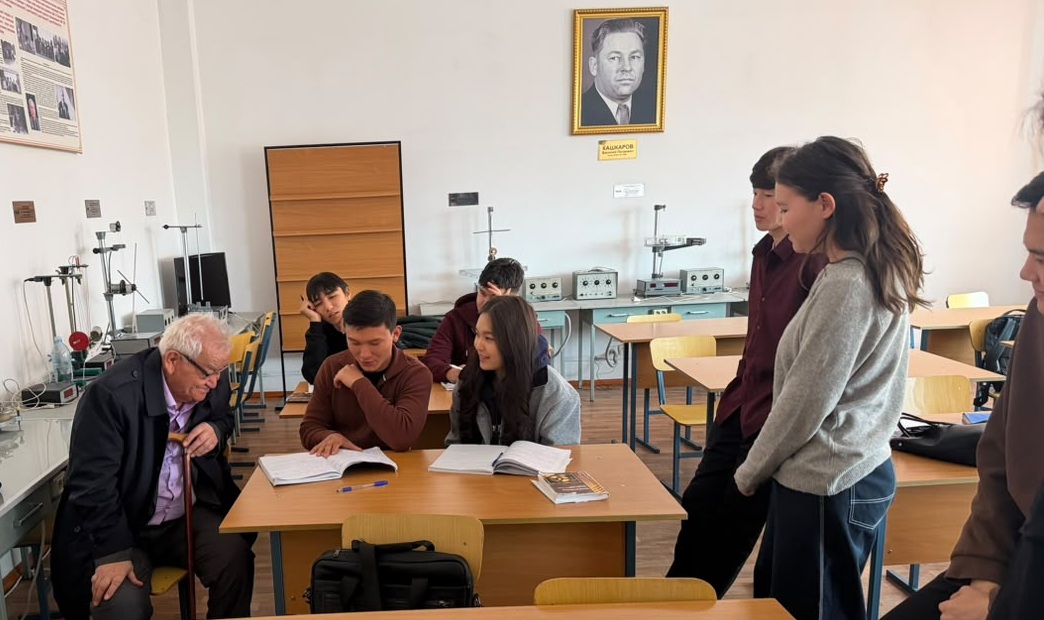
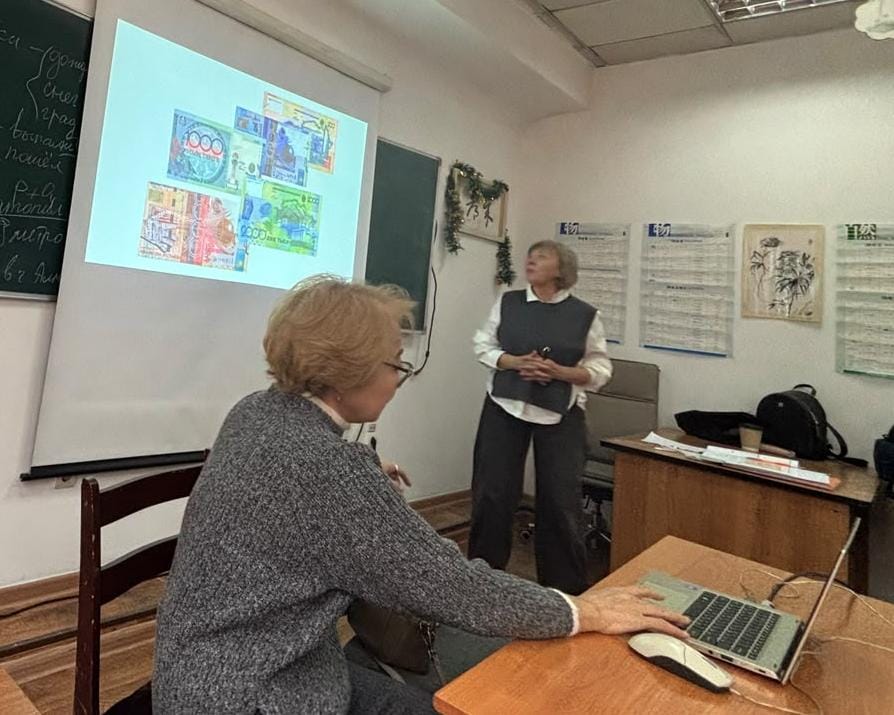
An educational seminar titled "Innovative Teaching Methods at a Technical University" was held at the Faculty of Physics and Technology of Al-Farabi Kazakh National University. The event was led by Abduayet Zaitovich Aitkozhayev, Associate Professor at the Department of Thermal Physics and Technical Physics.
The primary objective of the seminar was to explore modern educational technologies, enhance the efficiency of the learning process, and foster the professional competencies of future technical specialists. During the session, participants examined cutting-edge teaching methodologies, the application of digital educational platforms, the integration of artificial intelligence tools, interactive class formats, and the implementation of virtual laboratories into the academic curriculum.
Abduayet Zaitovich emphasized the vital importance of combining strong theoretical foundations with hands-on practical skills when teaching engineering disciplines. According to him, contemporary teaching strategies boost students' cognitive engagement while cultivating critical thinking, creative potential, analytical skills, and independent decision-making. Special attention was given to computer modeling, the digitalization of laboratory research, and the integration of scientific research projects into coursework. These approaches enable students not only to master fundamental concepts, but also to apply them in solving real-world engineering and technological challenges.
A dedicated segment of the seminar focused on the alignment of innovative education with the United Nations Sustainable Development Goals (SDGs). Specifically, the discussion highlighted SDG 4 (Quality Education) through the modernization of academic delivery; SDG 9 (Industry, Innovation, and Infrastructure) by training engineers capable of driving technological progress; and SDG 12 (Responsible Consumption and Production), as virtual laboratories and digital simulations significantly reduce material and resource consumption during experimental training.
In conclusion, it was noted that advancing innovative educational approaches is essential for training competitive specialists who can adapt to the evolving demands of the labor market and contribute to major scientific and technical initiatives. Hosting such seminars strengthens the university's research capacity, refines higher education standards, and accelerates the adoption of advanced technologies in training the next generation of engineers.
Other news