- Main
- News
- Meetings Held on Examination Preparation, Academic Requirements, and Psychological Support for Students
Meetings Held on Examination Preparation, Academic Requirements, and Psychological Support for Students
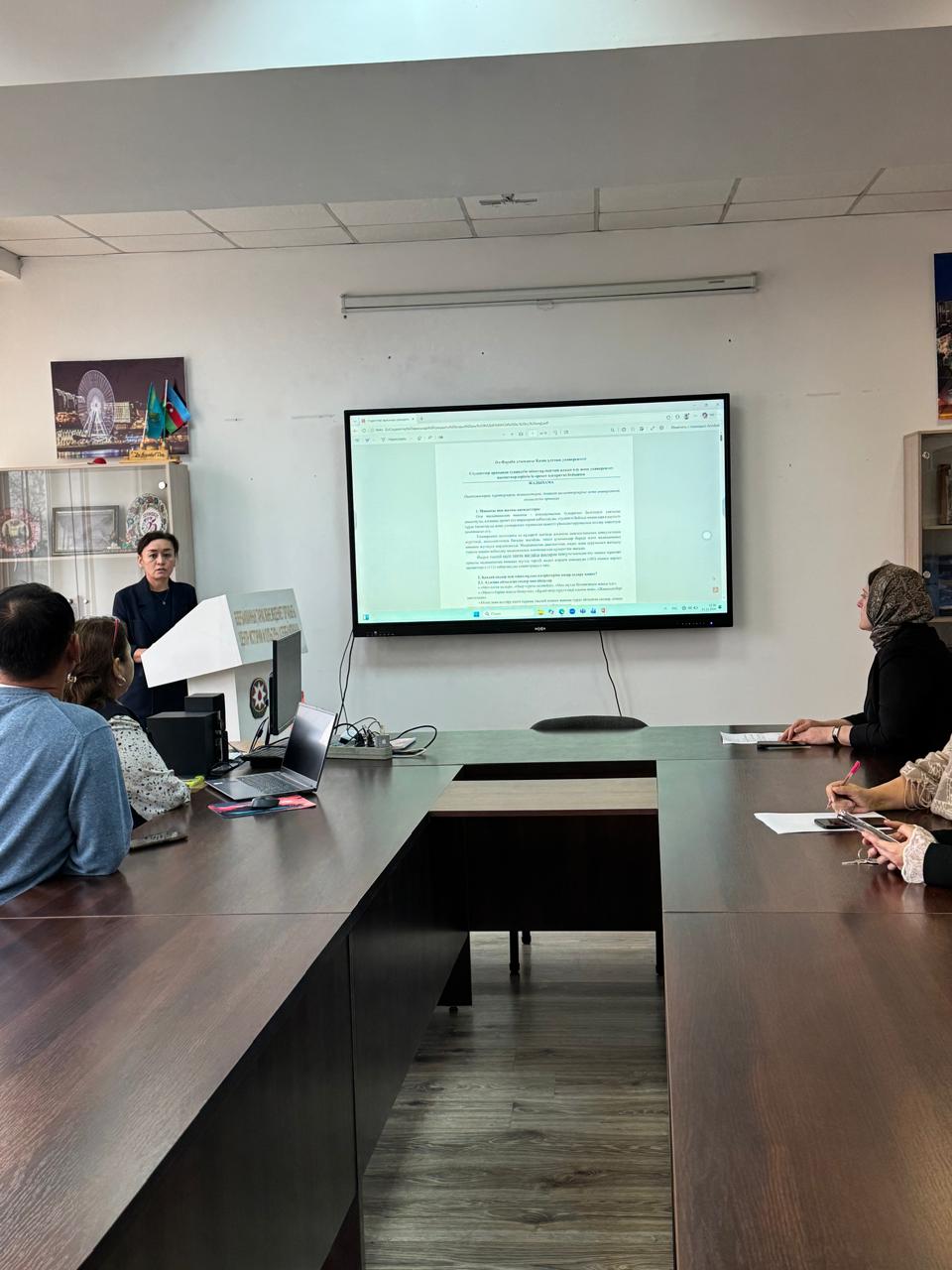
A series of informational, advisory, and preventive activities was conducted at the Department of Turkish Studies and History of the East Countries, Faculty of Oriental Studies, Al-Farabi Kazakh National University. The activities aimed to ensure students' effective preparation for the examination session, clarify examination procedures and academic requirements, promote psychological well-being, and foster a safe and supportive educational environment.
The activities were organized by the Head of the Department and involved Gulzada Kanatovna Temenova, Altynai Tastanbekovna Kyrkymbekova, Erzhan Aituly Kuanyshbayev, Elnara Zilpikarovna Dulaeva, and Elmira Azimbaykyzy Montanay.
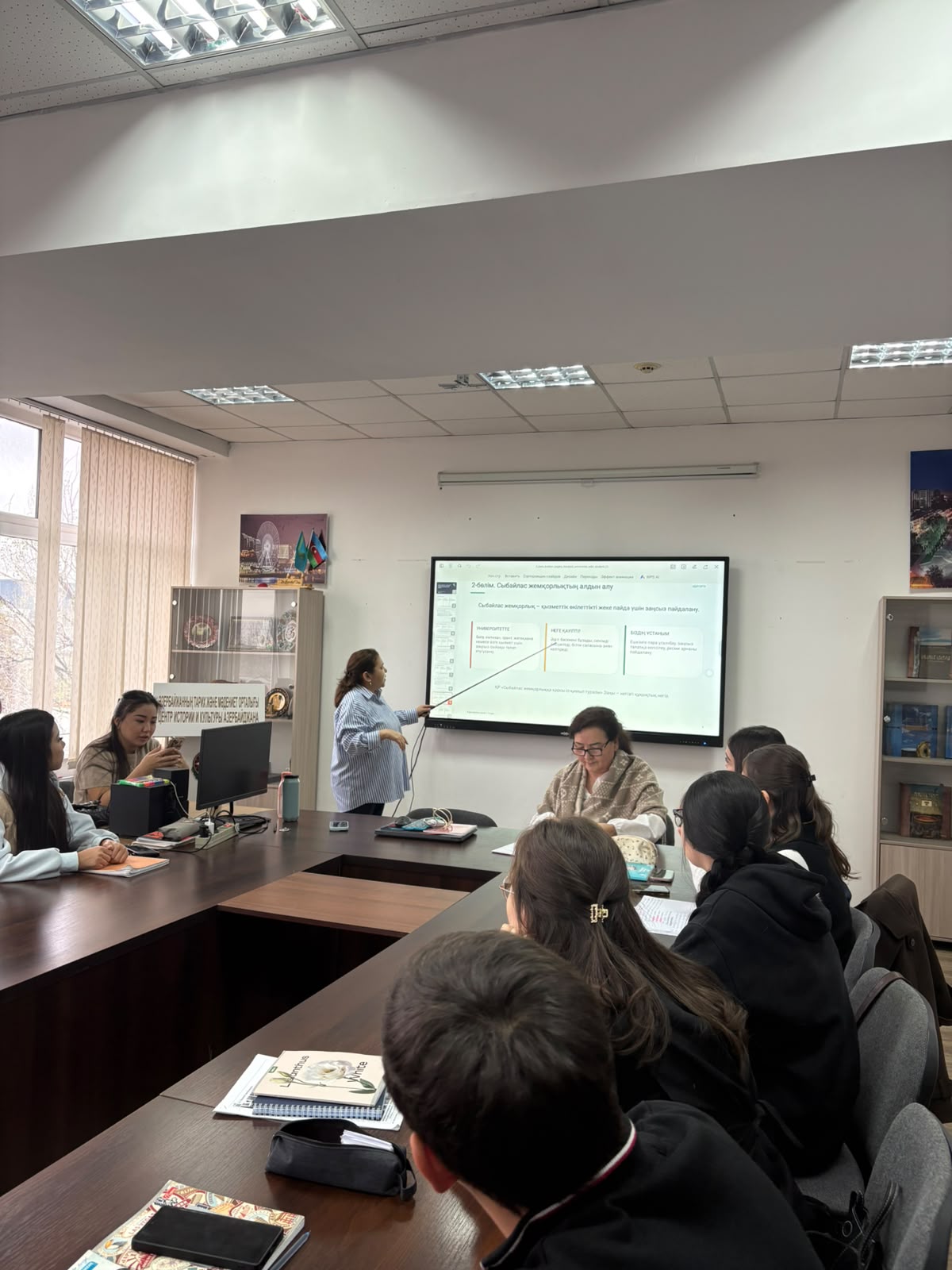
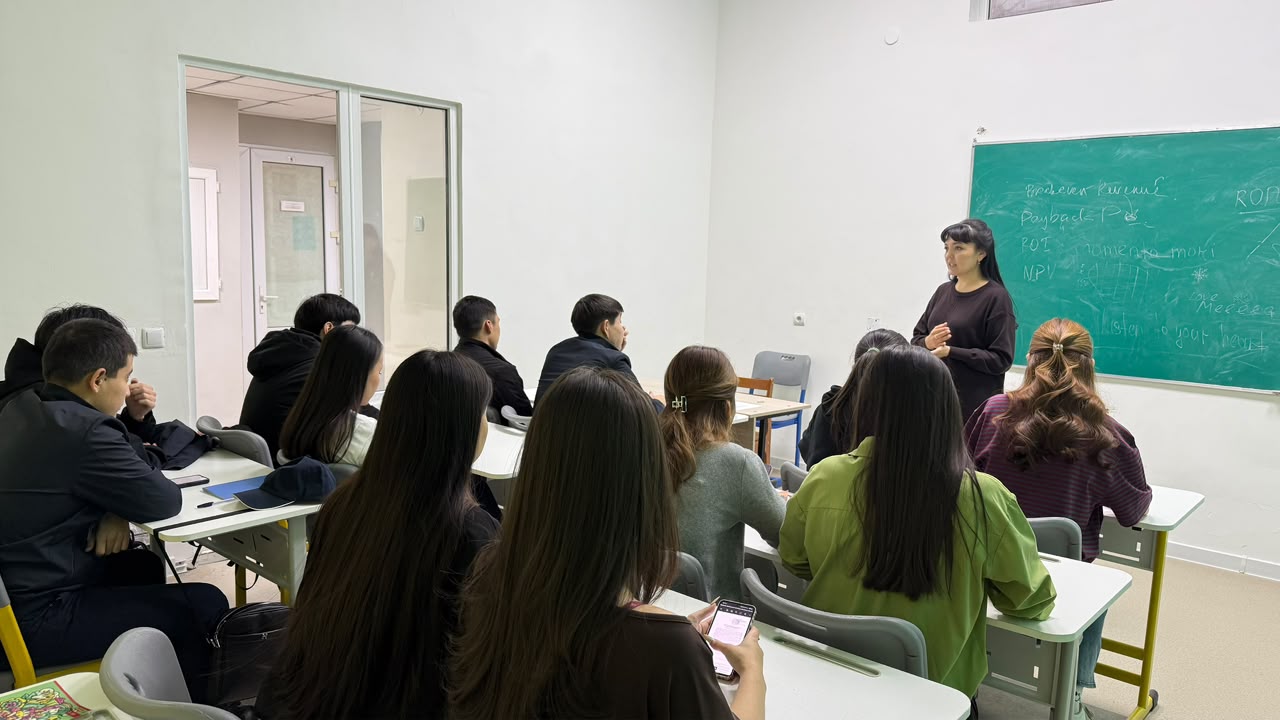
As part of the initiative, academic advisors and group mentors organized individual and group meetings with students assigned to their respective academic groups and conducted dedicated mentoring sessions. These sessions addressed students' academic performance, class attendance, level of examination preparedness, and challenges encountered in their academic and social environments. Each mentor held individual discussions with their students, listened to their questions and concerns, provided appropriate guidance, and discussed possible ways to address emerging difficulties.
During the meetings, students received comprehensive information about the main stages of examination preparation, examination procedures, assessment criteria, and the principles of academic integrity. Particular attention was paid to examination regulations, expected student conduct, requirements for completing examination tasks, prohibited activities, and the consequences of violating academic integrity policies.
Students were also provided with practical recommendations on checking examination schedules in advance, reviewing course materials systematically, managing their time effectively, and organizing independent study. Academic challenges that may arise during the examination period, including workload management, understanding assessment criteria, and resolving academic difficulties in a timely manner, were also discussed.
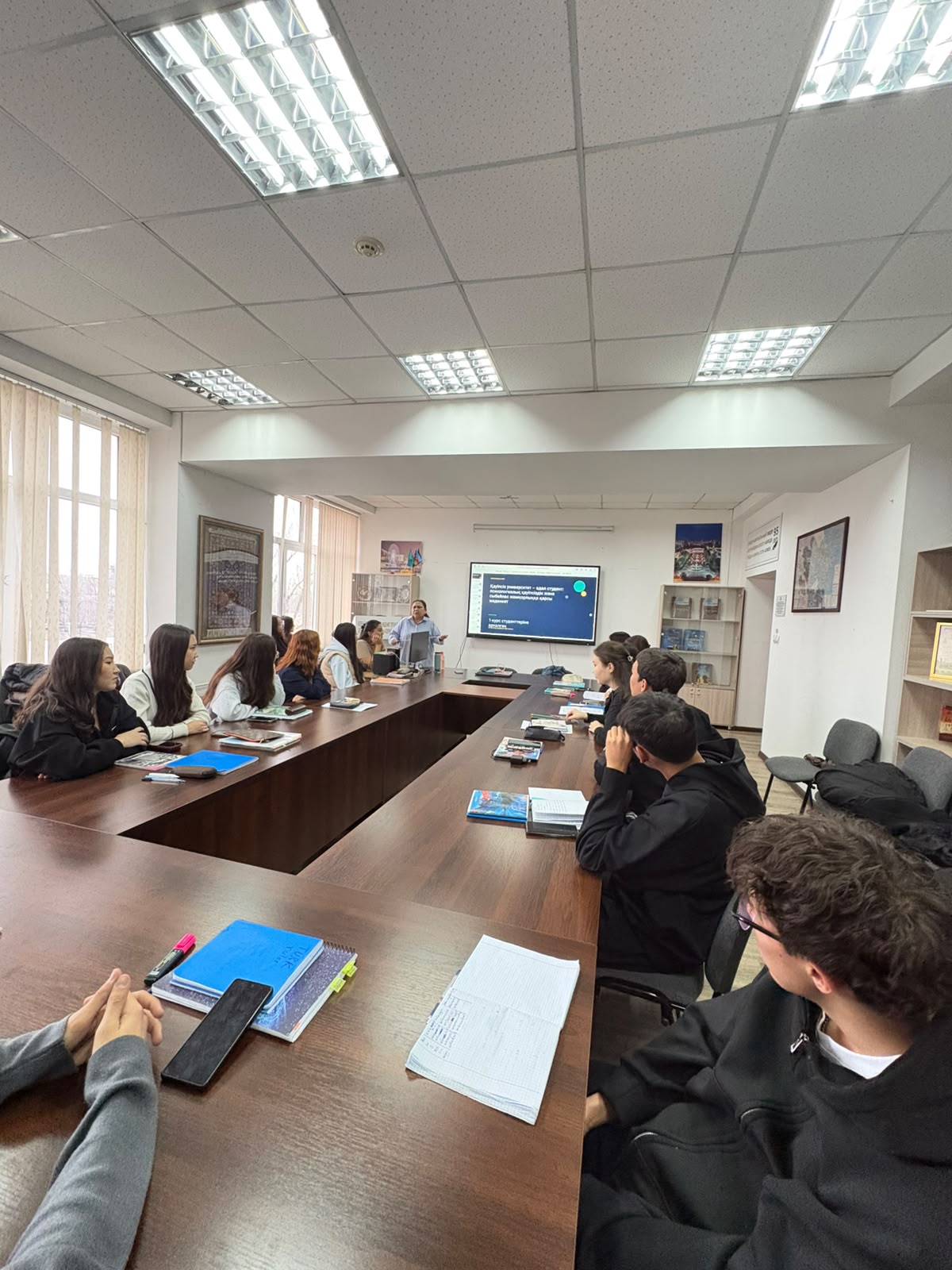
An important component of the preventive activities focused on supporting students' emotional and psychological well-being. During mentoring sessions and individual consultations, participants discussed examination anxiety, emotional pressure, stress related to academic workload, social adaptation, and interpersonal difficulties. The importance of recognizing changes in students' emotional states and behavior at an early stage, listening carefully to their concerns, and providing appropriate professional support was emphasized.
As part of this initiative, students and academic advisors were introduced to the guidelines entitled "Prevention of Suicidal Behavior Among Students and the Action Protocol for University Staff." The guidelines covered potential warning signs of psychological crisis, principles for establishing trusting and supportive communication with students, procedures for referring students to university psychologists, and appropriate steps to take in situations requiring emergency assistance.
Particular attention was also given to the adaptation of international students to a new social and academic environment. Language barriers, cultural differences, social integration, studying away from family, and challenges associated with adapting to the educational process were discussed. Academic advisors and group mentors were encouraged to maintain regular communication with international students, monitor their academic progress and psychological well-being, and provide individual support whenever necessary.
During the meetings and mentoring sessions, students had the opportunity to raise questions and receive clarification regarding examination procedures, assessment criteria, academic challenges, and available psychological support services. The importance of maintaining continuous communication between academic advisors, mentors, and students, building trusting relationships, and identifying students' difficulties at an early stage was also highlighted.
Following the activities, academic advisors and group mentors were encouraged to continue systematic preventive and educational work with their assigned academic groups, conduct regular mentoring sessions, and pay close attention to students' academic performance and psychological well-being.
The department will continue its efforts to promote students' academic success, safeguard their psychological well-being, support their social adaptation, and maintain a safe, inclusive, and supportive educational environment.
Head of the Department of Turkish Studies and History of the East Countries:
Assistant Professor Agnur Khalel
Other news