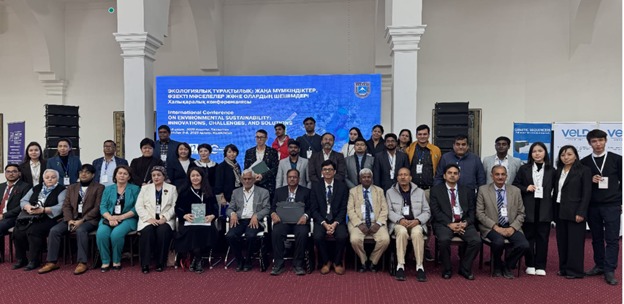
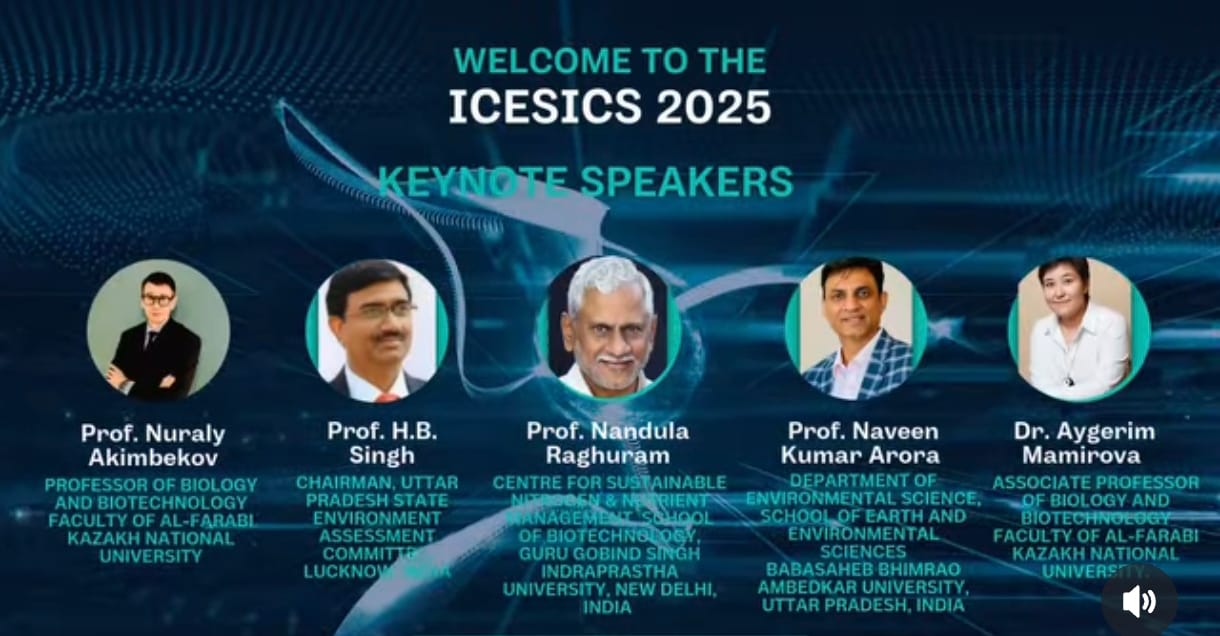
From October 6 to 8, 2025, Al-Farabi Kazakh National University hosted the International Scientific Conference «Environmental Sustainability: Innovations, Challenges, and Solutions» (ICESICS 2025). The event brought together more than 150 scientists, researchers, teachers, and experts from 15 countries, including Kazakhstan, India, Russia, Uzbekistan, Egypt, Bangladesh, and the UAE.
The conference was organized by Al-Farabi Kazakh National University in collaboration with the Society for Environmental Sustainability (India) and was held in a hybrid format. The main goal of the event was to develop international scientific cooperation in the field of environmental sustainability, biotechnology, and innovative solutions to global environmental challenges.
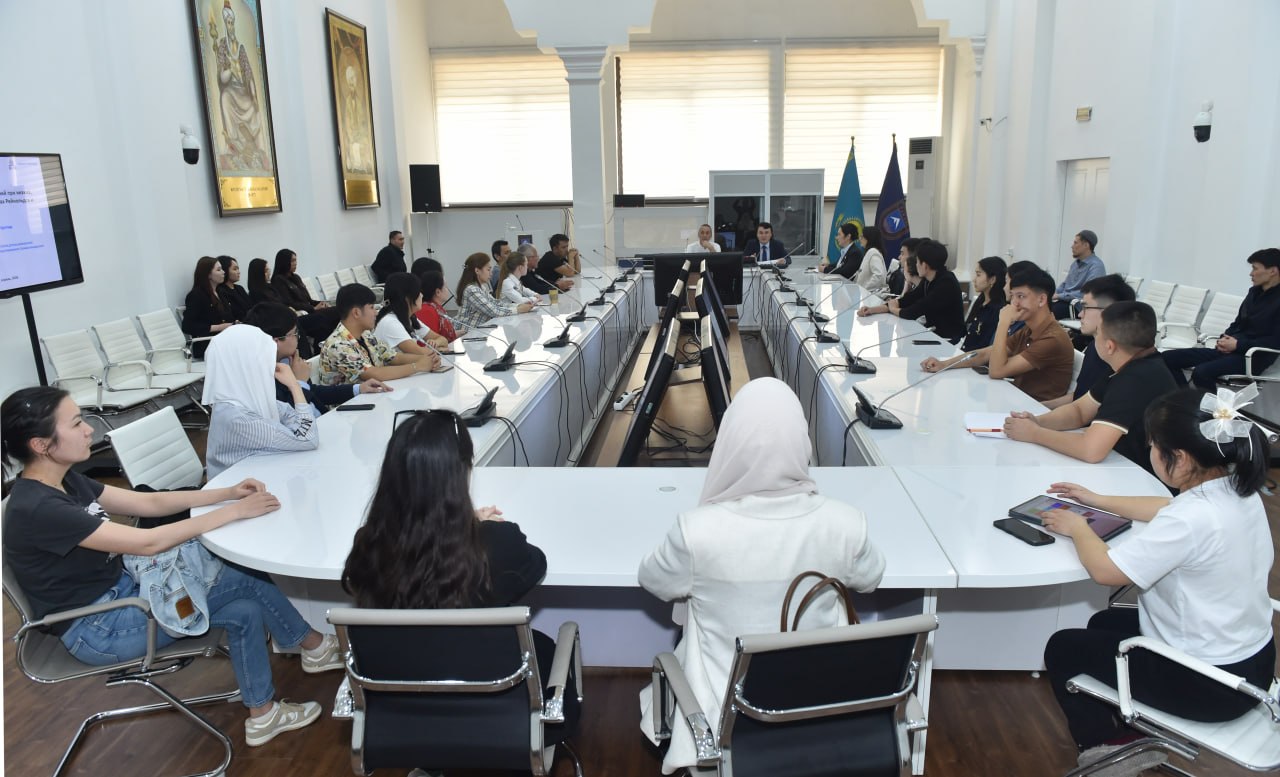
During the plenary session, representatives of the university administration and the international scientific community delivered welcoming speeches. Participants were presented with key reports on biotechnological approaches to environmental protection, sustainable agriculture, natural resource management, bioremediation, and adaptation to climate change. During the conference, a Memorandum of Cooperation was signed between KazNU and the Society for Environmental Sustainability (India).
The program included thematic sections on environmental innovation, sustainable agriculture, biotechnology, green energy, and climate research. Special attention was paid to the application of biotechnology in the agricultural sector, biodiversity issues, water purification, waste management, and the development of green technologies. Students and young scientists actively participated in the conference, presenting their research and poster reports.
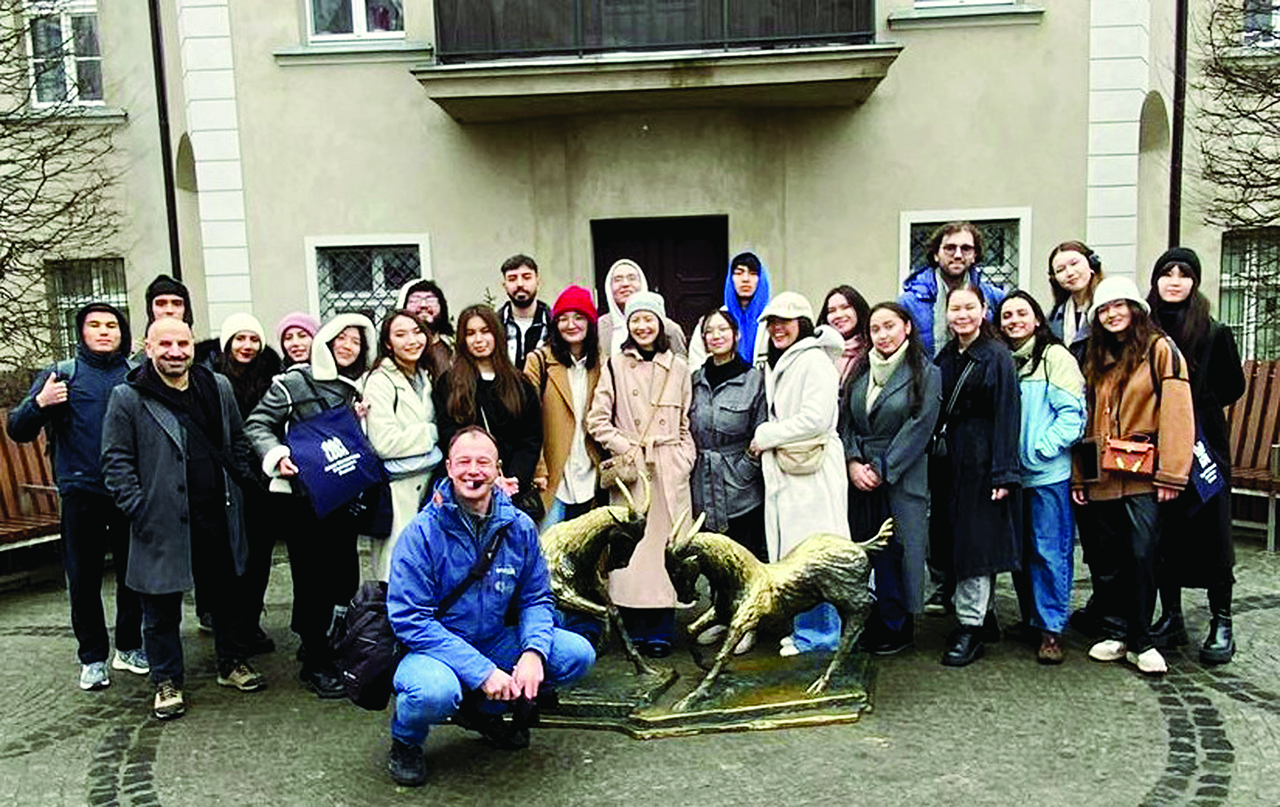
The event also featured a partner exhibition showcasing modern analytical and biotechnological solutions, as well as an award ceremony for participants and sponsors. The conference concluded with a cultural program and excursion activities.
The ICESICS 2025 conference contributed to the implementation of key SDGs, including:
SDG 2 – Zero Hunger. Research on sustainable agriculture, biostimulants, biofertilizers, and microbiological methods for increasing crop yields is aimed at ensuring food security.
SDG 3 – Good health and well-being. Reports on bioremediation, environmental toxicology, water and soil purification reflect the contribution to reducing the impact of pollutants on human health.
SDG 6 – Clean water and sanitation. Discussions on wastewater treatment, microbial remediation, and water conservation technologies directly contribute to the achievement of this goal.
SDG 7 – Affordable and clean energy. Biotechnological approaches to biofuel and green energy production, including the bioconversion of lignocellulosic waste, were considered.
SDG 9 – Industry, innovation and infrastructure. The conference showcased examples of innovation through industrial partnerships (Labprom Expert, Elementum, Veld, Nobel Almaty) and the development of biotechnology infrastructure.
SDG 12 – Responsible consumption and production. Special attention was paid to the circular economy, waste recycling, the production of biodegradable materials, and reducing the carbon footprint.
SDG 13 – Climate action. The topics of the sections devoted to climate change mitigation, carbon balance, and ecosystem approaches support this goal.
SDGs 14 and 15 – Life below water and Life on land. Issues of biodiversity, ecotourism, natural resource conservation, and restoration of degraded ecosystems were discussed.
SDG 17 – Partnerships for sustainable development. The signing of a memorandum between KazNU (Kazakhstan) and SES (India), the participation of 15 countries, and academic-industrial links underscore international cooperation and contribution to global partnerships.
The holding of ICESICS 2025 strengthened international scientific cooperation and KazNU's position as a leading center for sustainable and innovative research in the region.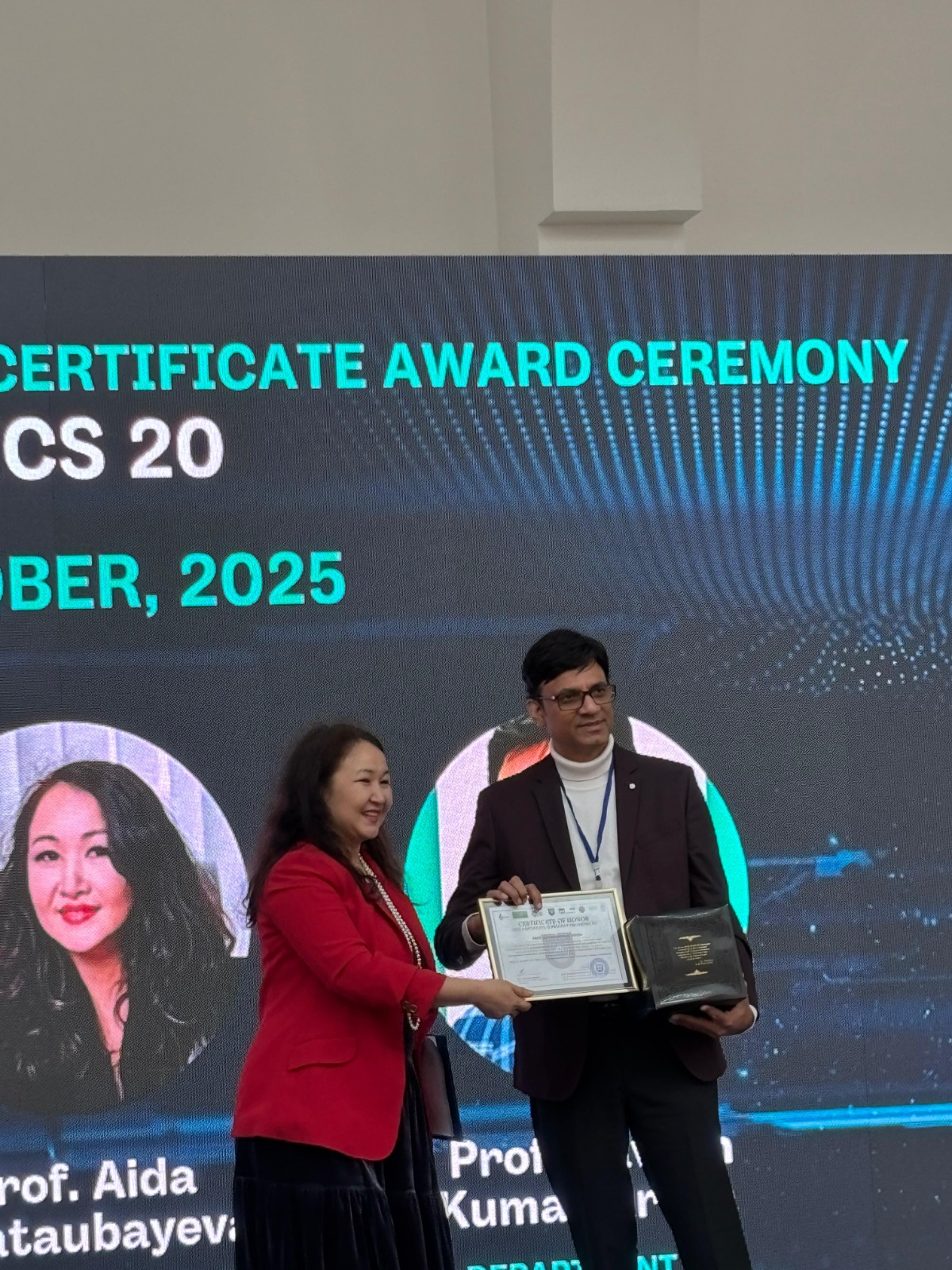
#SDG #SustainableDevelopment #KazNU #SustainableKazN #SDG2 #ZeroHunger #SDG15 #LifeonLand
#SDG1 #NoPoverty
#SDG3 #GoodHealth
#SDG4 #QualityEducation
#SDG5 #GenderEquality
#SDG6 #CleanWater
#SDG7 #AffordableEnergy
#SDG13 #ClimateAction
Other news