KazNU archaeologists explore the ancient settlement "Birlik" in the Karatau region
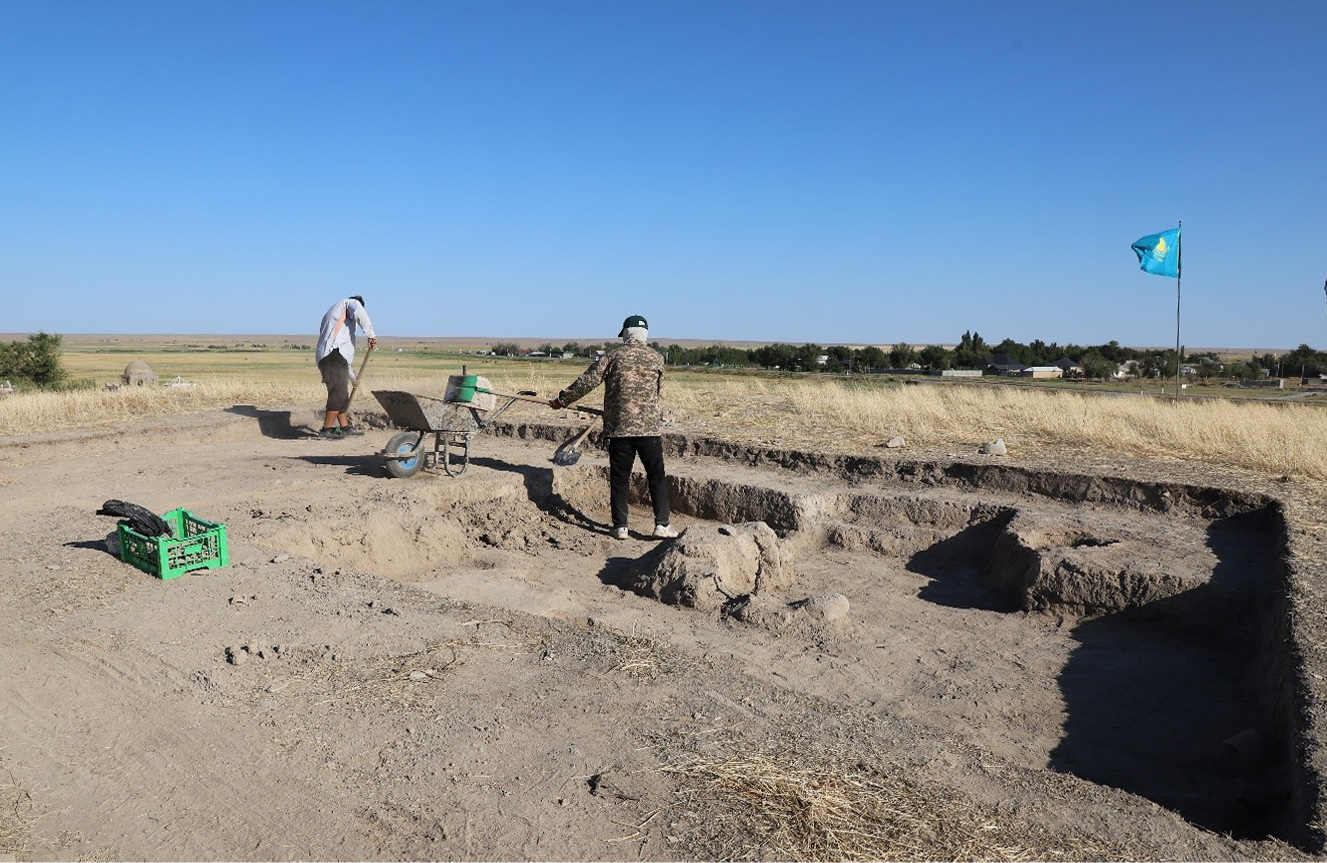
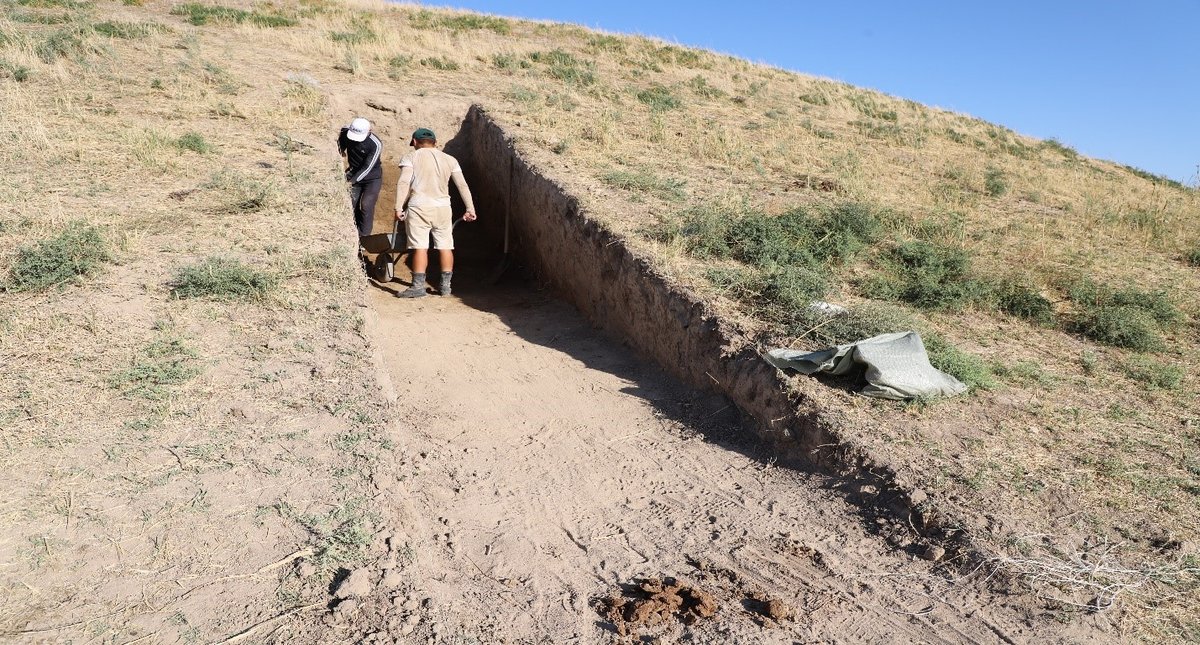
The archaeological expedition of the Al-Farabi Kazakh National University conducted field research at a medieval settlement located in the Baydibek district of the Turkestan region. According to preliminary scientific data, this archaeological monument dates back to the 5th-17th centuries and reflects the centuries-old evolution of the urban culture of the southern Karatau region.
Dosbol Baigunakov, the head of the archaeological expedition, Doctor of Historical Sciences, Professor of KazNU, noted that the locals call the settlement "Aktobe". However, due to the large number of archaeological sites with this name, the researchers assigned the name associated with the Birlik locality to the object.
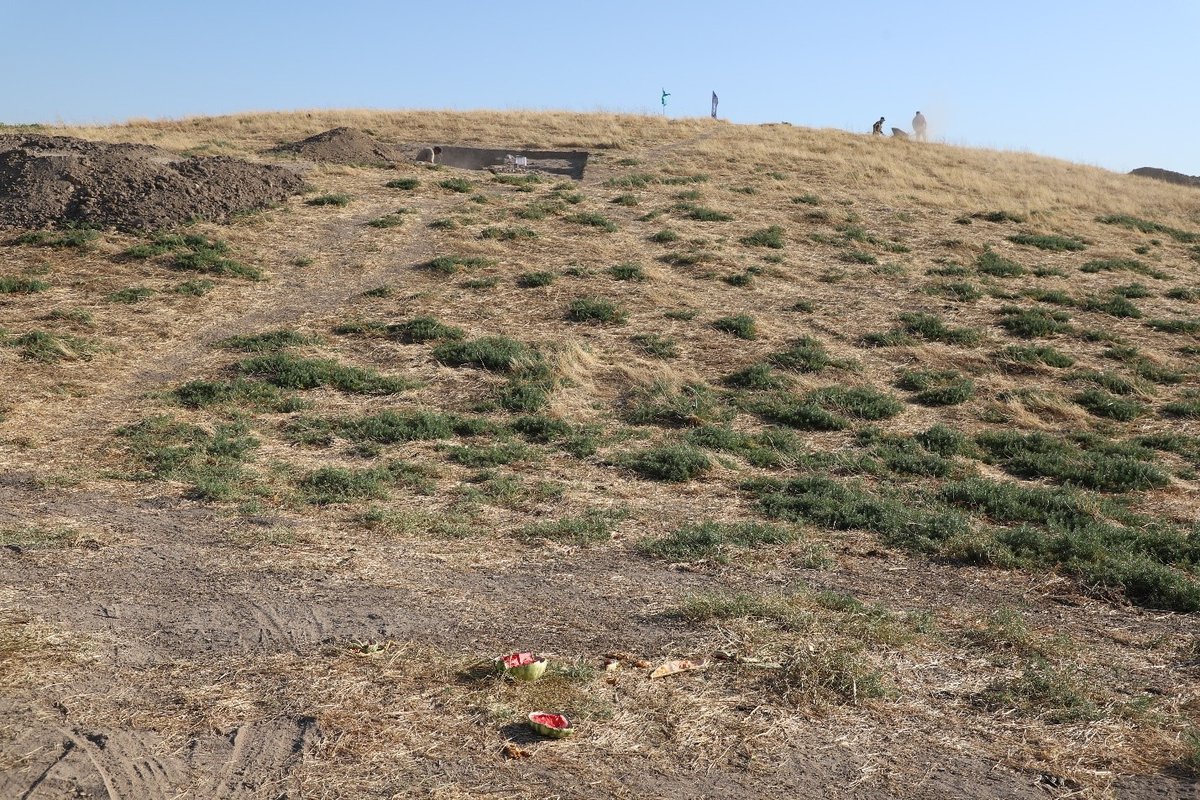
"The settlement was discovered back in 1962 by archaeologist N.P.Podushkin, but no large-scale archaeological excavations have been carried out here to date. The monument consists of the citadel, Shahristan and rabad. Rabad was significantly destroyed as a result of agricultural work, and the territory of Shakhristan is partially occupied by a modern cemetery",- says Dosbol Baygunakov.
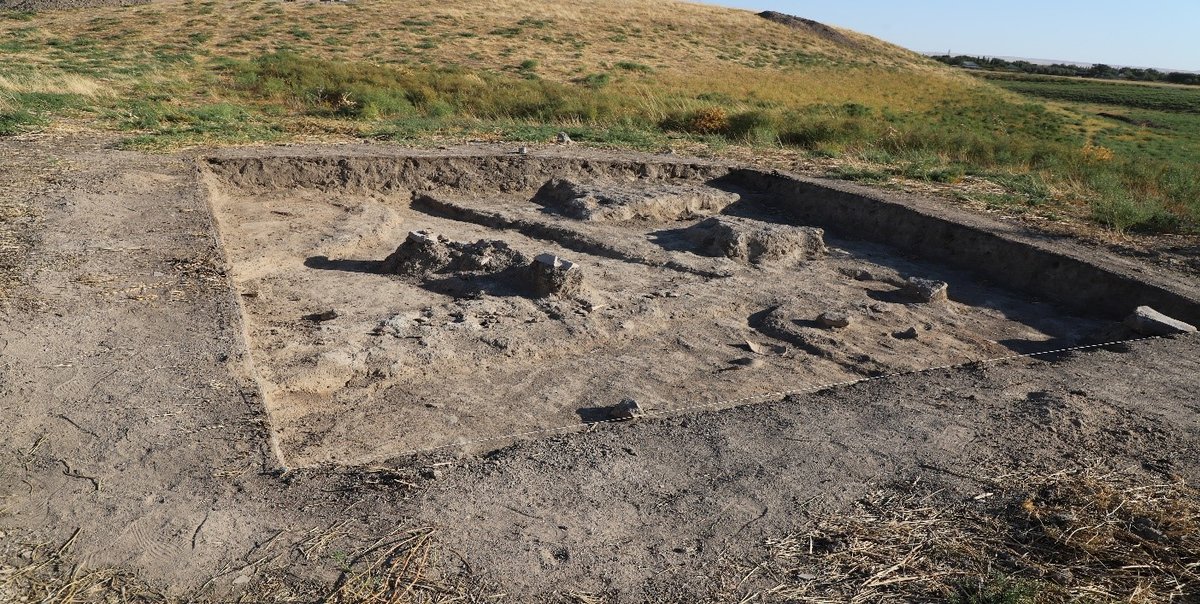
During the field research, KazNU archaeologists conducted excavations on the territory of Shahristan and the citadel. The remains of living quarters, fortress walls and towers, hearths, ceramics, millstones, animal bones and other archaeological materials were discovered. Fragments of handmade ceramics dating back to the Kangyu period were found in the lower layers. Numerous fragments of ceramic products, including irrigation ceramics typical of the Karakhanid and Oguz periods, have been identified in the layers of the advanced Middle Ages.
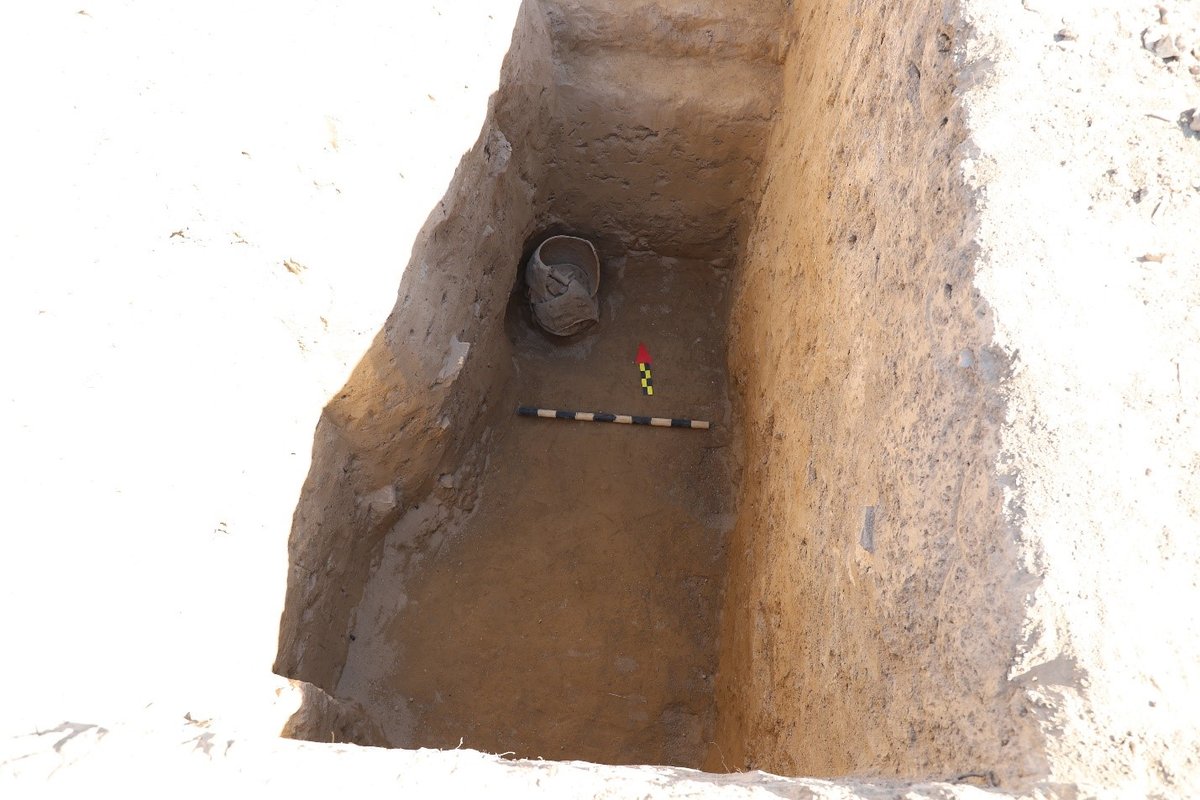
Archaeological evidence also indicates the repeated destruction of the city. Traces of fires were found in two layers, which suggests that the settlement was at least twice subjected to severe fire during the advanced Middle Ages. Despite this, the settlement was restored and continued to exist.
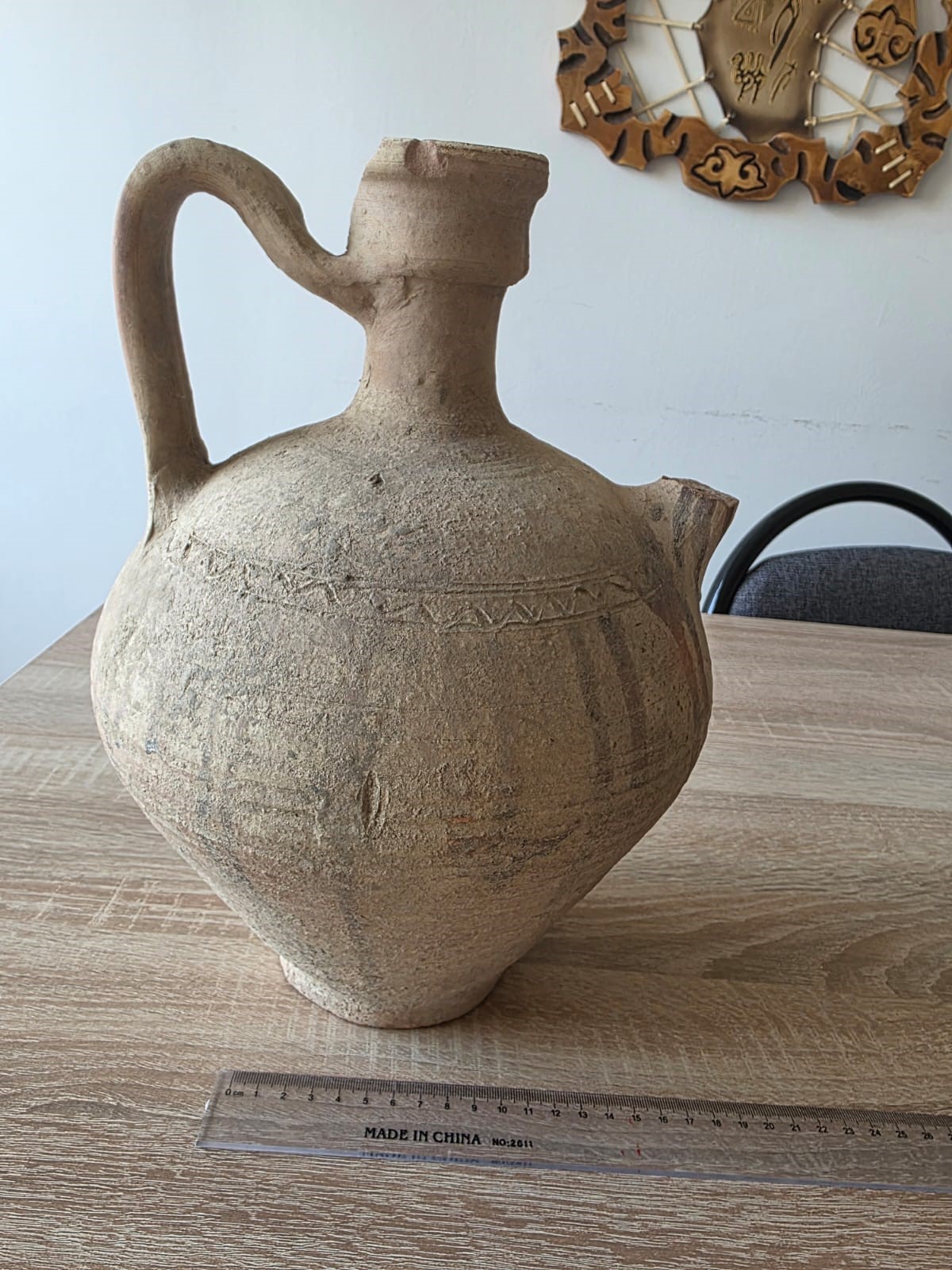
A separate excavation on the surface of the citadel yielded materials from the late Middle Ages, the period of the Kazakh Khanate: ceramic products, bricks, millstones and osteological materials.
According to the researchers, the population of the settlement was mainly engaged in agriculture. The discovered artifacts also indicate the close socio-economic ties of the city's residents with settlements near Otrar and Turkestan and other historical and cultural regions.
Press-service of Al-Farabi Kazakh National University
Other news