- Main
- News
- Roundtable within the framework of SDG 1: No Poverty Information and Analytical Report: "Social Inequality and Linguistic Capital"
Roundtable within the framework of SDG 1: No Poverty Information and Analytical Report: "Social Inequality and Linguistic Capital"
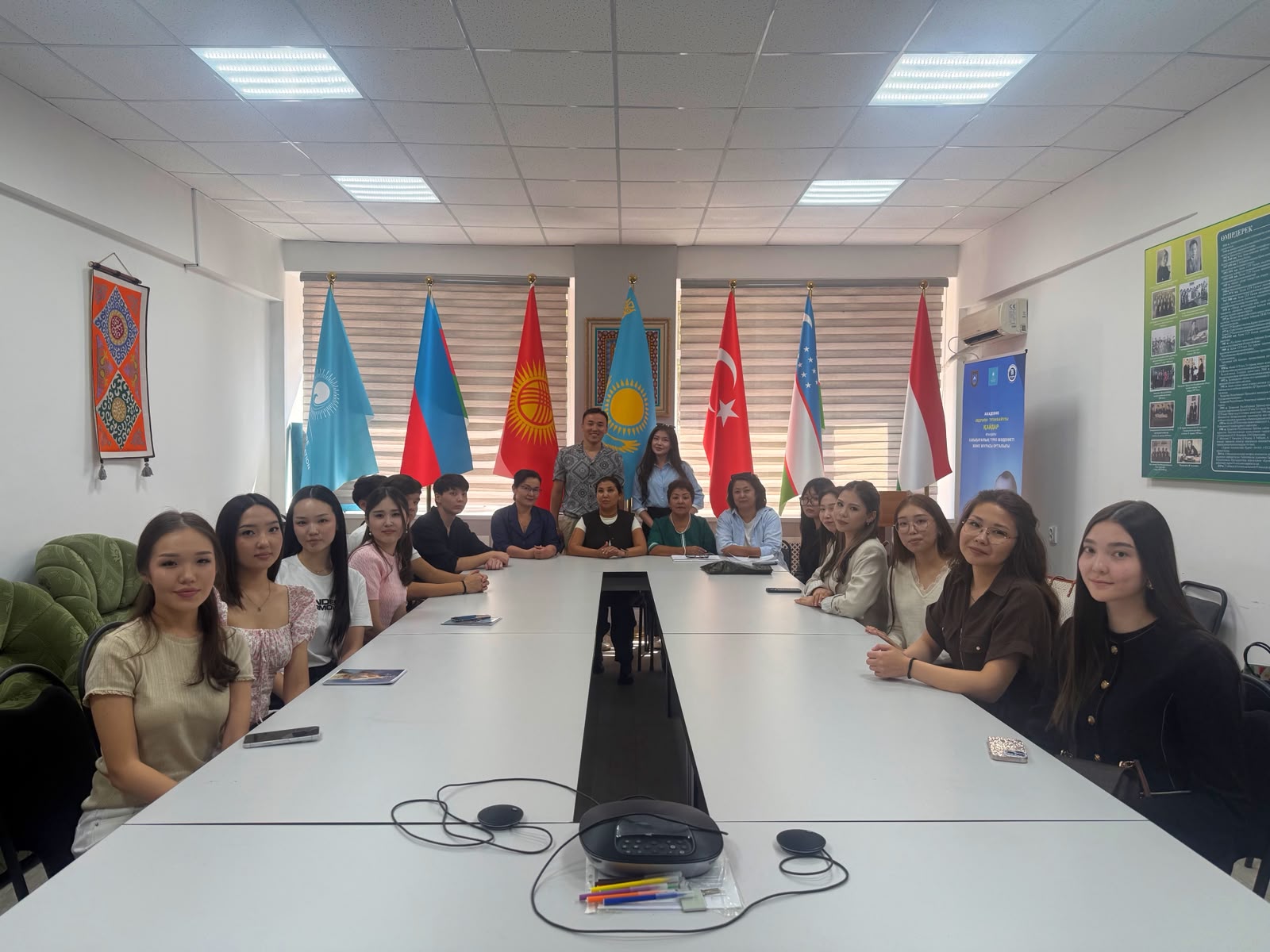
On September 10, 2026, at 2:00 PM, in Hall 3-2 named after Academician A.T. Kaidarov at the Faculty of Philology, Al-Farabi KazNU, the Department of Turkology and Theory of Language organized a roundtable on "Social Inequality and Linguistic Capital" aligned with UN Sustainable Development Goal 1: No Poverty. During the event, the impact of language skills on social status, the labor market, and personal financial well-being was thoroughly discussed.
At the roundtable, "linguistic capital" was examined as a combination of an individual's linguistic knowledge, skills, and competencies that hold social and economic value. Drawing on the concept of French sociologist Pierre Bourdieu, language was analyzed as a key form of social capital: specific ways of speaking, mastery of academic language, and knowledge of "prestigious" language codes grant significant advantages in society. It was emphasized that a competitive student today should possess elements of linguistic capital such as academic proficiency in Kazakh, fluent communication in Russian and English, mastery of professional terminology, and public speaking skills. Students with these competencies enjoy broader access to international educational and professional opportunities.
The main discussion question raised during the event was: "Does everyone have equal opportunities to build linguistic capital?", illustrated through practical examples with student participation. A comparison was drawn between a student who attended a private school, took extra language courses, worked with tutors, and could afford international certification exams (IELTS/TOEFL), and a student from a rural or standard public school who lacked the financial means for extra courses and learned English strictly within the school curriculum. Although legally both students share an equal right to education, their initial socio-economic opportunities differ significantly. This scenario clearly demonstrates how social inequality in society can be amplified through language education.
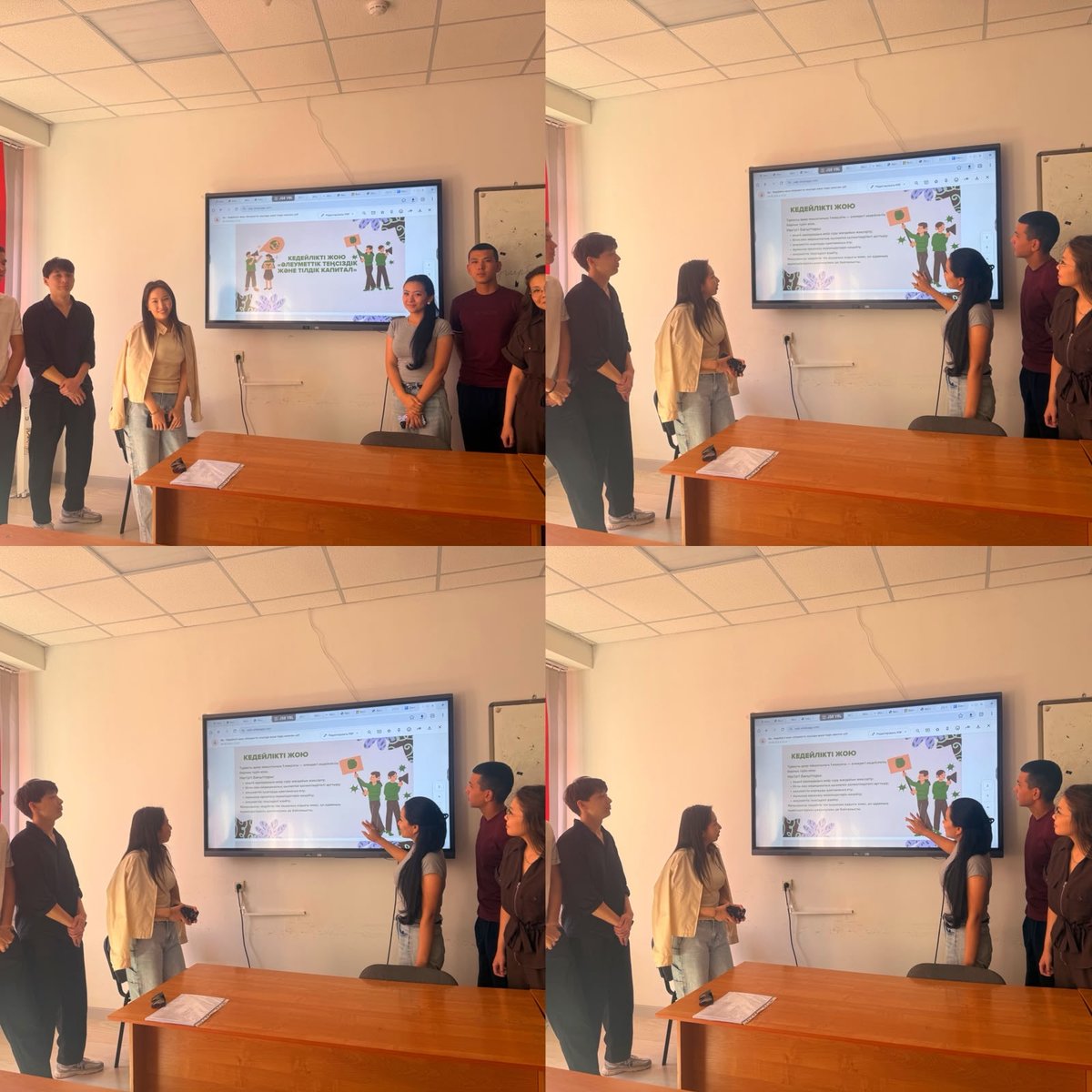
The roundtable participants outlined a direct logical link between linguistic capital and poverty: socio-economic status determines access to quality language education, which shapes linguistic capital, which in turn enhances opportunities for prestigious employment, impacting income levels and social mobility. While language itself is not a direct cause of poverty, unequal access to quality language education restricts the career advancement of vulnerable groups. Therefore, SDG 1 (ending poverty in all its forms), SDG 4 (equal access to quality education and skills), and SDG 10 (reducing inequality) are deeply interconnected.
At the conclusion of the roundtable, participants formulated recommendations to further enhance university educational programs aimed at increasing students' linguistic capital, eliminating educational disparities, and fostering social mobility.
Organizers: Senior Advisor of the Department of Turkology and Theory of Language Kanat Ashirkulov, Deputy Head of the Department for Educational and Methodological Work Sholpan Taubaevna, Acting Associate Professor Marina Zhambylkyzy, Research Professor Saule Bektemirova, Acting Professor Perizat Yelubayeva, 1st-year doctoral student in "8D01705 – Foreign Language: Two Foreign Languages" Araylym Akzhigitova, and 2nd-year students in "6B01701 – Foreign Language: Two Foreign Languages".
Other news