Education Systems of Kazakhstan and the World: Similarities, Differences, and Prospects
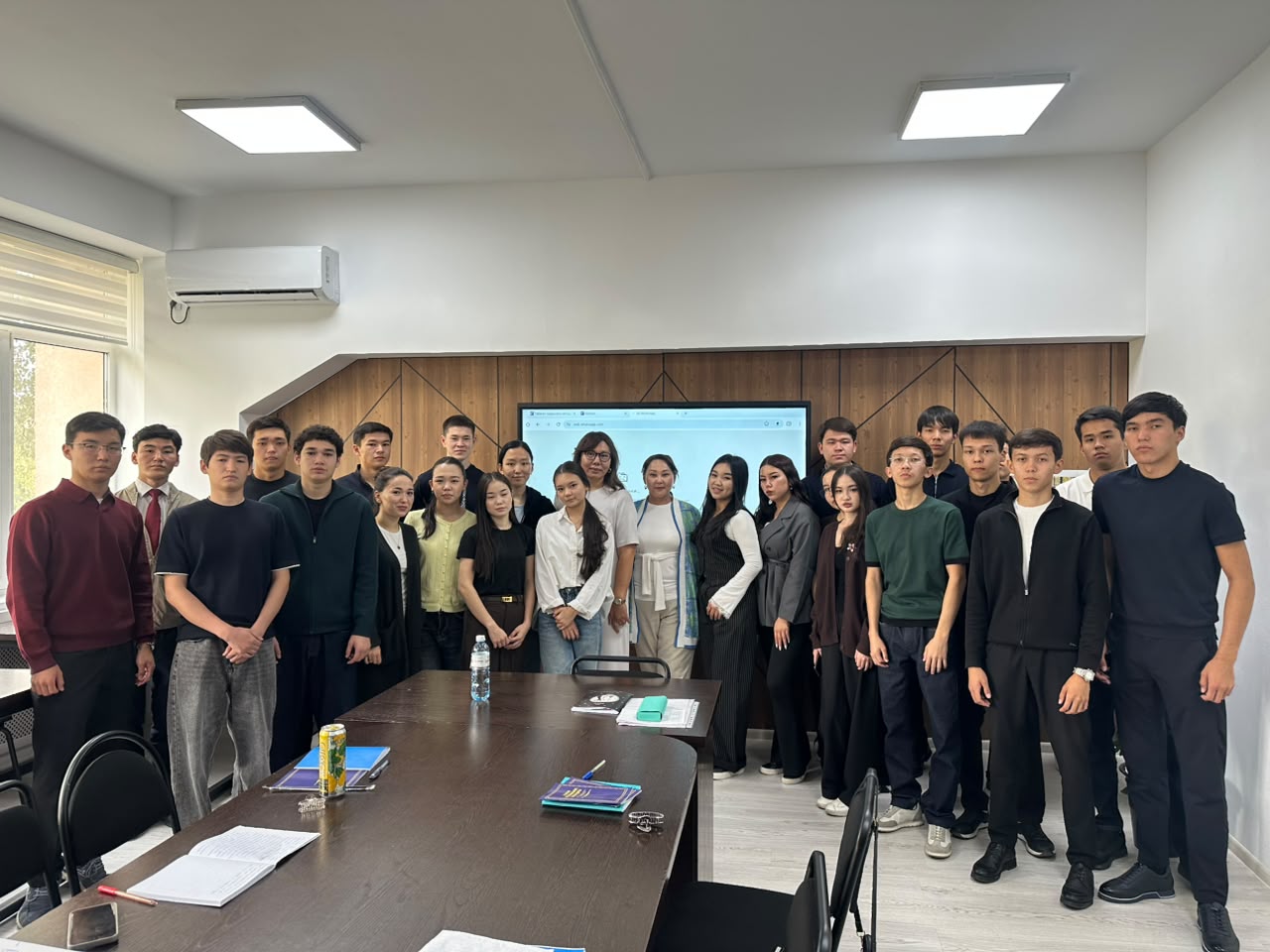
On September 24, 2026, lecturers S. K. Sansyzbayeva, G. K. Temirkulova, and S. S. Sagatova conducted the event “Education Systems of Kazakhstan and the World: Similarities, Differences, and Prospects” as part of SDG 4, “Quality Education.” The event was attended by first-year students majoring in Law.
During the event, students independently researched and compared the education systems of Kazakhstan, the United States, and European and Asian countries, identifying their specific features and different approaches to organizing the educational process. This work enabled students to broaden their understanding of contemporary educational models and reflect on the importance of quality education for professional and personal development.
Particular attention was paid to developing skills in searching for, selecting, and analyzing information, conducting comparative analysis, providing arguments, and formulating independent conclusions. Working with various sources contributed to the development of critical thinking, information and reading literacy, broadening students’ horizons, and strengthening interdisciplinary connections.
The event is an important component of the implementation of SDG 4 “Quality Education,” as it develops students’ understanding of the goals and significance of sustainable development and the role of education in the life of individuals and society. It motivates first-year students to acquire knowledge consciously, engage in independent research, pursue self-development, and continuously expand their professional and general knowledge.
Such events contribute to the development of an active learning attitude among students, an understanding of the value of lifelong learning, and readiness to apply acquired knowledge to their future professional development. For future lawyers, the ability to work with information, analyze different approaches, compare the experience of different countries, and formulate well-reasoned positions is particularly important.
Other news