Toponymy of the Native Region and the History of Renaming
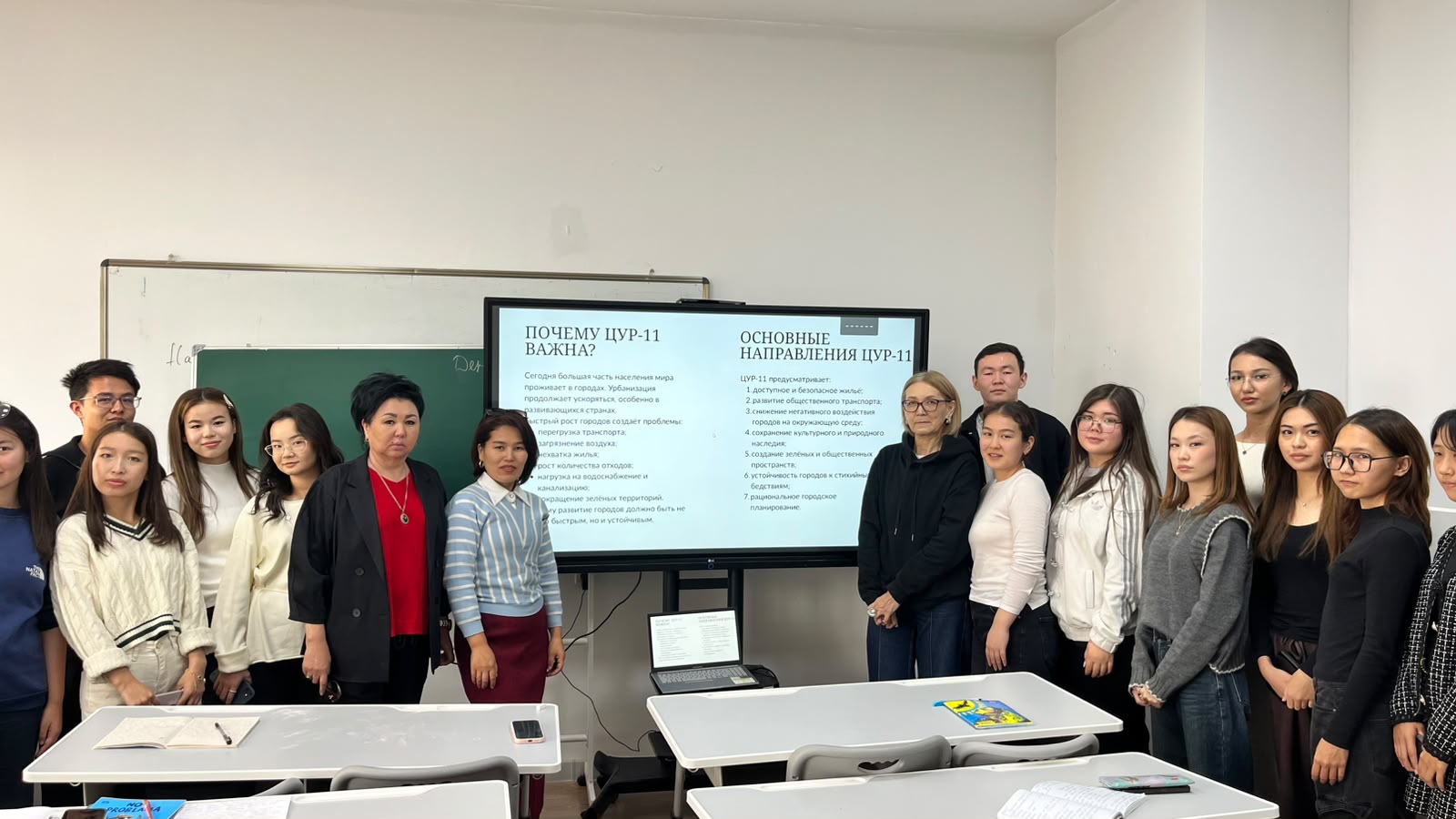
On October 6, 2026, an event was held at the Faculty of History, organized by N.B. Itzhanova, A. I. Akhmetzhanova, and A. T. Zhusanbayeva, lecturers of the Department of Russian Philology and World Literature, together with first-year students of the Faculty of History enrolled in the Museology and Historical and Cultural Tourism program.
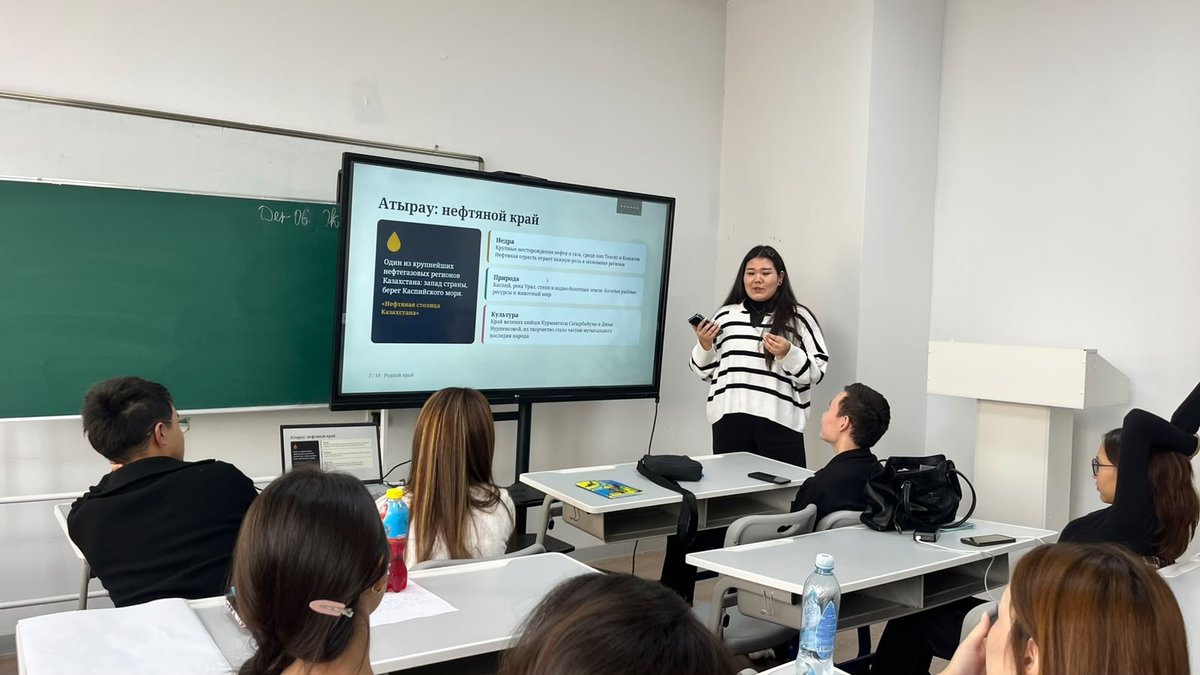
The meeting aimed to support the implementation of the United Nations Sustainable Development Goals (SDGs), particularly SDG 11: “Sustainable Cities and Communities.” The central theme of the discussion was “Toponymy of the Native Region and the History of Renaming,” considered an essential element in preserving intangible cultural heritage and fostering a sustainable urban identity.
The event program included several thematic sections:
Theoretical Overview. The organizers provided a detailed explanation of toponymy as the study of geographical names. The lecturers emphasized that geographical names are not merely navigational markers but also serve as an “oral museum” and a mental map of a region, encoding historical events, ethnographic characteristics, and landscape features.
Historical Retrospective on Renaming. Participants analyzed how the evolution of place names reflects changes in historical perspectives and priorities. The discussion covered several key historical layers, ranging from indigenous names to administrative names introduced during the Soviet era and the contemporary process of restoring historical names and rehabilitating the region’s onomastic heritage. Particular attention was paid to finding a balance between restoring historical justice and maintaining the convenience and functionality of urban infrastructure.
Practical Applications in Tourism and Museology. During a round-table discussion, first-year students explored how disappeared or altered place names could become unique tourism brands. They proposed creative ideas for incorporating toponymic materials into city sightseeing tours, interactive quests, and museum exhibitions.
The lecturers of the Department of Russian Philology and World Literature — N. Itzhanova, A. I. Akhmetzhanova, and A. T. Zhusanbayeva — highlighted the high level of knowledge and active engagement demonstrated by the future specialists. The event showed that the sustainable development of a modern city depends equally on technological innovation and the careful preservation of its historical memory and cultural identity.
At the conclusion of the meeting, participants summarized the key outcomes and identified potential areas for students’ independent research in linguistic and regional studies. These initiatives will provide a solid foundation for their future professional careers in the tourism industry and the field of museology.
Other news