PRACTICAL RESOURCES FOR THE FUTURE EDUCATIONAL PSYCHOLOGIST’S METHODOLOGICAL TOOLKIT
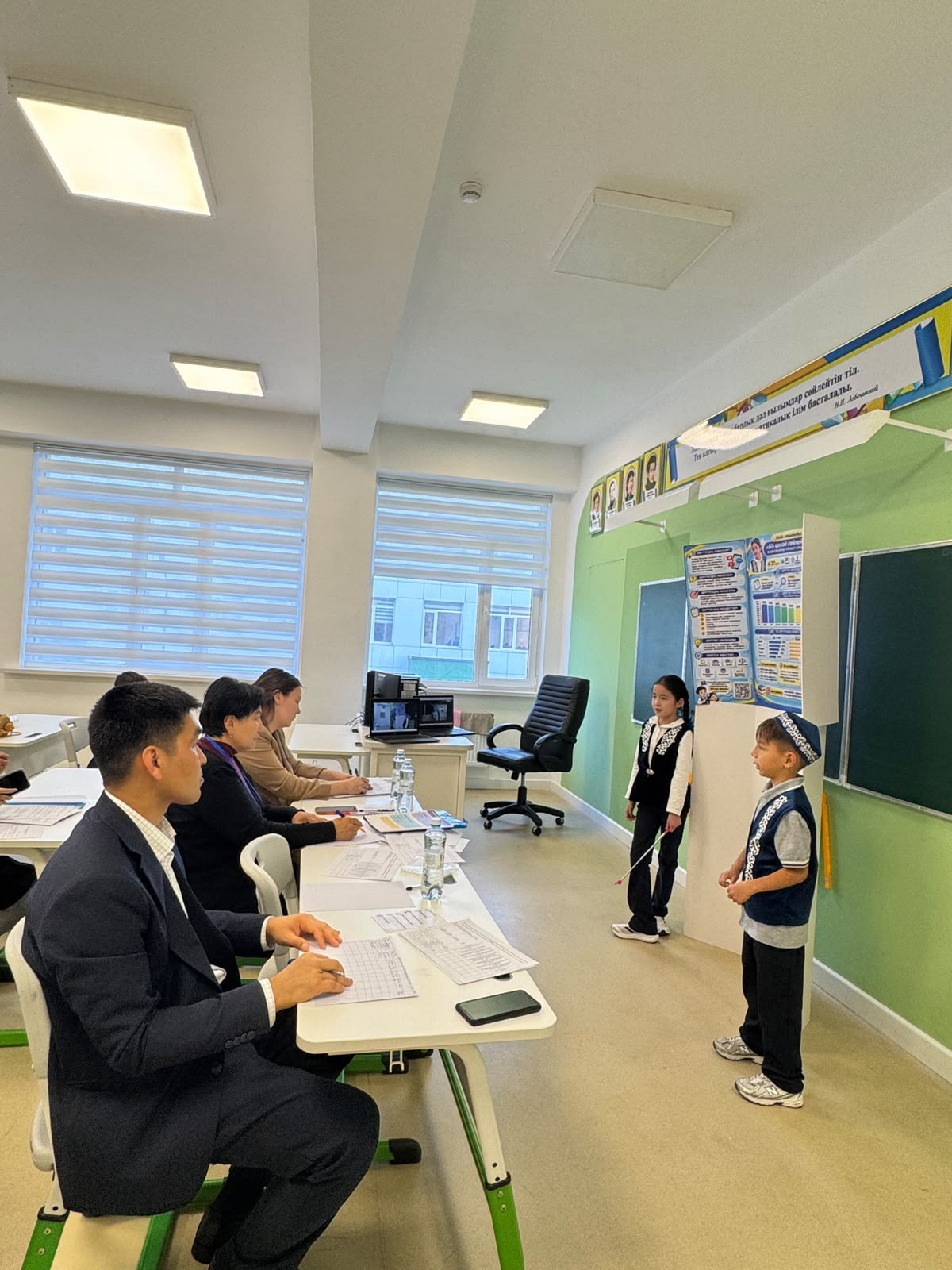
On October 5 of this year, A. Alchimbayeva, a lecturer in the Department of Pedagogy and Educational Management and a Candidate of Pedagogical Sciences, conducted a lecture and a practical session for the course "Special Education." The practical tasks focused on the topic "Pedagogical Support for Children with Speech Disorders," in accordance with the course syllabus. The session was designed to develop and consolidate specific skills and competencies. The instructional materials featured a presentation of advanced methods and practical exercises for adapting school-age children with speech disorders, utilizing a proprietary methodology. Additionally, several methods for the education and upbringing of children with visual impairments were demonstrated.
During the session, detailed information was provided regarding the Braille system, functional impairments, the development of tactile and auditory abilities, assistive technologies for the visually impaired, and the management of hygiene and physical exertion.
Under the lecturer's guidance, demonstrations were given of the PECS (Picture Exchange Communication System), digital applications, and communication devices—such as specialized translation apps for tablets and smartphones—as well as innovative and neuro-technological methods (the Tomatis method, speech therapy taping, and bioacoustic correction).
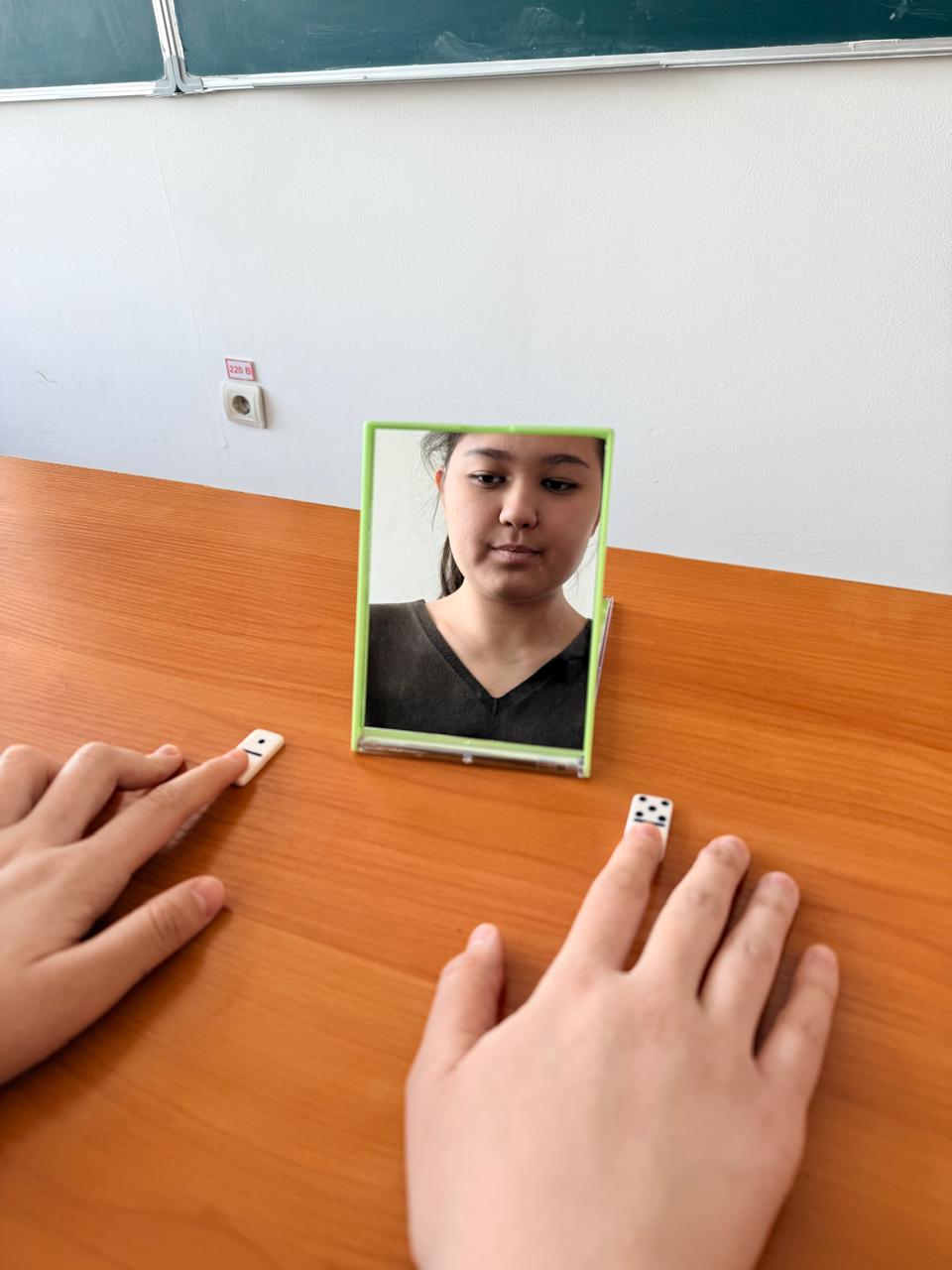
To reinforce theoretical knowledge, students engaged in a series of practical exercises based on play-based and sensory-integration methodologies. Advanced technologies used to develop students' tactile (touch), vestibular, and proprioceptive (body awareness) systems were also presented.
Ultimately, the advanced resources utilized during the practical session were complemented by effective methods relevant to the future professional practice of an educational psychologist, allowing students to gain practical insight into the significance of the topic.
Other news