- Main
- News
- KazNU Hosts an International Workshop on Enhancing Mechanisms for Water Cooperation in Central Asia
KazNU Hosts an International Workshop on Enhancing Mechanisms for Water Cooperation in Central Asia
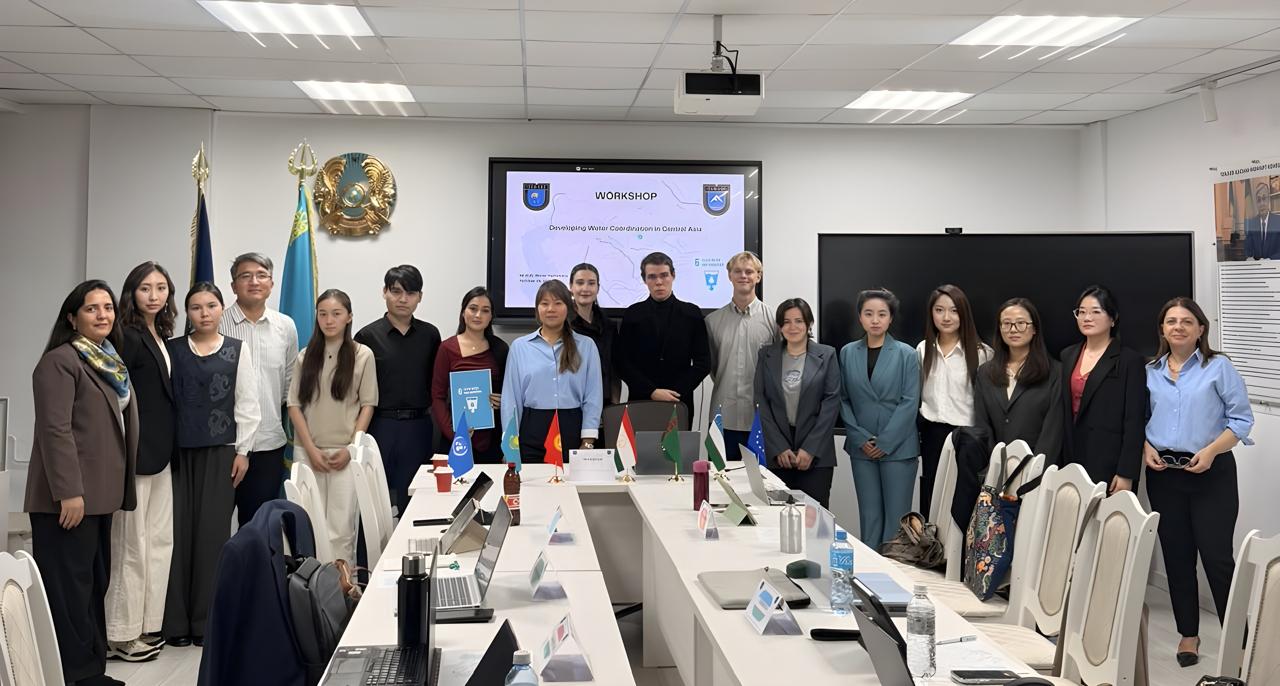
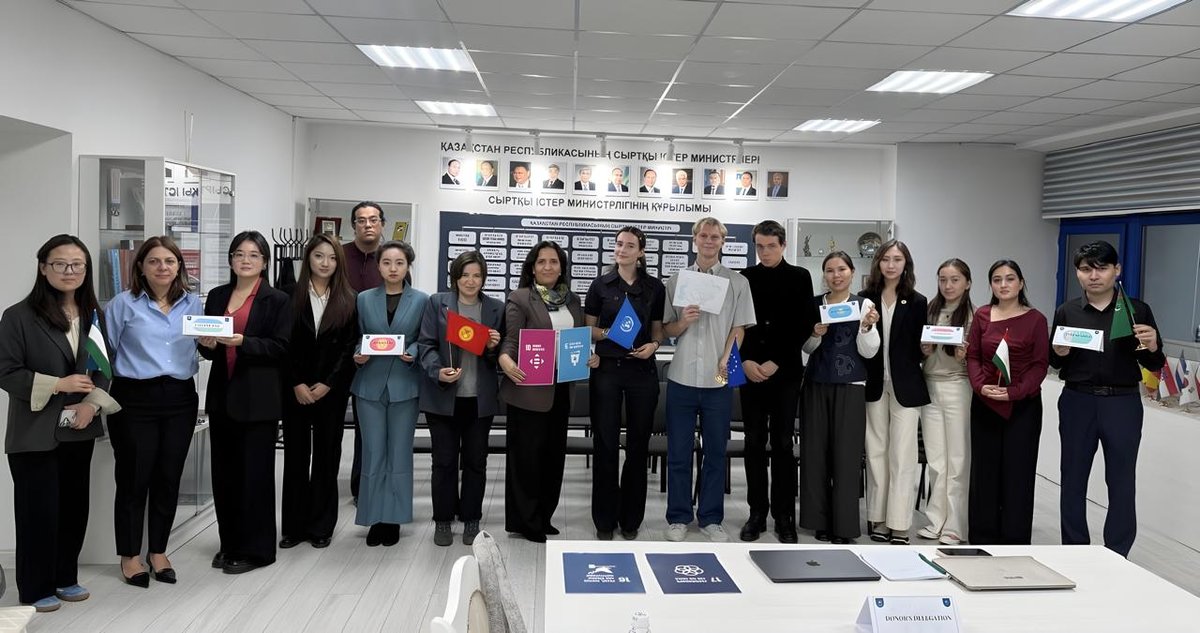
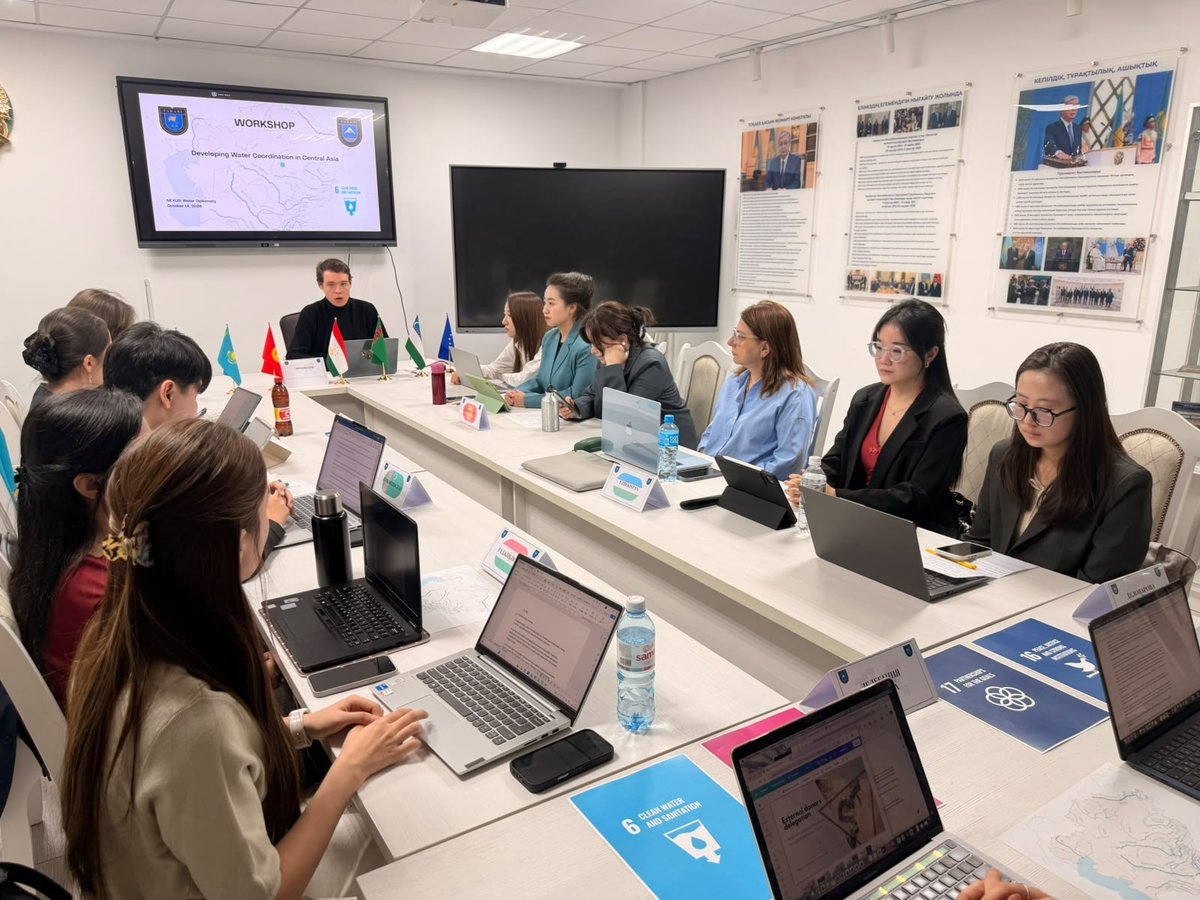
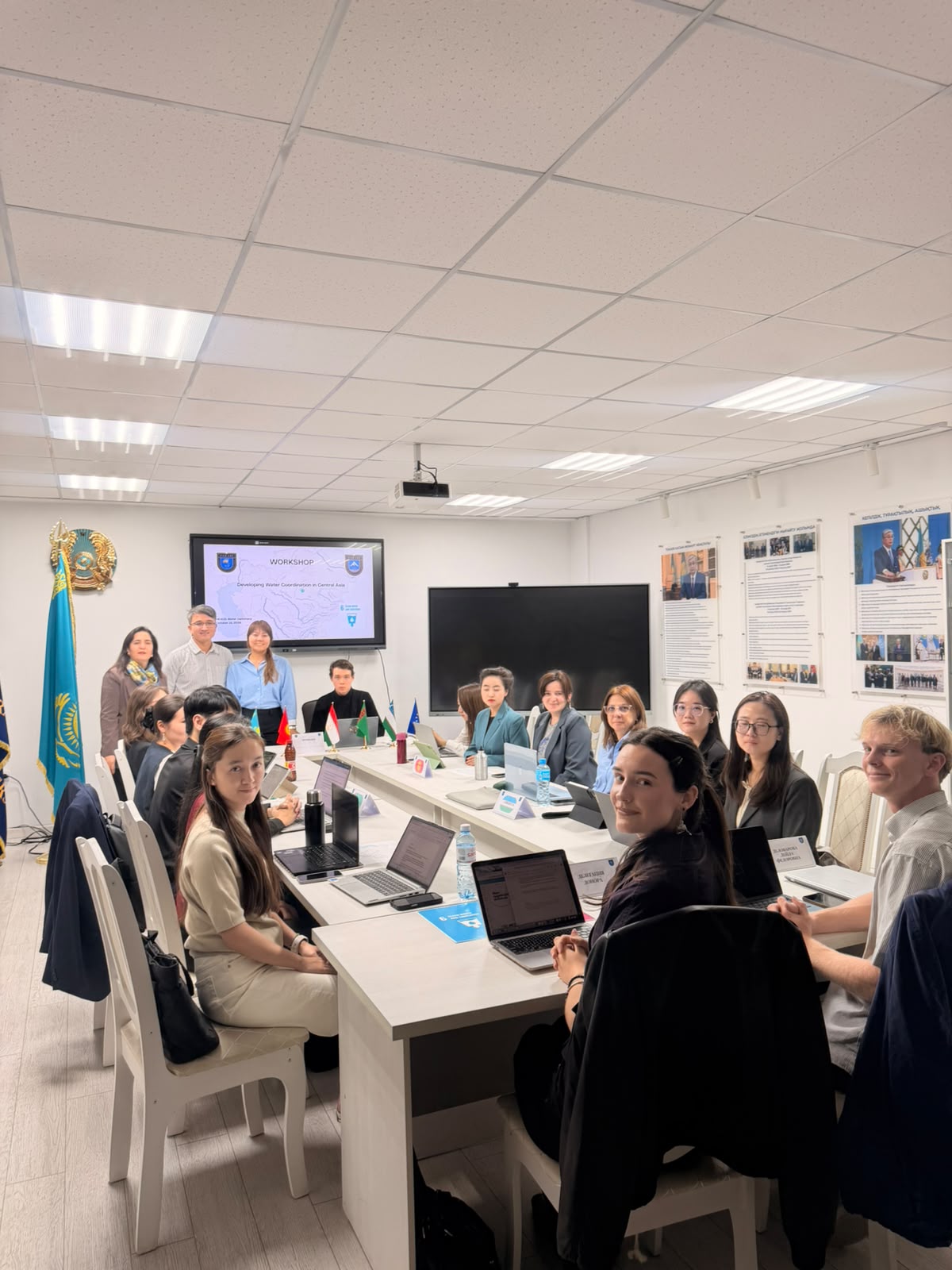
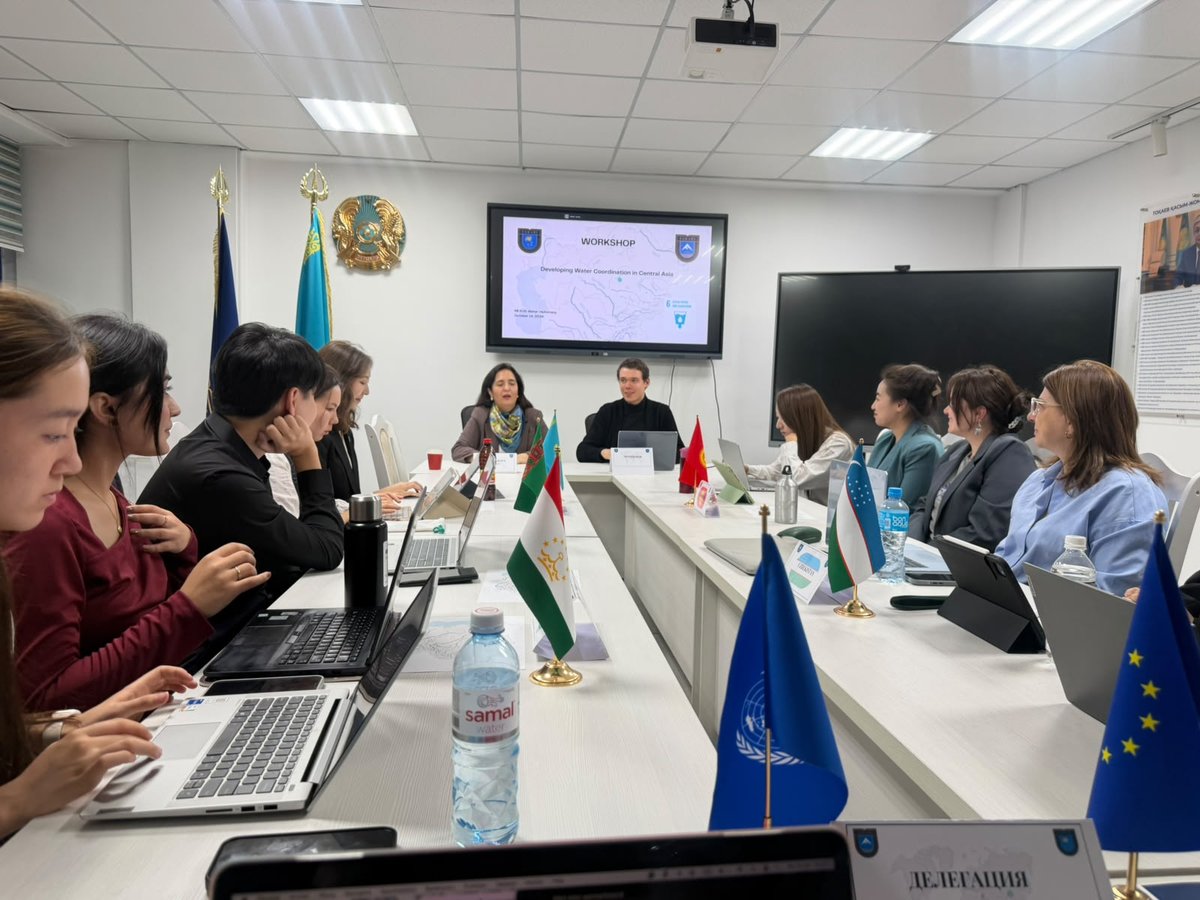
The Faculty of International Relations at Al-Farabi Kazakh National University hosted an international research and practice workshop entitled “Developing Water Coordination in Central Asia.”
The workshop explored mechanisms for transboundary water cooperation and the alignment of national interests among Central Asian states. Activities centred on the negotiation simulation “NEXUS: Water Diplomacy in Central Asia,” which integrates water, energy and food security with environmental sustainability.
Particular attention was paid to the research potential of scenario-based simulation. This approach enables regional challenges to be examined through the interplay of seasonal water allocation, agricultural needs, electricity generation patterns and environmental constraints. The simulation provided a framework for formulating research questions about how resource asymmetries, interdependence and institutional mechanisms shape the prospects for reaching interstate agreements.
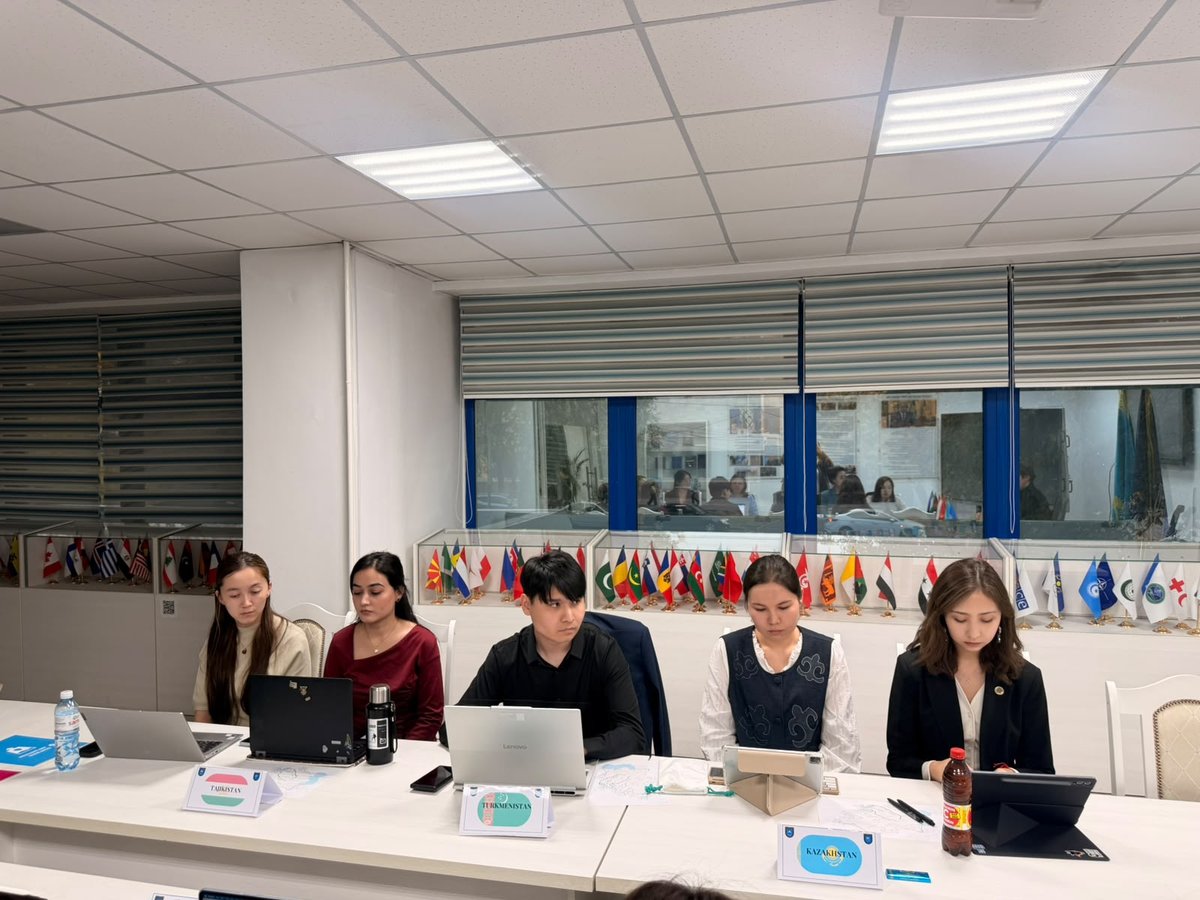
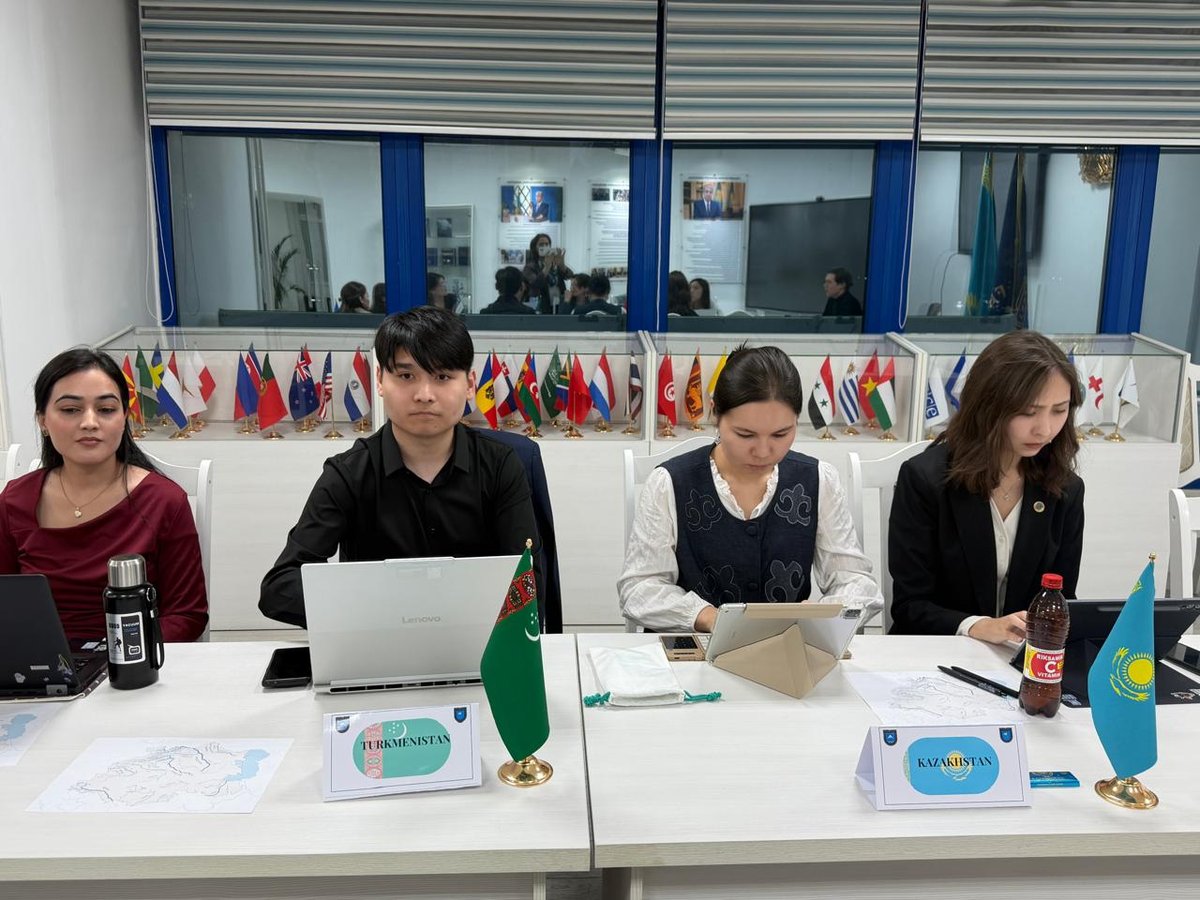
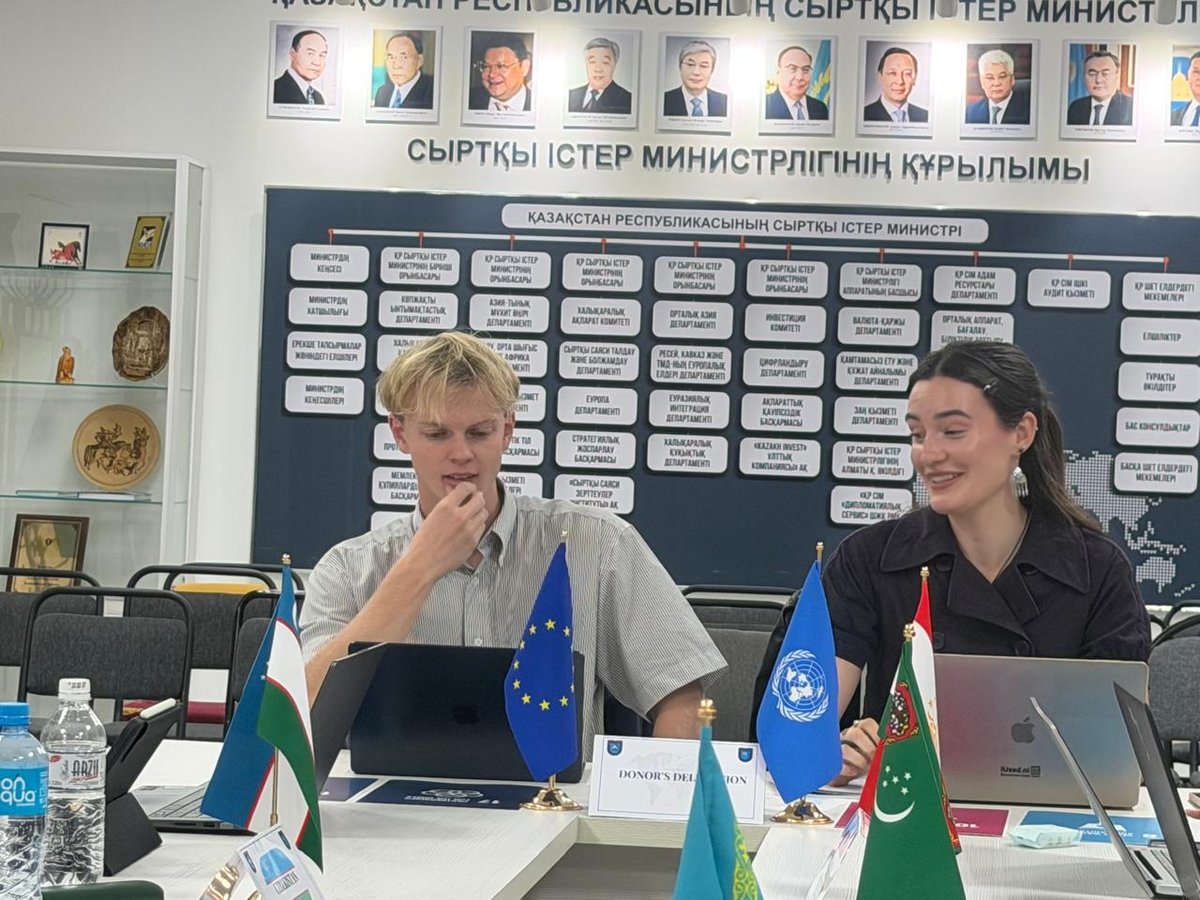
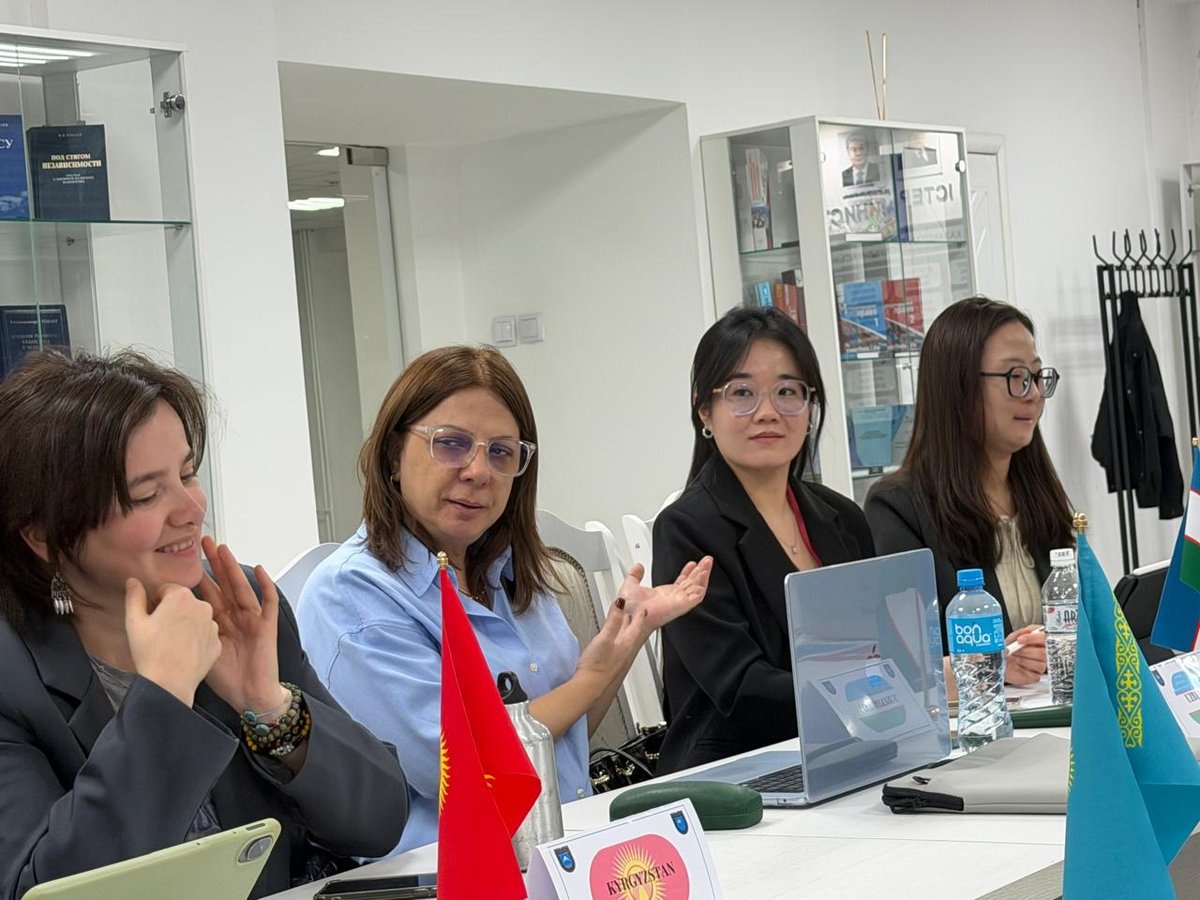
The principal participants were master’s students in International Relations, who assumed the roles of representatives of the five Central Asian states: Kazakhstan, Kyrgyzstan, Tajikistan, Turkmenistan and Uzbekistan, and a delegation of external donors. Examining national positions was intended to develop skills in comparative analysis, evidence-based argumentation and the assessment of alternative cooperation strategies. Discussions focused on the joint management of water resources in the Syr Darya and Amu Darya river basins.
The programme included bilateral negotiations, a simulated crisis and a concluding regional summit. Hypothetical scenarios enabled participants to trace how changes in underlying conditions affected negotiating positions and the durability of proposed commitments. Drafting a regional agreement involved negotiating principles for water allocation, energy exchanges, joint monitoring, environmental commitments and dispute-resolution procedures. The research emphasis was on identifying the conditions under which competing national priorities could be reconciled through mutual benefits and compensation mechanisms. The workshop also highlighted the relevance of Sustainable Development Goals (SDGs) 6, 10, 16 and 17.
The workshop strengthened the connection between research training for master’s students and the practical analysis of regional processes. The NEXUS approach expands opportunities for interdisciplinary research on Central Asia and the development of competencies in water diplomacy. Such formats provide a foundation for master’s research on transboundary cooperation, regional institutions and sustainable water resources management.
The event was organised within the framework of Grant Grant № AP26103599 (“Challenges and Opportunities of Regional Cooperation in Sustainable Water Resource Management in Central Asia”) of the Ministry of Science and Higher Education of the Republic of Kazakhstan.
Event organisers: L. F. Delovarova, G. S. Baikushikova and S. M. Parpiev.
Other news